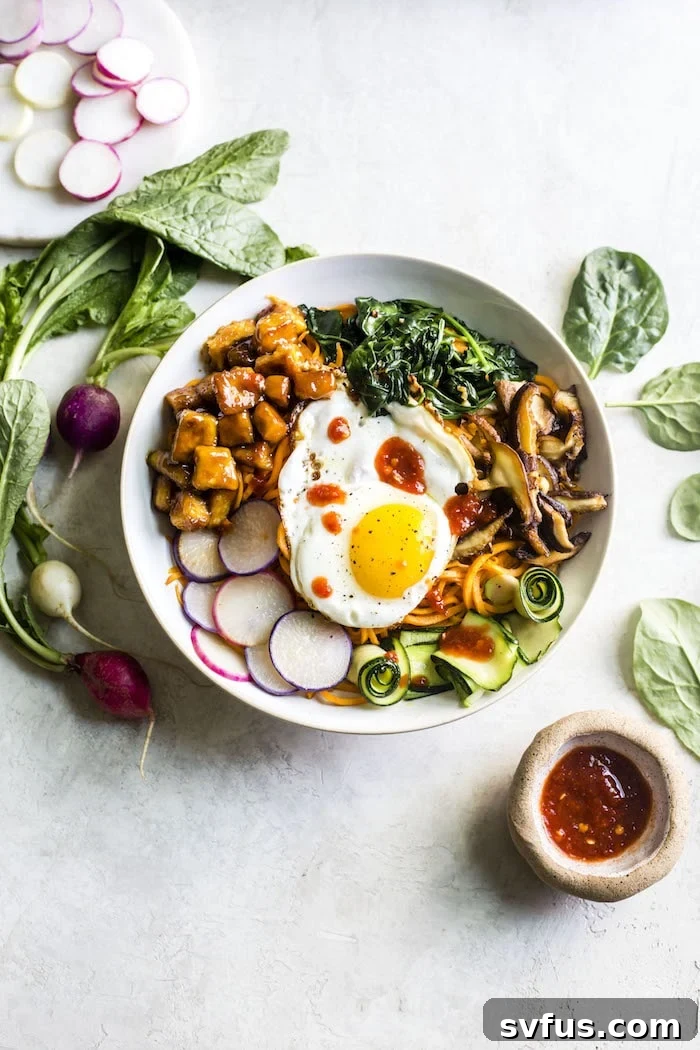
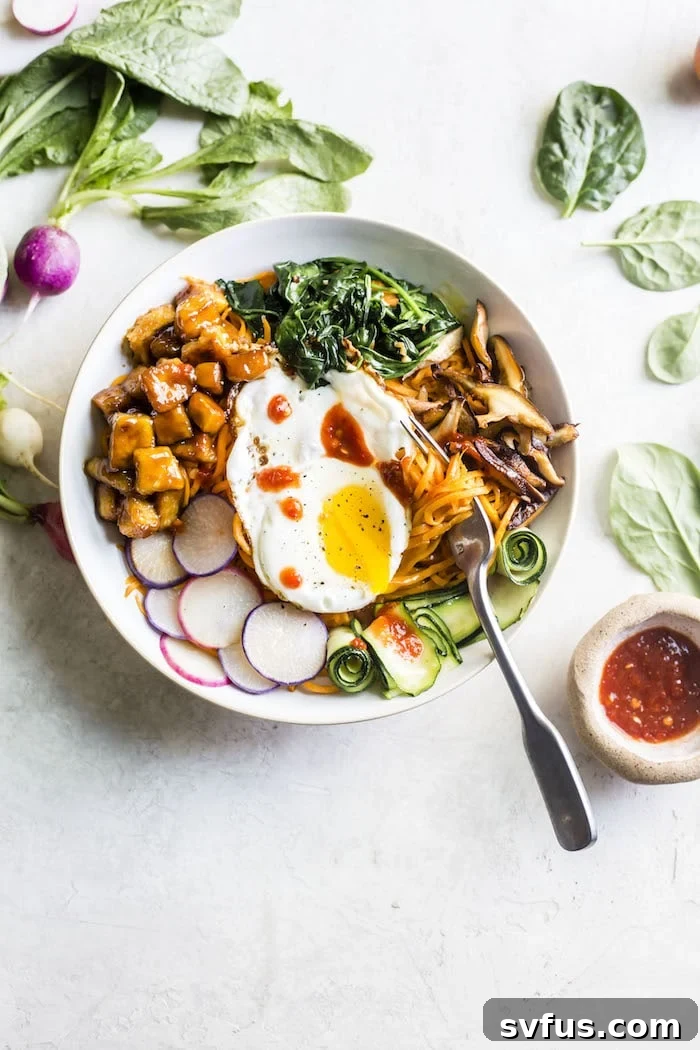
This Tofu Sweet Potato Bibimbap is a vibrant, healthy, and satisfying meal featuring delicious sweet potato noodles, crispy tofu, an assortment of fresh vegetables, and an optional fried egg. It’s an ideal choice for a nutritious dinner or a convenient make-ahead lunch.
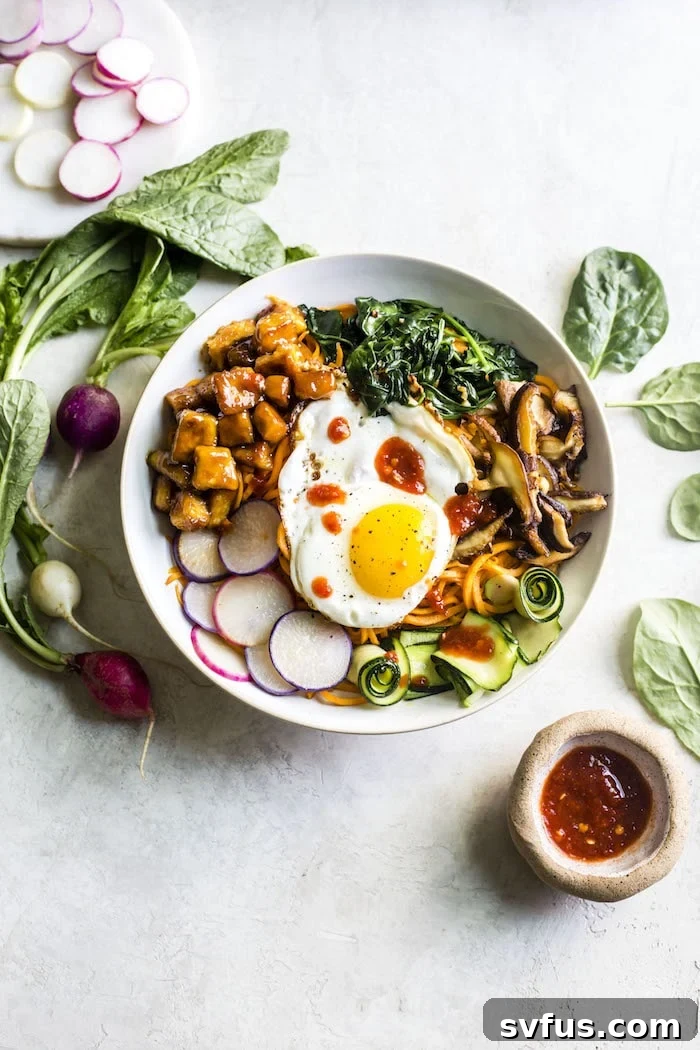
Tofu Sweet Potato Bibimbap: A Gluten-Free & Flavorful Twist on a Korean Classic
Hello again! After a much-needed break enjoying the sun and sights, I’m back and incredibly eager to dive into a world of fresh, wholesome vegetables. While my recent vacation offered its own delightful culinary adventures, there’s nothing quite like returning home to nutritious, soul-satisfying meals that make you feel truly rejuvenated. This Tofu Sweet Potato Bibimbap recipe is my perfect re-entry into healthy eating – a vibrant, flavorful dish that promises both comfort and nourishment.
Coming back from a trip can often feel a little daunting, but easing back into routine with a long weekend and a slow start to the week was a huge relief. Though work still called, I cherished the extra time to relax and celebrate a family birthday. Now, with the holiday festivities behind us, my cravings have firmly shifted towards greens, wholesome ingredients, and meals that fuel my body. This sweet potato bibimbap isn’t just what I’m craving; it’s a delightful celebration of fresh produce and plant-based protein.
Why This Tofu Sweet Potato Bibimbap Recipe Stands Out
If you’re familiar with the delightful Korean dish, bibimbap, you’ll know it’s traditionally made with rice, topped with an array of sautéed vegetables, meat, and a fried egg, all mixed together with a spicy gochujang sauce. My inspiration for this recipe comes from a local restaurant that serves an exceptional bibimbap. However, I wanted to create a version that was not only incredibly delicious but also gluten-free and packed with even more nutritional goodness. That’s where sweet potato noodles come in!
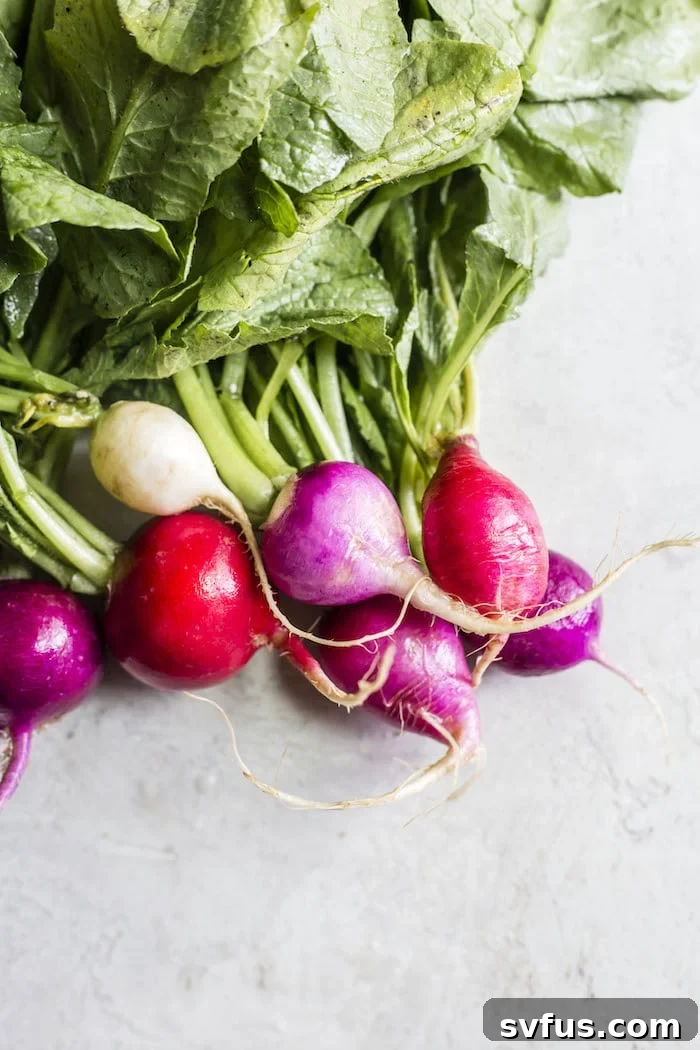
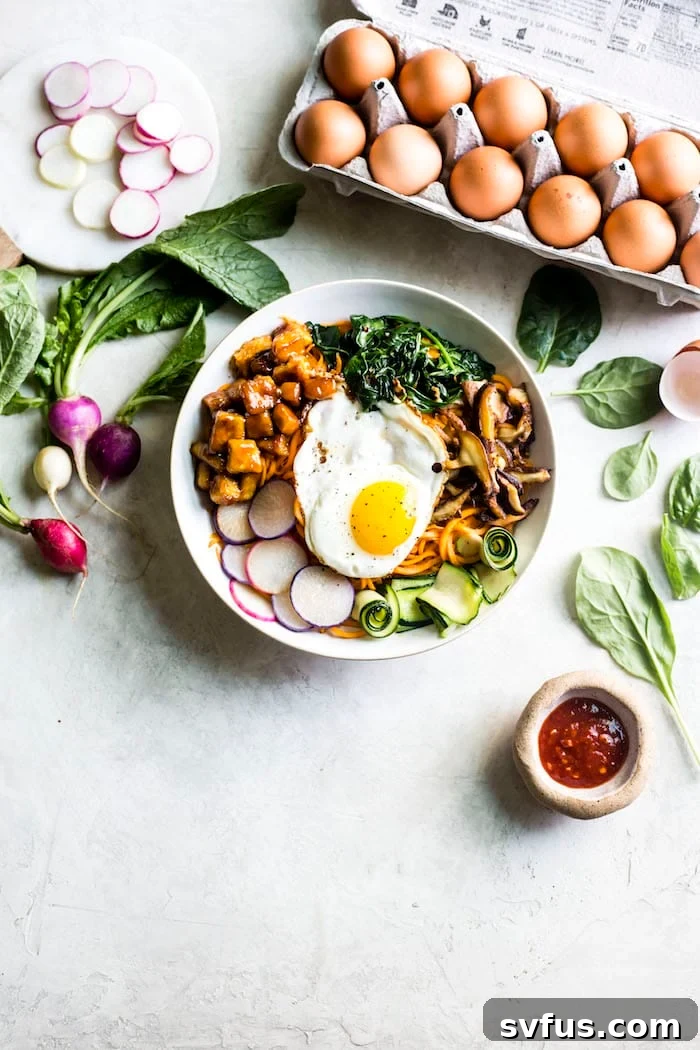
Opting for sweet potato noodles transforms this dish, offering a unique texture and a naturally sweet earthiness that complements the savory and spicy elements beautifully. This gluten-free alternative also boosts the fiber and vitamin content, making it an even healthier choice. Beyond the noodles, this bibimbap is generously topped with crispy tofu, savory shiitake mushrooms, fresh spinach, thinly sliced radishes, and a perfectly fried egg (which can be omitted for a fully vegan meal). It’s truly a complete meal, brimming with diverse flavors and textures, making it an excellent option for a nourishing dinner or a vibrant make-ahead lunch.
Customizing Your Bibimbap: A World of Possibilities
One of the best aspects of bibimbap is its versatility. Don’t have all the exact vegetables on hand? No problem! This recipe is incredibly forgiving and encourages you to use what you have in your fridge. Carrots, cucumber, bean sprouts, bell peppers, or even kale would work wonderfully. Feel free to experiment with your favorite seasonal vegetables to make each bibimbap experience uniquely yours. The goal is a colorful and nutrient-rich bowl, so let your creativity guide you!
Tip for Vegan & Plant-Based Eaters: To make this meal entirely vegan, simply omit the fried egg. The tofu provides ample protein, ensuring the dish remains satisfying and nutritionally complete.
Ingredients for Tofu Sweet Potato Bibimbap
This recipe for Tofu Sweet Potato Bibimbap is designed for approximately 2 servings, offering a balanced and flavorful meal in about 30 minutes. Here’s a detailed look at the components:
Tofu Sweet Potato Bibimbap

Print Recipe
This Tofu Sweet Potato Bibimbap is made with sweet potato noodles and topped with tofu, veggies and a fried egg.
Ingredients
- 1 package firm tofu, pressed
- 1/4 cup soy sauce (or tamari for gluten-free)
- 5 tbsp tapioca flour, or all-purpose flour
- 1/4 cup maple syrup
- 1 tsp chili garlic paste
- 3 tbsp oil of choice (e.g., olive, coconut, avocado), or more if needed
- 1 large or 2 small sweet potatoes, peeled
- 1/2 zucchini, sliced
- 2-3 radishes, sliced
- 1/3 cup shiitake mushrooms
- 2 garlic cloves, minced
- 1/2 cup spinach
- 1-2 tbsp chili garlic paste for topping (optional)
Instructions
- Remove the pressed tofu from your tofu press. In a ziploc bag, combine the pressed tofu with 2 tablespoons of soy sauce and 4 tablespoons of flour. Seal the bag and shake vigorously until the tofu pieces are evenly coated. Set aside.
- In a small bowl, whisk together the maple syrup, the remaining 2 tablespoons of soy sauce, 1 tablespoon of flour, and 1 teaspoon of chili garlic paste. This will be your flavorful bibimbap sauce. Set this aside.
- Heat 2 tablespoons of your chosen oil in a large skillet over medium heat. Once hot, add the coated tofu. Cook the tofu, turning occasionally, until it’s golden brown and crispy on all sides, which typically takes about 5-10 minutes. Adjust heat as necessary to prevent burning.
- While the tofu is cooking, use a spiralizer to create noodles from your peeled sweet potato(es). If you don’t have a spiralizer, you can finely julienne the sweet potatoes or use pre-packaged sweet potato noodles.
- In a separate large skillet, heat 1 tablespoon of oil over medium heat. Add the shiitake mushrooms and cook for 2-3 minutes until they start to soften. Then, add the minced garlic and spinach, cooking for just 1 minute until the spinach wilts. Immediately add the sweet potato noodles to the skillet and cook for another minute, tossing to combine with the other vegetables. Once cooked, transfer all the vegetable mixture into a large serving bowl.
- By this point, your crispy tofu should be ready. Turn off the heat under the skillet but keep it on the stove. Pour the whisked maple syrup and chili garlic sauce mixture over the cooked tofu, stirring gently to ensure all the tofu pieces are coated in the sticky, flavorful sauce.
- Add the sauced tofu, sliced radishes, and sliced zucchini to the serving bowl with the sweet potato noodles and other vegetables. Drizzle everything with additional chili garlic paste to taste, if desired, for an extra kick.
- Finally, if you’re not keeping the dish vegan, fry an egg to your liking (sunny-side up or over easy works best for a runny yolk) and gently place it on top of your bibimbap bowl.
- Serve immediately and enjoy the delightful mix of flavors and textures!
Notes
- You have the option to add the zucchini raw for a fresh crunch, or you can quickly sauté it with the mushrooms for a softer texture.
- For an extra layer of flavor and crunch, consider adding a sprinkle of sesame seeds or chopped green onions before serving.
- If you prefer a spicier bibimbap, increase the amount of chili garlic paste in both the sauce and for topping.
Nutrition
Nutrition information is automatically calculated, so should only be used as an approximation.
Calories: 681kcal | Carbohydrates: 82g | Protein: 25g | Fat: 30g | Saturated Fat: 4g | Sodium: 1711mg | Potassium: 847mg | Fiber: 7g | Sugar: 33g | Vitamin A: 16833IU | Vitamin C: 16mg | Calcium: 352mg | Iron: 5mg
Crafting Your Perfect Bibimbap: Step-by-Step Guide
Making this Tofu Sweet Potato Bibimbap is a straightforward process, designed to bring a gourmet experience to your kitchen with minimal fuss. The key steps involve preparing your crispy tofu, crafting a simple yet flavorful sauce, and quickly sautéing your chosen vegetables and sweet potato noodles.
Tofu Preparation: The Secret to Crispy Perfection
The first step is crucial for incredible texture: pressing your tofu. This removes excess water, allowing the tofu to absorb flavors better and crisp up beautifully. Once pressed, cut your firm tofu into bite-sized cubes. Coating these cubes in soy sauce and tapioca flour (or all-purpose flour) creates a light batter that, when pan-fried, develops an irresistible golden crust. This crispy tofu isn’t just a protein source; it’s a textural highlight that elevates the entire dish.
The Flavorful Sauce: A Balance of Sweet, Savory, and Spicy
No bibimbap is complete without a delicious sauce, and ours is both simple and potent. A blend of maple syrup, soy sauce, and chili garlic paste creates a harmony of sweet, savory, and spicy notes. The maple syrup adds a touch of natural sweetness that contrasts wonderfully with the umami of soy sauce and the fiery kick of chili garlic paste. This sauce is designed to be versatile; you can adjust the spice level to your preference. A little extra drizzle at the end can bring an added layer of zest to your bowl.
Building Your Bibimbap Bowl: A Symphony of Textures and Colors
The beauty of bibimbap lies in its layered presentation and the eventual mixing of all components. Begin by sautéing your sweet potato noodles until they are tender-crisp. Then, cook the shiitake mushrooms until they release their earthy aroma, followed by the quick addition of minced garlic and vibrant spinach. These ingredients are briefly cooked to maintain their freshness and nutrients. Assemble your bowl with the sweet potato noodles and sautéed vegetables as the base, then artfully arrange the crispy, sauced tofu, fresh radishes, and zucchini slices on top. The final touch? A fried egg, its runny yolk poised to become a creamy sauce when mixed in. Each spoonful offers a delightful medley of soft noodles, crunchy vegetables, and savory tofu.
Tips for the Best Tofu Sweet Potato Bibimbap
- Press Your Tofu Thoroughly: This is non-negotiable for crispy tofu. Use a tofu press or wrap the tofu in paper towels, place it between two plates, and weigh it down with heavy objects for at least 30 minutes.
- Don’t Overcook Your Veggies: Bibimbap vegetables are typically lightly cooked to retain their crunch and vibrant color. A quick sauté is all that’s needed.
- Adjust Spice to Taste: Chili garlic paste provides the heat. If you prefer a milder dish, use less. For a spicier kick, feel free to add more to the sauce and as a topping.
- Get Creative with Toppings: Beyond what’s listed, consider adding kimchi for a fermented tang, a sprinkle of toasted sesame seeds for nutty flavor, or fresh scallions for a mild oniony bite.
- Meal Prep Friendly: This dish can be partially prepped! Cook the tofu and vegetables separately, then store them in airtight containers. When ready to eat, reheat, spiralize fresh sweet potato noodles, and assemble.
The Health Benefits of This Vibrant Dish
This Tofu Sweet Potato Bibimbap is not just delicious; it’s also incredibly good for you. Sweet potatoes are a powerhouse of beta-carotene (Vitamin A), fiber, and essential minerals, offering sustained energy and supporting digestive health. Tofu provides a complete plant-based protein, crucial for muscle repair and satiety. The array of fresh vegetables—spinach, mushrooms, radishes, zucchini—adds a wealth of vitamins, antioxidants, and dietary fiber, contributing to overall well-being and a strong immune system. Opting for sweet potato noodles over traditional rice also makes this a fantastic gluten-free alternative, accommodating various dietary needs without sacrificing flavor or satisfaction.
I genuinely hope you find as much joy and deliciousness in this Tofu Sweet Potato Bibimbap as my family and I do. It’s a dish that brings together simplicity, health, and incredible flavor in every single bite.
Did you make this recipe?
Leave a comment and a star rating below! Your feedback helps other home cooks discover and enjoy this delicious dish.