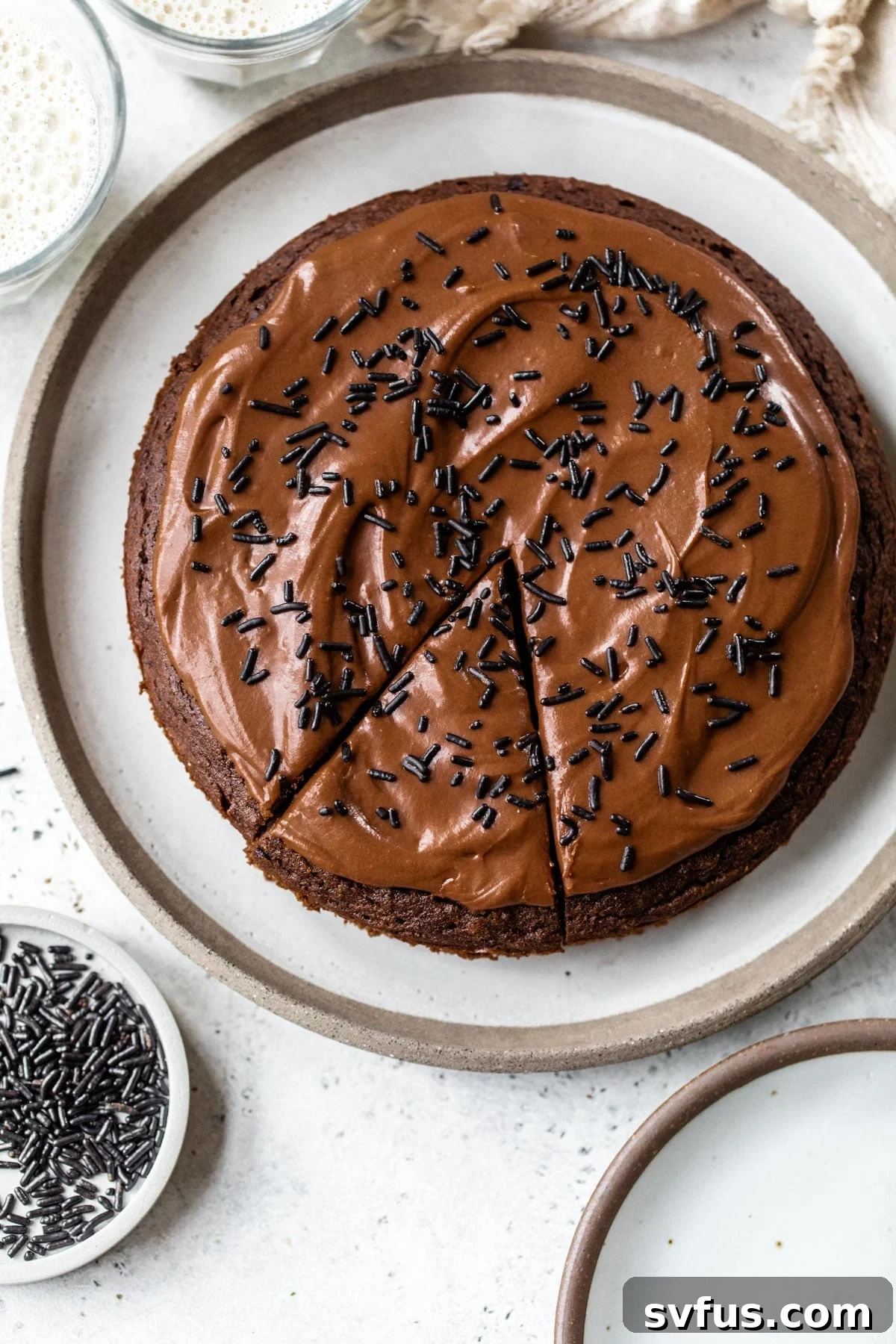
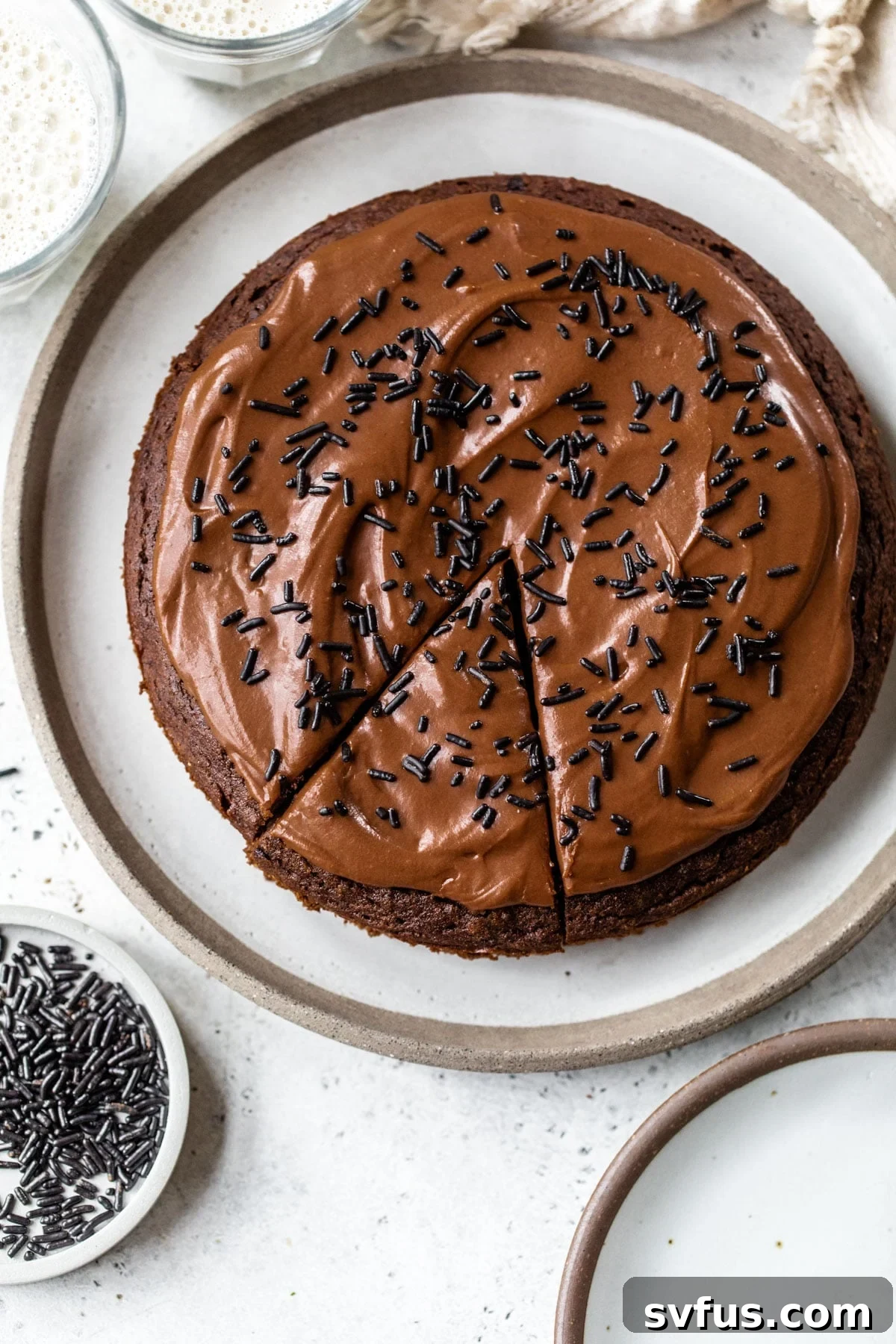
Indulge in the decadent delight of this **Coconut Flour Chocolate Cake**, heralded as the ultimate gluten-free birthday cake, though its irresistible charm makes any day worthy of a slice! This recipe promises a remarkably moist, deeply fudgy, and intensely chocolatey experience, crafted with simple, wholesome ingredients and crowned with a luscious homemade chocolate buttercream. Forget dry, crumbly gluten-free attempts; prepare for a bakery-quality masterpiece that caters to various dietary needs without sacrificing an ounce of flavor or texture.
Why You’ll Fall in Love with This Gluten-Free Chocolate Cake:

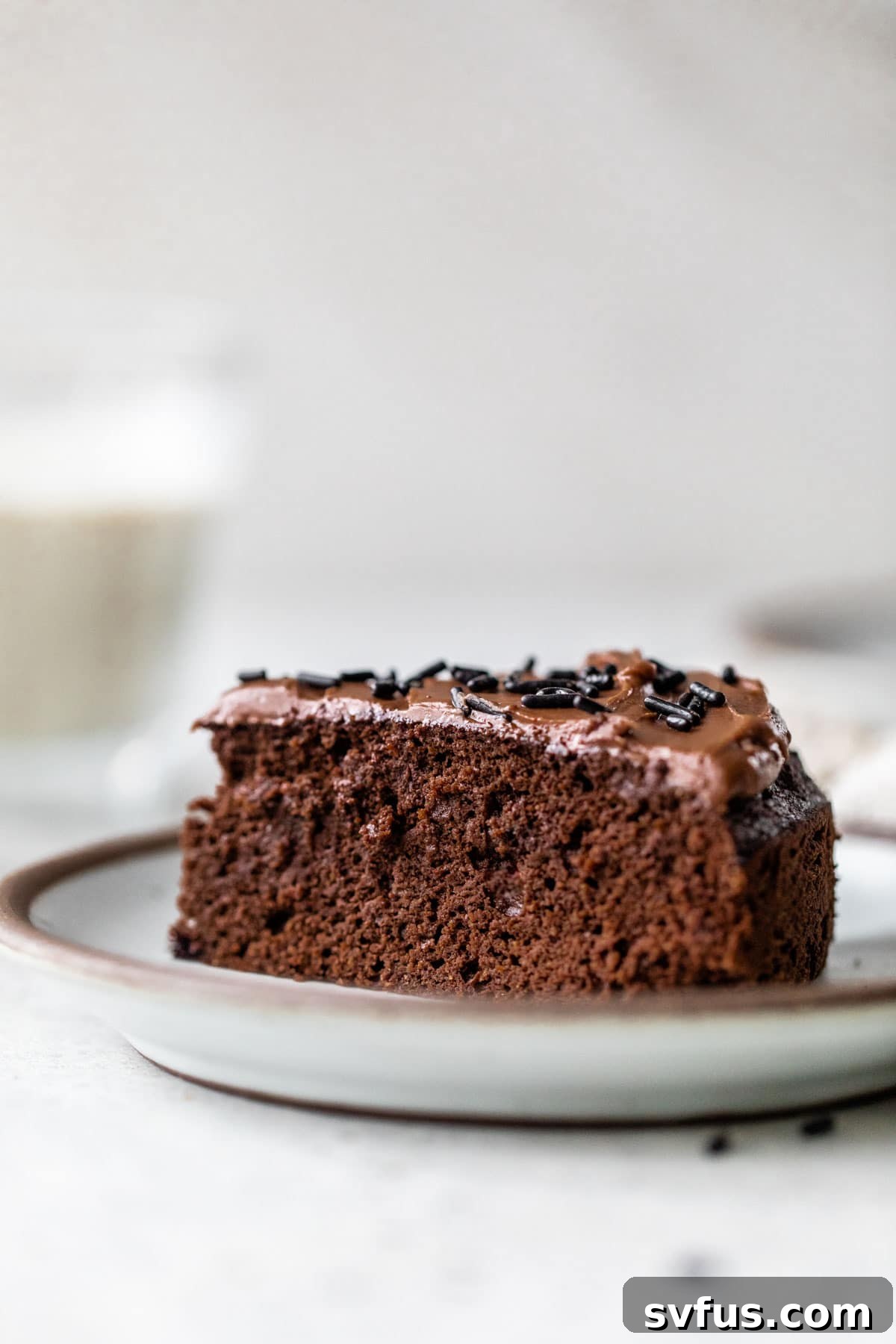
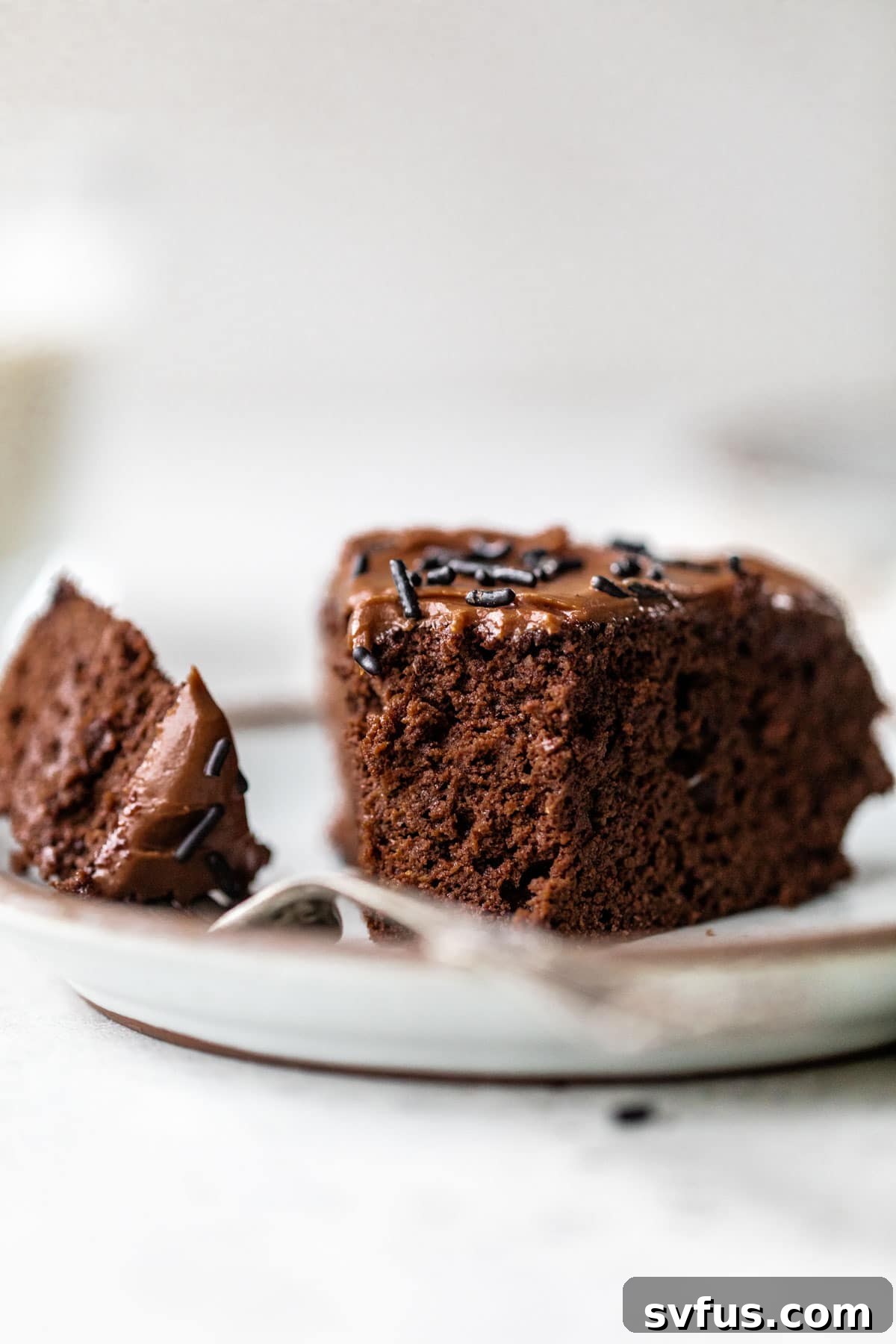
- **Unrivaled Moisture and Fudginess:** Unlike many gluten-free alternatives that can be dry, this cake boasts a super dense, incredibly moist, and wonderfully fudgy texture. It’s truly a chocolate lover’s dream, delivering a rich and satisfying mouthfeel with every bite.
- **Effortlessly Quick & Simple:** Don’t let its gourmet appeal fool you. This recipe is designed for ease, allowing you to whip up a professional-looking and tasting chocolate cake in approximately 30-45 minutes of active preparation and baking time. It’s a testament to the fact that exceptional baking doesn’t have to be complicated.
- **Allergen-Friendly Indulgence:** Thoughtfully crafted to be grain-free, nut-free, gluten-free, and refined sugar-free, this coconut flour chocolate cake is a fantastic option for those with various dietary restrictions or preferences. It makes an inclusive treat that nearly everyone can enjoy without worry.
- **Natural Sweetness:** Utilizing maple syrup as its primary sweetener, this cake avoids refined sugars, offering a natural and subtly complex sweetness that complements the rich chocolate flavors beautifully.
- **Versatile for Any Occasion:** While perfect for birthdays, its straightforward preparation means you can enjoy this decadent dessert for everyday cravings, family gatherings, or any time you desire a wholesome yet indulgent treat.
Table of Contents
- Why You’ll Fall in Love with This Gluten-Free Chocolate Cake:
- The Magic of Coconut Flour in Baking
- Essential Ingredient Notes: What You Need to Know
- Step-by-Step Baking Instructions for Your Perfect Cake
- Erin’s Expert Baking Tips and Tricks
- Pro Tip: Achieving the Perfect Cake Texture
- Delicious Variations to Try
- Coconut Flour Cake FAQs
- Proper Storage for Maximum Freshness
- More Coconut Flour Baked Goods to Explore
- Complete Coconut Flour Chocolate Cake Recipe
The Magic of Coconut Flour in Baking
If you’ve been on the hunt for a truly moist and gloriously fudgy gluten-free chocolate cake, your search ends here. This Coconut Flour Chocolate Cake not only rivals my popular almond flour chocolate cake in ease and deliciousness but elevates the chocolate experience to new heights. Each slice is dense, incredibly decadent, and quite simply, the BEST gluten-free chocolate cake you’ll ever bake.
Coconut flour has earned its place as a cherished staple in my kitchen for its remarkable properties and versatility. It’s my go-to for crafting a wide array of gluten-free and grain-free baked goods, from delightful coconut flour cookies to wholesome coconut flour banana muffins. Its appeal lies not only in its ability to create tender, delicious results but also in its impressive nutritional profile: it’s low in carbohydrates, exceptionally high in fiber, and serves as an excellent, allergen-friendly nut-free flour alternative for many.
A crucial tip for those new to baking with coconut flour: stock up on eggs! This unique flour is extraordinarily absorbent, far more so than traditional wheat flours or even other gluten-free flours like almond flour. While you’ll use a significantly smaller quantity of coconut flour compared to other flours, you compensate for this by needing a generous amount of liquid, often in the form of eggs, to prevent your bake from turning dry. Don’t be alarmed by the requirement for half a dozen eggs for a single cake layer; this is perfectly normal for coconut flour cakes, as they demand ample moisture to achieve their signature fudgy and tender texture. Using room temperature eggs also aids in achieving a smoother batter and better rise.
Essential Ingredient Notes: What You Need to Know
Crafting the perfect Coconut Flour Chocolate Cake begins with understanding the role of each ingredient. Here’s a detailed guide to ensure your baking success:
- **Coconut Flour:** The star of our show! Given its unique super-absorbent nature, there are absolutely no substitutions for coconut flour in this specific recipe. For the best results, always measure it precisely. If you notice any clumps in your packaging, a quick sift will ensure a smooth, even batter. This helps in even hydration and a uniform cake texture.
- **Milk:** I personally opt for soy milk, but this recipe is wonderfully versatile. Feel free to use any dairy-free milk you prefer, such as almond milk, oat milk, or cashew milk. If dairy isn’t a concern, regular cow’s milk works just as well. The key is to add the necessary liquid for a tender crumb.
- **Eggs:** These are paramount for achieving a moist, well-structured coconut flour cake. As coconut flour lacks gluten and is highly absorbent, eggs provide both binding and crucial moisture. For optimal emulsification and a smoother batter, always use room temperature eggs. This allows them to incorporate more easily and evenly into the other ingredients.
- **Maple Syrup:** This natural sweetener provides a lovely depth of flavor without the need for refined sugars. Its liquid form also contributes to the cake’s moisture. For these reasons, I highly recommend sticking with maple syrup for the best outcome. Honey can be a very distant alternative, but it will change the flavor profile and texture slightly.
- **Coconut Oil:** Essential for richness and moisture. It’s vital that your coconut oil is melted but then cooled to room temperature before being added to the batter. Hot oil can cook the eggs, leading to a lumpy or scrambled texture. You have the choice of refined coconut oil (which has a neutral flavor) or unrefined coconut oil (which imparts a noticeable coconut aroma and taste). Choose based on your preference for coconut flavor.
- **Vanilla Extract:** A non-negotiable for enhancing all the other flavors. High-quality pure vanilla extract will significantly elevate the overall taste of your cake, adding warmth and complexity. Don’t skimp on good vanilla!
- **Cocoa Powder:** This is where the rich, intense chocolatey goodness comes from. For a classic, balanced chocolate flavor, use natural unsweetened cocoa powder. If you’re a devoted dark chocolate enthusiast, opt for dark chocolate cocoa powder (often Dutch-processed) to achieve a deeper, less sweet profile.
- **Baking Soda:** A crucial leavening agent. Without it, your cake would be dense and flat. Baking soda reacts with acidic ingredients (like cocoa powder, depending on type, and sometimes milk) to create carbon dioxide, resulting in a beautifully plump, light, and fudgy cake. Ensure it’s fresh for maximum effectiveness.
- **Chocolate Buttercream Frosting Ingredients:** For the ultimate topping, you’ll need softened butter (or a plant-based butter alternative for dairy-free), milk (soy milk or any plant-based/regular milk), pure vanilla extract, powdered sugar (also known as confectioners’ sugar), and cocoa powder. Ensure your butter is softened to room temperature for a smooth, lump-free frosting.
Step-by-Step Baking Instructions for Your Perfect Cake
Follow these detailed steps to create a show-stopping Coconut Flour Chocolate Cake with ease:
Step 1: Prepare Your Pan and Preheat Oven. Begin by preheating your oven to 350°F (175°C). Line an 8-inch or 9-inch round cake pan with parchment paper. This crucial step prevents sticking and ensures your cake releases perfectly. If desired, you can lightly grease the sides of the pan as well.
Step 2: Whisk the Wet Ingredients. In a large mixing bowl, combine the room temperature eggs, milk of choice, maple syrup, cooled melted coconut oil, and vanilla extract. Whisk these ingredients thoroughly until they are completely smooth and well combined. This ensures even distribution of moisture and flavor throughout the cake.
Step 3: Combine the Dry Ingredients. In a separate, medium-sized bowl, add the coconut flour, cocoa powder, baking soda, and salt. Use a whisk or a fork to stir these dry ingredients together until they are thoroughly blended. This prevents pockets of unmixed leavening agent and ensures a uniform rise.
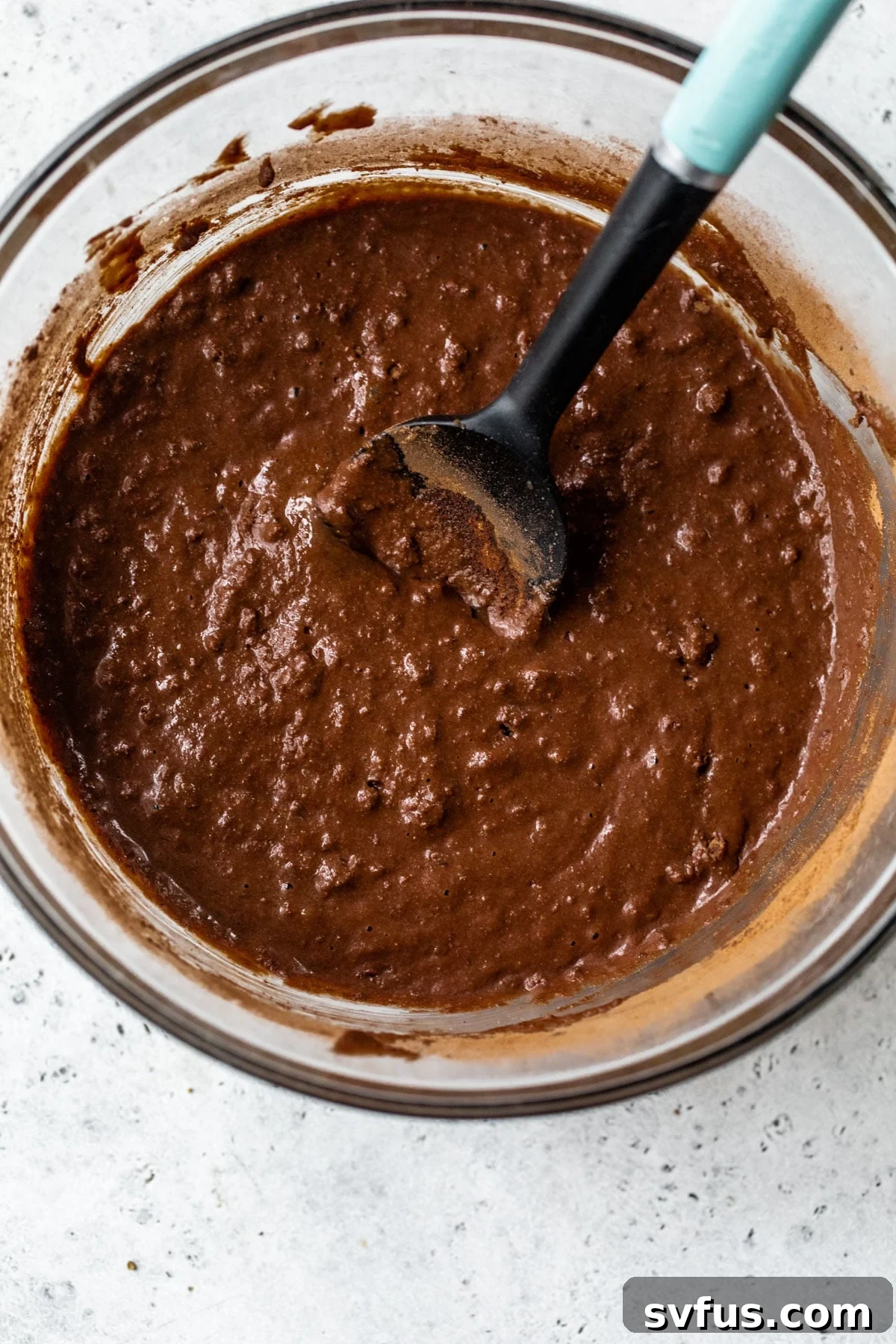
Step 4: Gently Combine Mixtures. Pour the dry ingredient mixture into the wet ingredient mixture. Using a spatula or wooden spoon, GENTLY stir to combine. Mix only until the flour is just incorporated and no dry streaks remain. It’s perfectly fine if the batter appears a little lumpy; over-mixing can develop gluten in regular flour cakes (though not a concern here) and often leads to a tougher texture in delicate gluten-free bakes. Gentle mixing is key for a tender, fudgy cake.
Step 5: Bake and Cool Thoroughly. Pour the prepared batter evenly into your parchment paper-lined cake pan. Place the pan into the preheated oven and bake for 30-34 minutes. The cake is done when a toothpick inserted into the center comes out clean. Once baked, remove the cake from the oven and let it rest in the pan for 10 minutes. This allows the cake to set and prevents it from crumbling. After 10 minutes, carefully invert the cake onto a wire cooling rack to finish cooling completely. It is crucial for the cake to be entirely cool before attempting to frost it; otherwise, your beautiful buttercream will melt.
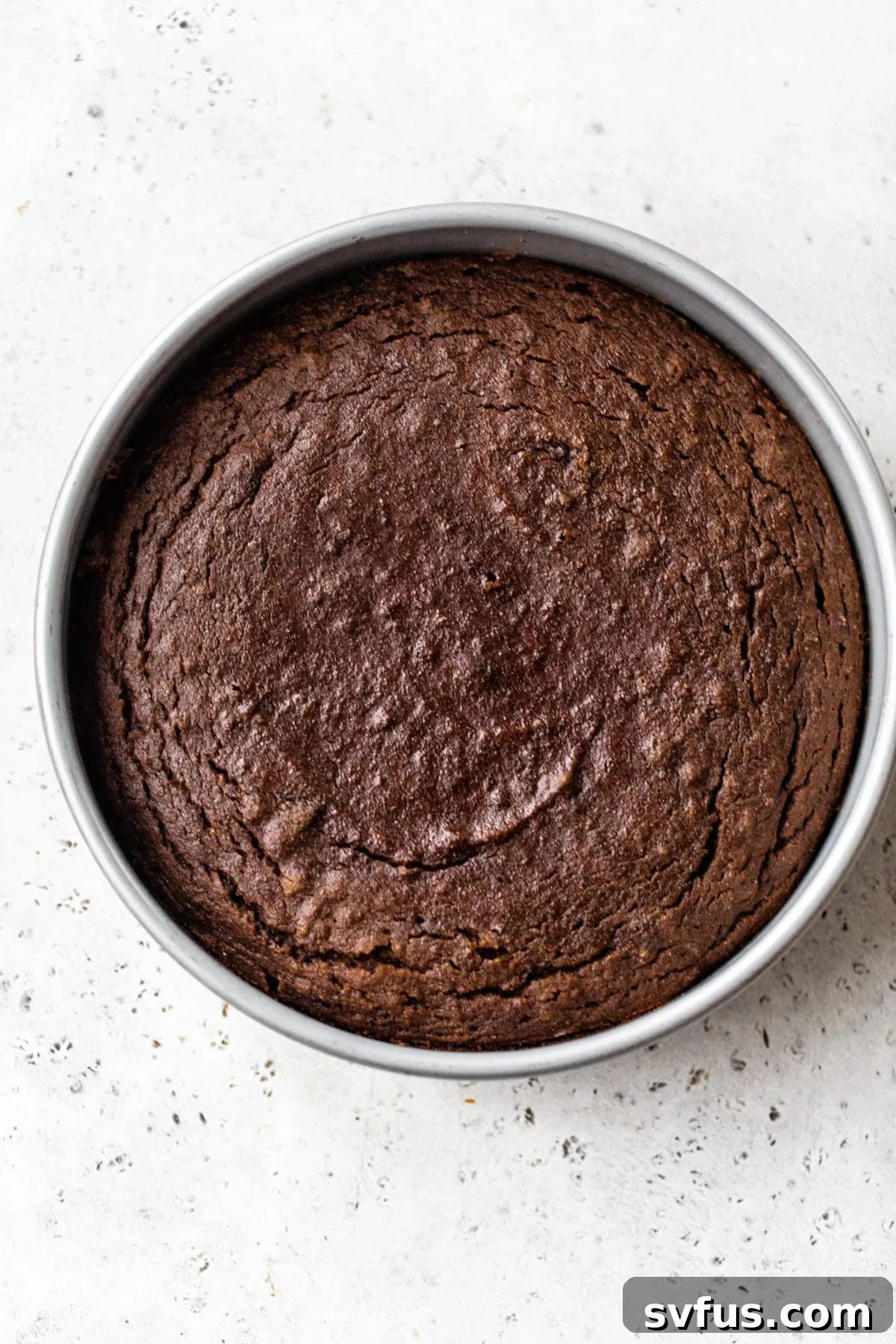
Step 6: Prepare the Decadent Chocolate Buttercream Icing. While the cake cools, prepare your frosting. In a mixing bowl (using a stand mixer with a paddle attachment or a hand mixer for best results), whisk the softened butter, milk, and vanilla extract together until creamy. Gradually add the powdered sugar and cocoa powder, continuing to whisk on low speed until combined, then increase speed to medium-high and beat until the frosting is light, fluffy, and perfectly smooth. Add more milk, a teaspoon at a time, if you desire a thinner consistency.
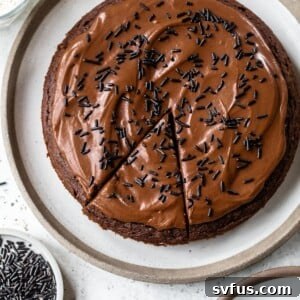
Step 7: Frost, Slice, and Savor! Once your cake is completely cool, transfer it to your desired serving plate. Place a generous dollop of the homemade chocolate buttercream on top. Using an offset spatula or the back of a spoon, carefully spread the icing evenly over the top, creating delightful swirls as you go. For an extra touch of elegance, consider adding chocolate shavings or sprinkles. Now, slice into your masterpiece and enjoy every blissful, fudgy bite!
Erin’s Expert Baking Tips and Tricks
Achieving a perfect Coconut Flour Chocolate Cake is simpler than you think with these insider tips:
- **Parchment Paper is Your Best Friend:** It is absolutely paramount that you line your cake pan with parchment paper before pouring in the batter. This simple step creates a non-stick barrier, guaranteeing that your cake will release cleanly and effortlessly from the pan. Without it, even a well-greased pan might lead to sticking. For an extra layer of security, you can also lightly grease the sides of the pan with a bit of butter or coconut oil.
- **Precision in Measuring Coconut Flour:** Due to its extraordinary absorbency, coconut flour must be measured with utmost precision. Even a slight deviation – too much or too little – can drastically alter the cake’s texture, leading to a dry, crumbly cake or one that’s too wet and dense. Always use a kitchen scale for the most accurate measurement, or at minimum, the spoon-and-level method for volume measurements.
- **Embrace the Layer Cake Experience:** To transform this delicious single-layer cake into an impressive tiered celebration, simply double both the cake and frosting recipes. Divide the batter evenly between two 8-inch round cake pans (ensuring both are meticulously lined with parchment paper) and bake according to the recipe instructions, adjusting baking time slightly if needed for the thinner layers. Once cooled, you can stack and frost your beautiful creation.
- **Room Temperature Ingredients Matter:** For both the cake and the frosting, using room temperature ingredients (especially eggs and butter) is vital. They emulsify better, creating a smoother, more uniform batter and a creamier, lump-free frosting. Plan ahead by taking eggs and butter out of the refrigerator at least 30-60 minutes before you begin baking.
My Pro Tip
Pro Tip: Achieving the Perfect Cake Texture
**Do not over-mix the batter.** The secret to a soft, tender, and perfectly fudgy coconut flour cake lies in a gentle hand. Stirring and whisking the ingredients together by hand is highly recommended. Using an electric mixer, while convenient, significantly increases the risk of over-mixing, which can lead to a denser, tougher cake. Mix only until the dry ingredients are *just* combined with the wet ingredients. It’s absolutely okay if the batter still has a few small lumps; these will disappear during baking, and the cake will retain its desired delicate texture.
Delicious Variations to Try
This Coconut Flour Chocolate Cake is incredibly adaptable! Here are some ideas to customize it to your dietary needs and preferences:
- **Vegan:** While this recipe traditionally uses eggs, you can experiment with vegan egg replacements. Flax eggs (1 tbsp ground flaxseed + 3 tbsp water per egg, let sit for 5 minutes) or commercial vegan egg replacers may work, though the highly absorbent nature of coconut flour means thorough testing might be needed for optimal results. For the frosting, easily substitute the butter with your favorite plant-based butter and ensure you use a dairy-free milk to create a delightful vegan buttercream frosting.
- **Paleo:** To make this cake entirely paleo-friendly, ensure your chosen milk is compliant (almond milk or coconut milk are excellent choices). For the frosting, swap out the traditional buttercream for a paleo-friendly alternative, such as a frosting made with cashew cream, avocado, or a combination of coconut cream and a paleo sweetener.
- **Keto:** Significantly slash the carbohydrate count to make this cake suitable for a ketogenic diet by replacing the maple syrup with a keto-friendly liquid sweetener. Erythritol syrup or a monk fruit blend are popular choices that can provide sweetness without the carbs. You’ll also want to use a keto-friendly powdered sweetener for the frosting, like powdered erythritol or allulose, and a keto-compliant milk option.
- **Spiced Chocolate Cake:** Add a touch of warmth by incorporating 1/2 teaspoon of cinnamon or a pinch of cayenne pepper for a subtle Mexican hot chocolate twist.
- **Orange Zest Infusion:** For a brighter, citrusy note, fold in 1-2 teaspoons of fresh orange zest into the batter. Chocolate and orange are a classic pairing!
Coconut Flour Cake FAQs
No, absolutely not. Coconut flour is dramatically different from almond flour in terms of absorbency and delicate texture. Substituting almond flour directly would fundamentally change the liquid ratios and result in a completely different, likely unsuccessful, cake. If you prefer to bake with almond flour, I highly recommend checking out my dedicated almond flour chocolate cake recipe, which is specifically formulated for that flour.
This recipe was developed and tested using an 8-inch round cake pan. This size ensures the cake bakes to the ideal thickness and consistency. You can, however, use a 6-inch or 9-inch round cake pan instead. If using a 6-inch pan, the cake will be thicker and may require a slightly longer baking time. If using a 9-inch pan, the cake will be thinner and may bake a bit faster. Always keep a close eye on the oven and perform the toothpick test to confirm doneness.
A dry coconut flour cake is usually due to one of two main reasons:
- **Too much coconut flour:** Coconut flour is incredibly absorbent. Even a small excess can soak up too much moisture. Always measure accurately, ideally by weight.
- **Over-baking:** Coconut flour bakes relatively quickly. Baking for too long will dry it out. Start checking for doneness at the lower end of the recommended baking time with the toothpick test.
- **Not enough eggs/liquid:** Eggs are crucial for moisture in coconut flour recipes. Ensure you’re using the correct number and that they are room temperature for better incorporation.
While maple syrup is recommended for its unique flavor and liquid contribution, you can experiment with other liquid sweeteners. Agave nectar could be a substitute, but it may alter the taste slightly. Granulated sweeteners like erythritol or stevia (for keto) would require careful adjustments to the liquid content in the recipe to maintain the right batter consistency and prevent dryness. It’s best to stick to maple syrup for the intended texture and flavor.
Proper Storage for Maximum Freshness
To ensure your delightful Coconut Flour Chocolate Cake remains moist and delicious, proper storage is key:
- **Room Temperature:** If your cake is unfrosted or frosted with a buttercream that is stable at room temperature, it can be kept at room temperature for 1 to 2 days. Store it under a cake dome or in an airtight container to prevent it from drying out.
- **Refrigerator:** For longer freshness, especially if frosted with dairy-based buttercream or in warmer climates, store the coconut flour cake in an airtight container in the refrigerator for up to 1 week. Bring slices to room temperature for about 15-20 minutes before serving for the best flavor and texture.
- **Freezer:** This cake freezes beautifully! Wrap the baked, unfrosted cake (either whole or individual slices) tightly in a couple of layers of plastic wrap, then an additional layer of aluminum foil. Freeze for up to 3 months. When you’re ready to enjoy, thaw the cake completely at room temperature or in the refrigerator before adding the icing. This method is excellent for meal prepping desserts or saving leftovers.
More Coconut Flour Baked Goods to Explore
If you’ve fallen in love with baking with coconut flour, you’re in for a treat! This versatile ingredient opens up a world of delicious, gluten-free possibilities. Explore more of my favorite recipes that celebrate the unique texture and benefits of coconut flour:
GFGluten Free
DFDairy Free
PPaleo
Coconut Flour Banana Muffins
These incredibly moist and naturally sweet muffins are perfect for breakfast or a healthy snack, showcasing coconut flour’s ability to create tender baked goods.
GFGluten Free
DFDairy Free
Classic Coconut Flour Cake
For those who love a classic, this simple coconut flour cake is wonderfully light and airy, proving coconut flour isn’t just for chocolate!
GFGluten Free
Chewy Coconut Flour Cookies
Craving cookies? These soft and chewy coconut flour cookies are a perfect gluten-free alternative to traditional chocolate chip cookies.
GFGluten Free
DFDairy Free
PPaleo
Gluten Free Zucchini Bread
Although not exclusively coconut flour, this recipe often uses a blend that includes coconut flour, offering a delicious and wholesome way to use up garden zucchini.
If you made this incredibly fudgy and delicious Coconut Flour Chocolate Cake, please consider leaving a comment and a star rating below. Your feedback helps other bakers in our community!
Coconut Flour Chocolate Cake
Erin Alvarez
8
15
30
45
Video
Ingredients
- 5 large eggs
- ¾ cup soy milk, or milk of your choice (dairy or non-dairy)
- ½ cup maple syrup
- ⅓ cup coconut oil, melted and cooled to room temperature
- 2 tsp pure vanilla extract
- ¾ cup coconut flour, sifted if clumpy
- ⅔ cup unsweetened cocoa powder, or dark cocoa powder for a deeper flavor
- ½ tsp baking soda
- ½ tsp fine sea salt
For the Homemade Chocolate Buttercream Frosting:
- 2 tbsp unsalted butter, softened (or dairy-free butter alternative)
- 1 tbsp soy milk, or more as needed (any milk type works)
- ¼ tsp pure vanilla extract
- 1 ¼ cup powdered sugar, sifted
- 2 tbsp unsweetened cocoa powder
Instructions
-
Preheat your oven to 350°F (175°C). Line one 8-inch or 9-inch round cake pan with parchment paper and lightly grease the sides. Set aside.
-
In a large mixing bowl, whisk together the room temperature eggs, milk, maple syrup, cooled melted coconut oil, and vanilla extract until the mixture is completely smooth and thoroughly combined.
-
In a separate medium bowl, combine the coconut flour, cocoa powder, baking soda, and salt. Stir these dry ingredients together with a whisk until they are evenly distributed.
-
Pour the dry ingredients into the wet mixture. GENTLY stir by hand until the flour is just incorporated into the wet ingredients. Avoid over-mixing; a few small lumps are perfectly fine and will contribute to a tender, fudgy cake.
-
Pour the batter into your prepared cake pan. Bake for 30-34 minutes, or until a wooden toothpick inserted into the center of the cake comes out clean. Let the cake cool in the pan for 10 minutes before carefully inverting it onto a wire cooling rack to cool completely. Ensure the cake is fully cooled before proceeding to frost.
-
**For the Frosting:** In a mixing bowl with a stand or hand mixer, whisk the softened butter, milk, and vanilla together until creamy. Gradually add the sifted powdered sugar and cocoa powder, starting on low speed to avoid a cloud of sugar, then increase to medium-high and beat until the frosting is light, fluffy, and smooth. Add more milk, a teaspoon at a time, if a thinner consistency is desired.
-
Once the cake is completely cool, transfer it to a serving plate. Spoon a generous dollop of icing on top, then use an offset spatula or the back of a spoon to spread it evenly over the cake. Slice and enjoy your incredible Coconut Flour Chocolate Cake!
Notes
*Storage:
- Room temperature: Coconut flour chocolate cake can be kept at room temperature for 1 to 2 days in an airtight container.
- Refrigerator: Store the cake in an airtight container in the refrigerator for up to 1 week.
- Freezer: Wrap the baked, unfrosted cake (whole or individual slices) tightly in plastic wrap and then foil. Freeze for up to 3 months. Thaw completely before frosting and serving.
Nutrition
Carbohydrates: 45g |
Protein: 7g |
Fat: 18g |
Saturated Fat: 13g |
Polyunsaturated Fat: 1g |
Monounsaturated Fat: 3g |
Trans Fat: 1g |
Cholesterol: 110mg |
Sodium: 318mg |
Potassium: 248mg |
Fiber: 7g |
Sugar: 32g |
Vitamin A: 330IU |
Vitamin C: 2mg |
Calcium: 83mg |
Iron: 2mg
Nutrition information is automatically calculated, so should only be used as an approximation.