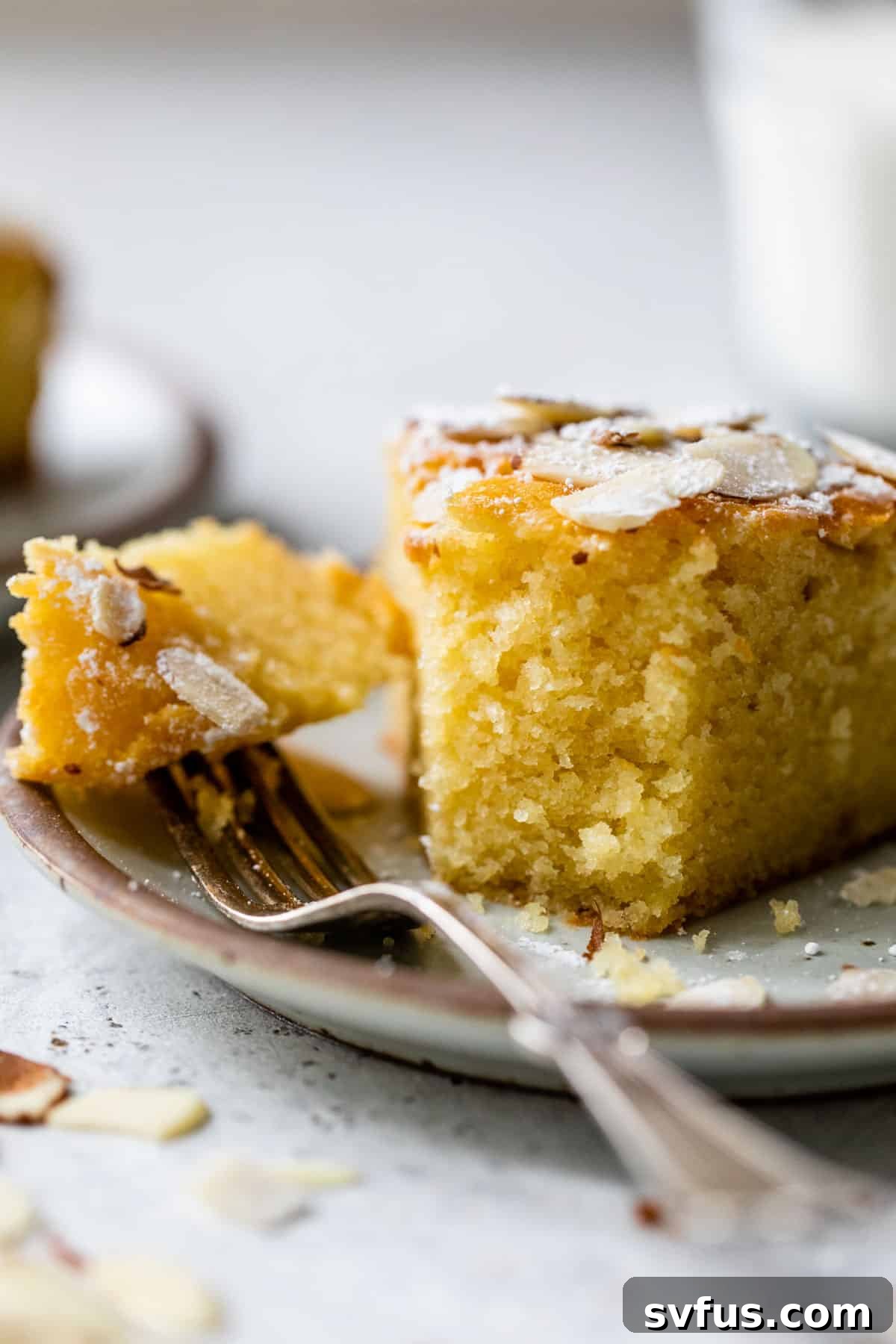
Indulge in a truly exquisite dessert with this sensational Almond Ricotta Cake. This Italian-inspired masterpiece boasts a moist, tender crumb infused with warm almond flavors, creating a melt-in-your-mouth experience that’s simply irresistible. Perfect for any occasion, this decadent cake can be prepared in approximately one hour, making it an accessible luxury for home bakers.
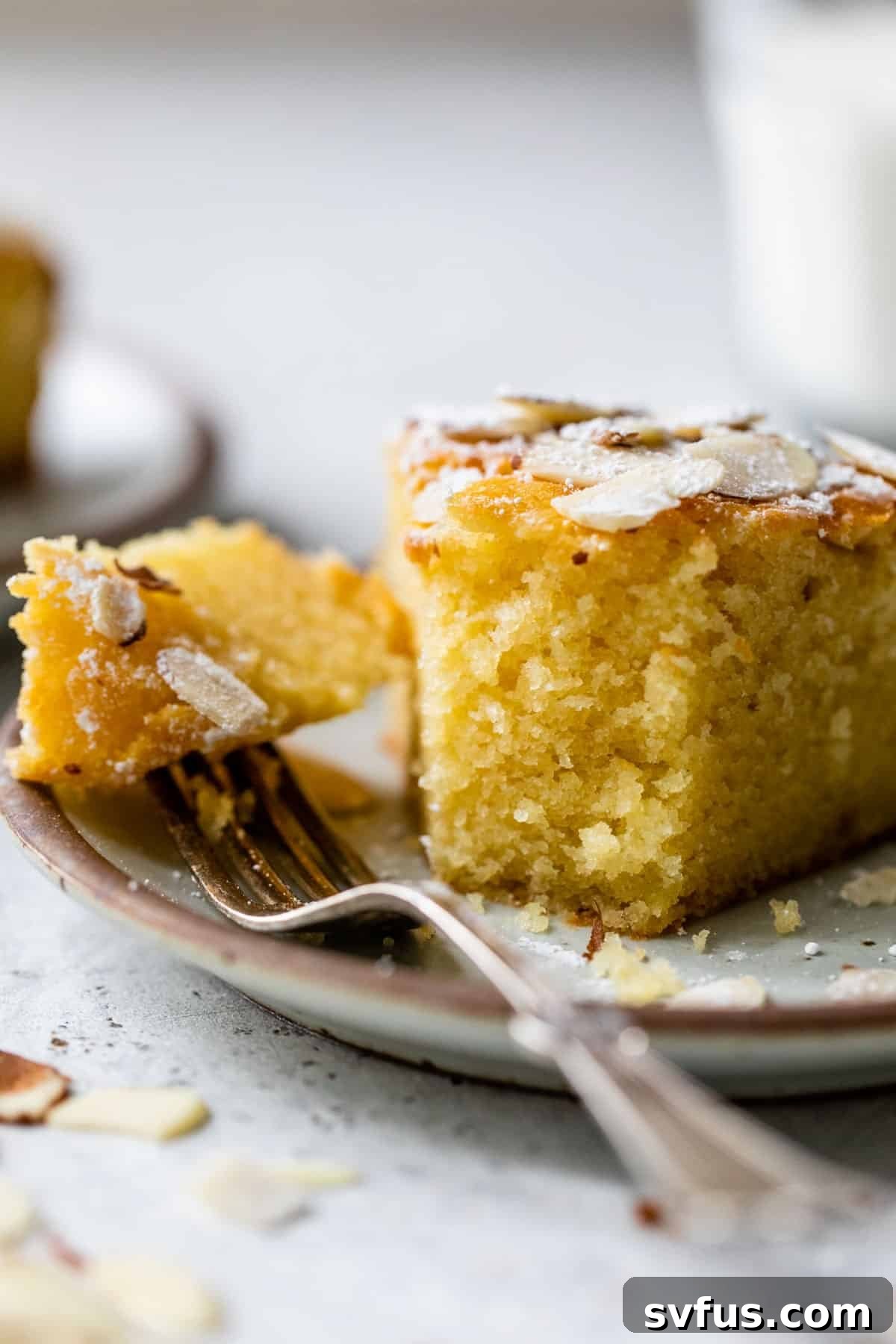
Imagine the rich creaminess of a classic cheesecake blended with the delicate, nutty essence of almond cupcakes – that’s precisely the harmonious fusion you’ll find in this Almond Ricotta Cake. It strikes a remarkable balance, offering a dessert that feels both light and intensely satisfying. This isn’t just a cake; it’s an experience, a delightful culinary journey that transports your taste buds straight to the heart of Italy with every forkful.
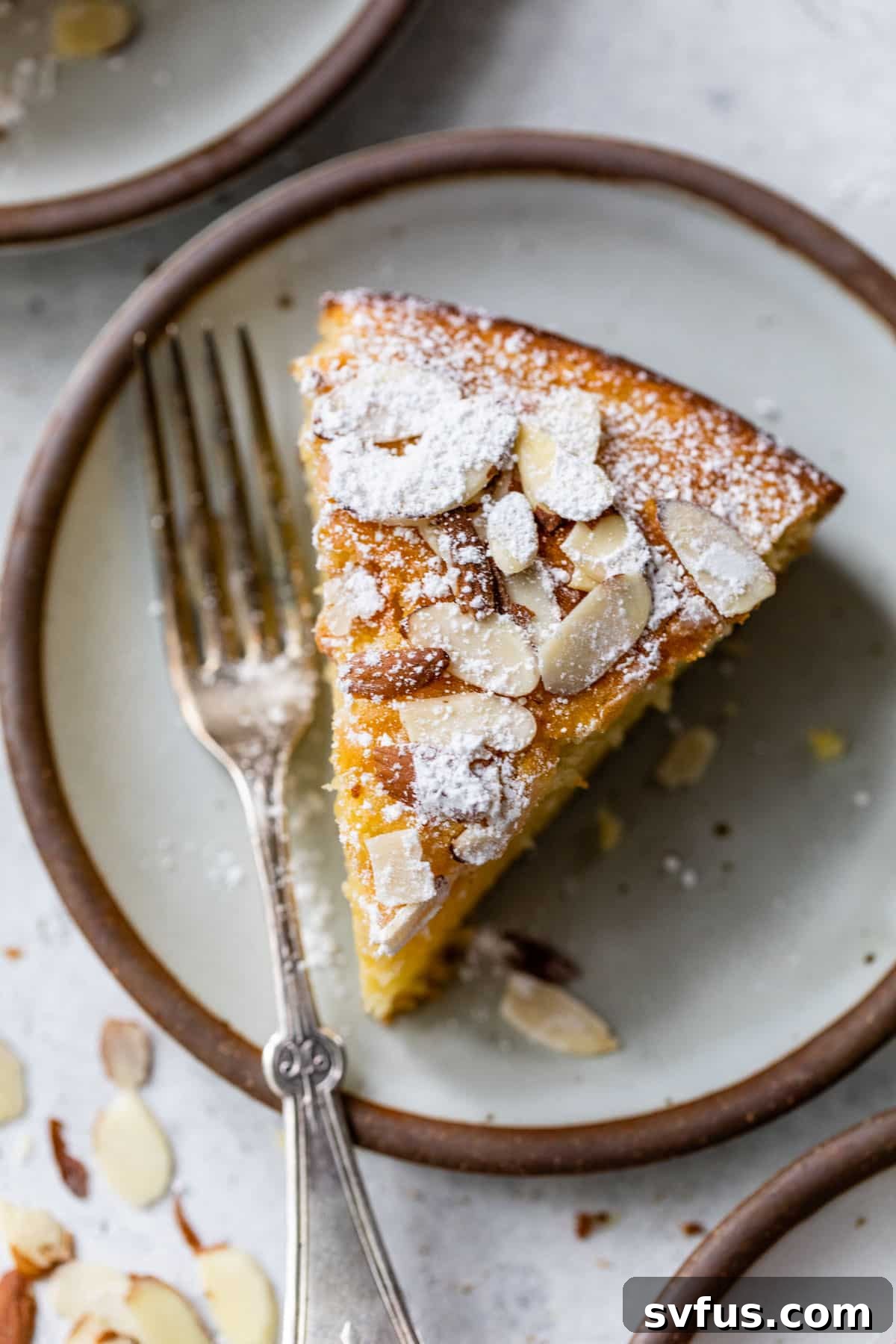
The secret behind this cake’s unparalleled texture lies, quite literally, in its star ingredient: ricotta cheese. This mild, creamy Italian cheese works wonders, imparting a luscious, cheesecake-like moistness without ever weighing down the batter. The result is a cake that is wonderfully airy, yet undeniably rich. Subtly perfumed with both almond and vanilla extracts, and elegantly adorned with toasted almond slices and a delicate dusting of powdered sugar, this ricotta cake is a dessert marvel that no one can resist.
Why This Almond Ricotta Cake Will Become Your New Favorite
This Almond Ricotta Cake isn’t just another recipe; it’s a revelation that promises to elevate your dessert repertoire. Here’s why you’ll fall in love with it:
- Unforgettable Moistness: Prepare to redefine your expectations of cake. One bite of this ultra-moist dessert, and you’ll discover the transformative power of ricotta cheese in baking. Its creamy presence ensures a tender, juicy crumb that stays fresh longer.
- Decadent Yet Light: It’s truly a magic trick in the world of baking. This cake manages to be incredibly rich, indulgent, and decadent, while simultaneously feeling surprisingly light and airy. It’s the perfect balance for those who crave a luxurious dessert without the heavy feeling.
- Effortless Elegance: This easy-to-bake, single-layer cake is deceptively simple to prepare, yet presents beautifully. Whether you’re seeking a comforting treat for everyday snacking, a sophisticated finale for a dinner party, or a delightful addition to special events, it fits every occasion. Imagine serving it after a hearty lentil lasagna or a flavorful eggplant parmesan for a complete Italian-inspired meal.
- Flavor Harmony: The subtle warmth of almond paired with the sweet undertones of vanilla creates a captivating flavor profile that is both comforting and refined. It’s a taste that lingers pleasantly, inviting you back for another slice.
Essential Ingredients for Your Almond Ricotta Cake
Crafting this incredible Almond Ricotta Cake begins with selecting the right ingredients. Each component plays a vital role in achieving its signature flavor and texture:
- Ricotta Cheese: This is the star! For the most luxurious, creamiest, and richest crumb, always opt for whole milk ricotta cheese. While part-skim ricotta can be used, be aware that your cake may not achieve the same level of decadent moistness. Whole milk ricotta provides the essential fat content that contributes to the cake’s melt-in-your-mouth quality.
- Almond and Vanilla Extract: The harmonious blend of both almond extract and vanilla extract is key to this cake’s elegant flavor. The almond extract provides that distinct, nutty warmth, while vanilla extract adds a layer of sweet, comforting depth, creating a beautifully balanced aromatic profile.
- All-Purpose Flour: Standard all-purpose flour works perfectly here, providing the structural base for the cake. While I haven’t personally tested it, whole wheat flour might offer a denser crumb but could work. For those looking for gluten-free options, a 1:1 gluten-free baking flour blend is likely to be a suitable substitute, though results may vary slightly. It’s crucial to *not* use almond flour in place of regular flour, as its different moisture absorption properties will significantly alter the cake’s delicate texture.
- Sliced Almonds: These are primarily for decorating the top of the cake, adding a beautiful visual appeal and a slight textural contrast. For an extra layer of almond flavor and a delightful crunch within the cake itself, feel free to gently fold an additional 1/4 cup of sliced almonds directly into the batter before baking.
- Unsalted Butter & Granulated Sugar: These form the creamy base of the cake, providing richness and sweetness. Ensure your butter is softened to room temperature for optimal creaming.
- Eggs: Essential for binding the ingredients and adding structure and richness. Make sure they are at room temperature for better emulsification with the butter and sugar.
- Baking Powder & Baking Soda: These leavening agents work together to give the cake its light and airy lift, preventing it from becoming too dense.
- Salt: A pinch of salt enhances all the other flavors, balancing the sweetness and bringing out the nutty almond notes.
- Powdered Sugar: The final touch for garnish, creating a delicate, snowy finish that’s both elegant and delicious.
Step-by-Step Guide to Baking Your Perfect Almond Ricotta Cake
Creating this delightful Almond Ricotta Cake is a straightforward process. Follow these simple steps for a truly rewarding baking experience:
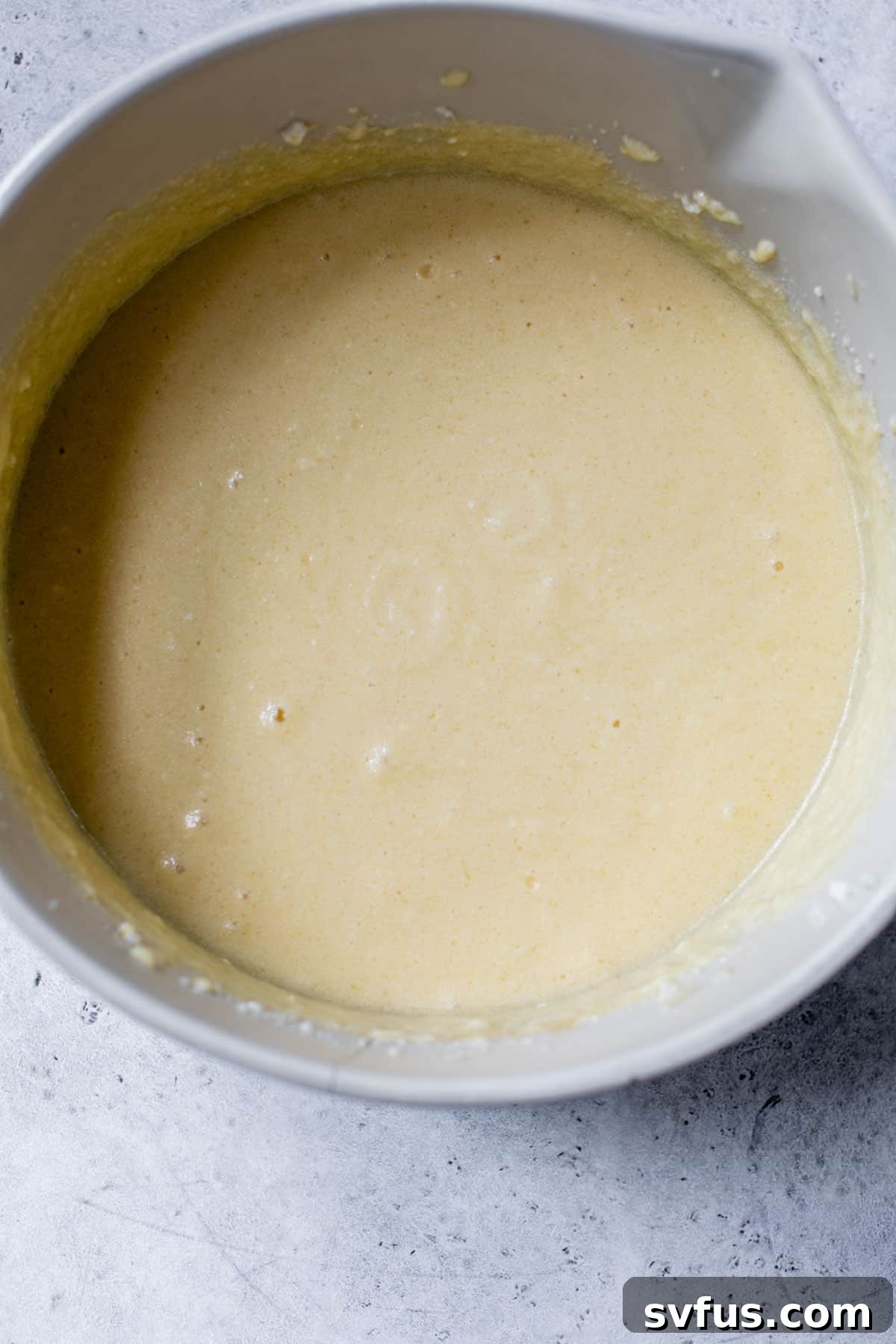
Step 1: Prepare Your Wet Ingredients. In a large mixing bowl, begin by creaming together the softened unsalted butter and granulated sugar until the mixture is light, fluffy, and pale in color – this usually takes about 2 minutes with an electric mixer. Next, add the whole milk ricotta cheese and continue mixing for another minute until thoroughly incorporated and the mixture appears light and airy. Incorporate the eggs one at a time, beating well after each addition until fully combined. Finish this stage by mixing in the vanilla extract and almond extract, ensuring they are evenly distributed throughout the batter.
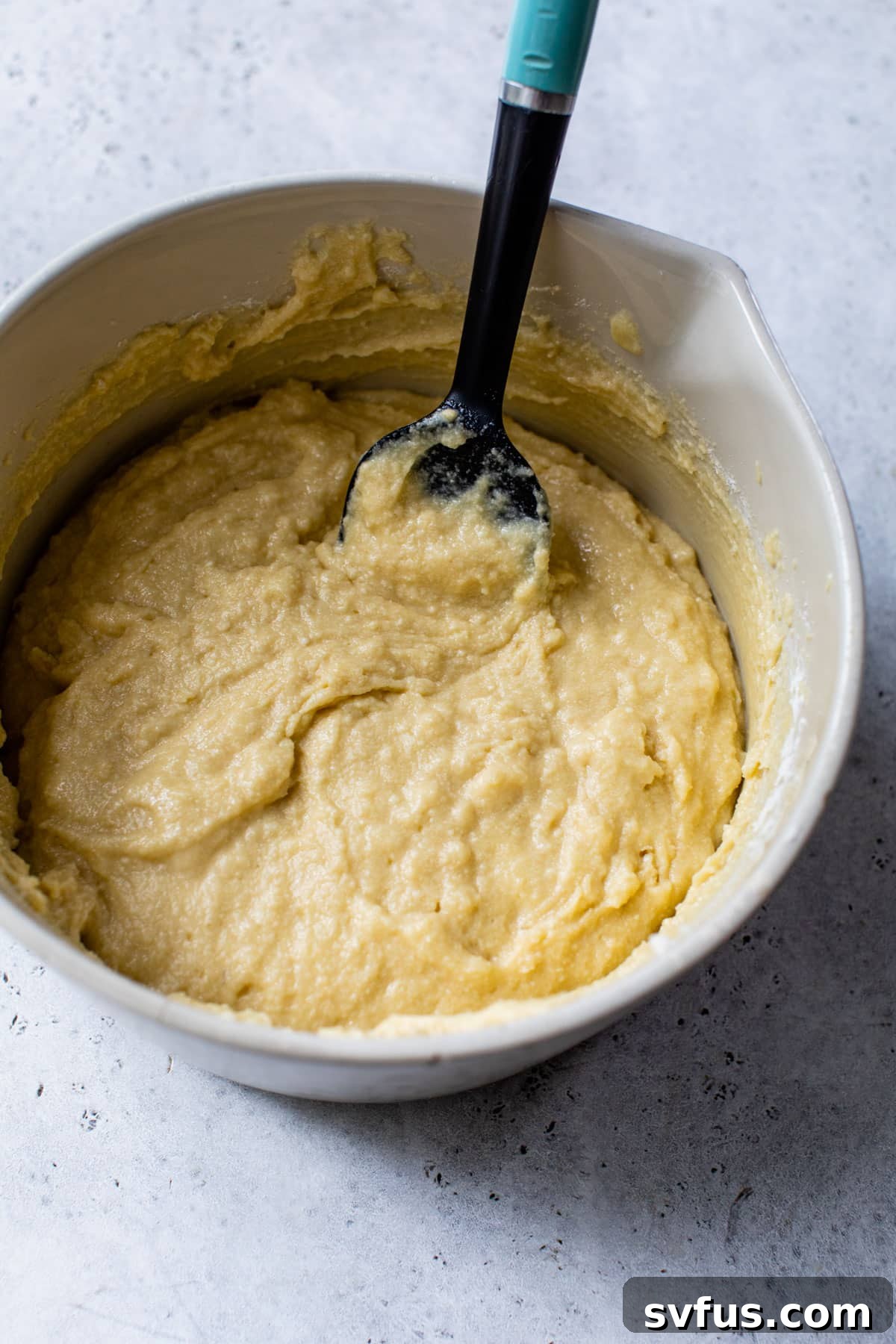
Step 2: Combine Dry and Wet Ingredients. In a separate medium bowl, whisk together all the dry ingredients: all-purpose flour, baking powder, baking soda, and salt. This ensures even distribution of the leavening agents. Gradually add this dry mixture to the bowl containing your wet ingredients. Using a large spatula, gently fold the ingredients together. Mix until just combined and no streaks of dry flour remain. Be careful not to overmix the batter, as this can lead to a dense, tough cake.
Step 3: Bake to Golden Perfection. Preheat your oven to 350°F (175°C) and generously grease a 9-inch springform pan with nonstick spray. Pour the prepared cake batter evenly into the springform pan. Bake for approximately 50-60 minutes, or until a wooden toothpick inserted into the center of the cake comes out clean. If you notice the top browning too quickly during the last few minutes of baking, loosely tent the pan with a sheet of aluminum foil to prevent over-browning. Once baked, remove the cake from the oven and allow it to cool in the springform pan for about 15 minutes before carefully releasing the sides and transferring it to a wire rack to cool completely. While still warm or after cooling, sprinkle the top with the sliced almonds.
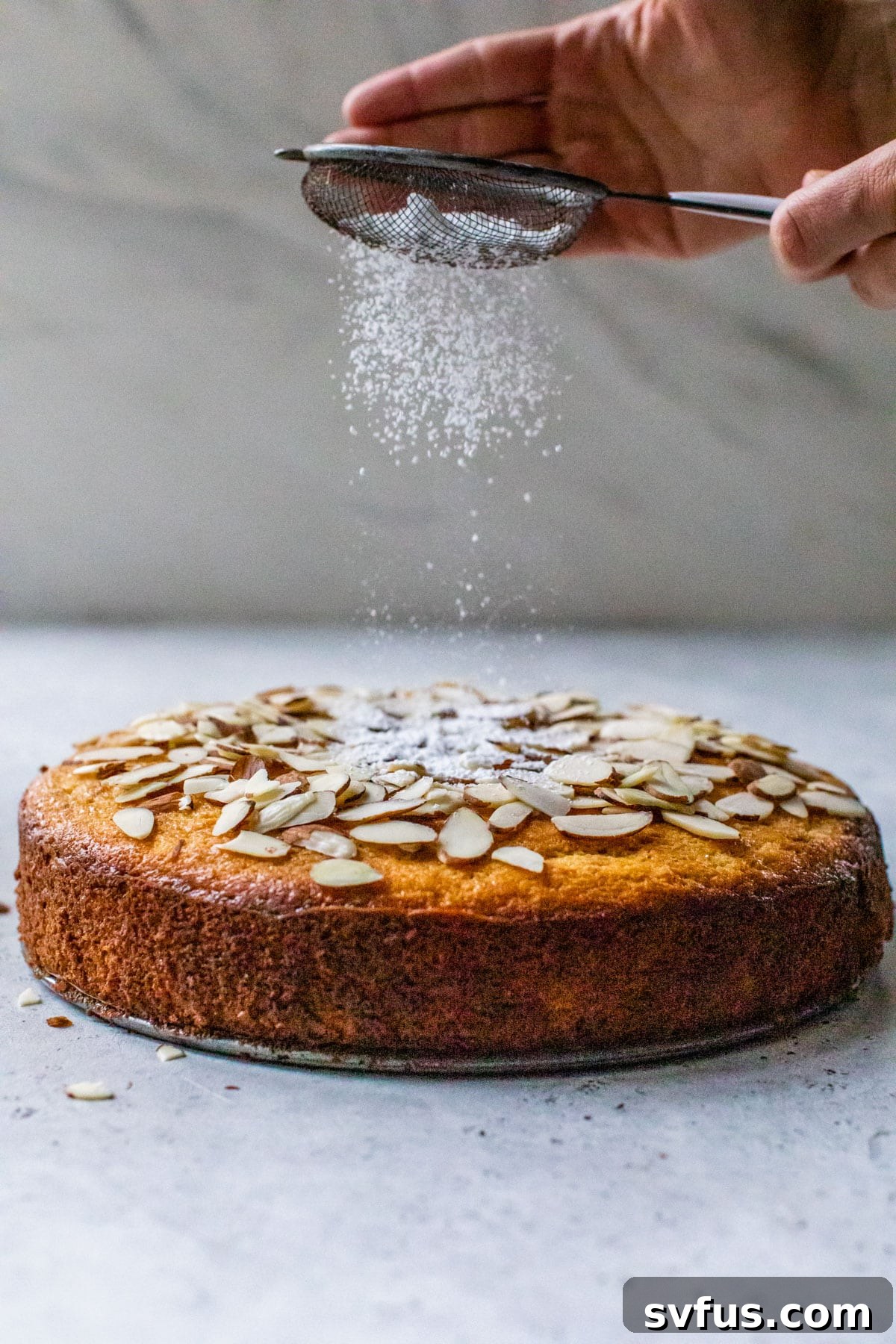
Step 4: Decorate, Slice, and Savor. Once the almond ricotta cake has fully cooled to room temperature, it’s time for the finishing touches. Dust the entire top surface with a generous layer of powdered sugar using a fine-mesh sieve for an elegant, snowy effect. Carefully slice the cake into portions, serve with a warm cup of tea or freshly brewed coffee, and prepare to enjoy this truly special homemade dessert!
Expert Tips and Frequently Asked Questions
Achieve baking perfection with these valuable tips and answers to common questions about your Almond Ricotta Cake:
- Room Temperature Ingredients are Key: For the best results, always ensure your eggs and ricotta cheese are at room temperature before you begin mixing. Take them out of the refrigerator at least 30 minutes (or even an hour) before you plan to start baking. Room temperature ingredients emulsify better, creating a smoother, more uniform batter and a lighter, more consistent cake texture.
- Avoid Overmixing: This is a golden rule in baking, especially for cakes. Once you add the dry ingredients to the wet, mix only until the flour is just incorporated and no dry streaks remain. Overmixing develops the gluten in the flour, leading to a dense, tough, and less tender cake. Gentle folding with a spatula is often best at this stage.
- Toast Your Almonds: To truly unlock their rich, nutty flavor, take a few minutes to lightly toast your sliced almonds in a dry skillet over medium-low heat. Keep them moving constantly to prevent burning. This simple step brings out their hidden flavors and natural oils, adding another layer of depth to your cake’s garnish.
- Creative Topping Ideas: While powdered sugar is a classic and elegant finish, feel free to get creative! You could drizzle a light lemon glaze (lemon juice mixed with powdered sugar) for a bright contrast, or even use a creamy frosting, like the one from my almond sugar cookie recipe, for a more indulgent topping. Melted white chocolate is another delightful option.
- Test for Doneness Properly: A toothpick inserted into the center of the cake should come out clean, or with a few moist crumbs attached, but not wet batter. Avoid repeatedly opening the oven door, as temperature fluctuations can cause the cake to sink.
- Cooling is Crucial: Allow the cake to cool in the pan for the recommended 15 minutes before transferring it to a wire rack. This allows the delicate structure to set. Cooling completely on a wire rack prevents condensation, which can make the bottom of the cake soggy.
Baker’s Tip
If you notice the top of your cake browning a little too quickly during the final stages of baking, don’t fret! Simply create a loose tent with a sheet of aluminum foil and place it over the springform pan. This will shield the top from direct heat, allowing the inside to cook through without over-browning the crust.
Delicious Variations to Try
While the classic Almond Ricotta Cake is sublime on its own, it also serves as a fantastic canvas for creative adaptations. Here are some delightful variations to explore:
- Lemon Ricotta Cake: For a bright, zesty twist, simply replace the almond extract with an equal amount of lemon extract. To intensify the citrus notes, fold in 1 to 1 ½ tablespoons of fresh lemon zest into the batter along with the wet ingredients. A lemon glaze made from powdered sugar and lemon juice would be the perfect finish.
- Vanilla Ricotta Cake: If you prefer a pure, comforting vanilla flavor, omit the almond extract and sliced almonds entirely from the recipe. Instead, increase the vanilla extract to 1 ½ teaspoons for a pronounced yet delicate vanilla essence.
- Mix-in Ideas: Elevate the texture and flavor by folding in up to 1/4 cup of your favorite mix-ins into the cake batter. Consider chopped almonds or other crushed nuts like pistachios or walnuts for extra crunch. Freshly grated citrus zest (orange or lime), fresh blueberries, or even white chocolate chips can add wonderful bursts of flavor and moisture.
- Gluten-Free Version: For those with dietary considerations, a gluten-free adaptation is possible. Although not personally tested with this specific recipe, a 1:1 gluten-free baking flour blend is generally a reliable substitute for all-purpose flour in most cake recipes. Ensure the blend contains xanthan gum for structure.
- Spice it Up: Add a pinch of cinnamon or nutmeg to the dry ingredients for a warmer, spicier profile, especially wonderful during cooler months.
What Does Ricotta Do in Baked Goods?
Ricotta cheese is a true secret weapon in baking, known for its ability to transform ordinary desserts into extraordinary ones. Its mild, subtly sweet flavor and inherently smooth, creamy texture make it an ideal addition to a wide range of baked goods, from cakes to cheesecakes and pastries.
The magic of baking with ricotta lies in how it interacts with the other ingredients. When whipped before incorporating other elements, ricotta creates a light, fluffy, and airy base for your batter. This aeration, combined with the cheese’s natural fat and moisture content, prevents baked goods from becoming dry or heavy. Instead, it locks in incredible moisture and tenderness.
After baking, the ricotta works its enchantment, resulting in a dessert with a unique, delightful texture that is simultaneously light and fluffy, yet boasts a rich, pudding-like moistness. It provides a luxurious mouthfeel that is distinct from butter-based cakes, making for a truly memorable culinary experience. This isn’t just about adding flavor; it’s about fundamentally enhancing the cake’s structure and sensory appeal.
I Don’t Have Ricotta. What Can I Use Instead?
While ricotta cheese is undeniably the star for its unique texture and mild flavor in this recipe, if you find yourself without it, there are a few alternatives you might consider. Although I haven’t personally tested these substitutions in this specific cake, regular cottage cheese is generally considered a viable stand-in due to its similar mild, tangy flavor and creamy consistency.
However, there are a couple of important considerations when using cottage cheese: it is typically lumpier and contains more liquid than ricotta. To achieve a texture closer to ricotta, you should first drain any excess liquid from the cottage cheese. You may also want to blend it briefly in a food processor until it reaches a smoother consistency to mimic ricotta’s fine curds. Keep in mind that while it will provide moisture and a dairy richness, the final cake texture might differ slightly from one made with traditional ricotta.
Another potential alternative could be mascarpone cheese, though it is much richer and denser. If using mascarpone, you might need to adjust the fat content in the recipe by slightly reducing the butter. However, for the authentic light and creamy result of an Almond Ricotta Cake, procuring ricotta is highly recommended.
Do I Have to Use a Springform Pan?
For this Almond Ricotta Cake, I highly recommend using a springform pan, and here’s why. This cake, with its delightful moistness and delicate crumb, is quite tender once baked. The unique design of a springform pan, with its removable sides that can be unlatched, allows you to easily remove the cake from the pan without having to invert it. This significantly reduces the risk of the cake crumbling, breaking, or sticking to the pan, ensuring your beautifully baked creation remains intact and perfect for serving. While a regular round cake pan could technically work, you would need to be extremely careful when inverting and transferring the cake, and there’s a higher chance of damaging its delicate structure. Investing in a good quality 9-inch springform pan is a wise choice for recipes like this one.
Why Did My Ricotta Cake Sink in the Middle?
A sunken cake middle can be disheartening, but it’s a common baking issue often linked to a few factors, especially with moisture-heavy cakes like our ricotta cake. The most frequent culprit is usually related to the pan size and the cake’s internal structure.
This almond ricotta cake has a significant moisture content, which is what gives it its incredible richness and tender crumb. If you bake it in a pan that is too small (e.g., smaller than a 9-inch springform pan), the batter will be too deep. This depth prevents the heat from penetrating effectively to the center, causing the outer edges to set and bake while the middle remains underbaked and too heavy to support its own structure. As the cake cools, the underbaked center collapses, resulting in a sunken appearance.
Other factors could include: opening the oven door too frequently during baking, which causes a sudden drop in temperature and makes the delicate structure collapse; under-baking the cake (always rely on the clean toothpick test!); or, less commonly, an imbalance of leavening agents or overmixing the batter, which can compromise the cake’s ability to rise and hold its shape.
To prevent sinking, always ensure you’re using the recommended pan size (a 9-inch springform pan is ideal for this recipe), avoid opening the oven door unnecessarily, and make sure the cake is thoroughly baked through to the center before removing it.
Storage Solutions for Your Almond Ricotta Cake
Proper storage is essential to keep your delicious Almond Ricotta Cake fresh and moist. Here’s how to store it for maximum enjoyment:
- Room Temperature: If you plan to enjoy the cake within a day or two, you can store it at room temperature. Simply ensure the leftover cake or individual slices are tightly covered with plastic wrap or placed under a cake dome to prevent them from drying out. It will stay wonderfully fresh on your kitchen counter for up to 2 days.
- Refrigerator: For longer storage, the refrigerator is your best bet. Wrap the entire leftover cake or individual slices securely in plastic wrap, or transfer them to an airtight container. Stored this way, the cake will remain fresh and delicious in the fridge for up to 4 days. Bringing slices to room temperature for about 15-20 minutes before serving can enhance their flavor and texture.
- Freezer: Yes, this cake freezes beautifully! To freeze, ensure the cake is completely cooled. It’s best to freeze the cake without the sliced almonds and powdered sugar, as these can become soggy upon thawing. Wrap the whole cake or individual slices tightly in several layers of plastic wrap, then an additional layer of aluminum foil to prevent freezer burn. Store in the freezer for up to 3 months. When ready to enjoy, thaw the cake overnight in the refrigerator. Once thawed, you can then add fresh sliced almonds and a dusting of powdered sugar before serving.
More Easy Cake Recipes to Explore
If you’ve enjoyed baking this Almond Ricotta Cake, you’ll love these other simple yet delicious cake recipes from my collection:
- Pistachio Cake: A vibrant and nutty cake that’s surprisingly easy to make and visually stunning.
- Gingerbread Snack Cake: A warmly spiced, comforting cake, perfect for a cozy afternoon treat or holiday gathering.
- Apple Coffee Cake: A delightful blend of moist cake, tender apples, and a crumbly topping, ideal for breakfast or brunch.
If you’ve had the pleasure of making this Almond Ricotta Cake, I’d love to hear about your experience! Please take a moment to leave a comment and a star rating below. Your feedback truly helps and is greatly appreciated!
Almond Ricotta Cake
Treat yourself to a slice of this Almond Ricotta Cake—an indulgent Italian-style dessert with warm almond flavors and a decadent melt-in-your-mouth crumb. Easy to make in about 1 hour!
Ingredients
- 3/4 cup unsalted butter, softened
- 1 1/2 cups sugar
- 15 oz. whole milk ricotta cheese
- 3 eggs
- 1 tsp vanilla extract
- 1 1/2 tsp almond extract
- 1 1/2 cups all purpose flour
- 1 tsp baking powder
- 1/2 tsp baking soda
- 1/2 tsp salt
- 1/4 cup sliced almonds
- powdered sugar for topping
Instructions
-
Preheat the oven to 350° F (175°C) and generously grease a 9-inch springform pan with nonstick spray; set aside.
-
In a large bowl, cream the softened butter and sugar together for 2 minutes or until light, fluffy, and pale. Add the ricotta cheese and mix for an additional minute, or until the mixture is light and well combined.
-
Add in the eggs one at a time, mixing well after each addition until fully incorporated. Finish by mixing in the vanilla and almond extracts until thoroughly combined.
-
In a separate medium bowl, whisk together the flour, baking powder, baking soda, and salt. Gradually add this dry mixture to the bowl with the wet ingredients. Use a large spatula to carefully fold everything together until just combined, being careful not to overmix.
-
Transfer the batter to the prepared springform pan and bake in the preheated oven for 50-60 minutes, or until a toothpick inserted into the center comes out clean. If the top of the cake is browning too much during the last few minutes of baking, loosely tent the pan with aluminum foil. Remove from the oven and allow to cool in the springform pan for 15 minutes before carefully removing the sides of the pan and transferring the cake to a wire rack to finish cooling completely. While still warm or after cooling, scatter the sliced almonds on top.
-
Once completely cooled, dust the top of the cake with a generous layer of powdered sugar. Slice, serve, and enjoy your delectable Almond Ricotta Cake!
Notes
*Calories are per serving and are an estimation. Individual nutritional values may vary based on exact ingredients and portion sizes.
Nutrition Information (Estimated per Serving)
Serving: 1 slice (approx. 1g)
- Calories: 519 kcal
- Carbohydrates: 58 g
- Protein: 11 g
- Fat: 28 g
- Saturated Fat: 16 g
- Polyunsaturated Fat: 2 g
- Monounsaturated Fat: 8 g
- Trans Fat: 1 g
- Cholesterol: 134 mg
- Sodium: 338 mg
- Potassium: 133 mg
- Fiber: 1 g
- Sugar: 38 g
- Vitamin A: 857 IU
- Calcium: 166 mg
- Iron: 2 mg