Irresistible Almond Flour Peanut Butter Cookies (Vegan & Gluten-Free)
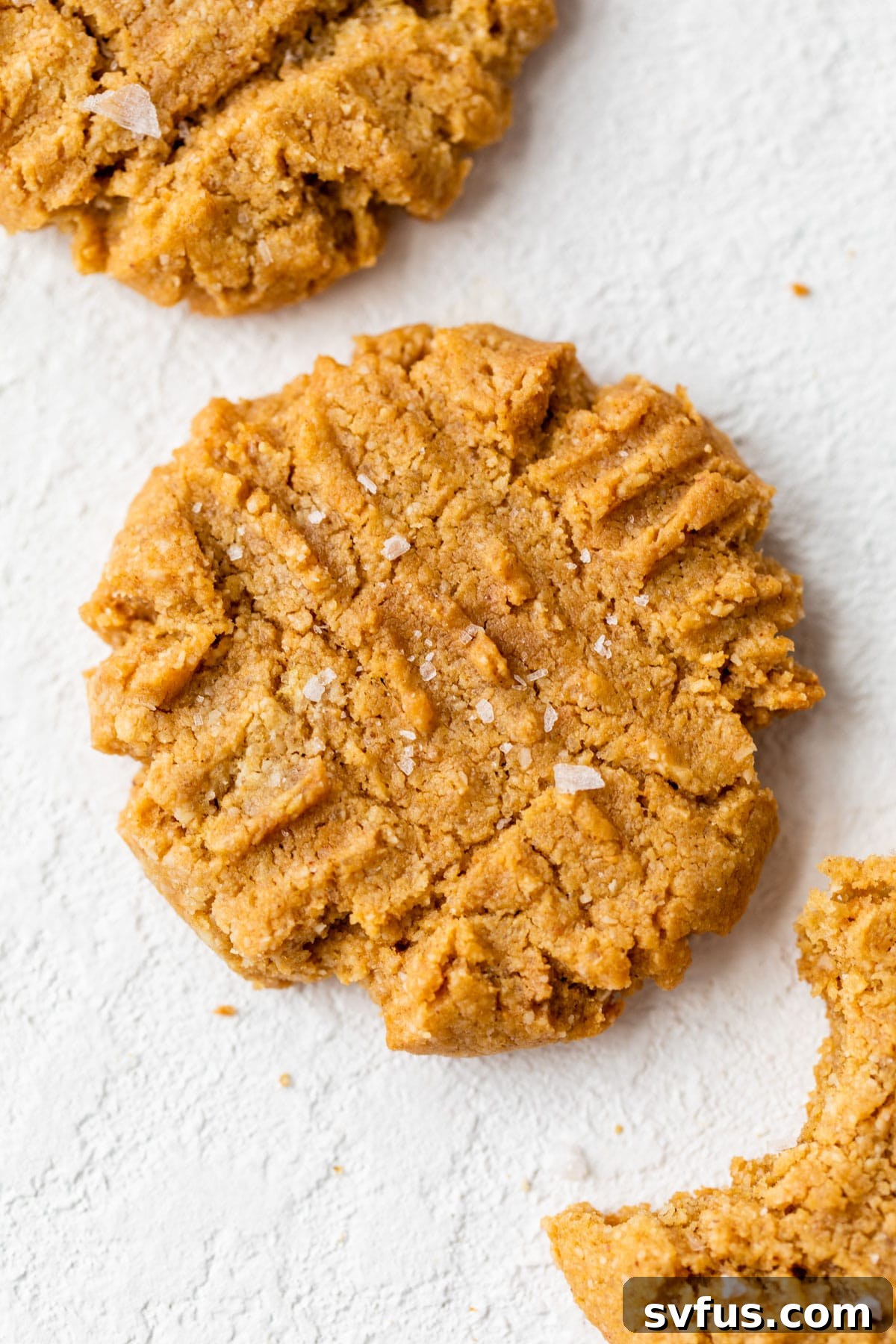
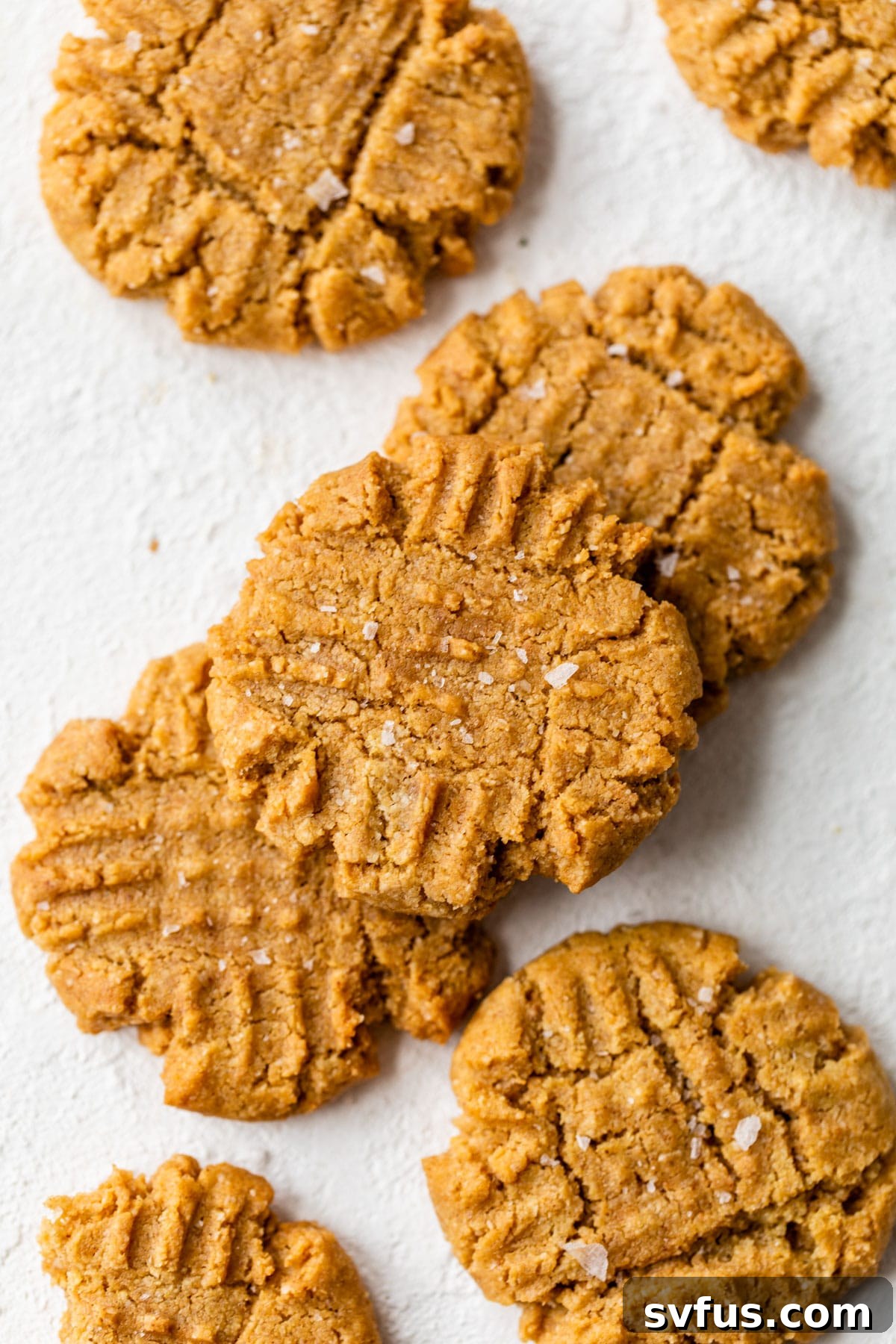
Get ready to fall in love with these incredibly easy Almond Flour Peanut Butter Cookies! Crafted with just 7 simple ingredients and completely free of eggs, these delightful treats boast a perfect texture: wonderfully crunchy on the outside and wonderfully soft and chewy on the inside. What’s more, they are entirely vegan and gluten-free, making them a fantastic option for almost any dietary preference or craving. If you’re searching for a quick, wholesome, and utterly delicious cookie recipe, your quest ends here. These cookies are not just a dessert; they’re a sweet escape, ready to satisfy your peanut butter cravings in about 20 minutes from start to finish.
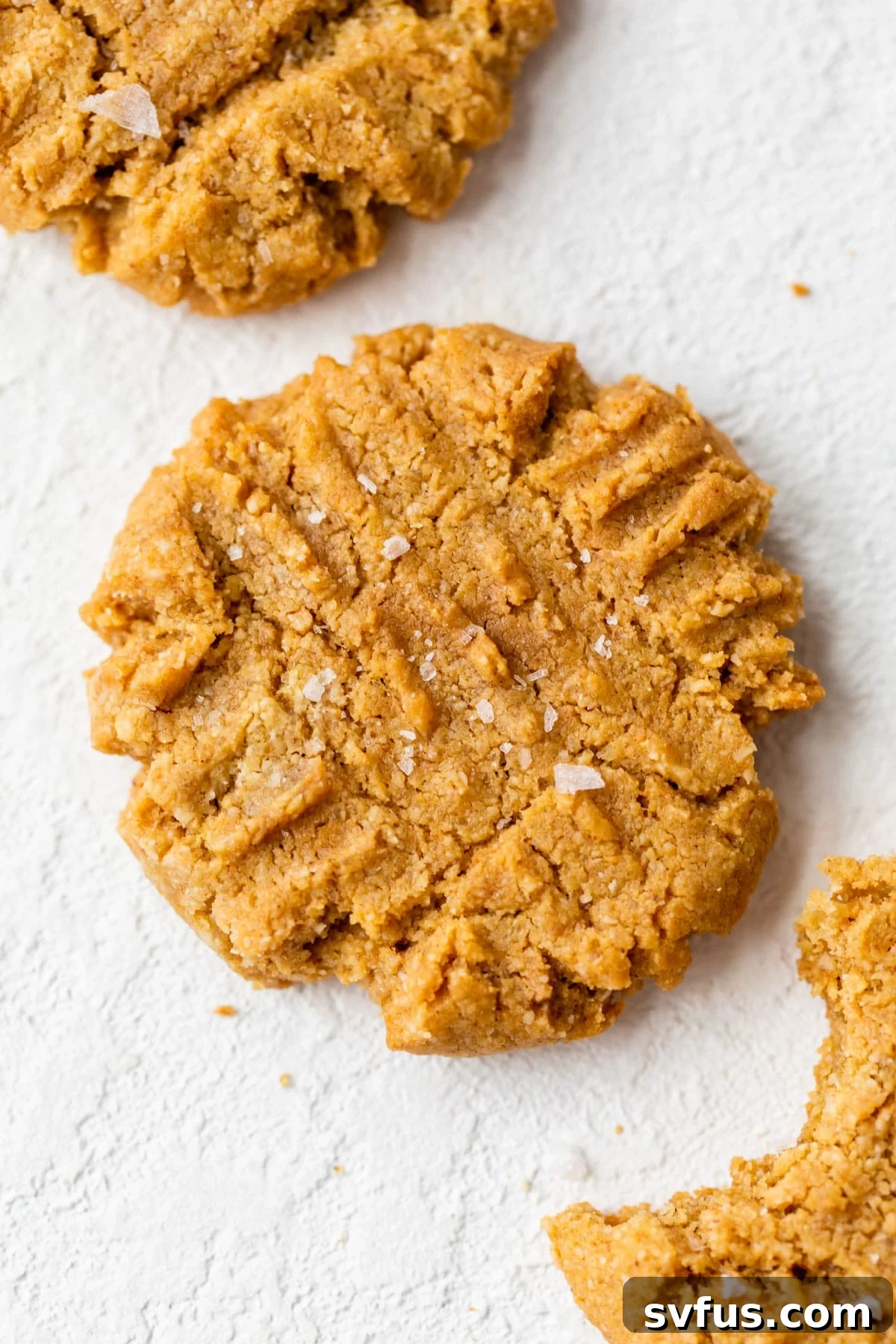
These cookies are remarkably similar to classic peanut butter cookies but feature almond flour instead of traditional all-purpose flour. This simple swap not only makes them naturally gluten-free but, combined with the absence of eggs, also ensures they are perfectly suitable for a vegan diet. It’s a true win-win for anyone looking for a healthier, inclusive dessert option without compromising on flavor or texture. Prepare yourself for an unforgettable peanut butter experience!
For fellow peanut butter enthusiasts, don’t stop at these cookies! You might also enjoy exploring my dairy-free peanut butter fudge for a rich, no-bake treat, or kickstart your day with my invigorating peanut butter espresso smoothie. There’s a world of peanut butter delight waiting for you!
Why You’ll Adore These Almond Flour Peanut Butter Cookies
These aren’t just any cookies; they’re a revelation for your taste buds and your busy schedule. Here’s why these almond flour peanut butter cookies will quickly become a staple in your recipe collection:
- Effortlessly Simple: With a mere 7 ingredients and a total preparation and bake time of approximately 20 minutes, these cookies are perfect for spontaneous baking sessions or when you need a quick dessert fix. No complicated steps or extensive ingredient lists here!
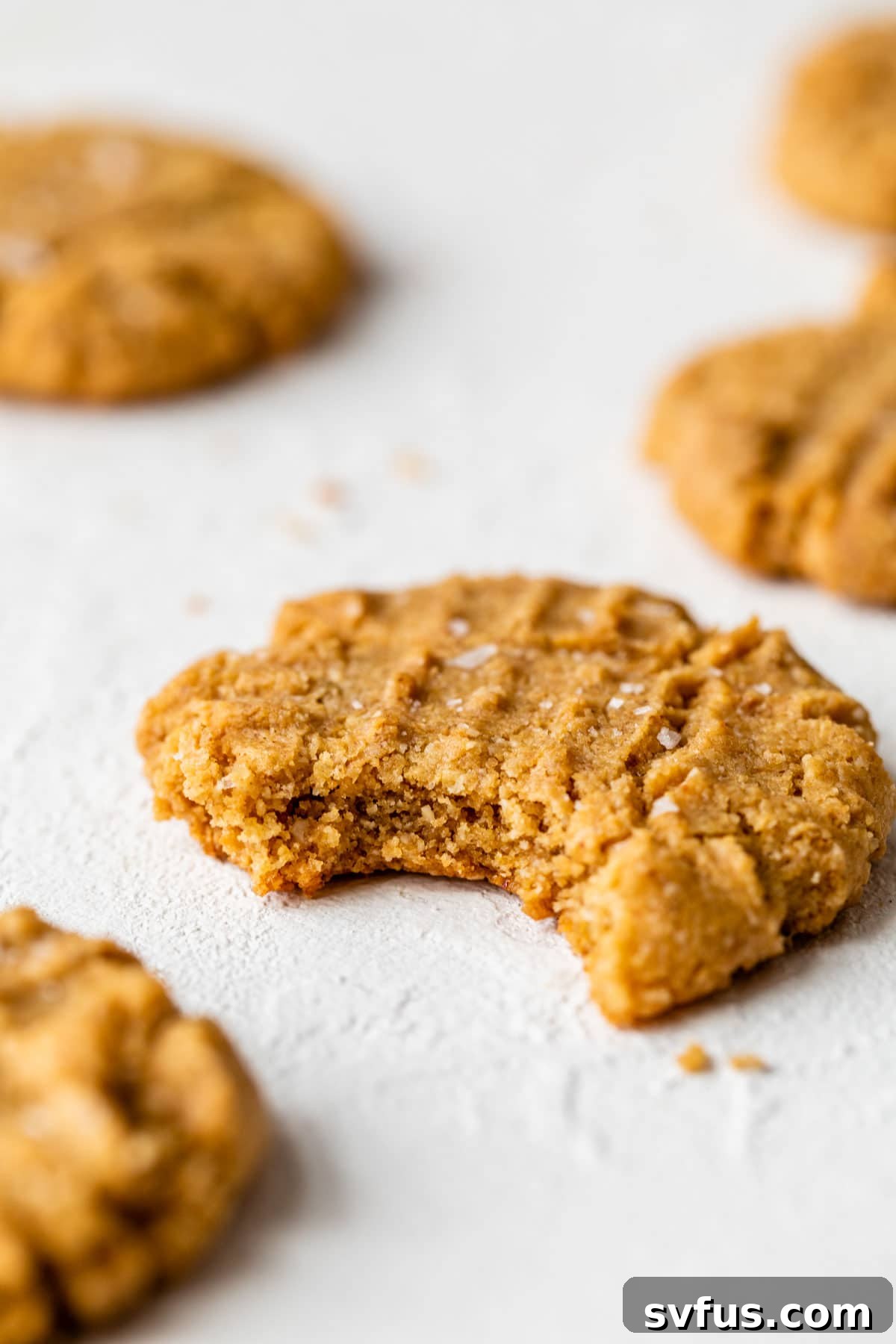
- Perfect Balance of Flavor and Texture: Experience the ultimate harmony of salty and sweet in every bite. The exterior provides a satisfying crunch, yielding to an irresistibly moist and tender interior. This delightful contrast makes them truly addictive.
- Diet-Friendly Indulgence: Made entirely with almond flour and without eggs, these cookies proudly boast both gluten-free and vegan certifications. This means more people can enjoy them, regardless of dietary restrictions, making them ideal for sharing at gatherings or enjoying without guilt.
- Wholesome Ingredients: Utilizing almond flour, a nutritious alternative to wheat flour, these cookies offer added protein and healthy fats. You can feel good about indulging in a treat that’s made with quality, beneficial ingredients.
- Versatile & Customizable: While perfect as they are, these cookies serve as an excellent base for various additions. Whether you prefer chocolate chips, nuts, or a different sweetener, they are incredibly adaptable to your personal preferences.
Essential Ingredients for Your Cookies
Creating these delicious almond flour peanut butter cookies requires a handful of common pantry staples. The key to their incredible flavor and texture lies in selecting the right ingredients. Here’s what you’ll need:
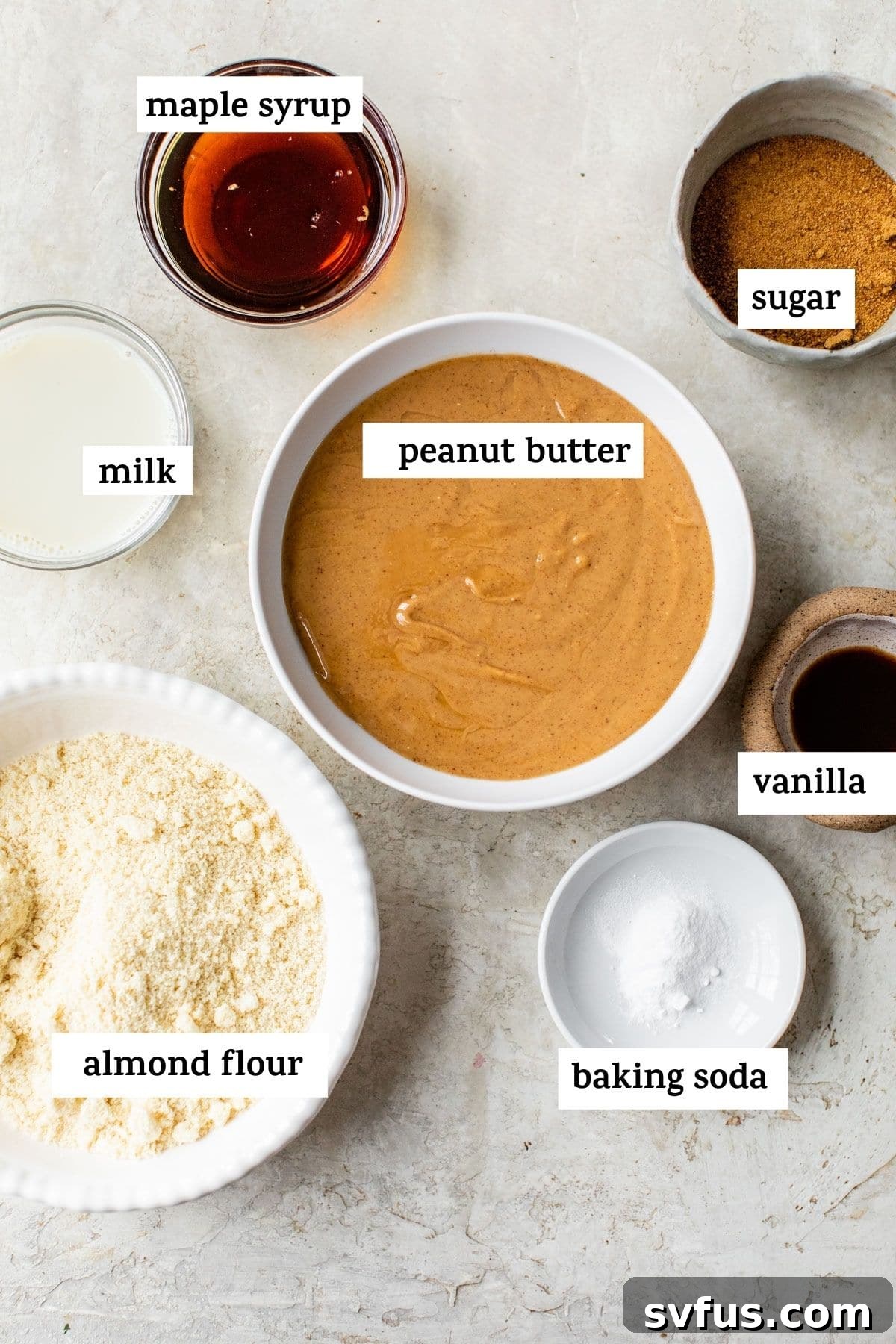
- Peanut Butter: The star of the show! It is crucial to use creamy, natural peanut butter. Look for brands where the only ingredients are peanuts, or peanuts and salt. Many commercial peanut butters contain added cane sugar, palm oil, or other emulsifiers, which can significantly alter the taste and texture of your cookies, potentially making them too dry or too oily. Natural peanut butter ensures the right consistency and flavor.
- Almond Milk: This adds moisture to our egg-free dough. While almond milk is recommended for its neutral flavor profile and to keep the recipe vegan, feel free to use any plant-based milk you have on hand, such as soy milk, oat milk, or cashew milk. Even dairy milk would work if you aren’t strictly vegan.
- Maple Syrup: This liquid sweetener contributes a lovely depth of flavor and helps bind the ingredients together. Pure maple syrup is preferred. If you don’t have maple syrup or prefer a different option, honey or agave nectar can be used as direct substitutes. Note that if using honey, the cookies would no longer be strictly vegan.
- Almond Flour: Essential for a gluten-free and subtly nutty base. Always use blanched, super-fine almond flour for the best results, not almond meal. Almond flour is made from blanched (skinless) almonds, resulting in a finer texture, which is vital for the structure of these delicate cookies. When measuring, make sure to gently pack it into your measuring cup to ensure accuracy.
- Cane Sugar: This granular sweetener adds sweetness and aids in achieving that perfect crunchy exterior. You have several options here: brown sugar can be used for a slightly chewier, more molasses-like flavor, or coconut sugar for a refined sugar-free alternative with a subtle caramel note. Even monk fruit sweetener can be used for a keto-friendly version, as discussed in the substitutions section.
- Vanilla Extract: A dash of vanilla extract elevates the overall flavor profile, adding warmth and complexity to the rich peanut butter. Use pure vanilla extract for the best taste.
- Baking Soda: A crucial leavening agent that helps the cookies spread slightly and achieve that desirable soft, tender crumb on the inside. Ensure your baking soda is fresh for optimal results.
Step-by-Step Guide: Making Almond Flour Peanut Butter Cookies
Crafting these delectable cookies is surprisingly straightforward, involving just a few simple steps. Follow this guide for perfect results every time:
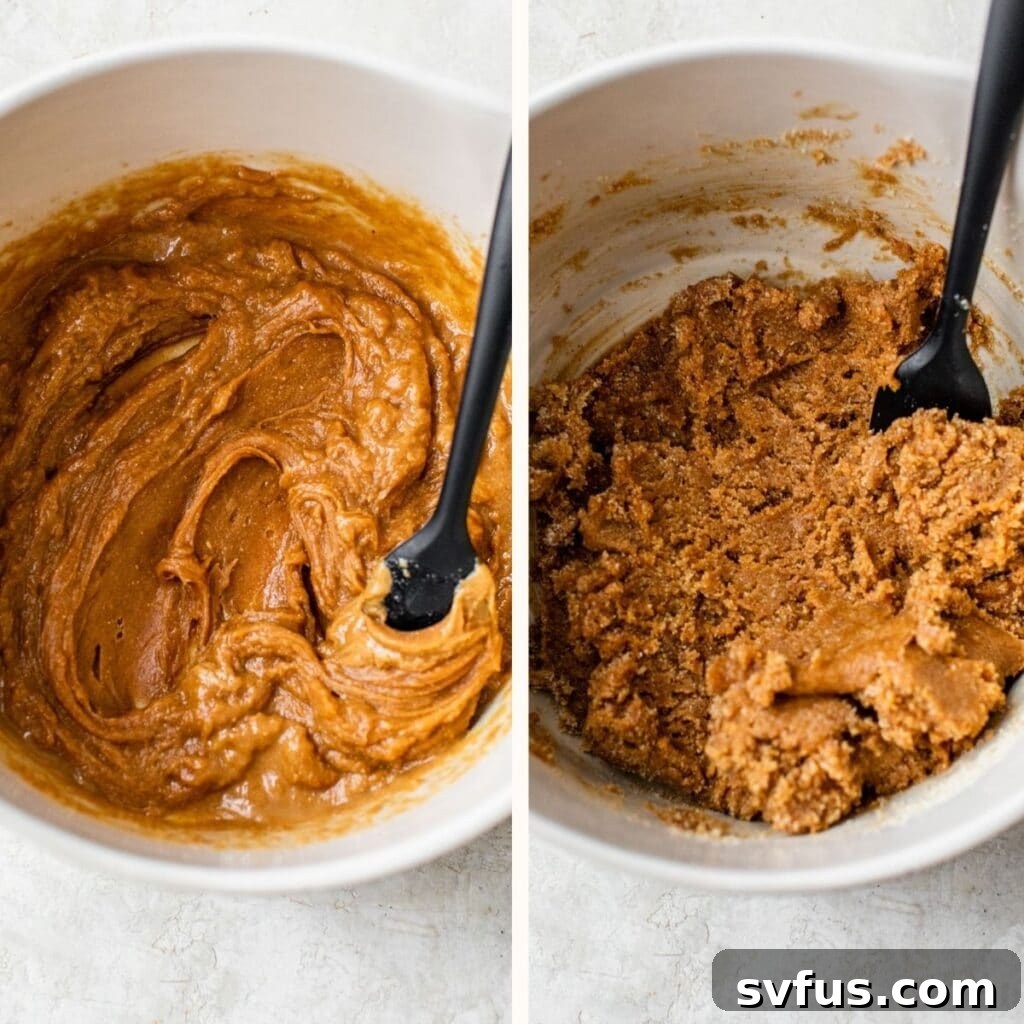
Step 1: Prepare Your Wet Ingredients. Begin by gathering your peanut butter, almond milk, maple syrup, and vanilla extract. In a large mixing bowl, combine these wet ingredients. Stir them thoroughly with a sturdy rubber spatula or a large spoon until they are completely smooth and well-incorporated. This creamy base is crucial for the cookie’s texture.
Step 2: Incorporate the Dry Ingredients. To the same bowl containing your wet mixture, add the almond flour, cane sugar, and baking soda. Gently fold these dry ingredients into the wet mixture. The dough will become quite thick and somewhat stiff as you mix. Don’t be afraid to switch from a spatula to your hands if needed, as this will help you effectively combine all the ingredients and ensure no dry pockets remain. Aim for a uniformly mixed, firm dough.
Step 3: Shape the Cookie Dough Balls. Take about 1.5 to 2 tablespoons of the thick cookie dough for each cookie. Roll this portion into a neat ball between your palms. Place each rolled ball directly onto a baking sheet that has been lined with parchment paper or lightly greased with nonstick spray. Continue this process until all the dough has been used, ensuring that you space the cookie balls about 2 inches apart on the baking sheet to allow for slight spreading during baking. This recipe yields approximately 18 cookies, so you might need two baking sheets or to bake in batches.
Step 4: Create the Signature Fork Marks and Bake. Before baking, take a fork and gently press down on the top of each cookie dough ball, first in one direction and then perpendicular to it, to create the classic criss-cross pattern. This flattens the cookies slightly and gives them their characteristic appearance. Now, place the baking sheet(s) into your preheated oven and bake for 10-12 minutes. The edges should appear lightly golden, but the centers will still be soft when you remove them.

Step 5: Crucial Cooling Period. Once baked, resist the urge to immediately transfer the cookies from the hot baking sheet. They will be very soft and fragile directly out of the oven. Allow them to cool on the baking sheet for at least 1 minute before carefully transferring them to a wire cooling rack. The most important part: let them cool on the rack for a full 10 minutes. This cooling period is absolutely critical, as it allows the cookies to firm up and develop their delightful crunchy exterior while maintaining that soft, moist interior.
Expert Tips for Perfect Peanut Butter Cookies
Achieving the best possible almond flour peanut butter cookies is easy with a few insider tips:
- Almond Flour Procurement: To save money and ensure you always have enough on hand, consider buying almond flour in bulk. Places like Costco often offer large bags at a much better value than smaller bags found at regular grocery stores. This is especially useful if you bake gluten-free frequently.
- Baking in Batches: This recipe yields approximately 18 cookies. Unless you have two large baking sheets, you will likely need to bake these cookies in two separate batches to ensure proper spacing and even baking. Overcrowding the baking sheet can lead to unevenly cooked cookies.
- Preventing Fork Stickiness: When pressing the criss-cross pattern with a fork, wet the tines of your fork slightly with water between each cookie. This simple trick will prevent the dough from sticking to the fork, ensuring clean, defined patterns and a smoother process.
- Avoid Over-Baking: Pay close attention to the baking time. Almond flour cookies can go from perfectly baked to overly dry very quickly. Bake them for just 10-12 minutes. The cookies should be lightly golden around the edges but still appear soft in the center when you take them out. They will continue to firm up as they cool.
- Embrace the Cooling Process: As mentioned in the instructions, the 10-minute cooling period on a wire rack is non-negotiable. Freshly baked almond flour cookies are delicate. This cooling time allows their structure to set, resulting in that ideal crunchy exterior and soft, moist interior. Patience is a virtue here!
- Elevate with Chocolate Chips: For an extra layer of indulgence, try stirring in 1/3 cup of your favorite chocolate chips (vegan if desired) into the dough along with the dry ingredients. Peanut butter and chocolate are a classic combination that never disappoints.
- A Pinch of Sea Salt: Don’t forget the finishing touch! A delicate sprinkle of flaky sea salt over the cookies immediately after they come out of the oven enhances their flavor dramatically. It truly brings out the rich peanut butter taste and balances the sweetness, taking these already delicious cookies to a whole new level.
Substitutions and Creative Variations
One of the beauties of this almond flour peanut butter cookie recipe is its flexibility. Feel free to experiment with different ingredients to suit your dietary needs or personal taste preferences:
- Flour Alternatives: While almond flour is highly recommended for its fine texture and consistent results, the only other flour I would suggest trying as a direct substitute is almond meal. Almond meal is coarser than almond flour and contains the almond skins, which can result in a slightly denser and chewier cookie with a more rustic appearance. I haven’t personally tested this recipe with other flours like coconut flour or gluten-free all-purpose blends, as they have different absorption properties and would likely require significant adjustments to the liquid ratios. If you do experiment with other flours, please share your results in the comments to help other bakers!
- Sugar Swaps: For the granular sugar component (cane sugar), you have several viable alternatives. Brown sugar will impart a deeper, molasses-like flavor and contribute to a softer, chewier cookie. Coconut sugar is an unrefined option that offers a mild caramel taste. For those looking to reduce sugar intake, a sugar-free sweetener like Monk fruit or erythritol can be used in equivalent amounts. For the liquid sweetener (maple syrup), honey works well for a non-vegan option, adding its unique floral notes, or agave nectar for another plant-based liquid sweetener.
- Nut Butter Variety: While this recipe is explicitly for peanut butter cookies, you can absolutely venture into using other nut butters. Cashew butter, almond butter, or even sunflower seed butter (for a nut-free option) can be used. The key is to ensure that whatever nut or seed butter you choose is natural, creamy, and free of added oils or sugars, as these additives can significantly affect the dough’s consistency and the final cookie texture. Always check the ingredient list to ensure it’s just nuts (and maybe salt).
- Chocolate Lover’s Dream: As suggested in the tips, mixing in 1/3 to 1/2 cup of chocolate chips (dark, semi-sweet, or even white chocolate) is a fantastic variation. For a vegan cookie, ensure you use dairy-free chocolate chips.
- Spice It Up: A pinch of cinnamon or a tiny dash of nutmeg can add warmth and complexity to the cookie flavor, especially if you enjoy spiced baked goods.
- Add-ins for Texture: Consider folding in finely chopped roasted nuts (like peanuts, pecans, or walnuts) for extra crunch, or some shredded coconut for a tropical twist.
Almond Flour vs. Almond Meal: What’s the Difference?
While often confused, almond flour and almond meal are distinct products that can impact your baking results. Almond flour is typically made from blanched almonds (almonds with their skins removed), which are then ground into a very fine, powdery consistency. This fine texture makes it ideal for delicate baked goods, lending a light, airy crumb. Almond meal, on the other hand, is made from unblanched almonds (with skins intact) and is usually ground more coarsely. It has a slightly grittier texture and a more pronounced almond flavor due to the skins. While you can sometimes use them interchangeably in certain recipes, using almond flour as specified in this recipe will give you the best, most consistent results with a smoother texture. For a more in-depth explanation, Bob’s Red Mill offers an excellent article detailing the differences between almond flour and almond meal.
Are Almond Flour Cookies a Healthier Option?
When considering whether cookies made with almond flour are “better for you,” it’s important to remember they are still a treat containing sugar. However, when compared to traditional cookies made with all-purpose wheat flour, almond flour cookies do offer several nutritional advantages. All-purpose flour is typically stripped of its nutrients during processing. Almond flour, made simply from ground almonds, retains the beneficial properties of whole almonds. It is significantly higher in protein and healthy monounsaturated fats, and a good source of Vitamin E, magnesium, and fiber. It’s also much lower in carbohydrates than wheat flour. So, while moderation is still key, choosing almond flour cookies can be a more nutrient-dense indulgence.
Can These Cookies Be Made Keto-Friendly?
As written, these cookies are not strictly keto-friendly due to the maple syrup and cane sugar content. However, they are incredibly easy to adapt for a ketogenic diet! To transform this recipe into a keto-approved treat, simply make two key substitutions: omit the maple syrup entirely, and swap the cane sugar for your preferred keto-friendly granulated sweetener, such as erythritol, xylitol (be mindful of pets with xylitol), or a monk fruit blend. These changes will drastically reduce the net carbohydrate count, allowing you to enjoy these delicious peanut butter cookies while adhering to your keto lifestyle.
Storage Solutions for Freshness
To ensure your almond flour peanut butter cookies remain delicious and fresh, proper storage is key:
- Room Temperature: For short-term enjoyment, store your baked and cooled cookies in an airtight container at room temperature. They will maintain their quality and flavor for up to 4 days. This helps keep them soft on the inside and prevents them from drying out.
- Freezer: If you’ve baked a large batch or want to save some for later, these cookies freeze beautifully. Once fully cooled, place the cookies in a freezer-safe plastic bag or an airtight container, separating layers with parchment paper to prevent sticking. They can be stored in the freezer for up to 8 months. When you’re ready to enjoy, simply take them out and let them thaw at room temperature for a few minutes.
Explore More Gluten-Free Cookie Delights
If you’re loving the gluten-free baking journey, here are a few more delicious cookie recipes you might want to try from our collection:
Coconut Flour Cookies
Almond Butter Oatmeal Cookies
Flourless Chocolate Chip Cookies
Almond Flour Chocolate Cookies
If you made this recipe, be sure to leave a comment and star rating below. Your feedback helps other bakers!
Almond Flour Peanut Butter Cookies
Erin Alvarez
18 cookies
10 minutesmins
10 minutesmins
20 minutesmins

Print Recipe
You’re going to love these easy Almond Flour Peanut Butter Cookies! Made with only 7 ingredients and without eggs, they’re crunchy on the outside, soft on the inside and are both vegan and gluten free.
Ingredients
- 1 cup creamy peanut butter
- 1/4 cup almond milk (or any milk)
- 3 tbsp maple syrup (or honey)
- 1 1/2 tsp vanilla extract
- 1 cup almond flour (packed)
- 1/2 cup cane sugar (or brown sugar, coconut sugar, monkfruit)
- 1/2 tsp baking soda
Instructions
- Preheat oven to 350°F (175°C). Line two baking sheets with parchment paper or spray with nonstick spray.
- In a large mixing bowl, thoroughly mix the peanut butter, milk, maple syrup, and vanilla together until smooth.
- Add the almond flour, cane sugar, and baking soda to the same bowl. Fold everything together with a rubber spatula or large spoon until well combined. The dough will be thick; you may need to use your hands to fully incorporate.
- Scoop 1.5-2 tablespoons of dough at a time and roll it into a ball. Place the balls directly onto the prepared baking sheet, ensuring they are spaced 2 inches apart.
- Use a fork to press down into each dough ball, creating a criss-cross pattern. Bake the cookies for 10-12 minutes.
- Leave the cookies on the baking sheet for 1 minute after baking, then carefully transfer them to a cooling rack. Allow them to cool for 10 minutes before serving. Enjoy!
Notes
- Calories are per cookie and are an estimation.
- Make sure to use creamy peanut butter with only peanuts (or peanuts and salt) as ingredients.
- Substitutions: Honey can be used instead of maple syrup (non-vegan). Coconut sugar, brown sugar, or monkfruit can replace cane sugar. Any type of milk can be used.
- Storage: Store cookies in an airtight container at room temperature for up to 4 days. For longer storage, place them in a plastic bag and freeze for up to 8 months.
Nutrition
Carbohydrates: 12g |
Protein: 5g |
Fat: 10g |
Saturated Fat: 2g |
Polyunsaturated Fat: 2g |
Monounsaturated Fat: 3g |
Sodium: 101mg |
Potassium: 101mg |
Fiber: 2g |
Sugar: 9g |
Calcium: 27mg |
Iron: 1mg
Nutrition information is automatically calculated, so should only be used as an approximation.
Did you make this?
Leave a comment and star rating below!