DIY Food Photography Boards: Elevate Your Food Blog with Easy, Tool-Free Backdrops
Are you a food blogger, home chef, or simply passionate about capturing your culinary creations in their best light? You know that presentation is key, and a stunning backdrop can transform a simple dish into a work of art. However, high-quality photography boards can often come with a hefty price tag, making it challenging for creators on a budget to achieve that professional look. What if I told you that you could craft your own beautiful, rustic food photography boards without a single power tool, saving money and adding a personal touch to your brand? Welcome to the ultimate DIY guide that even the most craft-averse individual (like myself!) can master.
For too long, I shied away from DIY projects, often preferring to purchase ready-made items to save time and avoid potential disasters. After all, my track record with hammers and nails isn’t exactly stellar! But this particular project is different. It’s so remarkably simple, so incredibly rewarding, and so ridiculously affordable that I would have been genuinely upset with myself if I hadn’t given it a try. The result? A custom-made food photography board that looks fantastic and perfectly complements my food styling, all achieved with minimal effort and absolutely no power tools. If I can do it, so can you!
Why Craft Your Own Food Photography Board?
Before we dive into the nitty-gritty, let’s explore why making your own photography board is such a game-changer for food bloggers and photographers:
- Cost-Effectiveness: Commercial photography backdrops can range from $50 to hundreds of dollars each. Our DIY method comes in at a fraction of that cost, allowing you to create multiple boards for the price of one store-bought option.
- Unleash Customization: You have complete control over the size, color, and finish. Want a distressed farmhouse look? A sleek modern minimalist vibe? Or a vibrant, colorful backdrop? The possibilities are endless, ensuring your board perfectly matches your unique brand aesthetic.
- Tool-Free Simplicity: This method is specifically designed for those who prefer to avoid power tools. With tongue and groove planks and strong wood glue, assembly is a breeze, requiring nothing more than your hands and a little patience.
- Sense of Accomplishment: There’s immense satisfaction in using a prop you’ve created yourself. It adds a personal touch to your photography and blogging journey, reflecting your dedication and creativity.
- Versatility: With a two-sided board (a fantastic option we’ll discuss), you essentially get two backdrops for the effort of one, doubling your styling options without taking up extra storage space.
This project is not just about saving money; it’s about empowering you to create the exact visual story you want for your food. Let’s gather our simple supplies and get started!
Essential Supplies: Gathering Your Toolkit for Success
One of the most appealing aspects of this DIY project is the simplicity of the materials needed. Forget expensive power tools or specialized equipment. Everything on this list can be found at your local hardware store, like Home Depot, making it incredibly accessible. Here’s a brief overview of the supplies you’ll need to purchase to make your own food photography board:
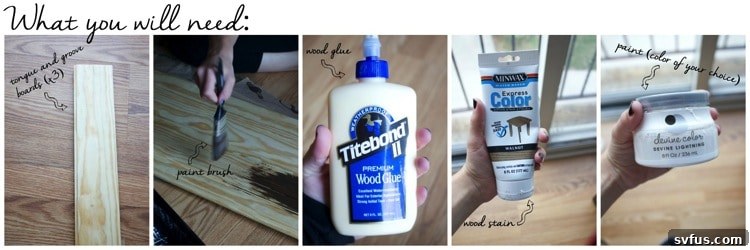
- Tongue and Groove Planks: These are the stars of our project. Tongue and groove planks feature an interlocking system where one edge has a “tongue” (a protruding ridge) and the opposite edge has a “groove” (a corresponding slot). This design allows them to fit together snugly, creating a seamless surface without the need for nails or screws. They provide excellent stability and a rustic aesthetic. Look for untreated pine or similar affordable wood.
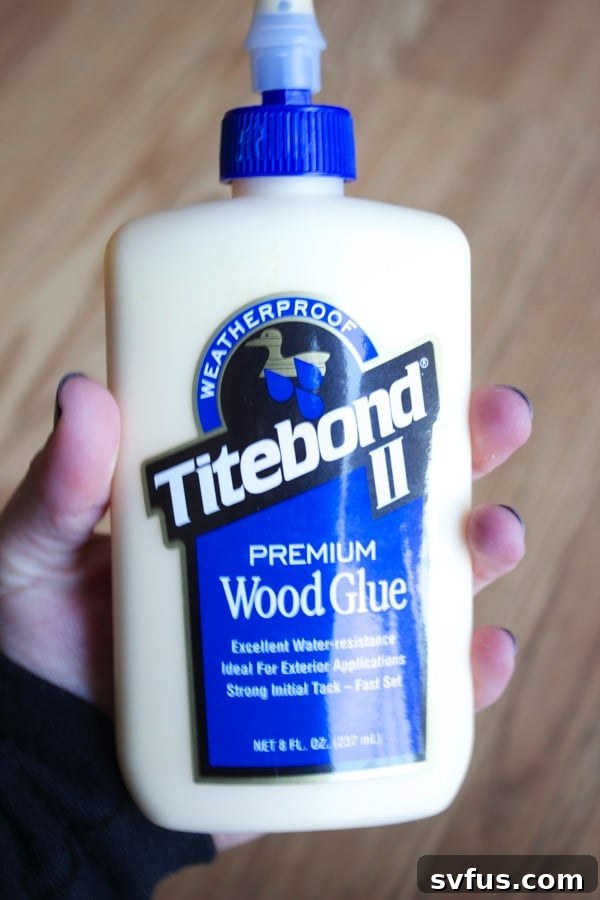
- Strong Wood Glue: A high-quality wood adhesive is crucial for securing your planks together. Opt for a waterproof wood glue for added durability, especially since your board will be around food and potentially spills. You’ll find this conveniently located in the same aisle as the wood planks at most hardware stores.
- Wood Stain (Optional, but Recommended for Rustic Look): A wood stain provides a base color and depth, enhancing the natural grain of the wood. It’s particularly effective if you’re aiming for a distressed or aged look, as it peeks through the topcoat of paint. Choose a neutral brown or gray stain that complements your desired final aesthetic.
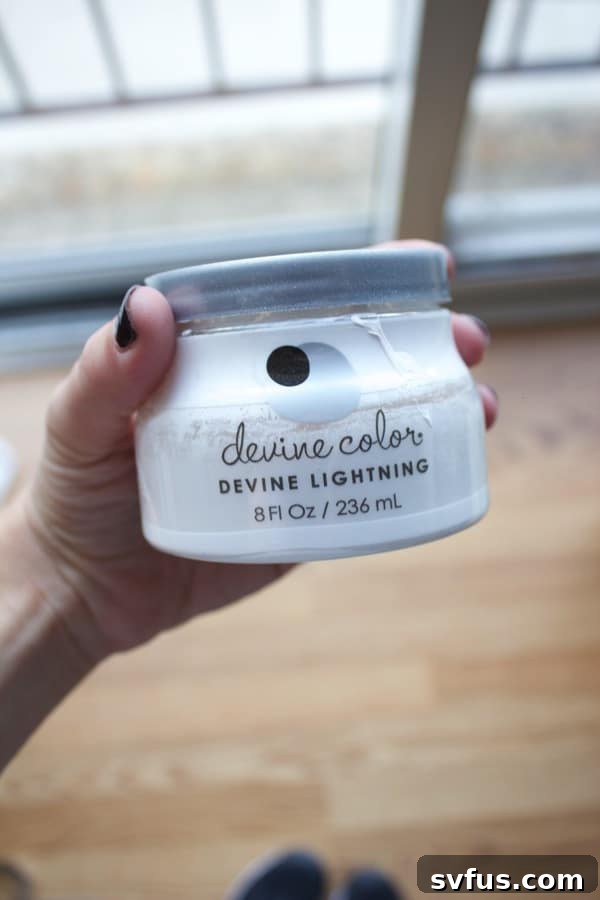
- Acrylic or Chalk Paint: This will be your topcoat. Acrylic paint is versatile and durable, while chalk paint offers a beautiful matte finish that’s excellent for rustic and farmhouse styles. Pick a color that aligns with your photography style – classic white, soft gray, or even a muted pastel can work wonders.
- Paint Brushes: You’ll need at least two brushes – one for the stain and one for the paint. A medium-sized flat brush works well for general application. If you’re going for a distressed look, a slightly stiffer brush can help create texture.
- Paper Towels or Rags: Essential for wiping away excess glue, stain, or paint to keep your workspace tidy and ensure a clean finish.
- Drop Cloth or Newspaper: Protect your work surface from spills and drips.
- Gloves (Optional): Recommended to protect your hands from stain and paint.
With these simple items in hand, you’re ready to embark on your DIY journey. Let’s get to building!
Step-by-Step Guide: Crafting Your Perfect Photography Board
Follow these straightforward steps to assemble your custom food photography board. Remember, patience is key, especially when allowing glue and paint to dry.
Step 1: Sourcing Your Wood Planks
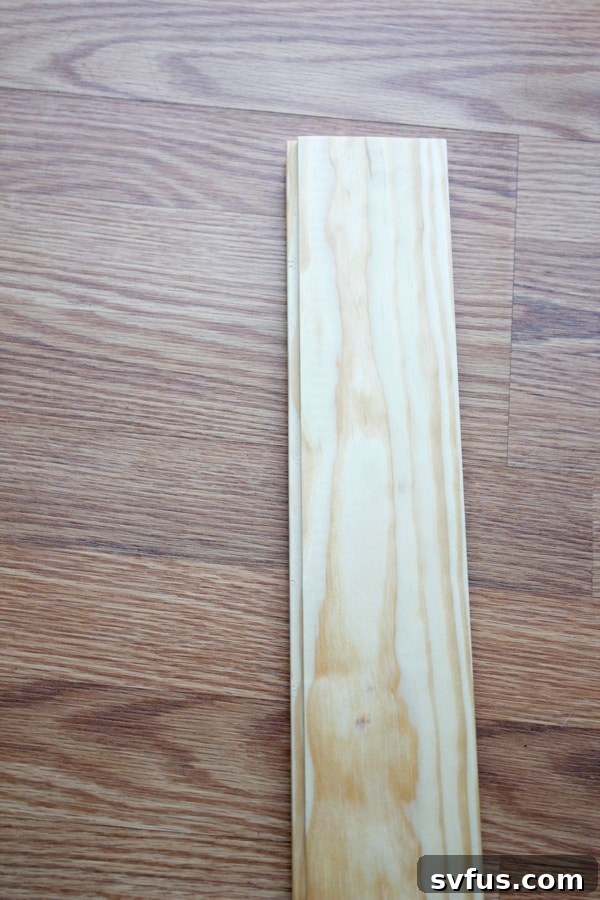
The first thing you’re going to want to do is head to your nearest Home Depot or a similar large hardware store. Your mission: find tongue and groove planks. These interlocking planks are essential for our tool-free assembly method. If you’re having trouble locating them, don’t hesitate to ask a store employee for assistance. They are usually very knowledgeable and can quickly point you in the right direction. When selecting your planks, look for pieces that are as straight as possible and free from major knots or defects that could compromise the smoothness of your photography surface.
Step 2: Precision Cutting to Your Desired Size
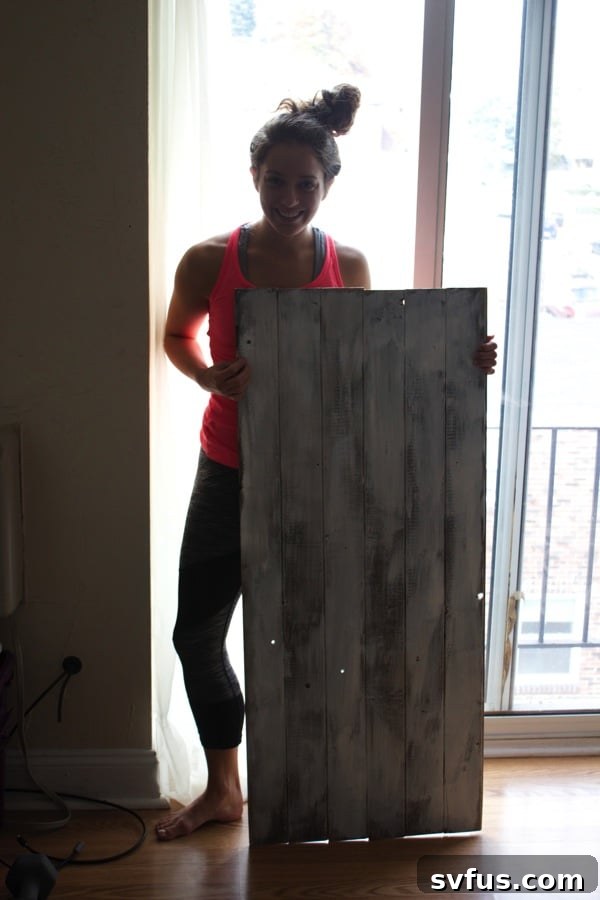
Once you’ve found the right boards, the next crucial step is getting them cut. This is another opportunity to leverage the excellent service at Home Depot. Ask an employee to cut the wood for you. This saves you from needing saws or specialized tools at home. I personally chose three 8-foot boards and had them cut in half, yielding six 4-foot boards. This size is incredibly versatile for various food photography setups – whether you’re shooting a single dish or a larger spread. However, feel free to customize the size to whatever dimensions best suit your specific needs and typical photography subjects. Consider the types of dishes you photograph most often and the space you have available for storage.
Step 3: The Tool-Free Assembly with Wood Glue
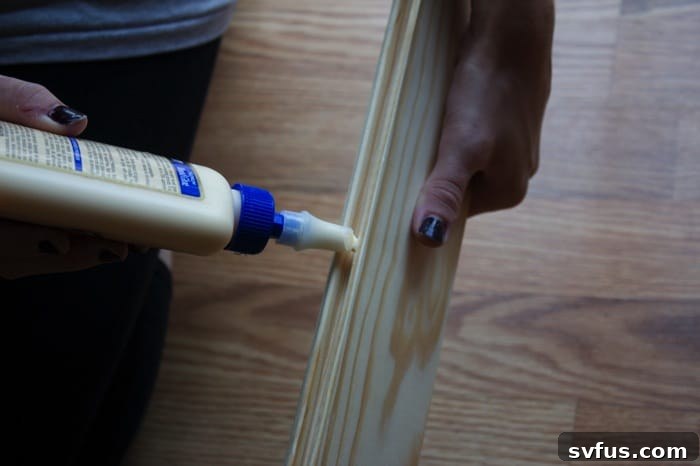
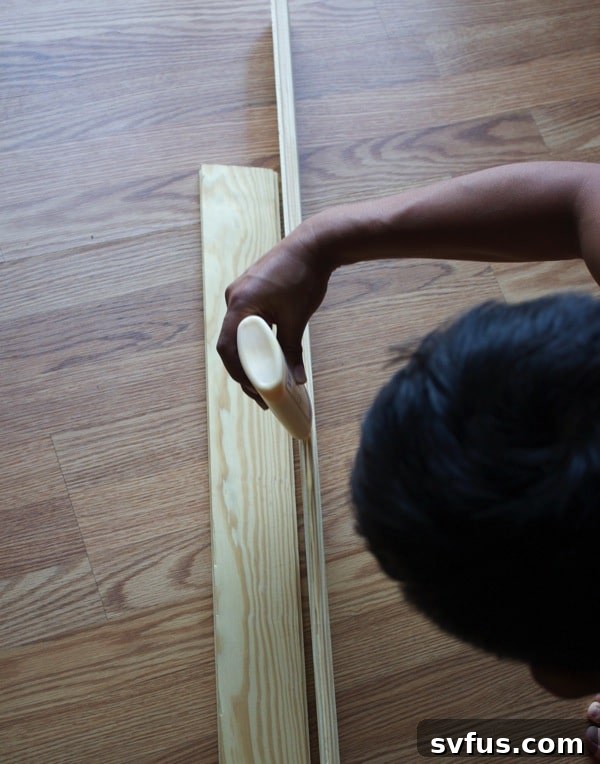
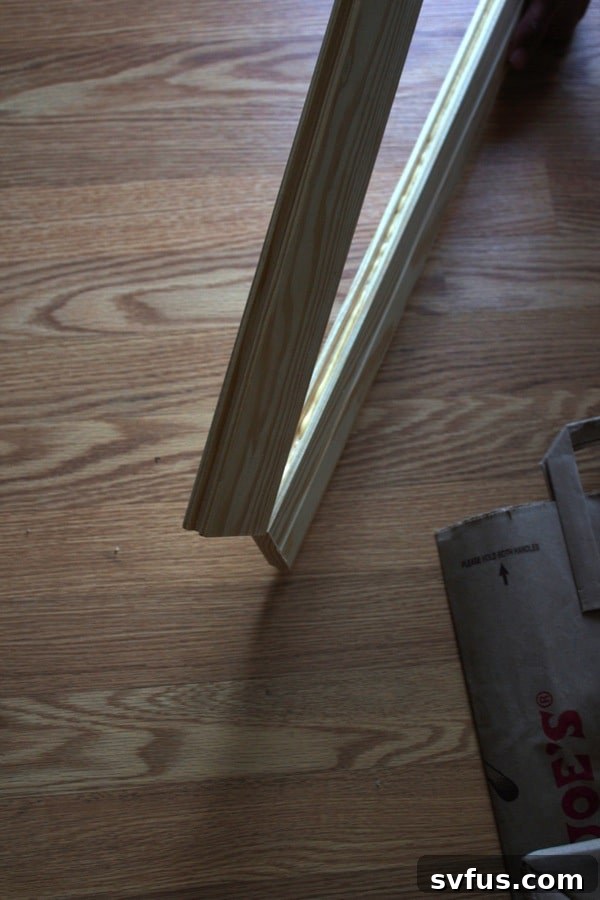
Now it’s time for the magic of the tongue and groove system! You will place a bead of wood glue inside the groove of one plank. Don’t apply too much, as excess glue will squeeze out, but ensure an even, consistent line. Then, gently align the tongue of the second plank with the glued groove of the first. When properly aligned and pressed together, both boards should fit into one another perfectly, creating a tight, seamless bond – no tools required! This interlocking mechanism is what makes this method so incredibly easy and sturdy. The wood glue, as mentioned before, is usually conveniently located in the same aisle as the wood planks, making your shopping trip efficient.
Step 4: Ensuring a Strong Bond – An Extra Hand Helps!
While this project is designed to be tool-free, it can be incredibly helpful to have an extra set of hands during the gluing process, especially if you’re working with longer boards like the 4-foot ones I chose. If you’ve opted for smaller, more manageable planks, you might find it doable on your own. The process involves placing the glue generously yet carefully inside the groove of one board. Then, take the “tongue” of the adjacent board and carefully slide it into the glued “groove” of the first. Apply gentle, even pressure along the seam to ensure a tight fit. As you join the planks, any excess glue will likely seep out. It’s crucial to wipe away this excess immediately with a damp paper towel. Cleaning it right away prevents the glue from drying unevenly and potentially affecting the smooth application of stain and paint later on.
Step 5: The Art of Staining for Depth and Character
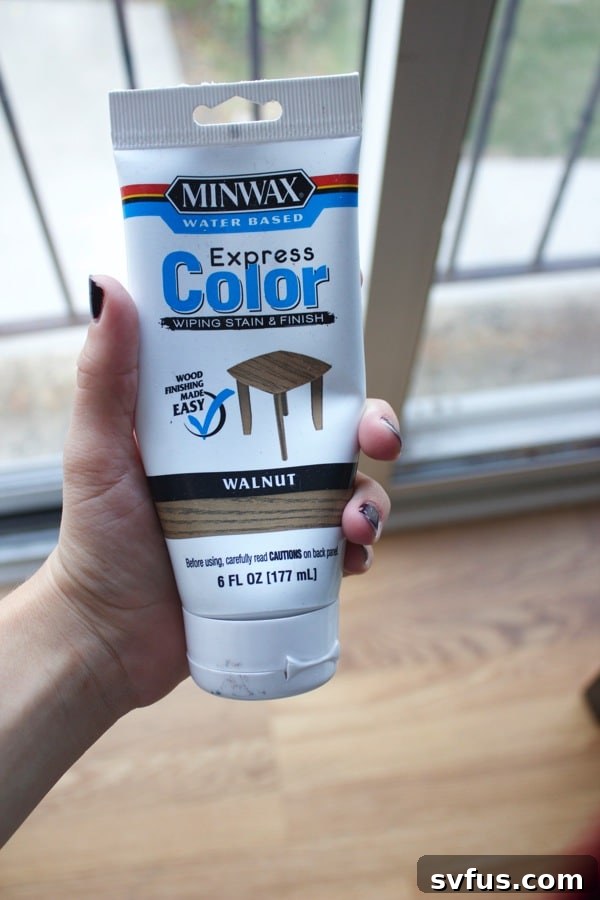
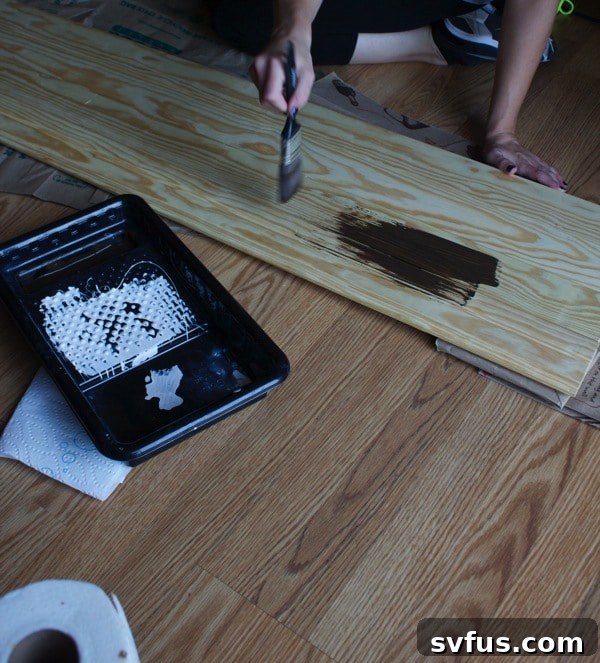
After your boards are firmly glued together and you’ve wiped away all excess glue, it’s time to let the glue dry completely. Refer to your wood glue’s instructions for the recommended drying time, which can range from a few hours to overnight. Once dry, you can begin the staining process. Paint a thin, even layer of your chosen wood stain over the entire surface of your assembled board. Staining adds a beautiful depth and a foundational color that will show through your subsequent paint layer, especially if you’re aiming for that coveted “rustic” or “distressed” look. Apply the stain in the direction of the wood grain for the best results. After applying, wait approximately 10-15 minutes, or until the stain is mostly dry to the touch but still slightly tacky. This brief drying period is essential for allowing the stain to set before applying the paint.
Step 6: Creating Rustic Charm with Paint
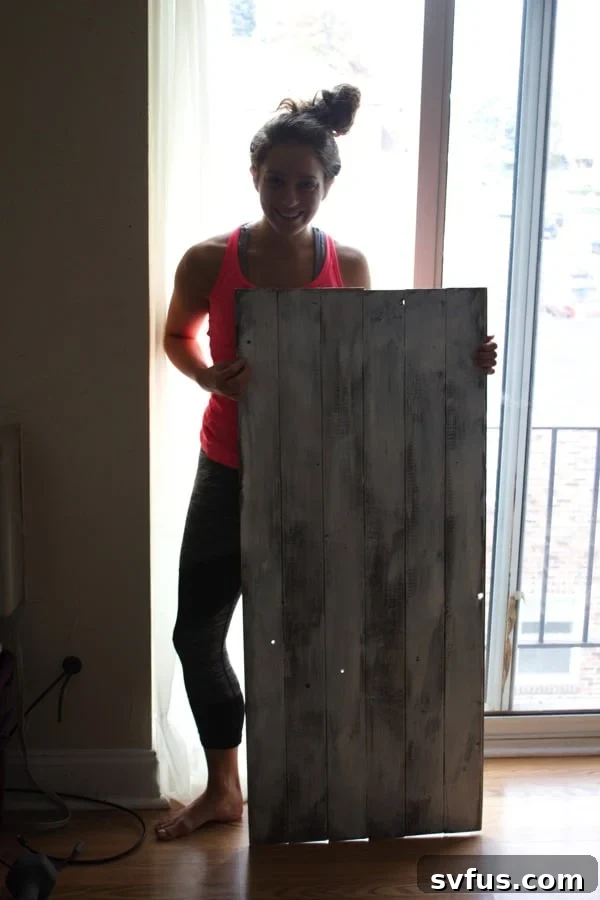
Now for the fun part: painting! To achieve that sought-after “rustic,” “shabby chic,” or “aged” appearance, your painting technique should be the complete opposite of perfectionist. The goal is not a solid, opaque coat of paint. Instead, you want some of the underlying brown stain to show through, creating visual interest and texture. In my case, after applying the brown stain and letting it mostly dry for about 10 minutes, I sloppily painted a white coat overtop. This meant using light, uneven strokes, allowing some areas of the stain to remain exposed while other areas received a more solid coat of white. Don’t be afraid to leave gaps or use a dry-brush technique for a more textured finish. Experiment with varying pressure and direction to get the desired effect. This technique allows you to customize the level of distress, making each board truly unique. Let your paint dry completely, which usually takes a few hours, depending on humidity and paint type.
Personalizing Your Board: Tips for Creative Finishes
Viola! It is THAT easy. But why stop there? Your DIY journey doesn’t have to end with a single board. Here are some ideas to further personalize and maximize the utility of your creation:
- Two-Sided Versatility: If you’re really feeling awesome and have extra paint, consider painting a different color or style on the reverse side of your board. This effectively gives you two unique backdrops for the price of one, offering more flexibility for your food styling without needing to store multiple boards. Imagine a rustic white on one side and a modern charcoal gray on the other!
- Different Distressing Techniques: Beyond sloppy painting, you can achieve various distressed looks. Try dry brushing (applying paint with a nearly dry brush for a streaky, worn effect), or light sanding after the paint has dried to expose more of the underlying stain or raw wood.
- Varying Textures: Experiment with different types of paint – matte chalk paint for a soft, velvety finish; semi-gloss for a subtle sheen; or even textured paint for a unique tactile quality.
- Sealing for Longevity: To protect your beautiful new board from spills, scratches, and general wear and tear, consider applying a clear sealant or polycrylic topcoat once all the paint and stain have fully dried. A matte or satin finish sealer will help preserve the rustic look while making the board easy to clean and more durable for frequent use.
Caring for Your DIY Photography Board
Once your board is complete and sealed (if you choose to do so), a little care will ensure it lasts for years. Wipe it clean with a damp cloth after each use, especially after food spills. Avoid harsh chemicals or abrasive cleaners that could damage the finish. Store your board flat or leaning against a wall in a dry place to prevent warping.
The Impact on Your Food Photography
The beauty of a handmade food photography board lies not just in its cost-effectiveness but in its ability to elevate your entire photography game. A consistent, aesthetically pleasing backdrop provides a professional foundation for your dishes, allowing your food to truly shine. It creates a cohesive visual brand for your blog or social media, making your content instantly recognizable and more appealing to your audience. This simple DIY project is an investment in the quality and professionalism of your visual storytelling.
Here’s what my final product looks like in action, beautifully showcasing a future recipe:

This is a preview of a delicious recipe coming next week… stay tuned!
Budget Breakdown and Value
Hopefully, this detailed guide was helpful and inspiring! As a quick recap, the approximate cost for all the materials for my board was around $30. This budget covered the wooden planks, the wood glue, the stain, the paint, and the paint brushes. When you consider that commercially available photography boards can easily cost $50-$100 or more for a single surface, crafting your own offers significant savings, especially if you plan to make multiple boards or experiment with different finishes. This cost-effective approach allows you to expand your prop collection without breaking the bank, giving you more creative freedom. If you’re keen to learn more money-saving tricks and valuable insights to enhance your food blog and improve your photography skills, be sure to check out my eBook on food photography & styling.
Ready to Create Your Own Masterpiece?
Crafting your own food photography board is an incredibly satisfying and worthwhile project for any food enthusiast. It’s an accessible DIY that delivers professional results, allowing your culinary creations to truly pop. So, roll up your sleeves, gather your materials, and get ready to transform your food photography!
Q: Are you a DIY-er, or do you prefer to buy ready-made props? Let me know in the comments!