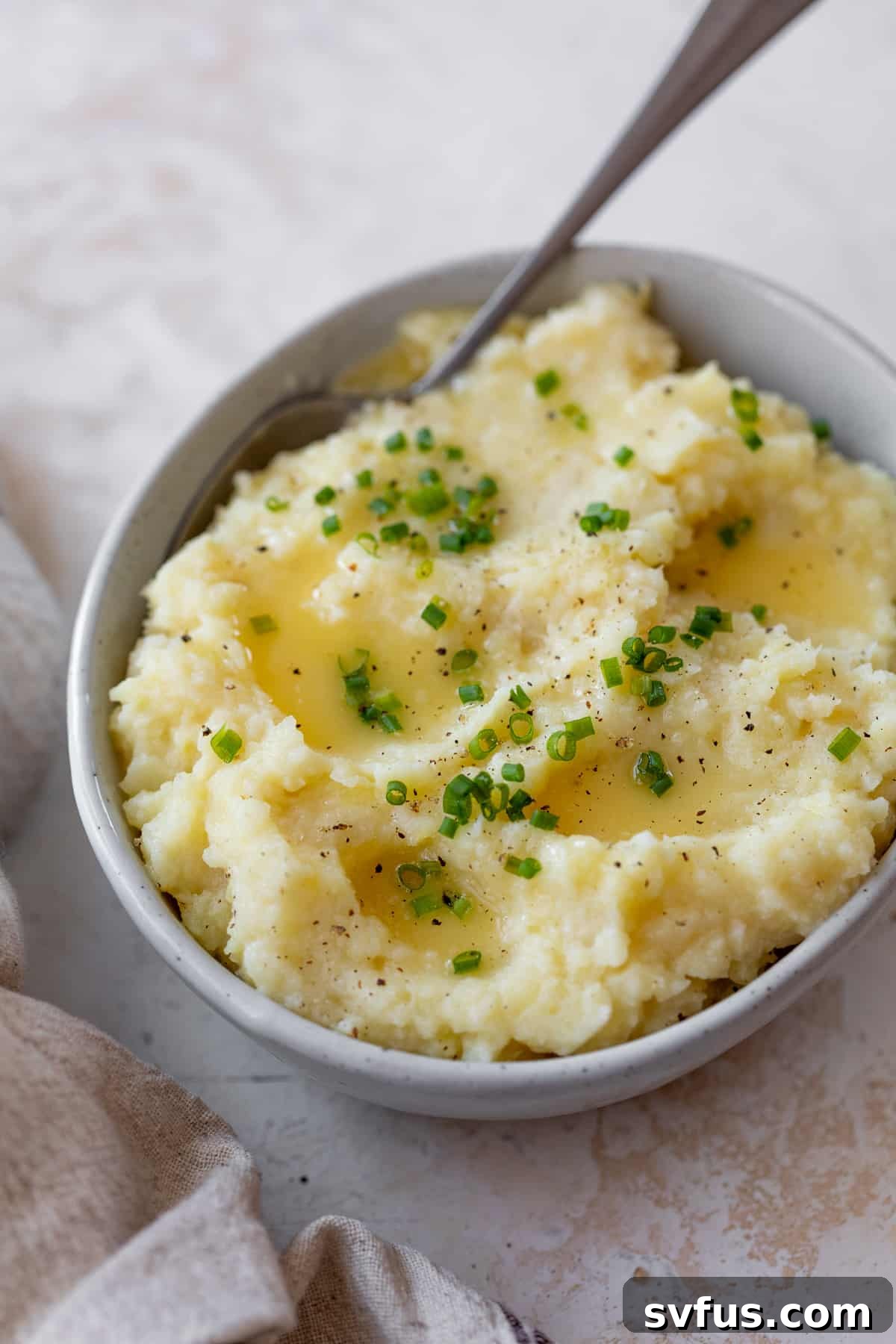
Mashed Parsnips: A Creamy, Nutty Twist on Classic Comfort
Forget everything you thought you knew about mashed side dishes! While classic mashed potatoes hold a special place in our hearts, these **Mashed Parsnips** are here to steal the spotlight. Imagine the familiar buttery richness of your favorite mashed potatoes, but infused with the delightful earthy, slightly sweet, and distinctly nutty flavor of parsnips. This rustic yet elegant side dish is not just an alternative; it’s an upgrade that will captivate every palate at your dinner table.
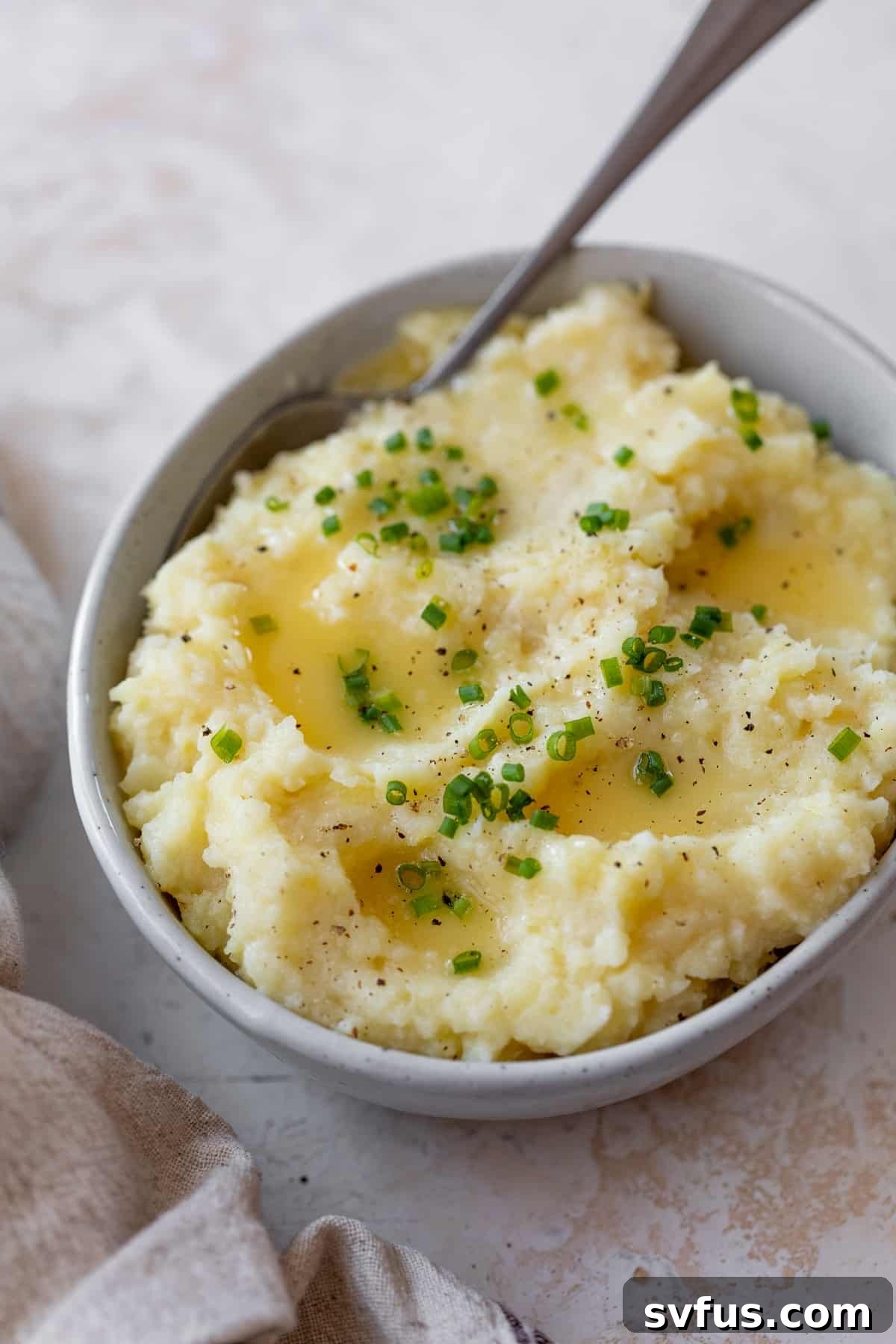
Parsnips, often overlooked, are a root vegetable marvel, especially during the colder months. After experimenting with honey roasted parsnips and falling in love with their unique flavor, I was determined to incorporate them into more everyday meals. The answer? Mashing! It turns out that combining parsnips with potatoes creates a harmonious blend that’s incredibly comforting and surprisingly easy to make.
And so, this irresistible recipe for Mashed Parsnips was born! This simple, flavorful side dish follows the same comforting principles as your favorite mashed potato recipes. Parsnips and Yukon Gold potatoes are boiled until perfectly tender, then mashed to creamy perfection with a touch of milk, fragrant garlic, and simple seasonings. The result is a truly remarkable dish that is both familiar and excitingly new.
Whether you’re new to the wonderful world of parsnips or a long-time admirer, prepare to be enchanted by every creamy, nutty, and subtly earthy bite. It’s a versatile side that brings a gourmet touch to any meal without the fuss.
Why You’ll Love This Mashed Parsnip Recipe
This Mashed Parsnips recipe offers a delightful departure from traditional mashed potatoes, bringing a host of unique features and benefits that make it a must-try for any home cook:
- A Unique Flavor Profile: Experience a rustic yet fluffy and creamy twist on classic mashed potatoes. The parsnips introduce a wonderful earthy, nutty, and slightly sweet undertone that elevates the entire dish. It’s a sophisticated flavor that even picky eaters tend to adore.
- Simple & Quick: This side dish is remarkably easy to prepare, requiring only a handful of ingredients and coming together in just around 30 minutes. Perfect for busy weeknights or when you need an impressive yet quick addition to a holiday spread.
- Nutrient-Rich: Parsnips are packed with fiber, vitamins (like Vitamin C and K), and minerals, making this a healthier alternative or complement to purely potato-based mashes. It’s a delicious way to incorporate more root vegetables into your diet.
- Incredibly Versatile: From holiday feasts to cozy weeknight dinners, mashed parsnips fit seamlessly into any menu. Serve them alongside a hearty slow cooker lamb stew for St. Patrick’s Day, a majestic roasted turkey on Thanksgiving, or with flavorful French onion chicken meatballs for a satisfying family meal.
- Naturally Delicious: With minimal effort, you achieve maximum flavor. The natural sweetness of parsnips means you don’t need excessive additives to make this dish sing.
Essential Ingredients for Creamy Mashed Parsnips
Crafting the perfect mashed parsnips begins with selecting quality ingredients. Each component plays a vital role in achieving that sought-after creamy texture and rich, balanced flavor.
- Parsnips: These elegant root vegetables resemble white carrots but boast a distinct nutty, earthy, and subtly sweet flavor, often compared to a delicate blend of potato and carrot with a hint of celery. They are incredibly versatile, fantastic roasted, fried, or, as we’ll do here, mashed. Their unique sweetness perfectly balances the potatoes, creating a complex yet crowd-pleasing side dish. When selecting parsnips, look for firm, smooth roots that are relatively small to medium in size, as larger ones can sometimes be woody.
- Potatoes: For mashed dishes, the choice of potato is crucial for texture. Yukon Gold potatoes are my absolute favorite due to their naturally buttery flavor and creamy, fluffy texture when mashed. They break down beautifully, incorporating air to create a light and airy consistency. Alternatively, Russet potatoes also work exceptionally well, offering a drier, starchier texture that becomes wonderfully fluffy and absorbent once mashed. Avoid waxy potatoes like red or new potatoes, which can result in a gluey texture.
- Garlic: Fresh garlic is key to infusing this dish with a noticeable, aromatic savory depth. I recommend using fresh garlic cloves, minced finely to distribute their potent flavor evenly throughout the mash. If fresh garlic isn’t available or you prefer a milder taste, about 3 teaspoons of garlic powder can be substituted, though it won’t offer the same vibrant punch. For an even more profound and mellow garlic flavor, consider roasting a head of garlic until soft and mashing the cloves directly into the mixture.
- Dairy: To achieve that luxurious body and silky-smooth texture, we combine the fork-tender parsnips and potatoes with rich dairy. Melted butter adds incredible richness and flavor, while a splash of milk helps achieve the perfect creamy consistency. For a truly classic and comforting result, whole milk is ideal. If you’re aiming for an even richer, more decadent dish, heavy cream can be used in place of milk, adding an unparalleled creaminess. For a dairy-free option, see the variations section below.
- Seasonings: A generous pinch of salt and a good grind of black pepper are essential for bringing all the flavors to life. Always taste and adjust seasonings as you go to ensure the mash is perfectly balanced. Don’t be shy with the salt; it enhances the natural sweetness and earthiness of the vegetables.
Step-by-Step Instructions for Perfect Mashed Parsnips
Making these creamy mashed parsnips is straightforward. Follow these steps to achieve a perfectly smooth and flavorful side dish every time.
Step 1: Prepare and Cook the Vegetables
Begin by peeling your parsnips and potatoes. Once peeled, chop them into roughly 1-inch cubes. It’s crucial to cut the parsnips slightly smaller than the potatoes, or at least into uniform pieces, as parsnips tend to take a bit longer to soften. Place the chopped parsnips and potatoes into a large pot. Cover them with cold water, ensuring the water level is about one inch above the vegetables. Bring the water to a rolling boil over high heat, then reduce the heat to a simmer. Continue to cook until both the parsnips and potatoes are fork-tender. This usually takes about 15-20 minutes, depending on the size of your cuts. Test a piece of both to ensure they are soft all the way through.
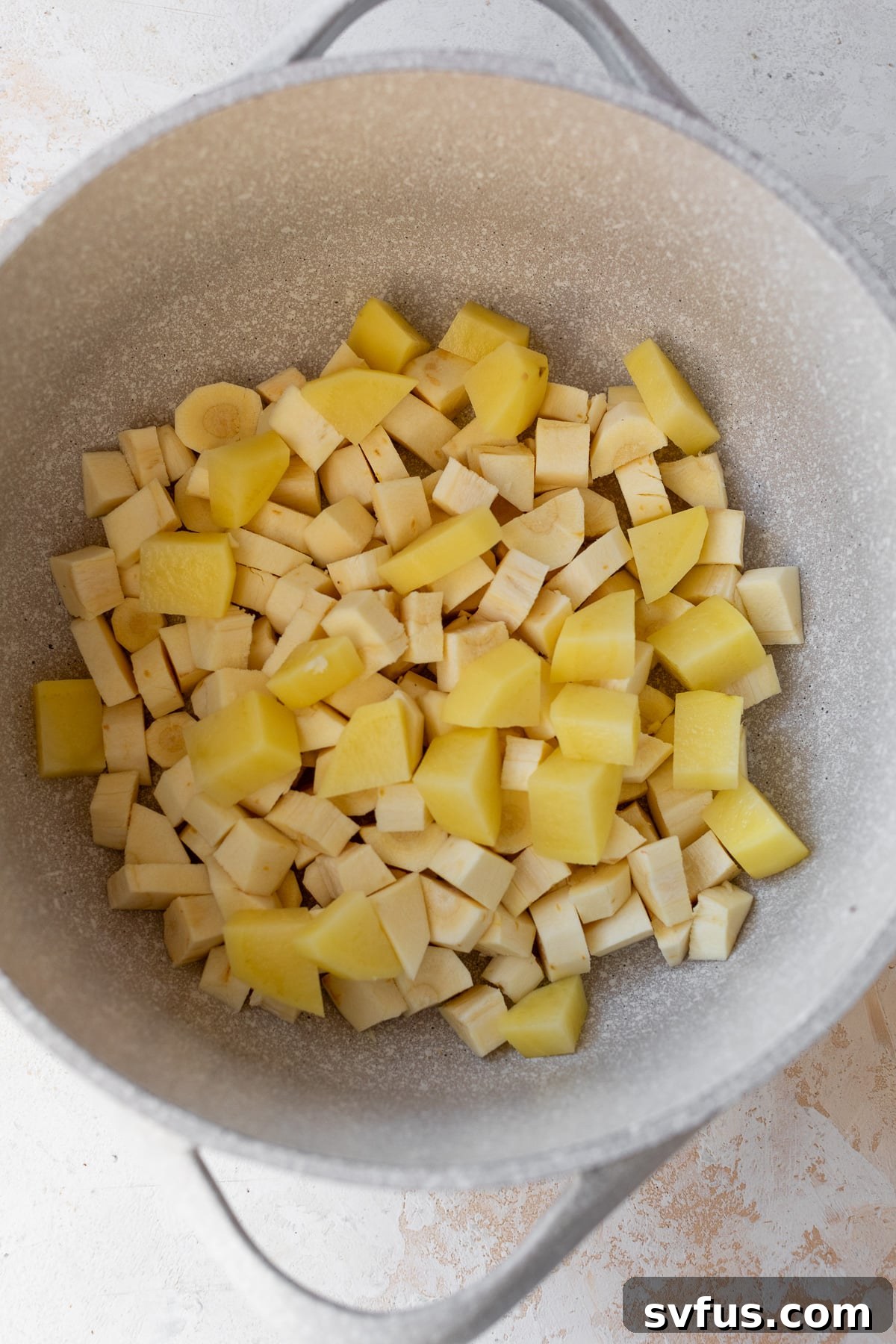
Step 2: Drain and Add Flavor Boosters
Once the vegetables are perfectly tender, carefully drain all the water from the pot. Return the hot parsnips and potatoes to the empty pot. Immediately add the minced garlic, milk, melted butter, and a pinch of salt to the hot vegetables. The residual heat from the pot and vegetables will help the butter melt completely and the milk warm through, making them easier to mash.
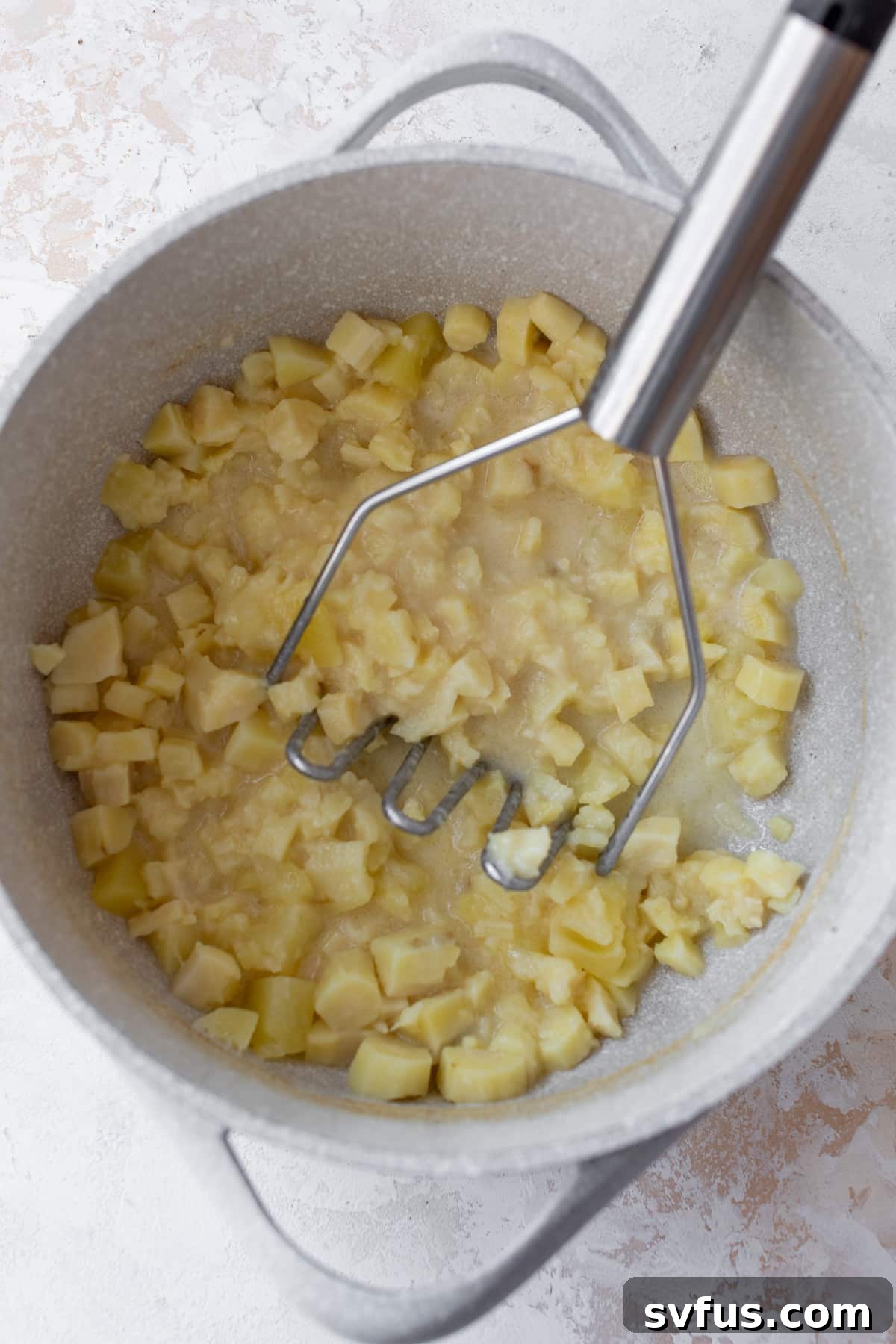
Step 3: Mash, Season, and Serve
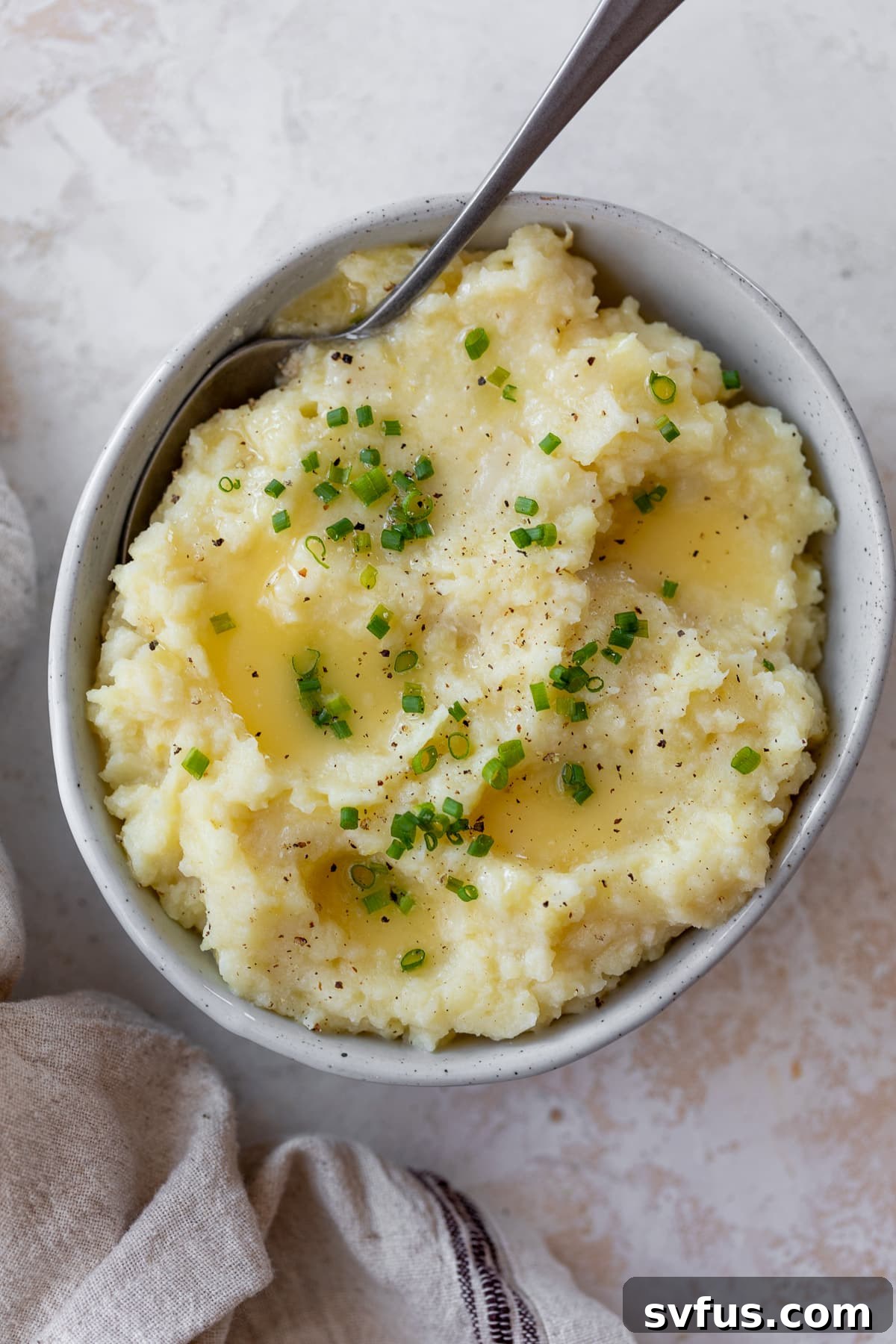
Using a potato masher, begin to mash the parsnips and potatoes until they reach your desired texture. Some prefer a slightly rustic mash with small chunks, while others aim for a completely smooth puree. For an extra smooth consistency, you can use a potato ricer. Once mashed, taste the mixture and adjust the seasonings as needed, adding more salt and black pepper to your preference. Transfer the creamy mashed parsnips to a serving bowl. For a beautiful finish, sprinkle with fresh chopped chives on top. Serve warm and enjoy this delightful side dish!
Expert Tips and Frequently Asked Questions
Achieving the perfect mashed parsnips is simple with a few key tips and answers to common questions:
Tips for Success:
- Finely Mince Your Garlic: To ensure you get those amazing garlicky flavors in every bite without any unpleasant raw chunks, use a garlic press or a microplane to very finely grate your fresh garlic. This distributes the flavor beautifully and evenly.
- Embrace Roasted Garlic: If you’re a true garlic lover and want a deeper, sweeter, and more mellow garlic flavor, consider roasting a whole head of garlic. Simply slice off the top, drizzle with olive oil, wrap in foil, and roast at 400°F (200°C) for 30-45 minutes until soft. Squeeze the softened cloves directly into your mash instead of raw garlic.
- Elevate with Brown Butter: Take the nutty flavors of this dish to an extraordinary level by browning your melted butter. Simply melt the butter in a light-colored pan over medium heat, stirring constantly. It will foam, then turn clear, and finally, the milk solids at the bottom will turn amber and smell wonderfully nutty. Remove it from the heat immediately when it reaches this stage to prevent burning. Stir this browned butter into your mashed parsnips for an incredible depth of flavor. If you’re new to this technique, you can reference a recipe like brown butter snickerdoodles for guidance on how to brown butter effectively.
- Cut Parsnips Uniformly and Small: As mentioned in the instructions, parsnips typically take longer to cook than potatoes. To ensure even cooking and a consistent texture, always cut parsnips into very small, uniform cubes. This way, they’ll become fork-tender at roughly the same rate as your potatoes, preventing crunchy parsnip bits in your otherwise creamy mash.
- Adjust Consistency Gradually: When adding milk or cream, start with slightly less than the recipe calls for and add more gradually until you reach your desired consistency. It’s much easier to add more liquid than to fix an overly thin mash.
Frequently Asked Questions:
Should I peel the parsnips and potatoes?
Yes, for the creamiest and smoothest puree, it is highly recommended to peel both the parsnips and potatoes. The skins can create a slightly lumpy or fibrous texture, which detracts from the luxuriousness of the mash.
Can I make mashed parsnips ahead of time?
Absolutely! Mashed parsnips are a fantastic make-ahead dish, perfect for holidays or meal prep. You can prepare the entire mash up to 1 day ahead of serving. Allow it to cool completely, then transfer it to a covered airtight container and store it in the refrigerator. Reheat gently when ready to serve.
How do I avoid gluey mashed parsnips?
The key to avoiding a gluey texture is to not over-mash your vegetables. Overworking the starches in potatoes (and parsnips to a lesser extent) can release too much starch, leading to a gummy consistency. Use a potato masher or a ricer, and stop mashing as soon as the desired smoothness is achieved. Using the correct type of potato (Yukon Gold or Russet) also helps, as waxy potatoes are more prone to becoming gluey.
What if my mashed parsnips are too thick or too thin?
If your mash is too thick, simply stir in an additional tablespoon of warm milk or cream at a time until it reaches your desired consistency. If it’s too thin, you can gently heat it on the stove over low heat, stirring occasionally, to allow some of the excess moisture to evaporate. Be careful not to scorch the bottom. You can also mix in a tablespoon of potato flakes (instant mashed potatoes) or a sprinkle of cornstarch/flour (slurry it first with a bit of cold liquid) to thicken it, though this can alter the flavor slightly.
Delicious Variations to Customize Your Mash
One of the best things about mashed parsnips is how adaptable they are. Whether you need to accommodate dietary restrictions or simply want to explore new flavor profiles, there are countless ways to customize this recipe.
- Dairy-Free Option: To make dairy-free mashed parsnips, simply swap out the regular butter for a high-quality melted dairy-free butter alternative. For the milk, use a full-fat plant-based milk such as oat milk, soy milk, or even unsweetened almond milk. Vegan creamer can also provide extra richness and creaminess without dairy. Ensure your chosen milk is unsweetened to avoid altering the savory flavor of the mash.
- Mash with More Vegetables: Expand the nutritional value and flavor complexity by adding other root vegetables. Carrots, for instance, would be a fantastic addition, enhancing the natural sweetness and adding a beautiful color. Simply chop one or two medium-sized carrots into small pieces (similar to your parsnips for even cooking) and boil them along with the potatoes and parsnips before mashing. Sweet potatoes are another excellent choice for a sweeter, creamier, and even more vibrant orange mash.
- Add Warm Spices: For a comforting and aromatic twist, incorporate a pinch of warm spices. A dash of freshly ground nutmeg complements the earthy sweetness of parsnips beautifully. Cinnamon or a tiny amount of allspice could also add a festive touch, especially if serving during the holidays. Start with a small amount and taste as you go, as spices can be potent.
- Infuse with Fresh Herbs: Fresh herbs add a burst of vibrant flavor and aroma. Once the mashing is complete, fold in a generous amount of finely chopped fresh sage leaves, thyme, rosemary, or parsley. A blend of these herbs works wonderfully too, bringing a garden-fresh essence to the dish. Chives, as a garnish, also add a mild oniony bite and visual appeal.
- Cheesy Mashed Parsnips: Who doesn’t love cheese? For a wonderfully savory and indulgent take, fold in some freshly grated Parmesan cheese, sharp white cheddar, or even a creamy goat cheese into the warm mash until melted and incorporated. The heat from the vegetables will melt the cheese, creating a rich, gooey, and irresistible texture.
- Tangy Kick: A dollop of sour cream, crème fraîche, or plain Greek yogurt stirred into the mash at the end can add a pleasant tang and extra creaminess.
- Savory Enhancers: A teaspoon of Dijon mustard can add a subtle sharpness that brightens the overall flavor. For an umami boost, a small amount of nutritional yeast can mimic a cheesy flavor while keeping it dairy-free.
Serving Suggestions and Perfect Pairings
Just like their potato counterparts, creamy mashed parsnips are an incredibly versatile and comforting side dish, perfect for elevating both everyday meals and special holiday dinners. Their unique flavor profile allows them to complement a wide array of main courses.
Garnishing for Impact:
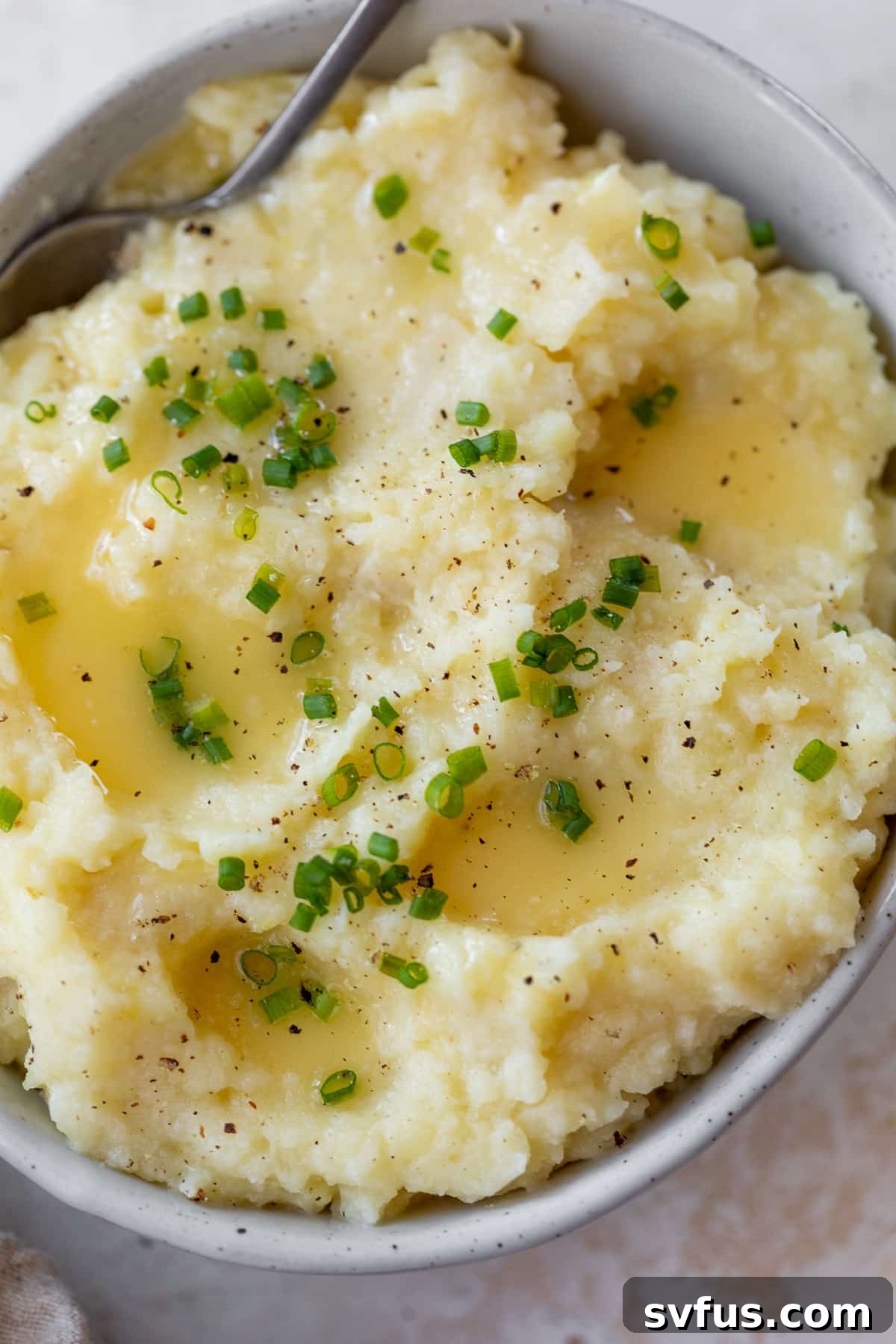
A few simple garnishes can truly make this side dish shine. The classic touch of freshly chopped chives adds a delicate oniony freshness and a vibrant pop of color. A final drizzle of melted butter over the top enhances the richness and visual appeal. Want to take it up a notch? Consider these additions:
- Fresh Herbs: Beyond chives, sprinkle with finely chopped parsley, thyme, or sage for added aroma and flavor.
- Grated Cheese: A light dusting of freshly grated Parmesan or a sharp cheddar can add a savory, cheesy finish.
- Crispy Onions: Store-bought crispy fried onions (like those used for green bean casserole) or homemade caramelized onions add a wonderful texture and sweet-savory crunch.
- Chopped Nuts: Toasted pecans, walnuts, or even pine nuts can introduce an interesting textural element and a deeper nutty note.
- Crispy Pancetta or Bacon Bits: For a decadent touch, scatter some crispy bits of pancetta or bacon over the top – the salty crunch is simply irresistible.
Main Course Pairings:
The parsnip puree is best served with your favorite cold-weather comfort foods and festive holiday dinners. Its earthy, sweet notes pair beautifully with rich, savory meats.
- Holiday Feasts: Mashed parsnips are a stellar addition to any holiday table. They are a magnificent accompaniment to a succulent roast turkey, a glazed ham, or a tender beef roast. They also pair wonderfully with other classic sides like green bean casserole, cranberry sauce, and stuffing.
- Hearty Winter Meals: During the colder months, a scoop of mashed parsnips is the perfect counterpoint to hearty main dishes. I particularly love serving them with a slow-cooked pot roast, a comforting chicken stew, or a rich beef bourguignon.
- Everyday Dinners: Don’t reserve this dish just for special occasions! It’s fantastic with pan-seared pork chops, roasted chicken, grilled steak, or even alongside vegetarian mains like mushroom Wellington or hearty lentil loaves. The versatility makes it a go-to side for elevating any weeknight meal.
- Lamb Dishes: The earthy flavor of parsnips is a natural match for lamb. Serve them with roasted rack of lamb, lamb chops, or a slow-cooked lamb shank for an incredible culinary experience.
No matter how you choose to serve them, these mashed parsnips are guaranteed to be a crowd-pleaser, adding a touch of gourmet elegance and irresistible flavor to any meal.
Storage and Reheating Guide for Mashed Parsnips
Mashed parsnips are a fantastic make-ahead dish, and knowing how to properly store and reheat them ensures you can enjoy their creamy goodness long after they’re first made.
Refrigerator:
Once your mashed parsnips have cooled completely to room temperature, transfer any leftovers to an airtight container. Store them in the refrigerator for up to 2-3 days. Ensuring the container is tightly sealed will prevent them from drying out or absorbing other food odors.
Freezing:
For longer storage, mashed parsnips freeze beautifully. Allow the mash to cool entirely, then transfer it to a freezer-safe airtight container or heavy-duty freezer bags. If using bags, flatten them to save space and ensure quicker thawing. They can be stored in the freezer for up to 2-3 months. Thaw overnight in the refrigerator before reheating.
Reheating:
When it’s time to enjoy your leftover mashed parsnips, there are a few excellent methods to bring them back to their creamy glory:
- Stovetop (Recommended): This is often the best method for restoring texture. Transfer the mashed parsnips to a pot or skillet. Add a splash of milk (or cream or even a knob of butter) and reheat over medium-low heat, stirring gently and frequently, until warmed through. The added liquid helps to loosen the mash and make it smooth and creamy again.
- Microwave: For a quick reheat, place the mash in a microwave-safe bowl. Add a tablespoon or two of milk or water, cover loosely, and microwave on medium power, stirring every minute or so, until heated through. Be careful not to overheat, as this can dry out the mash.
- Oven: If reheating a larger batch or serving for guests, the oven works well. Transfer the mash to an oven-safe dish, add a splash of milk or a few dots of butter on top, and cover with foil. Reheat in a preheated oven at 300°F (150°C) for 20-30 minutes, or until warmed through, stirring halfway.
Always stir in an additional splash of milk or cream during reheating if needed, to achieve that perfect smooth and creamy consistency, as the mash can thicken in the fridge.
More Delightful Vegetable Side Dishes
If you’ve enjoyed these Mashed Parsnips, you might love exploring other flavorful ways to prepare vegetables. Here are a few more delicious vegetable side dishes to inspire your next meal:
- Beetroot Salad: A vibrant and earthy salad that’s both refreshing and nutritious.
- Brown Butter Sweet Potatoes: Sweet potatoes elevated with the nutty, rich flavor of brown butter – a truly irresistible combination.
- Maple Roasted Carrots: Simple, sweet, and perfectly caramelized carrots that make an excellent accompaniment to any meal.
Mashed Parsnips Recipe Card
This rustic side dish offers the same buttery richness of classic mashed potatoes, but with the added nutty and earthy goodness of parsnips. It’s an easy, comforting twist that everyone will adore!
Yields: 6 servings
Prep time: 10 minutes
Cook time: 20 minutes
Total time: 30 minutes
Ingredients
- 8 parsnips, peeled and cut into small cubes (smaller than potatoes, as they take longer to cook evenly)
- 2 Yukon Gold potatoes, peeled and chopped into 1-inch cubes
- 3 garlic cloves, minced (or 3 tsp garlic powder, or roasted garlic for deeper flavor)
- 3/4 cup milk (whole milk or heavy cream for richer flavor)
- 1/3 cup butter, melted (unsalted is preferred)
- 1/2 tsp salt, plus more to taste
- Black pepper to taste
- Fresh chopped chives for garnish (optional)
Instructions
- Cook the vegetables: Place the peeled and chopped parsnips and potatoes in a large pot. Cover with water by about one inch. Bring to a boil over high heat, then reduce the heat to a simmer and cook until both parsnips and potatoes are fork-tender, approximately 15-20 minutes.
- Drain and add flavor: Carefully drain all the water from the pot. Return the hot vegetables to the pot. Add the minced garlic, milk, melted butter, and initial 1/2 tsp of salt.
- Mash and season: Using a potato masher, mash the parsnips and potatoes to your desired consistency – whether you prefer a rustic texture with small chunks or a smoother puree. Add black pepper to taste. Taste and adjust seasonings as needed, adding more salt if desired.
- Serve: Transfer the mashed parsnips to a serving bowl. Sprinkle with fresh chopped chives if using. Serve warm and enjoy!
Notes
- Calories are per serving and are an estimation.
- For extra richness, brown the butter before adding it to the mash.
- For a dairy-free version, use dairy-free butter and a full-fat plant-based milk.
Nutrition (Estimated per serving)
- Serving: 1g
- Calories: 296kcal
- Carbohydrates: 48g
- Protein: 4g
- Fat: 11g
- Saturated Fat: 7g
- Polyunsaturated Fat: 1g
- Monounsaturated Fat: 3g
- Trans Fat: 0.4g
- Cholesterol: 27mg
- Sodium: 340mg
- Potassium: 1023mg
- Fiber: 11g
- Sugar: 10g
- Vitamin A: 316IU
- Vitamin C: 47mg
- Calcium: 125mg
- Iron: 2mg
If you made this recipe, be sure to leave a comment and star rating below. Your feedback helps other home cooks! Thanks!