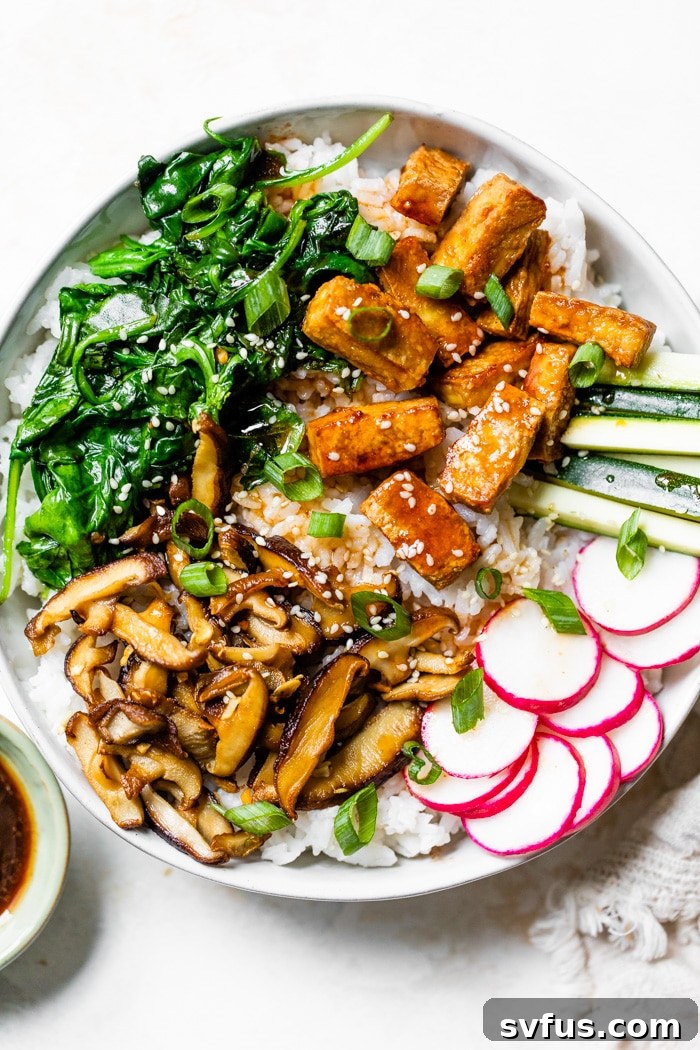
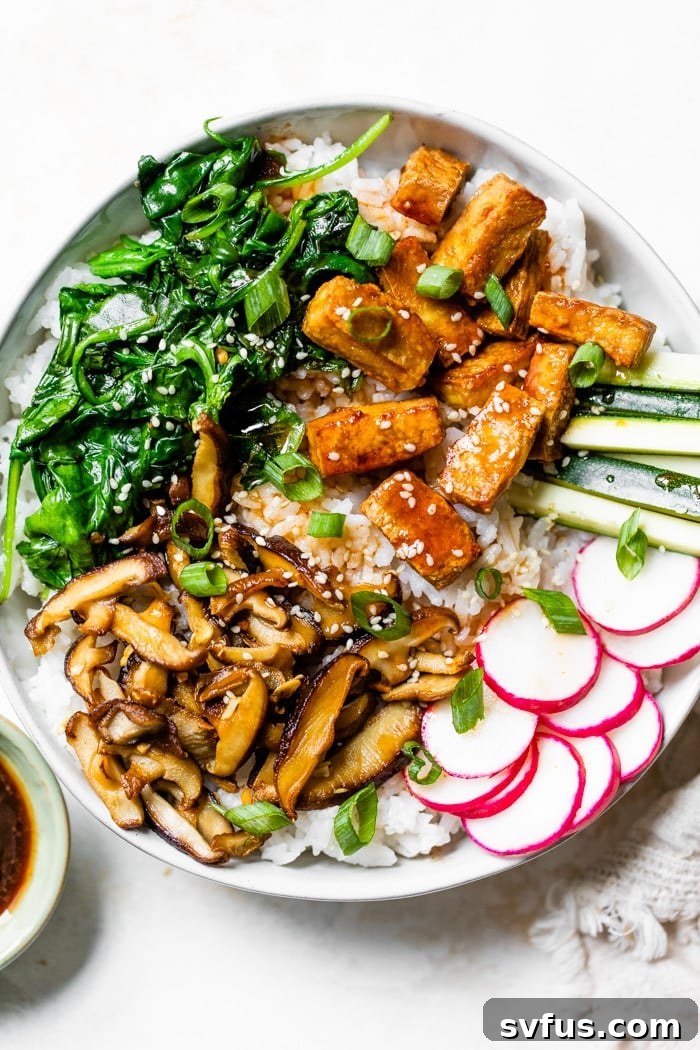
Delight your taste buds with this vibrant and nourishing Vegan Bibimbap, a plant-based reimagining of the beloved Korean classic. This recipe captures all the traditional flavors and textures you adore, but with a wholesome, animal-free twist. Featuring a fragrant jasmine rice base, it’s generously topped with perfectly crispy tofu, earthy sautéed mushrooms, fresh spinach, crisp radishes, and a delectable, savory-sweet sauce that ties every ingredient together in perfect harmony. It’s not just a meal; it’s a bowl of colorful culinary art, designed to be as satisfying for your palate as it is for your well-being.
Disclaimer: This post is sponsored by USA Rice and The Feedfeed. As always, all opinions are my own. Thank you for supporting brands that support this site!
The Irresistible Appeal of Bibimbap: A Plant-Based Revolution
For those who’ve experienced the magic of bibimbap, the attraction is undeniable. My own journey with this incredible dish began at a charming Pittsburgh eatery called Green Pepper, and from that first bite, I was utterly captivated. Traditional bibimbap, meaning “mixed rice,” typically features ingredients like seasoned ground beef, a fried egg, and an assortment of sautéed vegetables, all artfully arranged over a bed of warm rice and crowned with a spicy gochujang sauce. While these elements are undoubtedly delicious, I discovered that the essence of bibimbap – its vibrant colors, diverse textures, and harmonious flavors – can be perfectly achieved and even enhanced through plant-based ingredients. This vegan rendition proves that you don’t need meat or eggs to create a truly authentic and incredibly satisfying bibimbap experience, making it accessible and enjoyable for everyone seeking a wholesome and compassionate meal.
Why Choose Vegan Bibimbap?
- Crispy Tofu Perfection: Instead of traditional ground beef, this recipe hero-features my signature crispy baked tofu. The transformation of humble tofu into golden, flavorful bites with a delightful crunch is simply fantastic, offering a protein-packed element that rivals its conventional counterpart.
- Premium U.S.-Grown Jasmine Rice: The foundation of any great bibimbap is its rice, and here we use U.S.-grown jasmine rice. Known for its aromatic fragrance and slightly sticky texture, it’s the perfect canvas, absorbing the rich flavors of the toppings and sauce while providing a satisfying chew. Supporting U.S. rice farmers also means prioritizing quality and sustainability.
- Endless Vegetable Customization: One of the most beautiful aspects of bibimbap is its flexibility. This recipe embraces that spirit, allowing you to use whatever fresh vegetables you have on hand or what’s in season. It’s a wonderful way to minimize food waste and explore different flavor profiles with every meal, ensuring a diverse and nutrient-rich bowl every time.
The U.S. Rice Story: Quality from Farm to Table
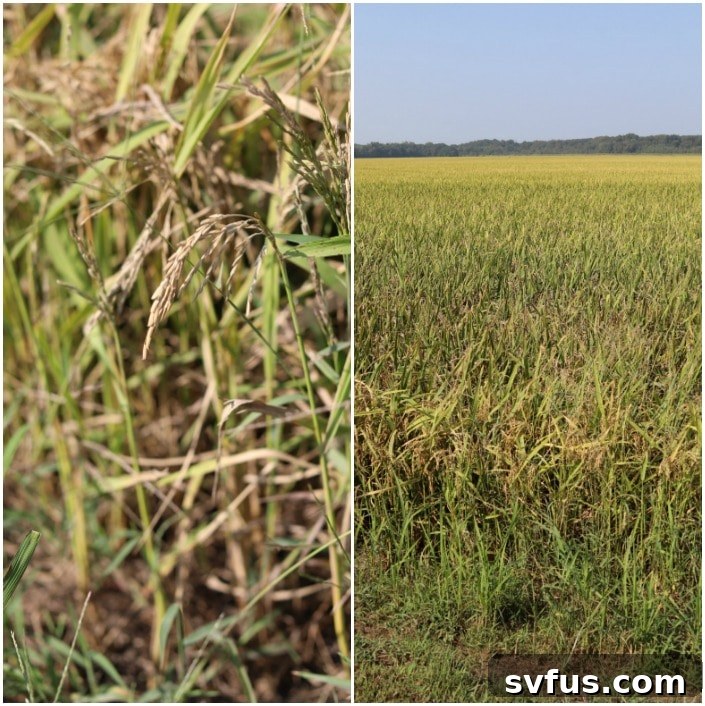
This delightful recipe is brought to you in partnership with USA Rice and The Feedfeed, shining a spotlight on the exceptional quality of U.S.-grown rice. My recent trip to Little Rock, Arkansas, was an eye-opening and incredibly educational experience, offering a firsthand look into the meticulous world of rice cultivation. Visiting Ralston Family Farms, I witnessed the entire harvesting process, gaining a profound appreciation for the dedication and expertise involved in bringing this staple grain to our tables. The journey was not only fun and fascinating but also deeply informative, particularly highlighting the significant advantages of choosing rice grown right here in the U.S.
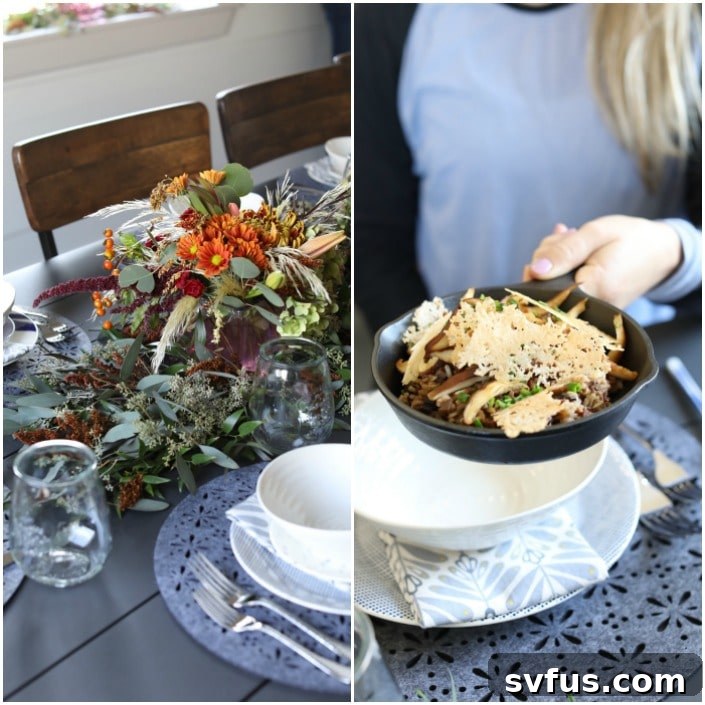
One of the most important takeaways from my visit was the paramount importance of sourcing U.S.-grown rice, or indeed any food product, due to superior quality standards. The United States boasts some of the highest food regulation standards globally, which translates directly into a consistently better end product for consumers. These stringent regulations encompass everything from farming practices and pesticide use to environmental protection and worker safety, ensuring that every grain of rice is produced with integrity and care. This commitment to excellence guarantees not only the purity and safety of the food but also its exceptional taste and texture. After our enlightening tour of the rice farm, we indulged in a magnificent multi-course lunch, where U.S.-grown rice was the star in every dish – and it was absolutely amazing. The flavors were robust, the textures perfect, and knowing the journey of the rice made each bite even more enjoyable. By choosing U.S.-grown rice, you’re not just selecting a high-quality ingredient; you’re also supporting American farmers, sustainable agricultural practices, and a food system that prioritizes health and safety.

Essential Ingredients for Your Vegan Bibimbap
Crafting this delicious vegan bibimbap requires a few key ingredients, each playing a vital role in achieving that authentic flavor and texture. Here’s a detailed look at what you’ll need:
- U.S.-Grown Jasmine Rice: As the star of our dish, fragrant jasmine rice forms the perfect sticky and aromatic base. Its delicate flavor complements the rich toppings beautifully.
- Super Firm Tofu: This is our crispy protein powerhouse. Super firm tofu is essential because it holds its shape well and gets wonderfully crispy when baked. Remember to press it thoroughly to remove excess water, which is key to its texture. (My tofu press is an invaluable tool for this!)
- Shiitake Mushrooms: These bring a fantastic umami depth and a delightful chewiness to the bowl. Their earthy flavor pairs wonderfully with the other ingredients.
- Radishes: Sliced thin, radishes add a refreshing crunch and a hint of peppery spice, contrasting beautifully with the cooked elements.
- Spinach: A quick sauté transforms fresh spinach into a tender, nutrient-rich component, adding a subtle sweetness and vibrant green color.
- Zucchini: Sliced thinly and left raw, zucchini contributes a fresh, light bite and another layer of texture.
- Garlic: Minced garlic is used to infuse the sautéed vegetables with an aromatic foundation, boosting their overall flavor.
- For the Flavorful Sauce:
- Soy Sauce (or Tamari for Gluten-Free): Provides the essential salty and umami backbone.
- Toasted Sesame Oil: Offers a nutty, aromatic depth that is characteristic of Korean cuisine.
- Maple Syrup: Adds a touch of natural sweetness to balance the savory and spicy notes.
- Gochujang: This Korean chili paste is non-negotiable for authentic bibimbap flavor. It delivers a rich, complex spiciness with a hint of sweetness and fermentation.
Step-by-Step Guide to Crafting Your Vegan Bibimbap
Creating this delicious vegan bibimbap is simpler than you might think, and each step is designed for maximum flavor and minimal fuss. Follow these detailed instructions to assemble your vibrant Korean bowl:
1. Perfecting the Rice Base
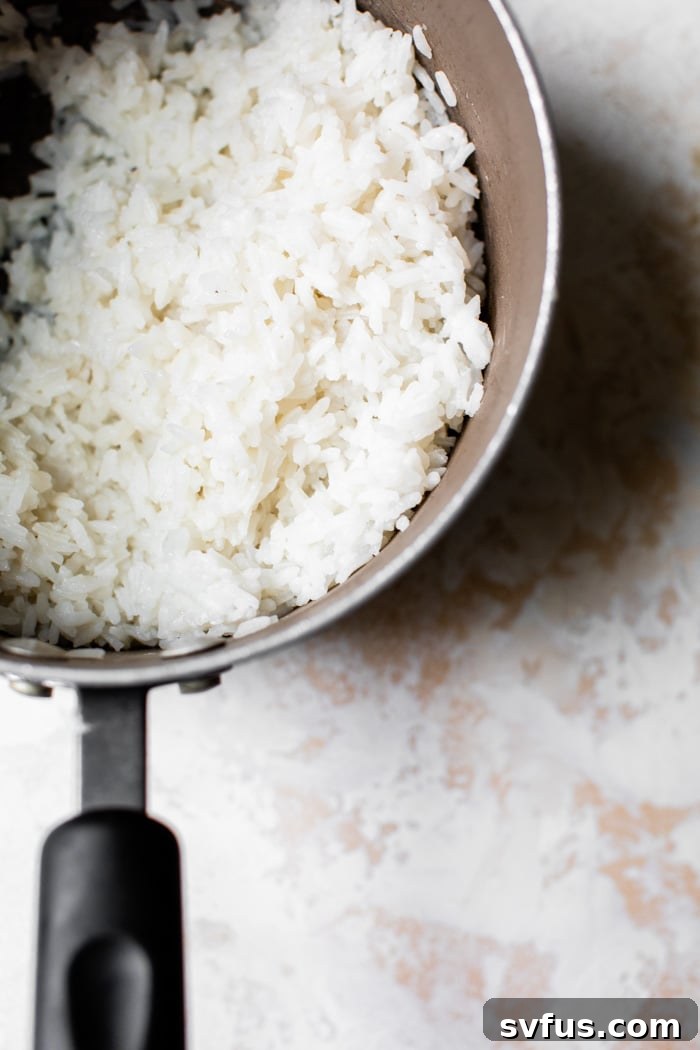
The foundation of any great bibimbap is perfectly cooked rice. While it seems straightforward, achieving the ideal fluffy, slightly sticky texture is crucial. Begin by cooking your U.S.-grown jasmine rice according to the package instructions. Most rice varieties benefit from a thorough rinse before cooking to remove excess starch, which helps prevent sticking and results in a cleaner flavor. Whether you use a rice cooker, instant pot, or stovetop method, precise water-to-rice ratios and undisturbed cooking are key. Once cooked, let the rice rest for a few minutes before fluffing it with a fork; this allows the steam to redistribute and ensures each grain is distinct and tender.
2. Baking the Crispy Tofu
Our star protein, the crispy baked tofu, is a game-changer. I’ve found baking tofu to be my new favorite method over frying, primarily because it achieves incredible crispiness without requiring a drop of oil. This not only makes the dish healthier but also simplifies the cooking process. Before baking, it is absolutely essential to press your super firm tofu to remove as much excess water as possible. This step prevents soggy tofu and ensures it crisps up beautifully in the oven. Cut your pressed tofu into bite-sized cubes or strips. For a comprehensive, step-by-step tutorial on how to achieve that perfect crispy texture, refer to my dedicated guide. Bake until golden brown and firm, flipping halfway through for even crispiness. The resulting texture will be fantastic, offering a satisfying crunch that complements the soft rice and tender vegetables.
3. Sautéing and Preparing the Vegetables
While your tofu bakes, turn your attention to the vibrant array of vegetables. Heat a small amount of olive oil (optional) in a large skillet or wok over medium heat. Add the sliced shiitake mushrooms and minced garlic. Sauté for about 5 minutes, or until the mushrooms are tender and slightly browned, and the garlic is fragrant. The mushrooms will release their moisture and then reabsorb it, intensifying their umami flavor. Use a slotted spoon to remove the cooked mushrooms and garlic from the skillet, setting them aside. Next, add the fresh spinach to the same skillet. Sauté for just 2-3 minutes, or until the spinach has wilted and brightened in color. Its mild flavor and tender texture are a delightful addition. For the radishes and zucchini, I prefer to keep them raw and thinly sliced. This preserves their crisp texture and refreshing bite, adding a crucial element of contrast to the cooked components.
4. Whisking the Signature Bibimbap Sauce
The sauce is the soul of bibimbap, tying all the diverse elements together with a harmonious blend of sweet, salty, savory, and spicy notes. In a small bowl, whisk together the soy sauce (or tamari), maple syrup, toasted sesame oil, and gochujang. Taste and adjust to your preference – you might like it a little spicier with more gochujang, or a touch sweeter with extra maple syrup. This four-ingredient sauce is incredibly potent and flavorful, providing that authentic Korean kick.
5. Assembling Your Bibimbap Bowl
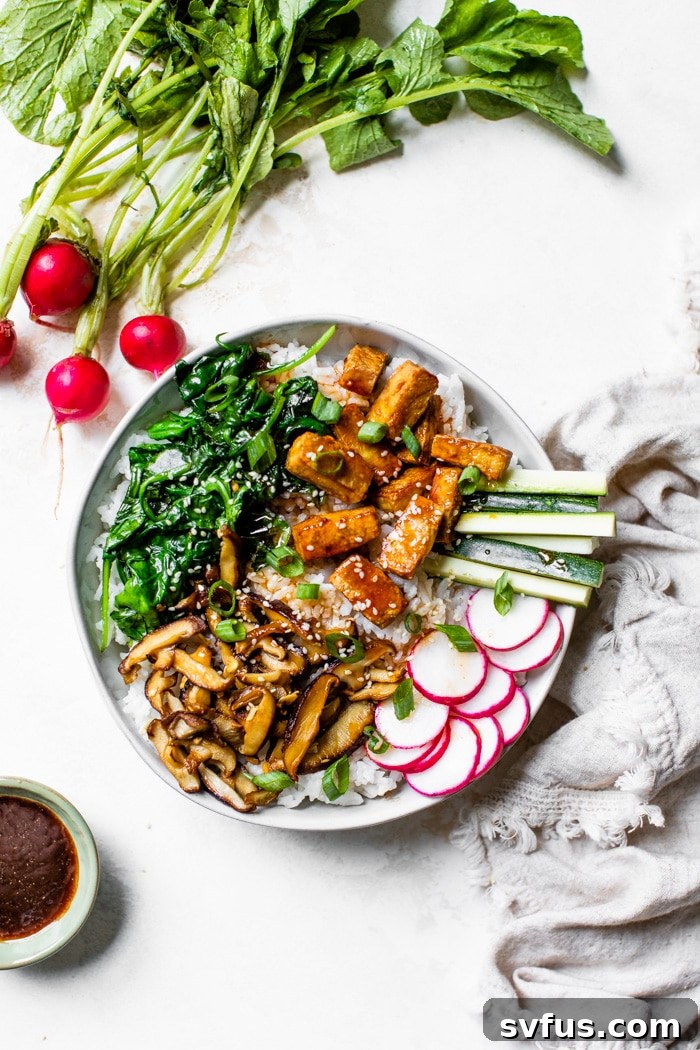
Now comes the most exciting part: assembly! Scoop the warm jasmine rice into the bottom of a large serving bowl. Around the rice, artfully arrange each topping in separate segments. Create distinct sections for the crispy tofu, sautéed mushrooms with garlic, wilted spinach, thinly sliced raw radishes, and fresh zucchini slices. This segmented presentation is classic bibimbap style and makes for a visually stunning dish. Finally, generously drizzle your homemade bibimbap sauce over all the ingredients. Before eating, take a moment to admire your colorful creation, then thoroughly mix everything together with your spoon. Each mouthful will be a symphony of flavors and textures – soft rice, crunchy tofu, earthy mushrooms, fresh greens, and that irresistible spicy-sweet sauce. Enjoy your homemade vegan bibimbap, a truly nourishing and delicious meal!
Customization and Variations: Make It Your Own
One of the many joys of bibimbap, whether traditional or vegan, is its incredible versatility. The recipe provided here offers a fantastic base, but feel free to let your creativity shine and adapt it to your preferences, dietary needs, or whatever fresh produce you have available. The concept of “mixed rice” truly encourages personalization!
Explore Different Vegetables
Beyond the spinach, mushrooms, radishes, and zucchini included in this recipe, a myriad of other vegetables would be absolutely delicious in your bibimbap bowl. Consider adding:
- Carrots: Julienne them thinly and sauté briefly, or leave them raw for a refreshing crunch.
- Bok Choy: Lightly steam or quickly stir-fry for a tender, slightly bitter element.
- Cucumber: Thinly slice or julienne and serve raw for a cool, crisp contrast, especially refreshing in warmer weather.
- Bean Sprouts: A classic bibimbap addition, lightly blanch or sauté for a few minutes for a delicate crunch and nutty flavor.
- Bell Peppers: Sliced thinly and either sautéed or kept raw for a sweet, vibrant crunch.
- Edamame: Cooked and shelled edamame adds a pop of color and extra protein.
- Kimchi: While often served as a side, a small amount of homemade or store-bought vegan kimchi can add a fantastic fermented kick and depth of flavor directly into your bowl.
Remember, the goal is a beautiful array of colors, textures, and nutrients. Don’t be afraid to mix and match!
Protein Alternatives and Enhancements
While crispy tofu is a stellar choice for this vegan bibimbap, you can also experiment with other plant-based proteins:
- Tempeh: Marinated and crumbled or sliced tempeh can be pan-fried or baked for a different texture and nutty flavor.
- Seitan: If you enjoy seitan, slice it thinly and sauté with a touch of soy sauce for a meaty, chewy addition.
- Chickpeas or Lentils: Roasted chickpeas or seasoned lentils can offer an easy and nutritious protein boost.
Sauce Adjustments and Dietary Considerations
The gochujang sauce is wonderfully adaptable:
- Spiciness: Adjust the amount of gochujang to your heat preference. For less spice, reduce it; for more, add a little extra or a dash of sriracha.
- Sweetness: If you prefer a sweeter sauce, add a bit more maple syrup or a touch of agave nectar.
- Gluten-Free: Ensure you use tamari instead of soy sauce to make the entire dish gluten-free. Always check that your gochujang is also gluten-free, as some brands may contain wheat.
- Oil-Free: To make this dish entirely oil-free, you can steam or dry-sauté your vegetables with a splash of water or vegetable broth instead of oil. The baked tofu method already uses minimal to no oil, depending on your pan/baking sheet.
By embracing these variations, you can enjoy vegan bibimbap again and again, discovering new favorite combinations with each creation!
Other Delicious Vegan Recipes to Explore
If you’ve enjoyed this delightful Vegan Bibimbap, you’re in for a treat! The world of plant-based cuisine is vast and exciting, offering countless delicious and satisfying meals. Here are a few more of my favorite vegan recipes that you might love to try next:
- Easy Vegan Ramen: A comforting and deeply flavorful bowl, perfect for a cozy evening.
- Instant Pot Vegetable Soup: Quick, hearty, and packed with fresh vegetables – a perfect weeknight meal.
- Vegan Eggplant Parmesan: A classic Italian comfort food reimagined, featuring tender eggplant and rich marinara.
Vegan Bibimbap
Erin Alvarez
2
10 mins
30 mins
40 mins
This Vegan Bibimbap recipe is a plant-based version of your favorite bibimbap recipe! It uses jasmine rice as a base and is topped with crispy tofu, mushrooms, spinach, and a flavorful sauce drizzled on top.
Ingredients
- 1 cup U.S.-grown jasmine rice
- 1 block super firm tofu, pressed
- 2 cups shiitake mushrooms
- 2 garlic cloves, minced
- 4 radishes, sliced
- 1/2 zucchini, sliced
- 3 cups spinach
for the sauce:
- 2 tbsp soy sauce
- 1 tbsp maple syrup
- 2 tsp toasted sesame oil
- 2 tsp gochujang
Instructions
- Cook the rice according to the instructions on the package. While the rice is cooking, bake the tofu.
- After you’ve flipped the tofu, start cooking the vegetables. Heat olive oil in a large skillet, then add the mushrooms and garlic and sauté them for about 5 minutes. Use a slotted spoon to remove the mushrooms and garlic, then add the spinach to that same skillet and sauté for 2-3 minutes.
- Last, make the sauce: whisk soy sauce, maple syrup, sesame oil, and gochujang together and set aside.
- Pour rice into a bowl then arrange everything into segments in your bowl: the tofu, mushrooms, spinach, radishes, and zucchini. Drizzle everything with the sauce and enjoy!
Notes
Make sure to use super or extra firm tofu, and to always press it beforehand!
*Can use tamari in place of soy sauce for a gluten-free option.
Nutrition
Calories: 396kcal | Carbohydrates: 55g | Protein: 26g | Fat: 10g | Saturated Fat: 1g | Sodium: 1196mg | Potassium: 1496mg | Fiber: 8g | Sugar: 16g | Vitamin A: 4318IU | Vitamin C: 24mg | Calcium: 138mg | Iron: 5mg
Did you make this recipe? We’d love to hear from you! Leave a comment below and share your experience.