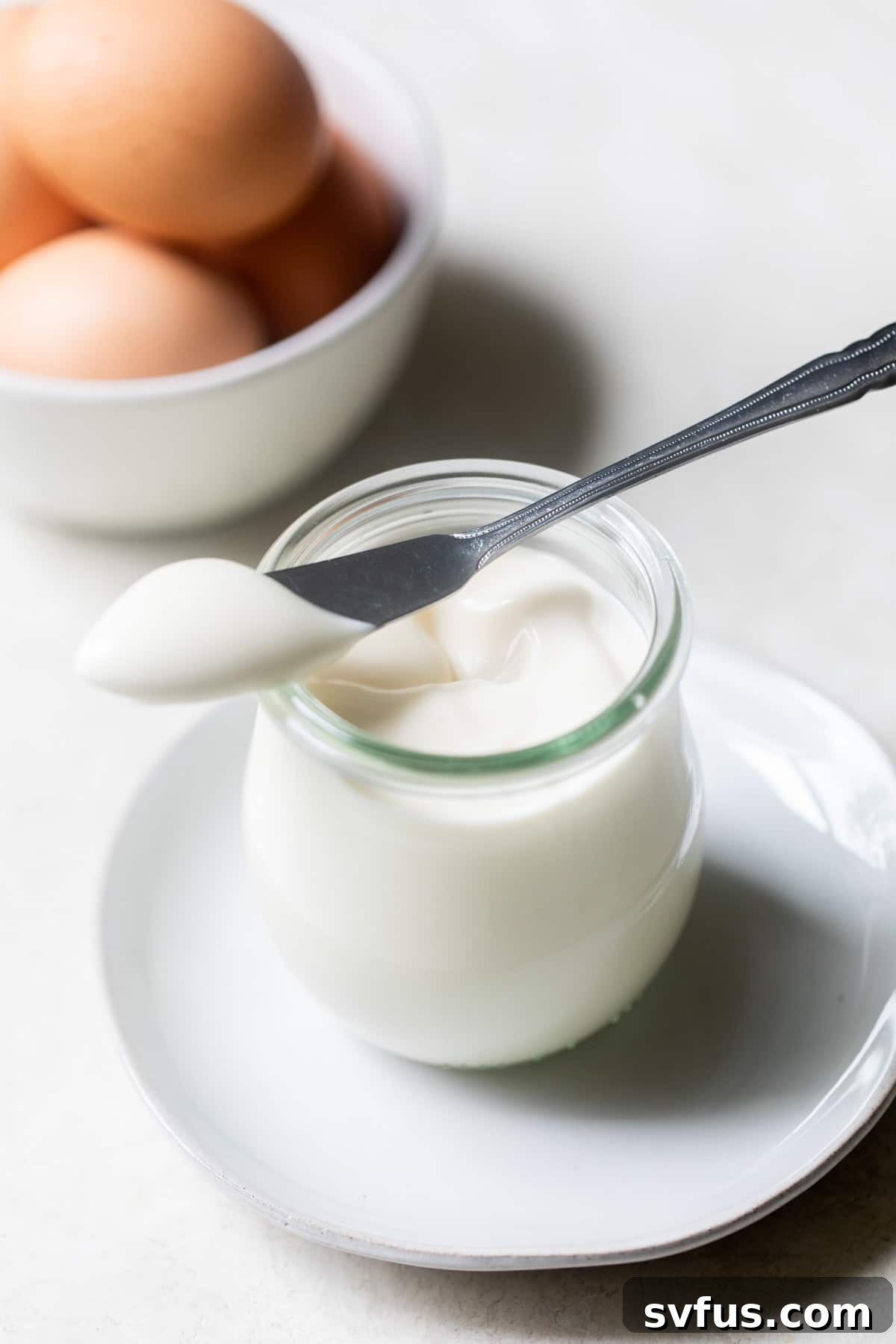
Homemade Avocado Oil Mayonnaise: Your 8-Minute Paleo & Whole30 Kitchen Staple
Transform your cooking with this incredibly simple recipe for homemade avocado oil mayonnaise. In just 8 minutes, using only 5 basic ingredients, you can whip up a batch of creamy, delicious mayo that’s not only fresh but also perfectly suited for Paleo and Whole30 lifestyles. Say goodbye to store-bought versions filled with unhealthy oils and additives, and embrace the clean, wholesome goodness of a truly homemade condiment.
For many households, mayonnaise is a kitchen essential, a versatile condiment that elevates everything from sandwiches to salads. If you’re a mayonnaise enthusiast like us, you know the struggle of finding a store-bought option that aligns with specific dietary needs like Paleo or Whole30, or simply one that offers the pure taste and quality you desire. That’s precisely why mastering the art of homemade mayonnaise is a game-changer. This recipe for avocado oil mayonnaise will quickly become your go-to, delivering a rich flavor and smooth texture with minimal effort and maximum health benefits.
Why Choose Homemade Avocado Oil Mayonnaise?
Making your own mayonnaise offers numerous advantages over store-bought alternatives. Primarily, it gives you complete control over the ingredients, allowing you to avoid undesirable additives, preservatives, and unhealthy oils often found in commercial products. With this recipe, you’re not just making mayonnaise; you’re crafting a healthier, tastier condiment from scratch. The fresh flavor is incomparable, and the satisfaction of creating something so fundamental in your own kitchen is immense.
- Unbeatable Freshness: Experience a vibrant, clean flavor that store-bought mayo simply can’t match.
- Dietary Compliance: This recipe is naturally gluten-free, dairy-free, Paleo, and Whole30 compliant, making it a perfect fit for specific dietary frameworks.
- Healthy Fats: Avocado oil is rich in monounsaturated fats, known for their heart-healthy benefits. It’s a far superior choice to soybean or canola oils commonly used in commercial mayos.
- No Unnecessary Additives: Skip the sugars, artificial flavors, and preservatives that often sneak into store-bought condiments.
- Quick & Easy: Believe it or not, delicious homemade mayonnaise can be ready in under 8 minutes with just 5 ingredients.
The Power of Avocado Oil in Mayonnaise
Avocado oil is the star ingredient in this recipe, and for good reason. Unlike many other oils, avocado oil has a very neutral flavor profile, meaning it won’t overpower the delicate balance of your mayonnaise. This allows the subtle tang of lemon and mustard to shine through, creating a perfectly balanced condiment. Beyond its taste, avocado oil boasts an impressive nutritional profile, packed with healthy monounsaturated fats that are good for your heart and overall well-being. It’s also a fantastic source of Vitamin E and antioxidants. When selecting avocado oil, opt for a high-quality, cold-pressed variety for the best flavor and nutritional benefits.
While other oils can be used for mayonnaise, avocado oil is particularly ideal for those following Paleo and Whole30 guidelines due to its clean processing and beneficial fat composition. Regular olive oil (not extra virgin, as its strong flavor can be overwhelming) can be a suitable substitute if absolutely necessary, but avocado oil truly yields the best results for this recipe.
Essential Ingredients for Perfect Mayonnaise
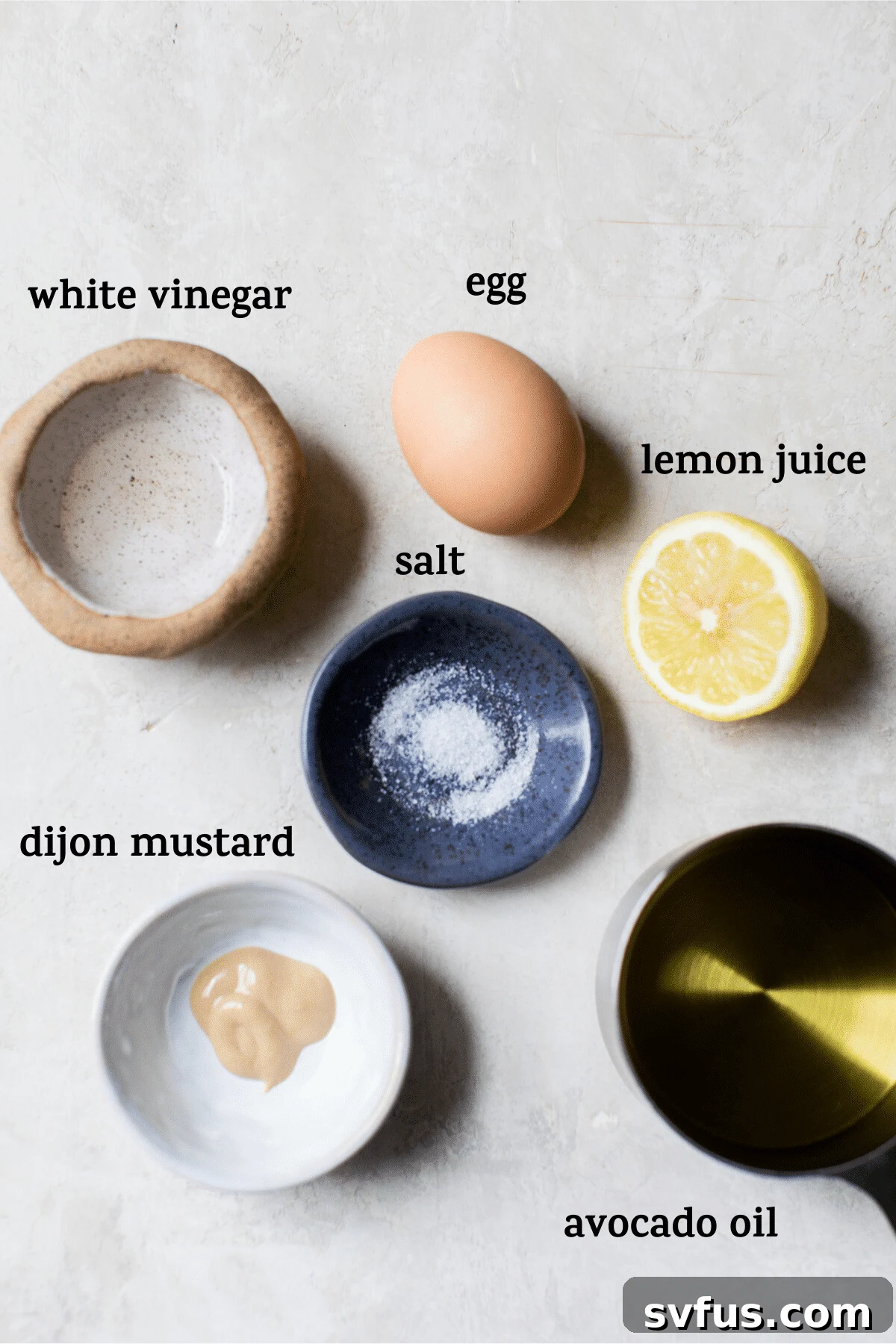
Crafting exceptional mayonnaise requires just a handful of quality ingredients. Each plays a crucial role in achieving that perfect creamy texture and balanced flavor.
- Egg: This is the emulsifier that binds everything together. You only need one, but a fresh, room-temperature egg is an absolute must. Room temperature eggs emulsify much more readily, preventing your mayonnaise from splitting.
- Distilled White Vinegar: Provides the necessary acidity to balance the richness of the oil and contributes to the mayo’s shelf life. It also helps in the emulsification process.
- Fresh Lemon Juice: Adds a bright, zesty note that complements the other flavors beautifully. Always opt for fresh lemon juice over bottled for superior taste.
- Dijon Mustard: More than just a flavor enhancer, Dijon mustard contains compounds that act as emulsifiers, helping to stabilize the mayonnaise. A little goes a long way, but it’s key for both flavor and texture. You can substitute regular mustard, but it may subtly alter the final taste.
- Avocado Oil: As mentioned, this is our preferred oil for its neutral flavor and healthy fat profile. Its light taste ensures the mayonnaise is versatile enough for any dish without imparting a strong, distinct oil flavor. This recipe has been specifically optimized for avocado oil, but if you need a substitution, a light, neutral-flavored olive oil (not extra virgin) could work.
- Salt: A pinch of salt is vital for seasoning and enhancing all the other flavors, bringing the entire condiment into harmony.
Step-by-Step Guide to Homemade Avocado Oil Mayonnaise
Making mayonnaise in a food processor is remarkably straightforward. Follow these steps carefully for a foolproof batch every time.
Step 1: Prepare the Egg Base
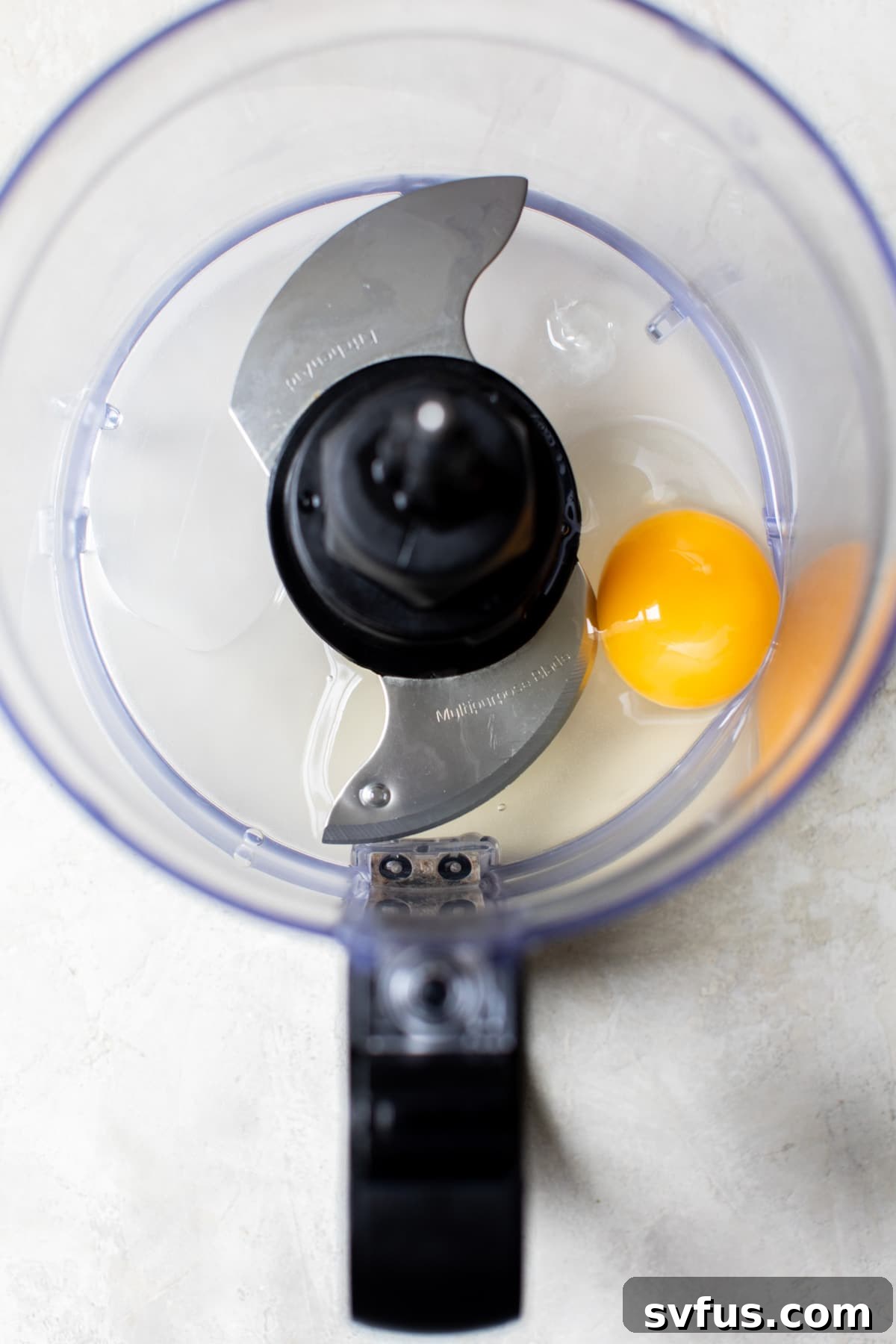
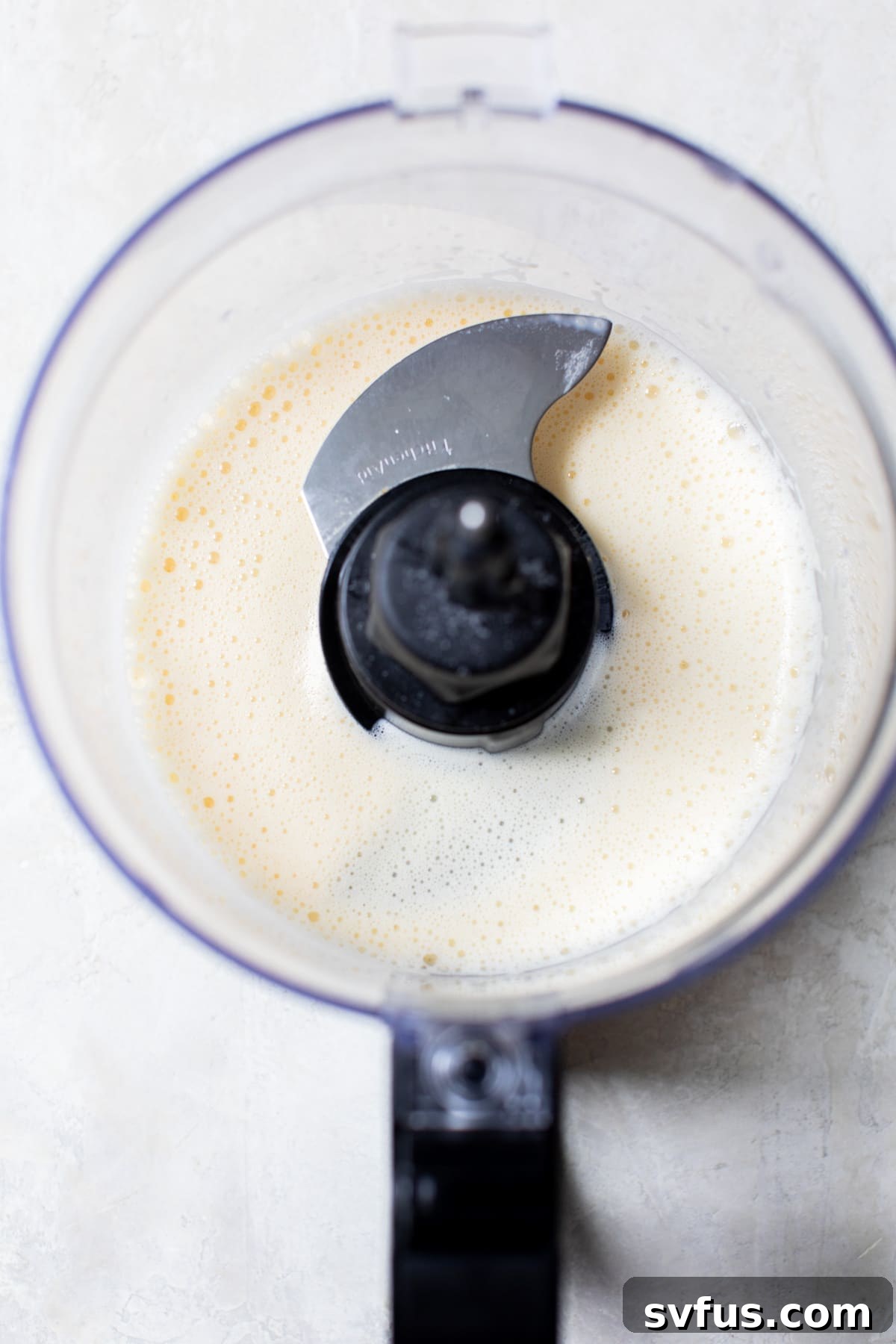
Begin by cracking your room-temperature egg into the bowl of your food processor. Pulse for approximately 20 seconds. This initial step helps to break down the egg yolk and prepare it for emulsification.
Step 2: Add Flavor and Acidity
Next, add the distilled white vinegar, fresh lemon juice, Dijon mustard, and salt to the food processor with the egg. Pulse again for another 20 seconds. This thoroughly combines these ingredients, creating a flavorful and acidic base for your mayonnaise and further preparing the mixture for emulsification.
Step 3: The Crucial Slow Oil Stream
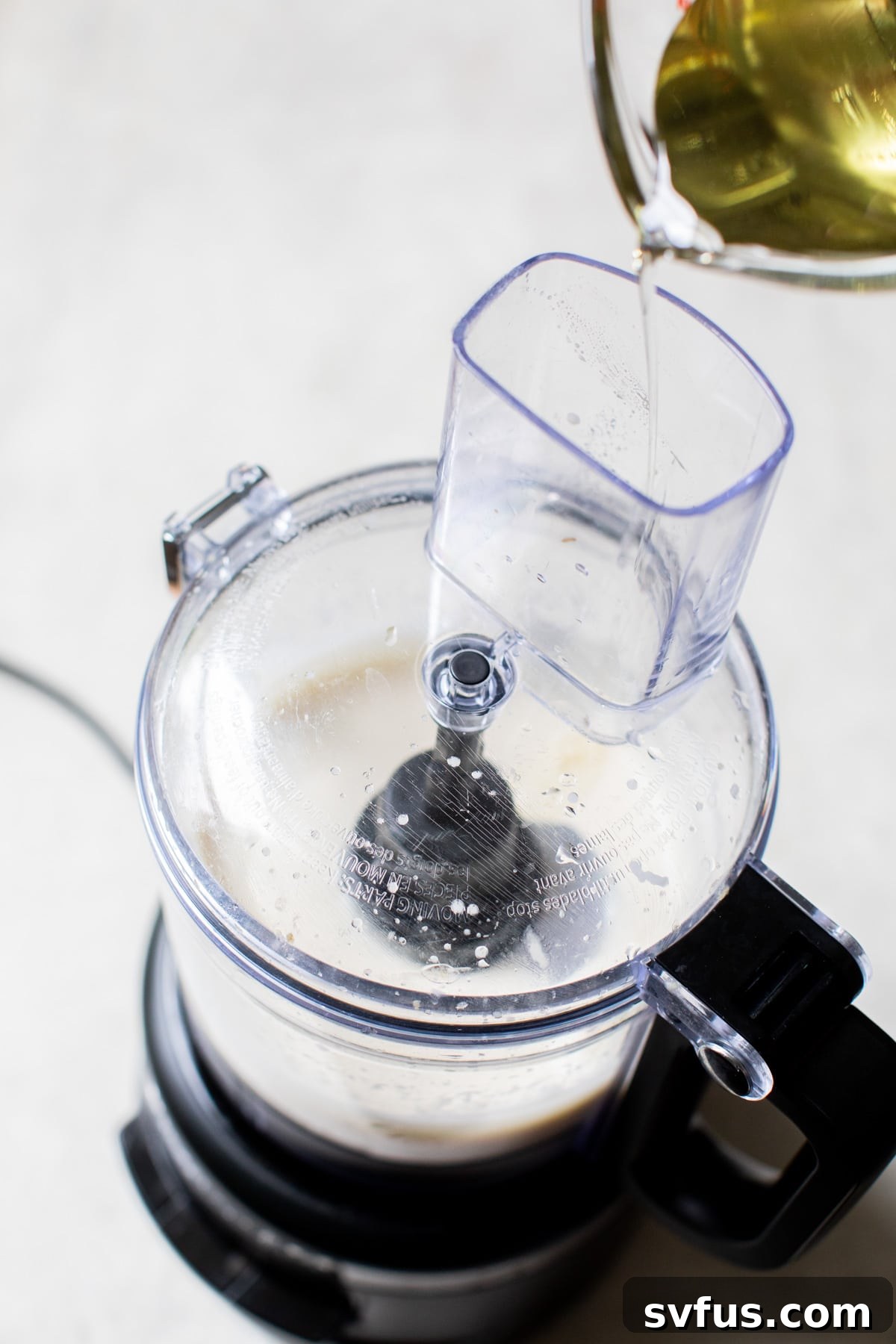
This step is the most critical for successful mayonnaise. With the food processor running continuously, slowly begin to add the avocado oil. Precision here is key. I recommend pouring your measured avocado oil into a glass measuring cup for easier handling. Then, use a 1/2 teaspoon measuring spoon to gradually spoon the oil into the food processor through the feed tube, adding it literally a little at a time. Continue this methodical spoon-feeding for a full two minutes. This ensures the oil is incorporated extremely slowly, allowing the emulsion to properly form. After these two minutes, you can transition to a very thin, fine stream of oil, continuing to pour it in through the feed tube. As you approach the end of the oil, you should observe the mixture thickening noticeably, transforming into the creamy texture of mayonnaise. Patience is a virtue in this stage; a slow and steady addition of oil prevents the emulsion from breaking.
Step 4: Final Check and Storage
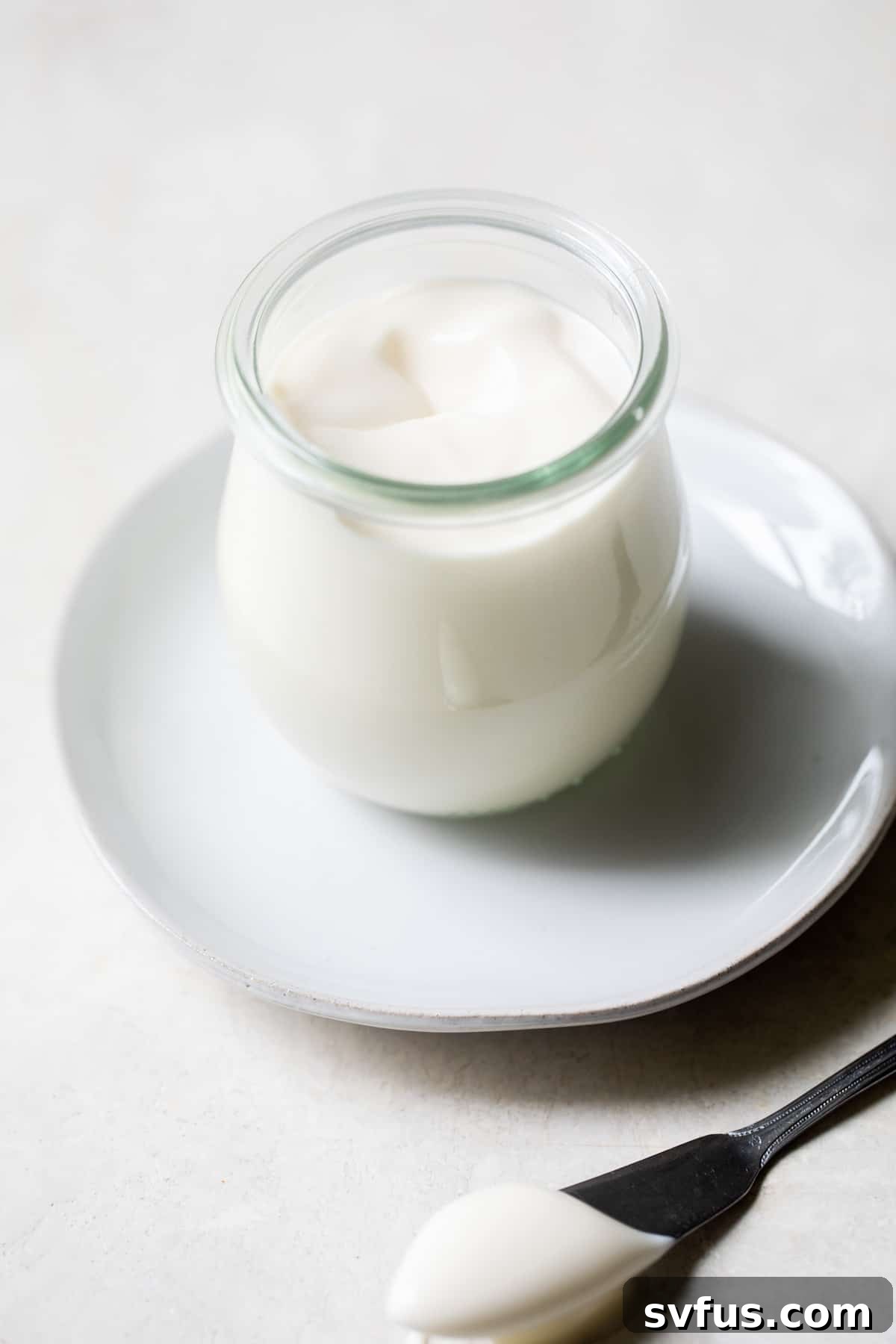
Once all the oil has been incorporated, your mixture should have achieved the characteristic thick and creamy consistency of mayonnaise. Sometimes, the transformation happens quite suddenly towards the very end of the oil addition, so remain patient. Transfer your freshly made avocado oil mayonnaise into a clean glass jar. Store it tightly sealed in the refrigerator for up to two weeks. Enjoy the fruits of your labor!
Expert Tips for Mayonnaise Success & Troubleshooting
Achieving the Perfect Emulsion
The secret to perfect homemade mayonnaise lies in the slow, gradual addition of oil. This creates a stable emulsion where tiny droplets of oil are suspended in the egg and acid mixture. Adding oil too quickly is the most common reason for mayonnaise to separate or “break.” Ensure your ingredients, especially the egg, are at room temperature, as this also aids in emulsification.
What if My Mayonnaise Breaks?
Don’t despair if your mayonnaise separates into an oily mess! It’s usually fixable. In a separate clean bowl, whisk an additional egg yolk or a tablespoon of Dijon mustard. Then, very slowly, drip the broken mayonnaise mixture into this new base while whisking vigorously or processing in the food processor. It should re-emulsify. Alternatively, you can try adding a teaspoon of hot water to the broken mayo while whisking, which can sometimes help bring it back together.
Can I Use an Immersion Blender?
Absolutely! An immersion blender is another excellent tool for making mayonnaise, often even quicker than a food processor for small batches. Place all ingredients (except the oil) in a jar or container that just fits the head of your immersion blender. Pour the oil on top. Place the immersion blender at the bottom of the container and blend without moving it until an emulsion starts to form at the bottom. Then, slowly lift the blender head upwards until all the oil is incorporated.
Storage and Shelf Life
Homemade mayonnaise, because it contains raw egg, has a shorter shelf life than its store-bought counterparts. Properly stored in an airtight container in the refrigerator, it will last for up to two weeks. Always use a clean spoon when scooping out mayonnaise to prevent contamination.
Frequently Asked Questions (FAQs)
Do I have to use avocado oil?
While mayonnaise can technically be made with other oils, this specific recipe has been tested and perfected using avocado oil. Its neutral flavor and health benefits make it an ideal choice. If you absolutely need a substitution, regular olive oil (not extra virgin, as its strong flavor can be overpowering) should work, but the taste profile will be different.
How long will this homemade mayonnaise last?
When stored in an airtight jar in the refrigerator, your homemade avocado oil mayonnaise will stay fresh and delicious for up to two weeks. Always trust your senses; if it looks or smells off, it’s best to discard it.
Can I freeze homemade mayonnaise?
No, freezing homemade mayonnaise is not recommended. The emulsion will break when thawed, resulting in a separated, unappetizing consistency.
Does this recipe fit my dietary needs?
Yes, absolutely! This homemade avocado oil mayonnaise is naturally gluten-free, dairy-free, Paleo-friendly, and Whole30 compliant. It’s a perfect condiment for those following these dietary protocols, providing a wholesome fat source without compromise.
Delicious Ways to Use Your Homemade Mayonnaise
Once you’ve experienced the rich flavor and smooth texture of homemade avocado oil mayonnaise, you’ll want to put it on everything! Here are some fantastic ideas to get you started:
- Whole30 Chicken Salad: A classic pairing! Use your homemade mayo for a fresh and compliant chicken salad.
- Tuna Pasta Salad: Elevate your tuna salad (or even a tuna-less pasta salad) with this creamy dressing.
- Pan-Seared Salmon Burgers: A dollop of this mayo (perhaps with a squeeze of lemon and a minced garlic clove for an instant aioli) is perfect for fish burgers.
- Chipotle Deviled Eggs: Use it as the base for incredibly flavorful deviled eggs. Add a touch of smoked paprika or chipotle for an extra kick.
- Spicy Lamb Meatballs: Serve as a cooling dip alongside spicy meatballs or other flavorful dishes.
- Sandwiches & Wraps: Spread generously on your favorite sandwiches or wraps for added moisture and flavor.
- Dipping Sauce: Fantastic as a dip for roasted vegetables, sweet potato fries, or grilled chicken.
- Salad Dressings: Form the base for creamy salad dressings by whisking in additional lemon juice, herbs, and spices.
Recipe: Avocado Oil Mayonnaise
By: Erin Alvarez
Servings: 8
Prep Time: 8 mins
Total Time: 8 mins
Learn how simple it is to make your own Avocado Oil Mayonnaise in just 8 minutes with only 5 ingredients. Plus, it’s Paleo+Whole30, too!
Ingredients
- 1 egg (room temperature is best)
- 1 tbsp distilled white vinegar
- 1 1/2 tbsp fresh lemon juice
- 1 tsp Dijon mustard
- 1/4 tsp salt
- 1 1/4 cup avocado oil
Instructions
- Add the room-temperature egg to your food processor and pulse for 20 seconds.
- Add the vinegar, lemon juice, mustard, and salt to your food processor and pulse for an additional 20 seconds to combine well.
- Pour the avocado oil into a glass measuring cup. With the food processor still running, begin adding the avocado oil through the feed tube. For the first 2 minutes, use a 1/2 tsp measuring spoon to spoon in the oil very slowly, drop by drop. After 2 minutes, you can gradually pour in the remaining oil in a very fine, thin stream. This slow and steady addition is crucial for proper emulsification.
- Continue processing until the mixture visibly thickens and resembles classic mayonnaise. The texture change might occur quickly towards the end of the oil addition, so be patient.
- Transfer your freshly made mayonnaise to a clean glass jar. Seal tightly and store in the refrigerator for up to 2 weeks.
Notes
- Storage: Store homemade mayonnaise in an airtight jar in the refrigerator for up to 2 weeks.
- Substitution: This recipe was developed specifically for avocado oil due to its neutral flavor and health benefits. If a substitution is absolutely necessary, use regular olive oil (NOT extra virgin) for a different but acceptable flavor profile.
Nutrition Information (per serving)
(Nutrition information is an approximation and can vary based on ingredients used.)
- Calories: 39 kcal
- Carbohydrates: 1g
- Protein: 1g
- Fat: 4g
- Saturated Fat: 1g
- Cholesterol: 20mg
- Sodium: 88mg
- Potassium: 8mg
- Sugar: 1g
- Vitamin A: 30 IU
- Vitamin C: 1mg
- Calcium: 3mg
- Iron: 1mg
Making your own avocado oil mayonnaise is a rewarding experience that yields a superior product to anything you can buy. Not only is it incredibly fresh and flavorful, but it also aligns perfectly with healthy eating goals, including Paleo and Whole30. With just a few simple ingredients and a little patience, you’ll have a versatile, healthy condiment ready to enhance countless meals. Give it a try, and taste the difference!
If you made this recipe, we’d love to hear from you! Please leave a comment and star rating below to share your experience. Thank you!