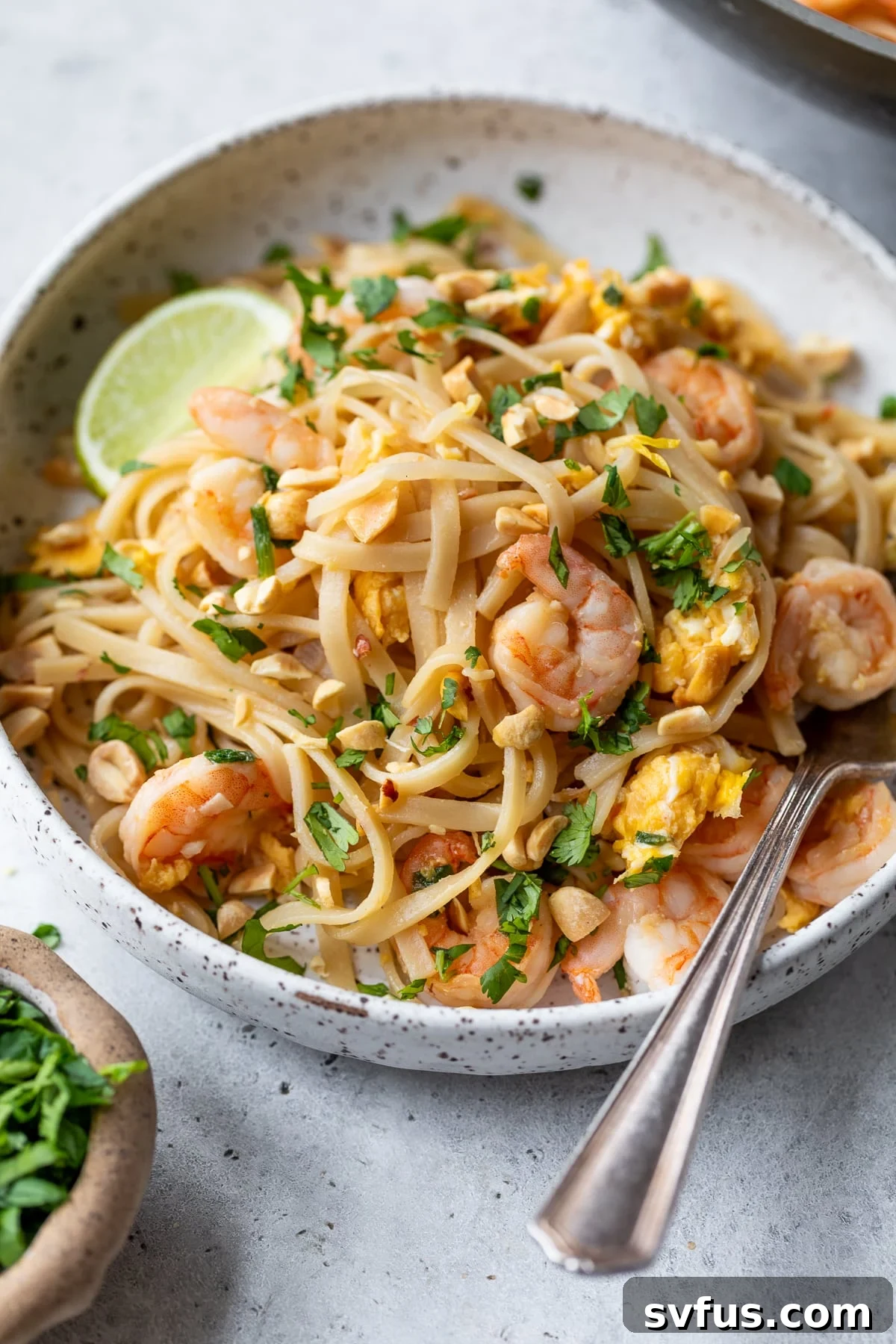
Craving the vibrant, complex flavors of Thai takeout but want to whip it up easily at home? This incredible Shrimp Pad Thai recipe brings the authentic taste of Thailand right into your kitchen in under 30 minutes. Imagine succulent stir-fried shrimp, perfectly cooked rice noodles, fluffy scrambled eggs, and crisp vegetables, all coated in a sensational homemade sauce that balances sweet, savory, tangy, and a hint of spice. It’s not just a meal; it’s an experience – and one that’s surprisingly simple to create!
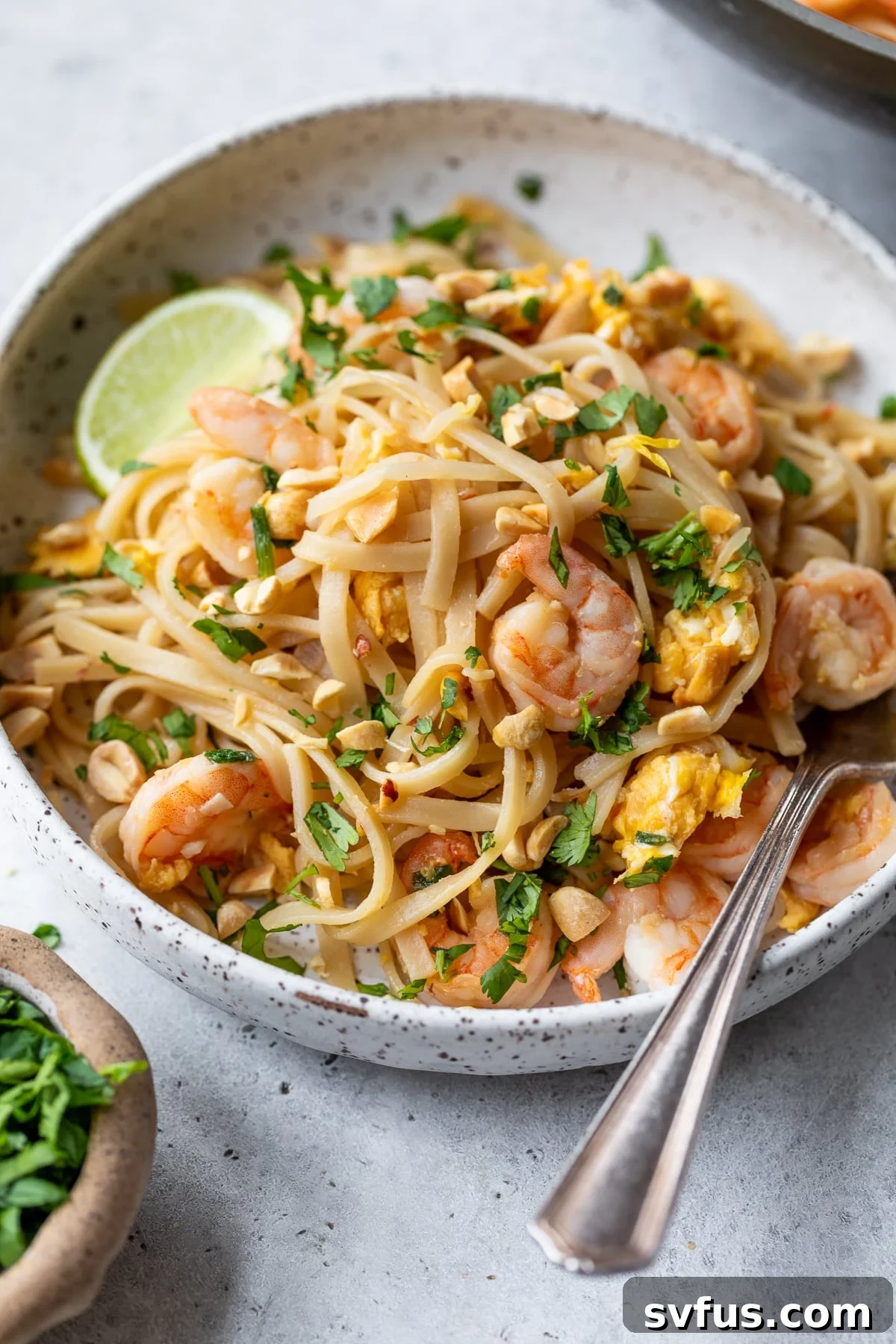
We all have those evenings: the clock ticks past dinner time, your stomach rumbles, and the thought of an elaborate meal is just too much. That’s precisely when a satisfying, quick, and flavorful stir-fry becomes a weeknight hero. The beauty of dishes like Pad Thai or a hearty Shrimp Lo Mein lies in their ability to transform simple ingredients into a gourmet-level dinner with minimal fuss. This Shrimp Pad Thai recipe embodies that spirit, offering a delightful escape from mundane meal prep.
There’s a certain magic to a well-executed Pad Thai. It’s more than just noodles and shrimp; it’s a symphony of textures and tastes. Chewy rice noodles provide the perfect base, while juicy shrimp offer a lean protein punch. The addition of scrambled eggs adds a unique tenderness, and a medley of fresh vegetables brings essential crunch and nutrients. But the true star is the sauce – a carefully crafted blend that hits every corner of your palate, leaving you feeling satisfied and nourished. This recipe, much like my popular Tofu Pad Thai, is designed for convenience without compromising on flavor, ensuring a spectacular dinner that truly hits the spot.
One of the greatest advantages of making homemade Pad Thai is its incredible versatility. It’s a dish that encourages creativity and makes use of whatever fresh ingredients you have on hand. Not a fan of shrimp? No problem – chicken, beef, or tofu can step in with equally delicious results. Got a few veggies in the crisper drawer that need to be used? Toss them into the pan! This adaptable nature means you can enjoy a fresh, exciting variation of this low-effort, high-reward dinner every single week.
Why You’ll Love This Shrimp Pad Thai Recipe
- Lightning-Fast Dinner: Say goodbye to long waits and expensive takeout! This recipe gets a mouthwatering, authentic Thai meal on your table in under 30 minutes, making it perfect for busy weeknights.
- Flavor Explosion: Experience a complex profile of salty, sweet, tangy, and subtly spicy flavors that dance on your tongue. Each bite is a delightful journey through traditional Thai cuisine.
- Customizable & Healthy: This recipe is incredibly flexible. Easily swap the shrimp for your favorite protein, load up on extra vegetables for added nutrients, or adapt it to be gluten-free or vegetarian/vegan, catering to various dietary needs and preferences.
- Fresh & Satisfying: Made with fresh ingredients, this Pad Thai offers a wholesome and balanced meal that leaves you feeling satisfied without being overly heavy.
- Takeout Quality, Homemade Comfort: Enjoy restaurant-quality Pad Thai from the comfort of your home, controlling the ingredients and ensuring a fresh, delicious experience every time.
Essential Ingredients for Perfect Shrimp Pad Thai
Creating an exceptional Shrimp Pad Thai begins with selecting the right ingredients. Each component plays a vital role in achieving that characteristic balance of flavors and textures.
Shrimp: For the best results, opt for medium to large raw shrimp that are already peeled and deveined. This saves you valuable prep time. If using frozen shrimp, remember to thaw them completely and pat them thoroughly dry before cooking. Removing excess moisture is key to achieving a beautiful sear and preventing a soggy stir-fry.
Noodles: The choice of noodles is crucial for authentic Pad Thai. Traditional Pad Thai uses flat, wide rice noodles, but you have flexibility here. Thin, medium, or wide rice noodles will all work wonderfully, depending on your preference and what’s available. If rice noodles are hard to find, vermicelli noodles, ramen noodles (without the seasoning packet), or even udon noodles can be excellent alternatives, each lending a slightly different texture to the dish. For even more creative ideas, check out our Variations section below.
Pad Thai Sauce: The heart of any great Pad Thai is its sauce. Ours is a simple yet potent blend of just five key ingredients:
- Brown Sugar: Provides the essential sweetness and a hint of molasses depth. You can substitute with coconut sugar for a refined sugar-free option.
- Fish Sauce: This is non-negotiable for authentic Pad Thai flavor, offering a rich, umami, and salty base. Look for a good quality brand for the best taste.
- Soy Sauce: Adds another layer of salty umami. For a gluten-free version, tamari is an excellent substitute that maintains the flavor profile.
- Rice Vinegar: Contributes the crucial tangy element, balancing the sweetness and savory notes.
- Chili Paste: Such as Sriracha or sambal oelek, provides a mild, adjustable kick. Feel free to increase or decrease the amount to suit your spice preference.
Toppings: Don’t skip the toppings! They add fresh flavors, varied textures, and vibrant color, elevating your Pad Thai from good to extraordinary. My favorites include fresh bean sprouts for crunch, crushed peanuts for nutty richness, fresh cilantro for herbaceous brightness, and a generous squeeze of lime juice for a final zesty flourish. For an extra punch, consider adding a drizzle of hot sauce, thinly sliced scallions, or even a few rings of fresh Thai chili pepper if you love heat.
Aromatics & Eggs: You’ll also need a shallot and garlic for an aromatic base, the white parts of green onions for a mild onion flavor, and two whisked eggs to be scrambled directly into the stir-fry, adding richness and texture.
Step-by-Step Instructions to Master Shrimp Pad Thai
This recipe moves quickly, so having all your ingredients prepped and ready before you start cooking is key. This “mise en place” approach ensures a smooth and enjoyable cooking process.
My Pro Tip
Recipe Tip
Success in stir-frying lies in preparation. Before you even turn on the stove, ensure all your ingredients are measured, chopped, and within arm’s reach. This includes whisking the sauce, mincing garlic and shallots, chopping green onions, and having your shrimp thawed and patted dry. This “mise en place” (everything in its place) approach is crucial for preventing overcooking and ensuring a seamless cooking experience for this fast-paced dish.
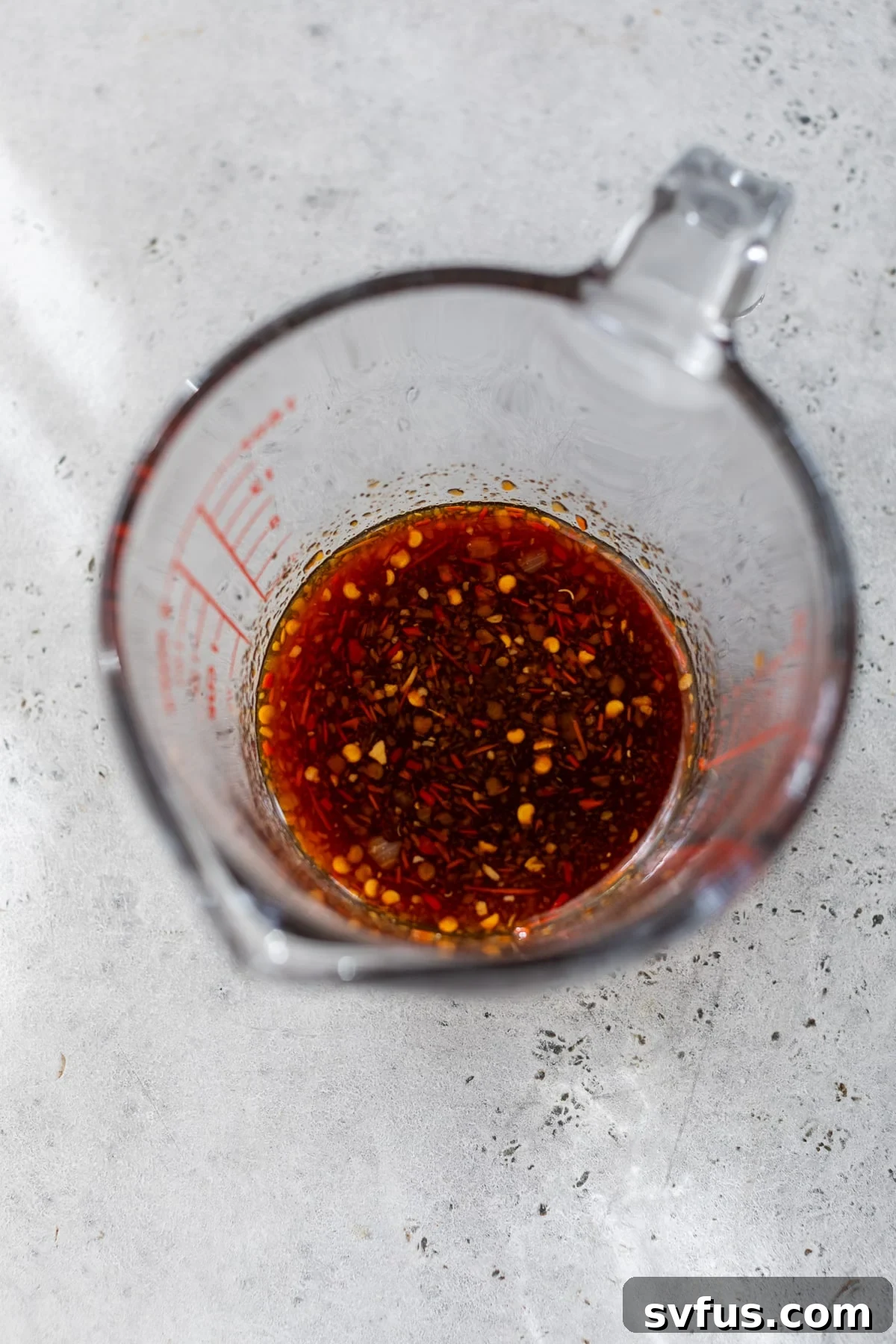
Step 1: Craft the Perfect Sauce. In a small bowl or a glass measuring cup, combine the brown sugar, fish sauce, soy sauce, rice vinegar, and chili paste. Whisk vigorously until the sugar is fully dissolved and all ingredients are well incorporated. Set this flavor-packed sauce aside, ready for action.
Step 2: Prepare the Noodles. Bring a pot of water to a rolling boil and cook your chosen Pad Thai noodles according to the package directions. Rice noodles cook very quickly, so keep a close eye on them. The goal is al dente – slightly firm but pliable. Once cooked, immediately drain the noodles and rinse them thoroughly under cold running water. This crucial step prevents them from sticking together and stops the cooking process, ensuring they don’t become mushy when added to the stir-fry.
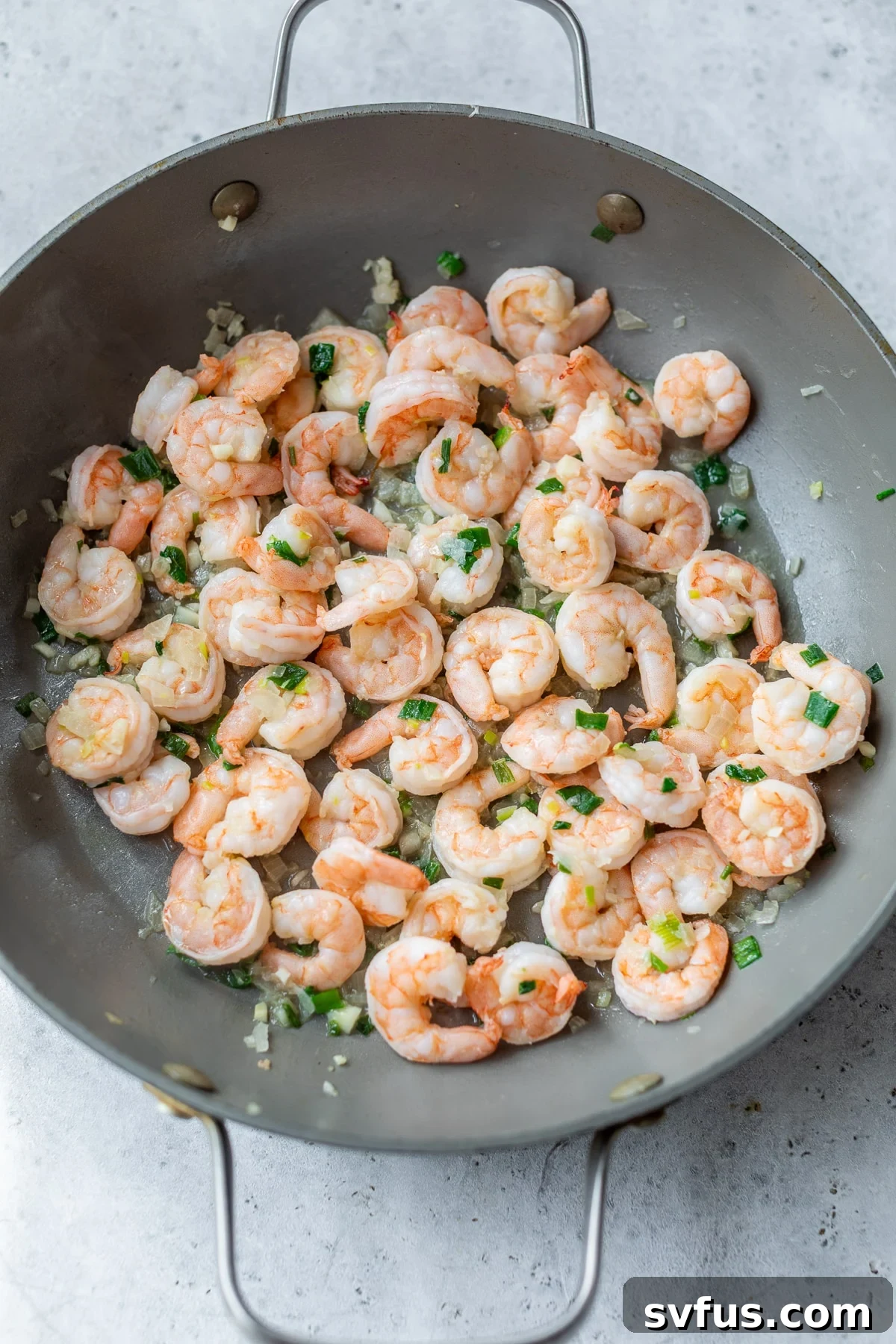
Step 3: Sauté the Aromatics and Shrimp. Heat a large nonstick skillet or a wok over medium-high heat. Add your preferred cooking oil. Once the oil shimmers, add the diced shallot, minced garlic, and the white parts of your chopped green onions. Sauté for about 1 minute until fragrant. Then, add the thawed and patted dry shrimp to the pan. Cook for just 2 to 3 minutes, stirring occasionally, until the shrimp turn pink and opaque, curling into a loose “C” shape. Be careful not to overcook them, as shrimp can become rubbery very quickly.
Step 4: Scramble the Eggs. Gently push all the cooked shrimp and aromatics to one side of the skillet, creating an empty space. Pour your whisked eggs into this clear area. Let them sit for a few seconds to set slightly, then scramble them with your spatula until they are just cooked through but still moist. Once scrambled, you can gently mix them in with the shrimp.
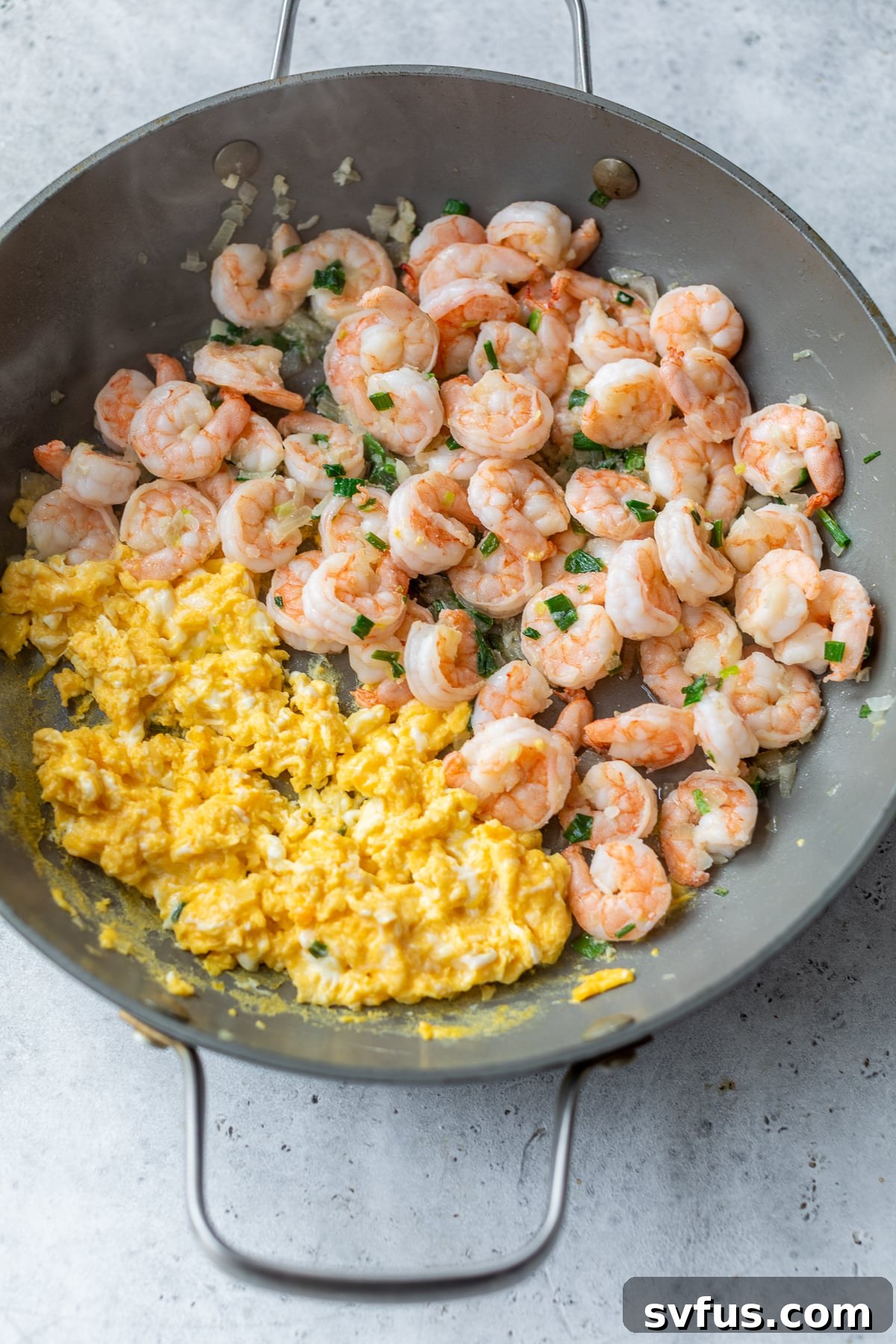
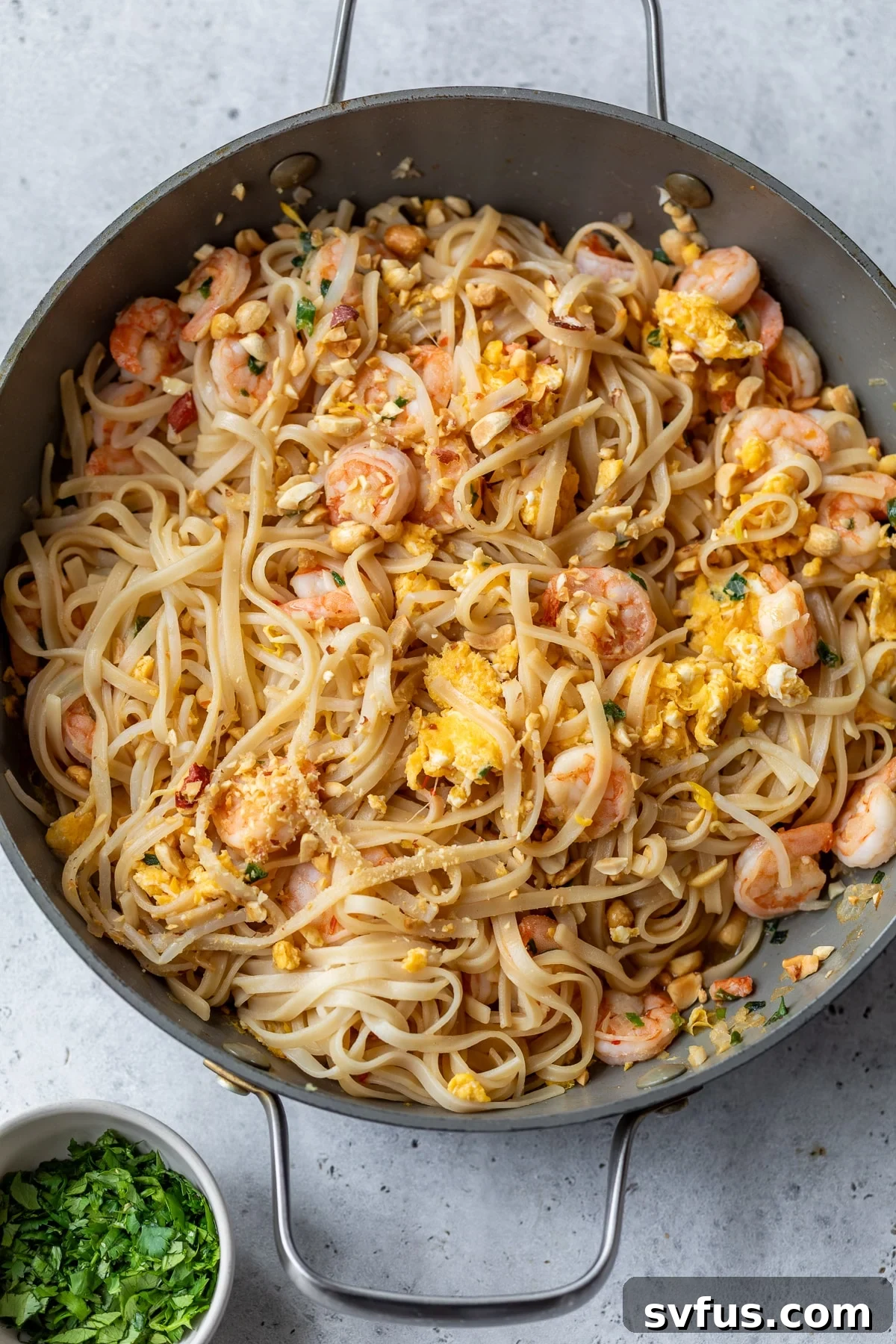
Step 5: Combine and Toss. Add the cooked and rinsed noodles, fresh bean sprouts, and chopped peanuts to the skillet with the shrimp and eggs. Pour the prepared Pad Thai sauce evenly over all the ingredients. Using kitchen tongs, gently toss everything together until the noodles and all components are thoroughly coated with the delicious sauce. This step should be done quickly to ensure everything remains hot and well-mixed.
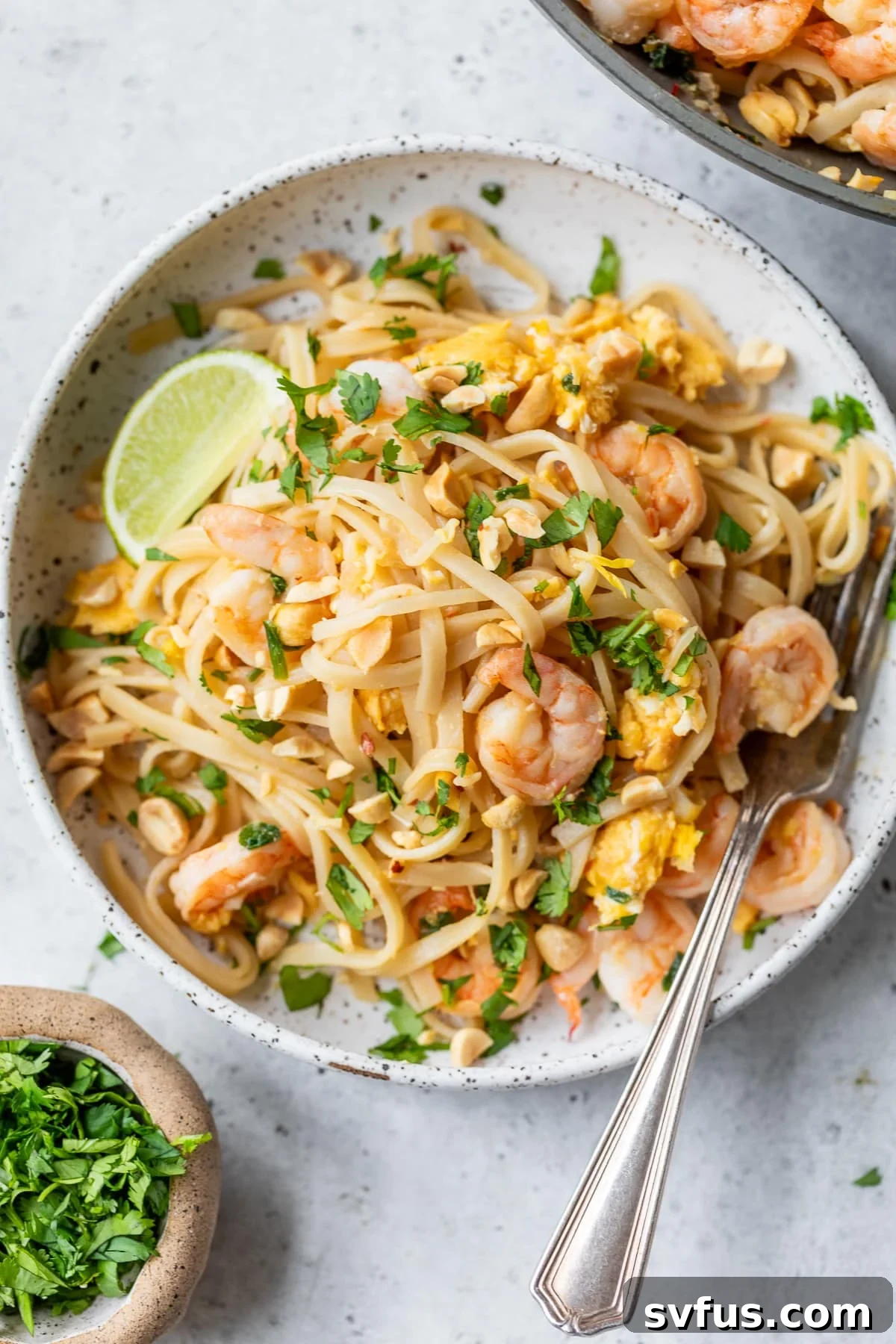
Step 6: Finish and Serve. Remove the pan from the heat immediately. Stir in the fresh cilantro and a squeeze of fresh lime juice to taste. The heat from the pan will gently wilt the cilantro, releasing its aroma. Divide the fragrant Pad Thai into individual bowls. Garnish with additional fresh bean sprouts, crushed peanuts, extra cilantro, and lime wedges as desired. Serve hot and savor every incredible bite!
Tips for Success & Common Questions
- Choose the Right Cookware: For that irresistible stir-fried char and crispy edges on your vegetables and shrimp, a 12-inch nonstick skillet or a large wok is essential. It provides ample space for the ingredients to spread out and cook evenly without steaming, preventing a soggy outcome.
- Perfectly Cooked Shrimp: Shrimp cook very quickly. They will typically only need 2 to 3 minutes over medium-high heat. You’ll know they’re done when they turn vibrant pink and curl into a loose “C” shape. Overcooked shrimp become tough and rubbery, so keep a close watch!
- Preventing Mushy Noodles: Rice noodles continue to soften even after being drained. To avoid a batch of mushy noodles, cook them only until they are al dente (still slightly firm to the bite). Immediately after draining, rinse them thoroughly under cold running water. This halts the cooking process and prevents them from sticking together, ensuring a pleasing texture in your Pad Thai.
- The Power of Mise en Place: As mentioned, having all your ingredients prepped and laid out before you begin cooking is paramount for any stir-fry. This dish comes together very fast, and you won’t have time to chop or measure once the cooking starts.
Exciting Variations to Explore
This Shrimp Pad Thai recipe is wonderfully flexible, making it easy to adapt to your taste or what you have on hand. Feel free to experiment!
- Noodle Swaps: While traditional rice noodles are fantastic, you can try other options. Cooked udon noodles for a chewier texture, soba noodles for an earthy flavor, instant ramen noodles (discarding the seasoning packet), or even regular spaghetti can be used. For a lower-carb option, consider zucchini noodles, spiralized carrots, or spaghetti squash.
- Protein Alternatives: If shrimp isn’t your preference, thinly sliced chicken breast or thighs, beef sirloin, or tender pork loin can be excellent substitutes. Ensure the meat is fully cooked before adding the eggs and noodles to the pan.
- Vegetarian & Vegan Friendly: For a vegetarian version, swap the shrimp for crispy baked tofu or air-fried tofu. To make it fully vegan, omit the eggs and use a vegan fish sauce (often made from seaweed) or simply increase the soy sauce and add an extra splash of rice vinegar or lime juice to the sauce.
- Boost Your Veggies: Pad Thai is a great canvas for extra vegetables. Enhance your meal with julienned carrots, shredded cabbage, crisp snap peas, thinly sliced bell peppers (red, yellow, or orange), tender broccoli florets, or a handful of baby spinach, stirred in at the end until just wilted.
Elevate Your Dining Experience
The beauty of Shrimp Pad Thai is that it’s a complete meal on its own, but a few thoughtful additions can truly elevate your dining experience. I always recommend topping my Pad Thai with extra chopped peanuts for crunch, a generous amount of fresh cilantro for herbaceous freshness, and plenty of lime wedges for that essential citrusy zing. A handful of extra bean sprouts or thinly sliced fresh chili peppers can make it feel just like your favorite restaurant takeout.
For a complete Thai-inspired feast, consider starting your meal with some light and refreshing appetizers. These Sesame Tofu Spring Rolls or a crisp Spicy Cucumber Salad make excellent precursors to the main event. If you’re particularly hungry or entertaining, a side bowl of my Curry Noodle Soup with its rich red curry broth would perfectly complement the flavors and textures of the Pad Thai, creating an unforgettable culinary journey.
Is it Spicy?
The chili paste in this Shrimp Pad Thai recipe lends a pleasant, mild kick that enhances the overall flavor without overpowering it. Your mouth won’t be burning, but you’ll definitely notice a subtle warmth. If you prefer a milder dish, simply reduce the amount of chili paste or omit it entirely. For those who crave more heat, don’t hesitate to increase the chili paste, add a drizzle of Sriracha sauce over your finished plate, or stir in a pinch of crushed red pepper flakes directly into the sauce. Adjust it to your personal spice threshold!
How Do You Keep Rice Noodles from Clumping Together?
Clumpy rice noodles are a common problem, but an easy one to avoid! The key is to rinse them thoroughly under cold running water immediately after draining them from the hot cooking water. This process removes excess starch from the noodles, preventing them from sticking and creating a much more pleasant texture in your Pad Thai. Ensure you don’t let them sit for too long after cooking before rinsing, as they will start to clump quickly.
Storage and Reheating Tips
While Shrimp Pad Thai is undeniably at its best served fresh off the stove, leftovers can still be thoroughly enjoyed with proper storage and reheating techniques.
Refrigerator: Any leftover Pad Thai should be transferred to an airtight container and stored in the refrigerator. It will keep well for up to 3 days. Beyond that, the noodles can become too soft and the shrimp’s texture may degrade.
Reheating: For best results, reheat leftovers quickly. You can warm them in a microwave, stirring occasionally, until heated through. Alternatively, for a slightly fresher taste and texture, reheat them in a nonstick skillet over medium heat, adding a tiny splash of water or broth if the noodles seem a bit dry. Stir gently until warmed through. Be careful not to overcook the shrimp during reheating.
More Takeout-Inspired Recipes to Love
Vegan Green Curry
Instant Pot Fried Rice
Honey Garlic Shrimp Stir Fry
If you made this irresistible recipe, please share your experience by leaving a comment and a star rating below! Your feedback helps others discover and enjoy these delicious meals. Thank you!
Shrimp Pad Thai

Ingredients
For the sauce:
- 3 tbsp brown sugar
- 2 tbsp fish sauce
- 2 tbsp soy sauce
- 1 tbsp rice vinegar
- 2 tsp chili paste
For the pad thai:
- 8 oz. pad thai noodles
- 1 tbsp oil
- 1 shallot, diced
- 2 garlic cloves, minced
- 3 green onions, chopped (white parts for stir-frying, green for garnish)
- 1 lb. shrimp, peeled, deveined, and thawed
- 2 eggs, whisked
- 1 cup bean sprouts
- 1/2 cup peanuts, chopped
- 1/3 cup cilantro, chopped
- Juice of 1 lime, optional (for finishing)
Instructions
- Start by making the sauce: whisk all of the sauce ingredients (brown sugar, fish sauce, soy sauce, rice vinegar, chili paste) together in a small bowl or glass measuring cup and set aside.
- Cook the Pad Thai noodles according to the instructions on the package until al dente. Immediately drain and rinse thoroughly under cold running water to prevent sticking, then set aside.
- Meanwhile, heat 1 tbsp oil in a large nonstick skillet or wok over medium-high heat. Once hot, add the diced shallot, minced garlic, and the white parts of the green onions. Sauté for 1 minute until fragrant. Add the thawed shrimp and cook for 2-3 minutes, stirring, until pink and opaque.
- Push the shrimp and aromatics over to one side of the skillet, creating an empty space. Pour the whisked eggs into the empty side and cook, stirring frequently, until scrambled and just set. Gently mix the scrambled eggs with the shrimp.
- Add the cooked noodles, bean sprouts, and chopped peanuts to the pan. Pour the prepared Pad Thai sauce evenly over everything. Use kitchen tongs to gently toss all ingredients together until the noodles and every component are thoroughly coated in the sauce.
- Remove the pan from the heat. Stir in the chopped cilantro and fresh lime juice to taste. Divide the Pad Thai into bowls, garnish with additional toppings like peanuts, cilantro, and lime wedges, and enjoy immediately while hot!
Notes
Nutrition
Calories: 533kcal |
Carbohydrates: 64g |
Protein: 35g |
Fat: 16g |
Saturated Fat: 3g |
Polyunsaturated Fat: 5g |
Monounsaturated Fat: 7g |
Trans Fat: 0.03g |
Cholesterol: 264mg |
Sodium: 1490mg |
Potassium: 646mg |
Fiber: 4g |
Sugar: 11g |
Vitamin A: 310IU |
Vitamin C: 7mg |
Calcium: 144mg |
Iron: 3mg