The Urgent Battle Against Food Waste: How Food Rescue Initiatives Are Making a Difference
In a world grappling with numerous challenges, few are as pervasive and disheartening as food waste. It’s a reality we all face, whether consciously or not. The question isn’t whether you’ve ever let food go to waste – because, let’s be honest, we all have – but rather, how often does perfectly good food end up in your trash bin, and what proactive steps have you considered to reduce your personal contribution to this global problem? It’s a profound issue with far-reaching consequences, and it demands our immediate attention and collective discussion.
The sheer volume of food wasted annually is staggering, painting a stark picture of inefficiency and inequity. It’s a paradox: while millions worldwide struggle with hunger, an abundance of edible food is discarded daily. This isn’t just an economic issue; it’s an environmental crisis and a moral imperative. Understanding the scale of food waste is the first step towards fostering meaningful change, inspiring us to seek solutions that benefit both people and the planet.
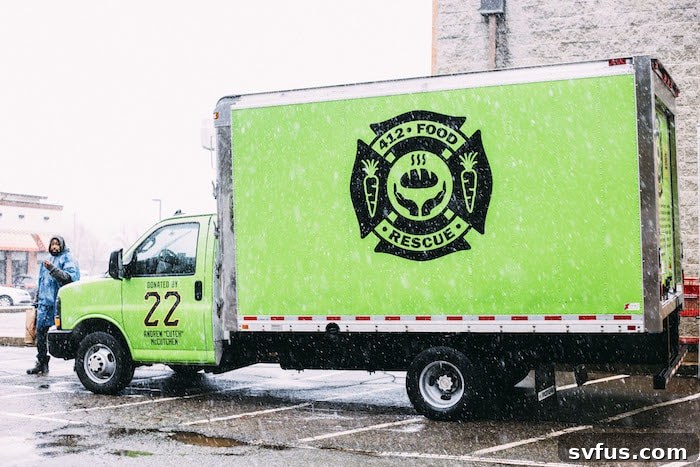
Partnering for Progress: My Journey with 412 Food Rescue
My commitment to addressing food waste deepened through an enriching partnership with 412 Food Rescue throughout 2017. This collaboration wasn’t just about raising awareness; it was a deeply personal journey into understanding the complexities of food waste and discovering actionable ways to mitigate it. For someone like myself, deeply involved in the culinary world and food blogging, the issue of food waste hits particularly close to home. The nature of working with food, especially when experimenting with recipes or styling dishes, can sometimes lead to unavoidable surplus. It’s a challenge not unique to food bloggers but shared by anyone in the food industry, making the mission of organizations like 412 Food Rescue even more vital.
412 Food Rescue is a pioneering Pittsburgh-based organization dedicated to eradicating food waste and alleviating hunger. Their innovative model involves a seamless process of collecting surplus, healthy, and fresh food from various businesses and individuals. This includes everything from grocery stores with excess inventory to restaurants with unserved portions. What makes their approach so impactful is their efficient network for delivering this rescued food directly to those who need it most – nursing homes, food pantries, shelters, and community centers. It’s not about distributing expired or substandard products; it’s about redirecting perfectly good, wholesome food that would otherwise be discarded simply because a business had a surplus beyond its immediate sales capacity.
The Alarming Reality of Food Waste: Statistics That Demand Action
The global statistics surrounding food waste are not just numbers; they represent immense environmental strain, economic loss, and human suffering. Understanding these facts is crucial for appreciating the urgency of food rescue initiatives:
- **40% of All Food Produced Goes to Waste:** A staggering two-fifths of the food grown and manufactured globally never makes it to a plate. Simultaneously, 1 in 7 people worldwide suffer from hunger, highlighting a severe disconnect between food availability and access. This waste occurs at every stage of the supply chain, from farm to fork, contributing to an inefficient system that squanders precious resources.
- **Resource Depletion:** Food production is incredibly resource-intensive. In the United States alone, it consumes 10% of the energy budget, utilizes 50% of the land, and accounts for 80% of all freshwater consumed. When food is wasted, all the resources that went into producing, processing, transporting, and storing it are also wasted. This includes water, energy, land, labor, and capital, placing an enormous burden on our planet’s finite resources.
- **Landfill Crisis:** Over 97% of all food waste generated ends up in landfills. As organic matter decomposes in oxygen-deprived landfill environments, it produces methane, a potent greenhouse gas significantly more effective at trapping heat than carbon dioxide. This contributes substantially to climate change, making food waste a major environmental culprit. Reducing food waste is therefore a powerful strategy for mitigating climate change and promoting environmental sustainability.
These statistics underscore the profound impact of food waste on our environment, economy, and society. They serve as a powerful call to action, urging us to reconsider our relationship with food and support efforts to create a more sustainable and equitable food system.
A Firsthand Account: Joining a Food Rescue Mission
To truly grasp the essence of food rescue, I had the invaluable opportunity a few weeks ago to ride along with the 412 Food Rescue team. My day began bright and early, joining Leland, a passionate and dedicated driver whose enthusiasm for food and sustainability was infectious. From the moment we set out, his commitment to the mission was palpable, explaining each step of the process with genuine care.
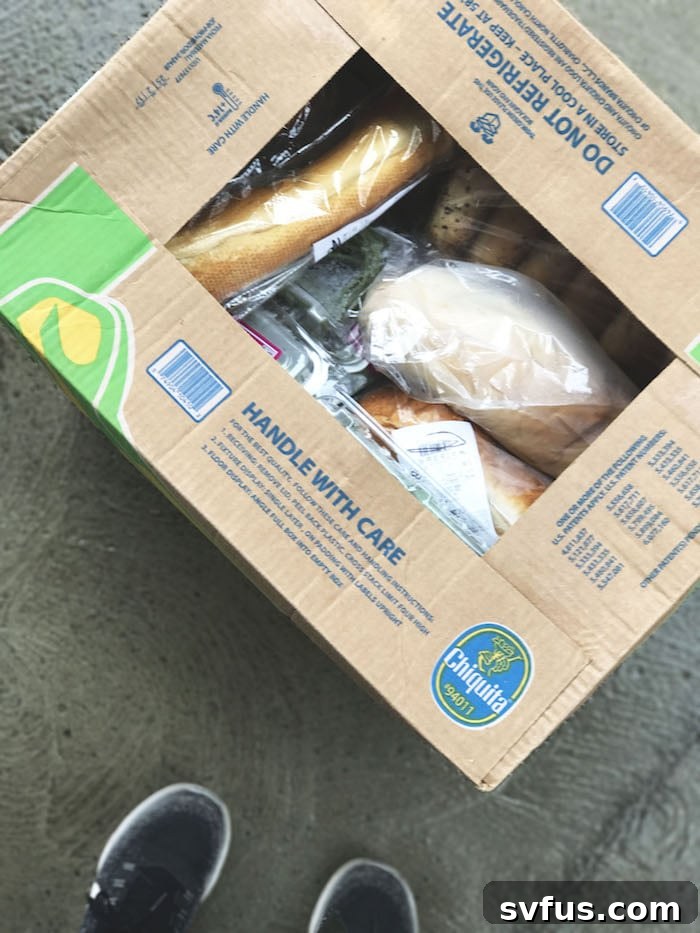
Our first stop was at a local Trader Joe’s, a bustling hub of fresh produce and specialty items. The staff there had already diligently separated and organized their surplus food, neatly packed and ready for pickup. It wasn’t just a random collection; it was perfectly good produce, dairy, baked goods, and other items that, due to various reasons like approaching expiration dates or slight cosmetic imperfections, wouldn’t be sold. Witnessing the efficiency and dedication of the Trader Joe’s team in preventing waste was truly inspiring. We carefully loaded the large quantities of food into the spacious 412 Food Rescue truck, each box representing rescued sustenance and averted landfill waste.
With the truck brimming, we embarked on the second, equally crucial part of our journey: distribution. We drove to various community locations, including a nursing home and a vibrant food kitchen. At each stop, the recipients greeted us with genuine smiles and heartfelt gratitude. The joy on their faces, the excited chatter as they received fresh fruits, vegetables, and other essential items, was a powerful reminder of the direct and immediate impact of this work. It wasn’t just food; it was dignity, nourishment, and a clear demonstration of community care. This experience transcended mere statistics, putting a human face on the fight against food waste and hunger.
The Ripple Effect: Trader Joe’s and Beyond
The collaboration between Trader Joe’s and 412 Food Rescue is a prime example of how businesses can champion sustainability and social responsibility. By consciously choosing to divert their surplus food to those in need, they not only reduce their own waste but also contribute significantly to community welfare. This model is incredibly effective: 412 Food Rescue acts as the crucial link, ensuring that edible food is consumed, not discarded. The organization is remarkably flexible, capable of rescuing any quantity of food, provided it originates from a commercial kitchen rather than a private home. This policy ensures food safety and regulatory compliance, allowing them to accept everything from an unopened bag of celery a business can’t use to large pallets of baked goods. It’s an ingenious system that transforms potential waste into vital resources.
Empowering Change: Practical Steps for Individuals
While supporting organizations like 412 Food Rescue is vital, the fight against food waste also begins in our own kitchens. Every individual has the power to make a significant difference. Here are some practical steps you can take to reduce your personal food waste:
- **Plan Your Meals:** Before grocery shopping, take a few minutes to plan your meals for the week. Make a shopping list and stick to it, buying only what you need. This prevents impulsive purchases that often lead to unused ingredients.
- **Understand & Store Food Properly:** Learn the difference between “best by,” “sell by,” and “use by” dates. Many foods are still safe to eat after their “best by” date. Proper storage – like keeping fruits and vegetables in the right compartments of your fridge or freezing leftovers – can significantly extend their shelf life.
- **Get Creative with Leftovers:** Don’t let leftovers go to waste. Transform them into new dishes, like turning roasted vegetables into a frittata or soup, or repurposing cooked grains into a salad.
- **Portion Control:** Serve appropriate portion sizes to avoid excess food on plates. If you’re dining out, consider taking home doggy bags.
- **Compost:** For unavoidable food scraps (like peels or coffee grounds), consider composting. This diverts organic waste from landfills and creates nutrient-rich soil for gardens.
- **Support Local & Imperfect Produce:** Many farmers’ markets and grocery stores offer “imperfect” produce at a discount. These items are often just as delicious and nutritious but might have slight cosmetic flaws that prevent them from being sold at full price.
Beyond Pittsburgh: The Global Food Rescue Movement
The concept of food rescue isn’t confined to Pittsburgh; it’s a rapidly growing global movement. Across countless cities and communities worldwide, dedicated individuals and organizations are working tirelessly to connect surplus food with hungry populations. A quick search on Google for “food rescue program [your city]” will likely reveal a wealth of local initiatives. Engaging with these programs, whether through volunteering, donating, or simply spreading awareness, is a powerful way to contribute to a more sustainable future. Every rescued meal not only feeds someone in need but also prevents valuable resources from being squandered and reduces harmful greenhouse gas emissions.
Join the Movement: Your Role in Food Waste Reduction
The journey to a world with less food waste and more food security is a collective one. Every action, big or small, contributes to this vital cause. If you reside in the Pittsburgh area, your engagement with 412 Food Rescue can make an immediate and tangible difference. Empower yourself by downloading the official 412 Food Rescue app, available here for iPhone and here for Android. These apps provide convenient ways to stay informed about local rescue efforts and opportunities to get involved.
Stay connected with the impactful work of 412 Food Rescue by following their inspiring updates on social media. You can find them on Facebook, Twitter, Instagram, and YouTube. Their platforms offer a glimpse into the daily operations, success stories, and ongoing challenges in the fight against food waste. If you’re local to Pittsburgh and feel a call to action, consider becoming a volunteer. Your time and effort can directly contribute to collecting and distributing food, making a profound impact on your community. More detailed information on volunteering opportunities can be found here. Let’s all commit to fostering a future where no good food goes to waste, and everyone has access to the nourishment they deserve.