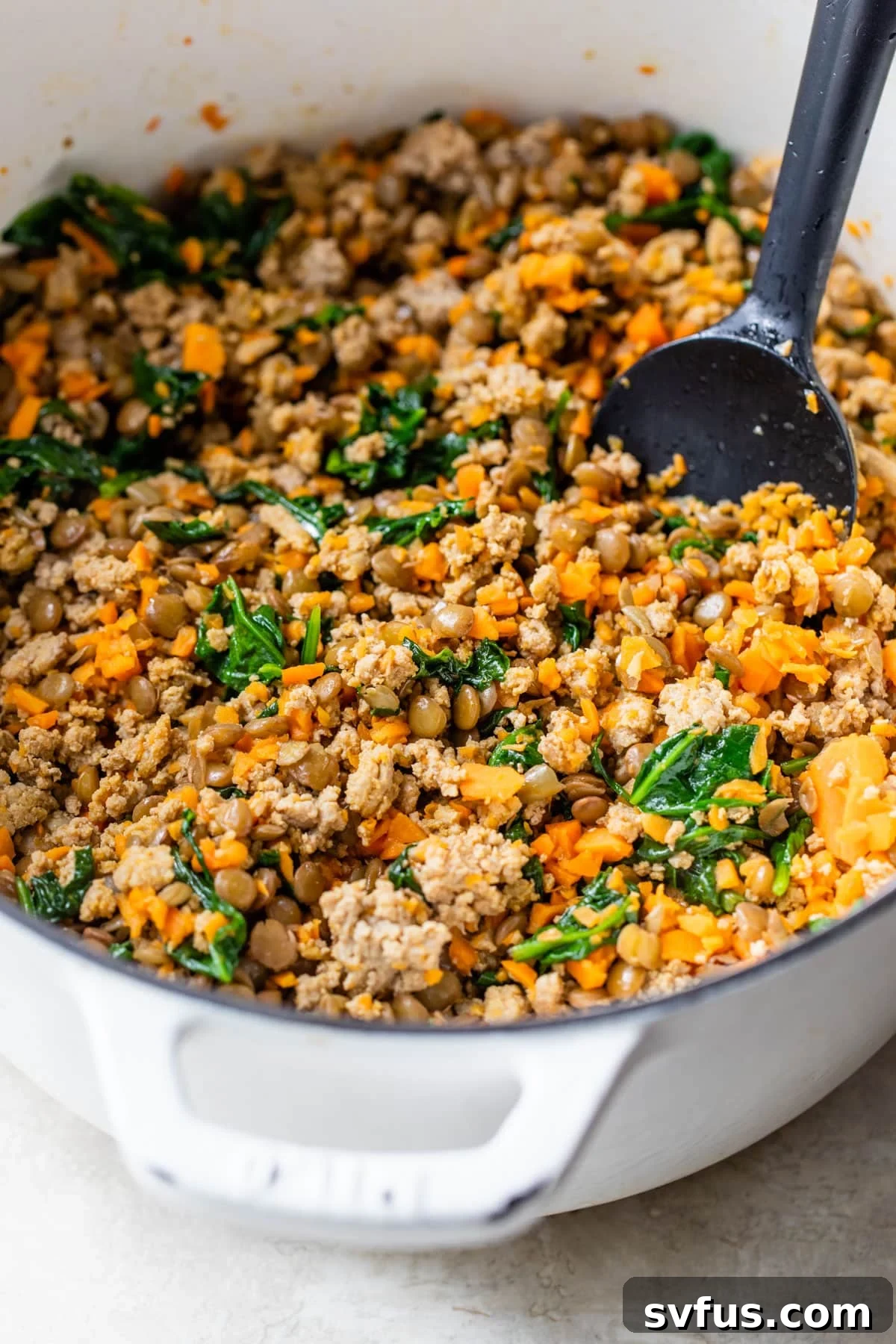
The Ultimate Guide to Homemade Dog Food: Wholesome, Healthy & Vet-Approved Meals for Your Canine Companion
Ensuring your beloved canine companion receives the best possible nutrition is a top priority for any dog owner. While commercial dog foods offer convenience, preparing Homemade Dog Food provides unparalleled control over the ingredients, guaranteeing a nourishing and delicious meal tailored to your dog’s specific needs. This comprehensive guide will walk you through creating a drool-worthy, balanced recipe that your furry friend will adore, packed with essential carbs, healthy fats, fiber, and protein.
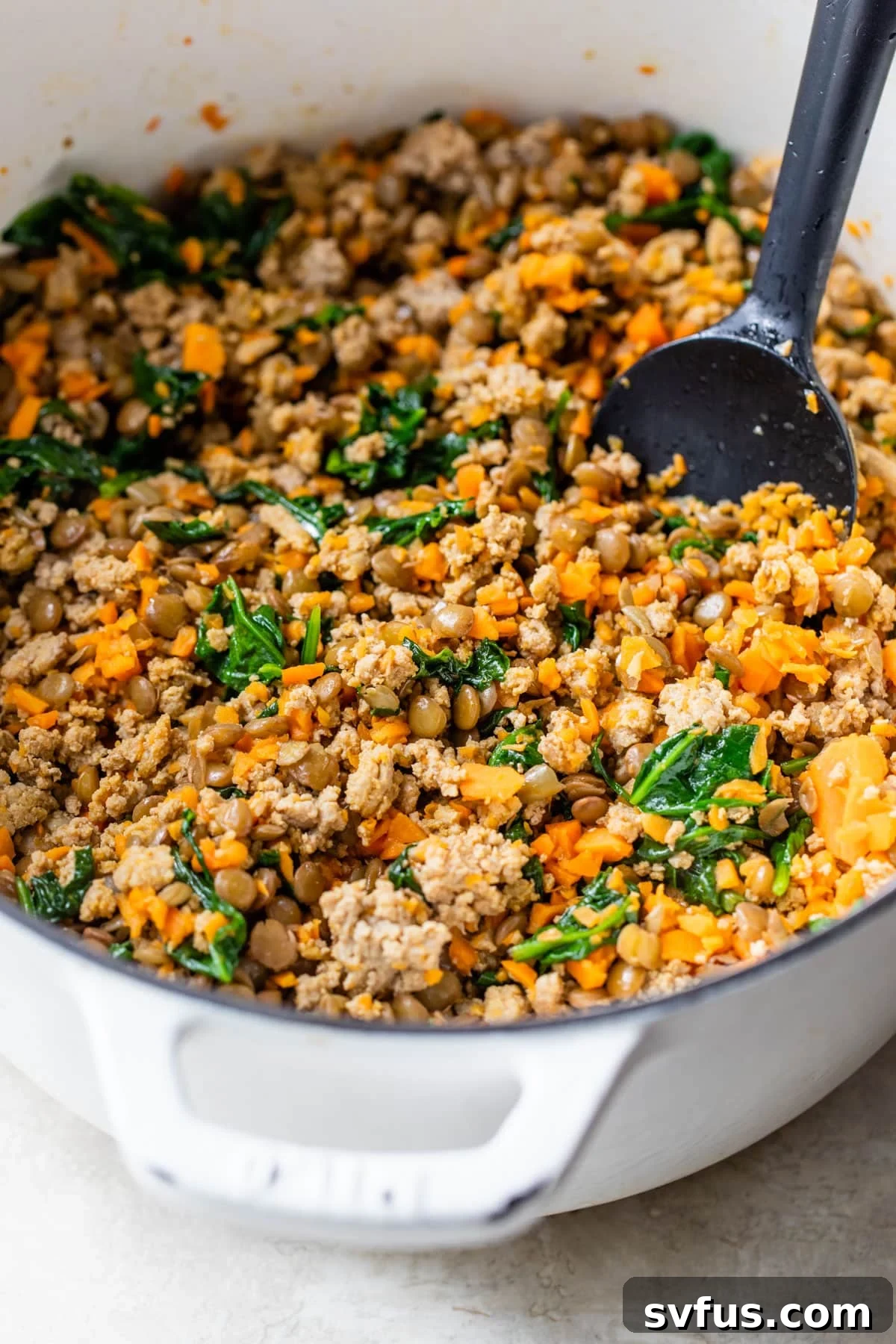
Why Choose Homemade Dog Food?
Opting for homemade dog food is one of the most effective ways to know precisely what goes into your dog’s bowl. This level of transparency is incredibly beneficial, especially if your dog has a sensitive stomach, struggles with food allergies, or is simply a picky eater. Beyond control, there are several compelling reasons to consider a DIY approach to your dog’s diet:
- Complete Ingredient Control: You select every component, ensuring only fresh, high-quality, and beneficial ingredients are used. This eliminates concerns about artificial preservatives, fillers, mysterious by-products, and harmful chemicals often found in commercial kibble.
- Addresses Dietary Sensitivities: For dogs with allergies to common ingredients like corn, soy, wheat, or specific proteins, homemade food allows you to avoid triggers and customize meals to prevent adverse reactions.
- Appeals to Picky Eaters: Many dogs, just like humans, can be particular about their food. The fresh flavors and textures of homemade meals are often more enticing, encouraging better appetite and nutrient intake.
- Enhanced Hydration: Homemade dog food, especially recipes with fresh vegetables and lean meats, typically has a higher moisture content than dry kibble, contributing to better hydration and kidney health.
- Improved Health and Vitality: A diet rich in natural, unprocessed ingredients can lead to numerous health benefits, including a shinier coat, healthier skin, better digestion, increased energy levels, and a stronger immune system.
- Potential Cost Savings: While it requires an initial investment of time, buying ingredients in bulk and preparing meals at home can sometimes be more cost-effective than purchasing premium commercial dog food, especially for larger breeds.
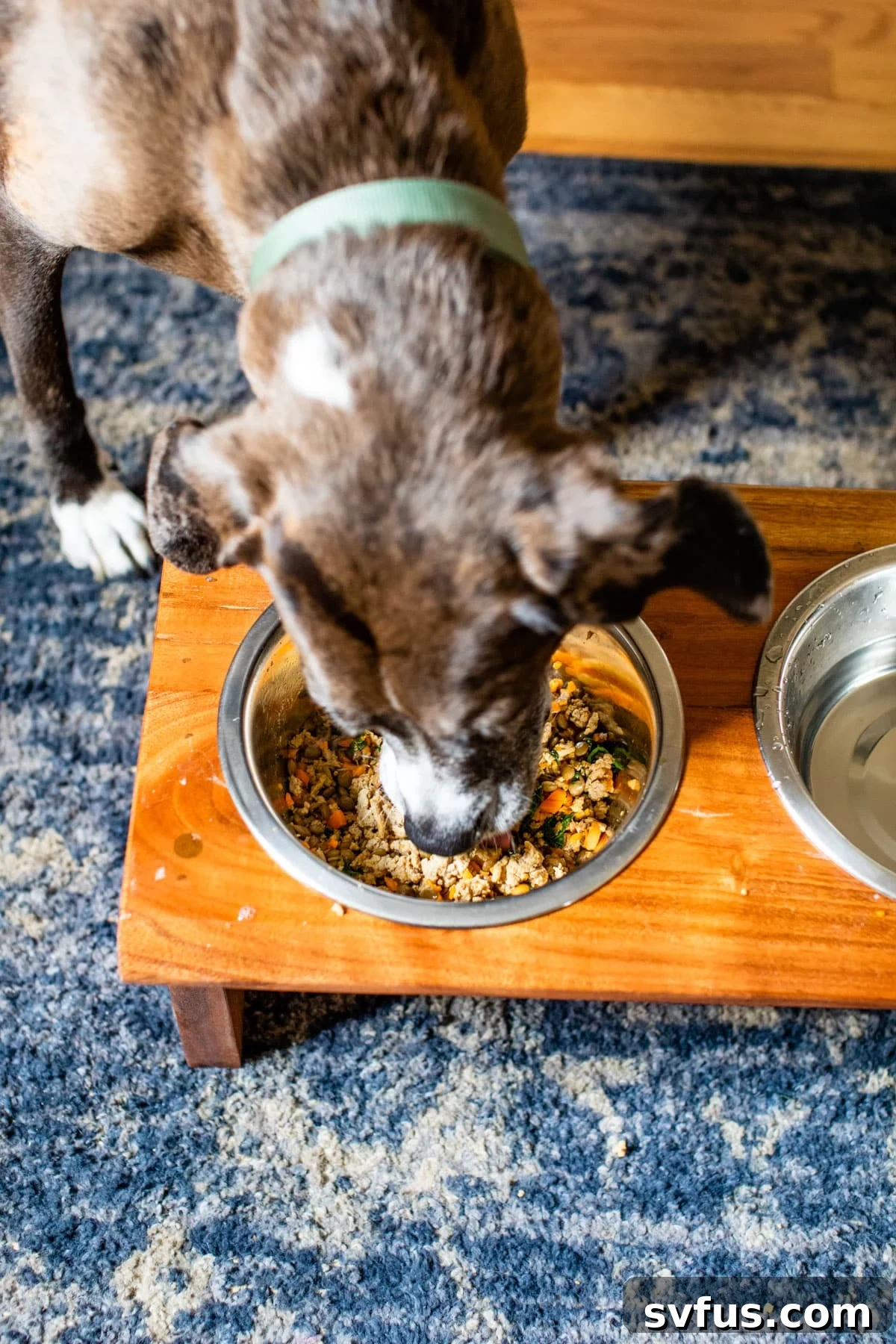
This particular dog food recipe delivers the essential protein, healthy fats, complex carbohydrates, fiber, vitamins, and minerals that are vital for a healthy canine diet. My own dog, Layla, wholeheartedly approves of the taste – a true testament to its deliciousness!
Important Considerations and Disclaimer
It’s crucial to understand that dogs have unique and complex nutritional needs that their meals must meet for long-term health. While this homemade dog food recipe is thoughtfully crafted to include many vital components, it is not intended as an adequate, long-term meal replacement without professional veterinary guidance.
Canine nutritional requirements vary significantly based on factors such as their breed, age (puppy, adult, senior), activity level, size, existing health conditions, and overall build. For instance, a highly active working dog will have different caloric and nutrient needs than a sedentary senior dog.
This recipe aims to incorporate the foundational “ABCs of a balanced dog food diet” recommended by the AKC (read more here). However, to ensure your dog receives all necessary micronutrients, it’s strongly advised to consult with your veterinarian or a certified canine nutritionist before transitioning to or relying solely on homemade food. They can help you determine your dog’s individual nutrient needs, recommend specific supplements (like this DIY Nutrient Mix), and monitor their health during the dietary change. We only want what’s best for our pups!
Recipe Highlights: Why You’ll Love This Homemade Dog Food
This homemade dog food recipe is designed to make feeding your dog a healthy, balanced diet both simple and rewarding. Here are some of its key features:
- Budget-Friendly & Accessible: Crafted with wholesome, easy-to-find ingredients that are often more economical than premium commercial dog foods, making healthy eating sustainable for your pet.
- Healthy & Wholesome: Focuses on lean proteins, complex carbohydrates, and nutrient-dense vegetables, ensuring a low-fat and grain-free foundation (with grain options available for non-sensitive pups).
- Customizable for Canine Happiness: Offers numerous healthy substitutions and additions, allowing you to tailor the recipe to your dog’s preferences and any specific dietary requirements, ensuring an extra happy pup.
- Quick & Efficient Preparation: From start to finish, this nutritious meal for your furry friend can be ready in just about 30 minutes, fitting easily into your busy schedule.
- Versatile Cooking Methods: Enjoy the flexibility of preparing this recipe on the stovetop for traditional cooking or utilizing the convenience of an Instant Pot for a faster, hands-off approach.
- Excellent for Batch Cooking & Freezing: Prepare a large batch and freeze individual portions, saving you significant time and effort for weeks or even months of convenient, healthy meals.
Essential Ingredients for a Balanced Canine Diet
The foundation of any healthy homemade dog food recipe lies in its ingredients. Each component in this recipe is chosen for its nutritional benefits and safety for dogs. Here’s a closer look at what goes into this wholesome meal:
- Carrots: These vibrant root vegetables are much loved by dogs for their crunchy texture and slightly sweet taste. Beyond being a great treat, carrots are packed with potassium, dietary fiber, antioxidants, and essential vitamins, especially Vitamin A (from beta-carotene), which supports good vision and a strong immune system. Other excellent sources of dietary fiber and vitamins include apples (without seeds), peas, beets, green beans, leafy greens (like kale in moderation), and pumpkin.
- Sweet Potato: An outstanding source of complex carbohydrates, sweet potatoes provide sustained energy for your active dog. They are naturally low in fat and rich in vitamins A, B6, and C, as well as minerals like calcium, potassium, and iron. These nutrients contribute to healthy skin, coat, digestion, and overall vitality. For similar nutritional benefits and digestive regulation, consider incorporating cooked pumpkin or butternut squash. Always ensure sweet potatoes are cooked, as raw ones can be hard for dogs to digest.
- Lentils: Legumes like lentils are a fantastic addition to a dog’s diet as they are low in fat and calories but exceptionally high in fiber and plant-based protein. They support digestive health, help regulate blood sugar, and provide a steady energy source. If your dog doesn’t have grain sensitivities, you can also include whole grains like cooked brown rice, quinoa, or oats for additional carbohydrates and fiber.
- Water (or Broth for Extra Flavor): Water is essential for cooking the lentils and ensuring proper texture. For an extra boost of flavor and added nutrients, consider cooking the lentils in homemade bone broth or plain chicken broth. It is absolutely crucial to ensure that any broth used is free from unsafe ingredients for dogs, such as onions, garlic, excessive sodium, and xylitol.
- Ground Turkey or Chicken: Lean protein is vital for muscle development, repair, and overall canine health. Ground turkey or chicken provides easily digestible protein with lower fat content. You can also use other lean ground meats like lean ground beef, bison, venison, or even white fish (such as cod or tilapia), or salmon (cooked and boneless) for variety and different nutrient profiles. Always ensure meat is thoroughly cooked.
- Spinach: Just like humans, dogs benefit greatly from consuming greens. Spinach is packed with vitamins K, A, C, and B, as well as iron and antioxidants. Feel free to substitute or add other dog-safe green vegetables such as green beans, steamed broccoli florets (in moderation to avoid gas), cucumber, or brussels sprouts. Always check a reliable source like this list of fruits and vegetables dogs can and cannot eat before making any substitutions to ensure safety.
Ingredients to Avoid When Making Homemade Dog Food
While feeding homemade meals offers many benefits, it’s equally important to be aware of ingredients that are toxic or harmful to dogs. Always double-check before adding anything new to your dog’s dish.
- Onions, Garlic, Leeks, Chives: These alliums can damage a dog’s red blood cells, leading to anemia.
- Grapes & Raisins: Highly toxic and can cause kidney failure, even in small amounts.
- Chocolate & Caffeine: Contain methylxanthines, which are dangerous and can cause vomiting, diarrhea, seizures, and even death.
- Avocado: Contains persin, which can be toxic to some animals. While some dogs tolerate it, it’s safer to avoid.
- Xylitol: A sugar substitute found in many human foods (gum, candy, peanut butter) that is extremely toxic to dogs, causing a rapid drop in blood sugar and liver failure.
- Alcohol: Highly toxic to dogs and can cause severe health issues.
- Macadamia Nuts: Can cause weakness, tremors, and hyperthermia.
- Cooked Bones: Cooked bones can splinter and cause internal damage or blockages. Raw bones can be given with caution, but it’s often safer to avoid bones altogether in homemade food.
- High Amounts of Salt, Sugar, and Fat: These can lead to health problems like obesity, pancreatitis, and heart disease over time.
- Yeast Dough: Can rise in a dog’s stomach, causing painful gas and potentially a life-threatening bloat.
Step-by-Step Instructions for Your Homemade Dog Food
Preparing this nutritious meal for your dog is straightforward. Follow these steps carefully for the best results:
Step 1: Consult Your Veterinarian
This cannot be emphasized enough. Before making any significant changes to your dog’s diet, it is paramount to consult with your veterinarian. They can help you determine your dog’s individual nutritional and caloric needs based on their age, breed, weight, activity level, and health status. This crucial first step ensures a safe and beneficial dietary transition.
Step 2: Prepare the Lentils
In a medium saucepan, combine the rinsed lentils and water (or dog-safe broth). Bring the mixture to a boil over medium-high heat. Once boiling, reduce the heat to low, cover the saucepan, and let it simmer gently. Continue cooking until the lentils are tender and have absorbed most of the liquid. This typically takes about 15-20 minutes. Set aside.
Step 3: Process the Vegetables
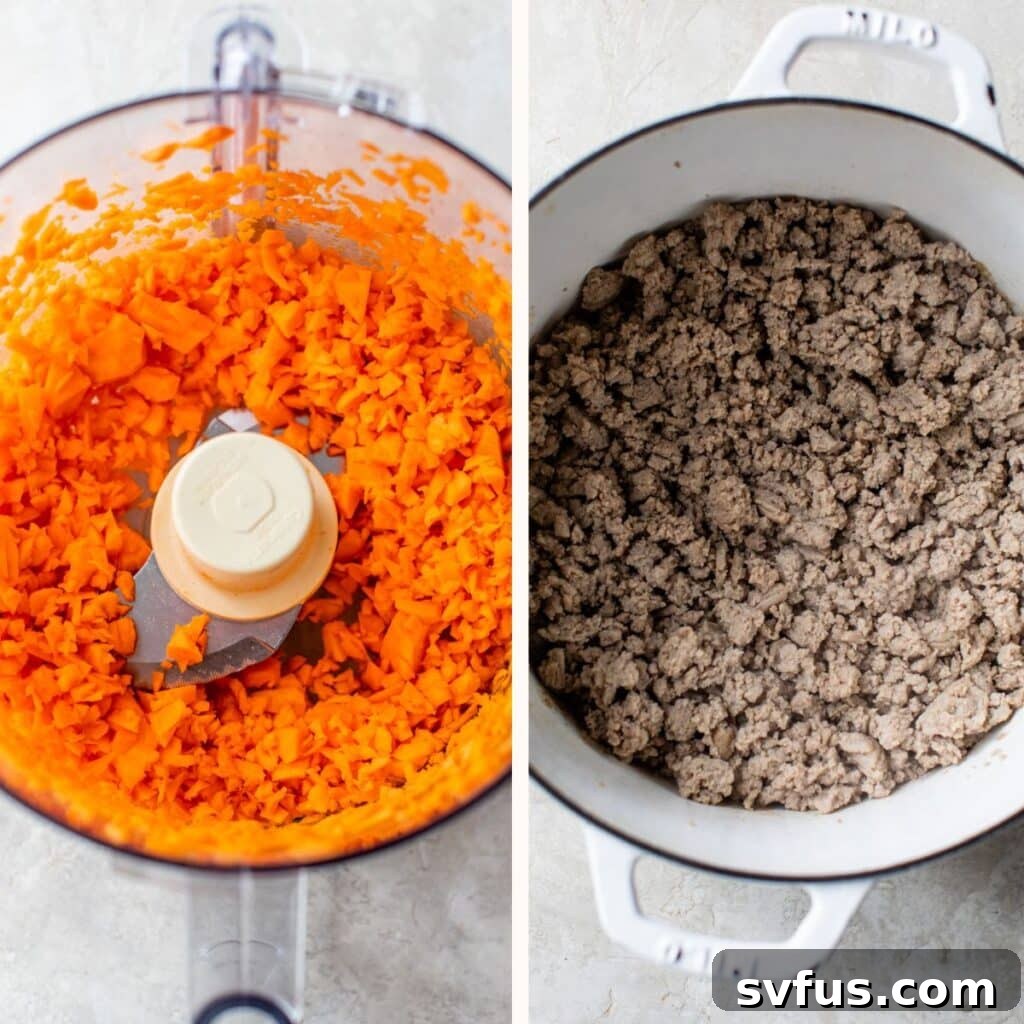
While the lentils are cooking, peel the sweet potato and carrots. Cut them into smaller chunks that can easily fit into your food processor. Add the sweet potato and carrots to the food processor and pulse several times until they are finely chopped into tiny, uniform pieces. This ensures they cook quickly and are easily digestible for your dog. If you don’t have a food processor, you can finely grate or mince them by hand.
Step 4: Cook the Meat and Vegetables
Heat a large pot or Dutch oven over medium heat. Add the ground meat (turkey or chicken) to the pot. Cook, breaking it up with a wooden spoon, until it is thoroughly browned and no longer pink. Drain any excess fat. Next, add the finely chopped carrot and sweet potato mixture to the pot, along with the fresh spinach. Sauté for about 5-7 minutes, stirring occasionally, until the vegetables have softened. If the mixture seems too dry, you can add a small amount of olive oil or coconut oil (see tips below).
Step 5: Combine and Cool
Once the lentils are cooked and the meat and vegetables are tender, stir the cooked lentils into the meat and vegetable mixture in the large pot. Mix everything together thoroughly to ensure all ingredients are evenly distributed. Remove the pot from the heat and allow the homemade dog food to cool completely before serving it to your dog. Serving warm or hot food can cause discomfort or burns.
Tips and Frequently Asked Questions (FAQs)
Helpful Tips for Preparing and Serving
- Adding Moisture and Healthy Fats: If you notice the mixture is a bit dry while cooking the meat and vegetables, you can add a small amount (1-2 teaspoons) of olive oil or coconut oil. These healthy oils, given in moderation, can also contribute to a shinier coat and healthier skin for your pup.
- Time-Saving with Frozen Vegetables: To make this recipe even quicker and minimize prep time, consider using pre-chopped frozen carrots and sweet potatoes. There’s no peeling or chopping involved, simply add them directly to the pot.
- Gradual Transition is Key: If your dog is currently eating kibble, avoid abrupt dietary changes. To prevent an upset stomach, gradually introduce the homemade food by mixing a small amount with their regular kibble. Over a week or two, slowly increase the proportion of homemade food while decreasing the kibble until they are fully transitioned.
- Essential Supplements: As highlighted in the disclaimer, homemade diets often lack certain essential micronutrients. After consulting your vet, you will likely need to add a canine-specific vitamin or mineral supplement to ensure your dog receives all the necessary nutrients for a truly balanced diet.
- Batch Cooking: This recipe is perfect for batch cooking. Prepare a larger quantity and divide it into individual meal portions for easy serving throughout the week or month.
Is this dog food recipe vet-approved?
While this recipe is formulated with a balanced ratio of macronutrients (protein, carbs, fat) and includes many beneficial ingredients, it is not “vet-approved” in the sense of being a complete and balanced diet certified by a veterinary nutritionist for all dogs. As mentioned, every dog has unique dietary needs. It contains the complete list of components for well-balanced dog food in terms of major food groups. Always talk to your vet to determine your dog’s complete and specific dietary needs, including any necessary supplements.
How much homemade dog food should I feed my dog?
Determining the correct portion size is vital for maintaining your dog’s healthy weight and energy levels. The amount of food your dog needs depends on various factors: their weight, age, activity level, breed, and metabolism. A general guideline for calorie ranges for an average healthy adult dog can be found in resources like the WSAVA’s Calorie Ranges for Healthy Adult Dogs chart. However, this is just a starting point. Your veterinarian is the best resource to provide specific feeding guidelines tailored to your individual dog to ensure you never feed too much or too little.
Can you make dog food in the Instant Pot?
Yes, absolutely! The Instant Pot is a fantastic tool for making homemade dog food quickly and efficiently. Here’s how:
- Sauté Meat: Press the “Sauté” button on your Instant Pot and set it for 6 minutes. Once hot (after about 2 minutes), add the ground turkey or chicken. Cook until it’s no longer pink, breaking it up with a spoon.
- Pressure Cook Lentils and Meat: Add the rinsed lentils and water (or dog-safe broth) to the pot with the cooked meat. Secure the lid, making sure the knob is in the “Sealing” position. Pressure cook on High for 20 minutes. Once done, perform a quick release of the pressure.
- Add Vegetables: Carefully remove the lid. Stir in the grated carrots, sweet potato, and spinach. Immediately replace the lid (do not press any buttons) and let everything sit for about 5-10 minutes. The residual heat from the Instant Pot will soften the vegetables perfectly.
- Note for Veggies: When using a pressure cooker, frozen vegetables can sometimes soften more easily and thoroughly, making them an excellent choice for this method.
Storage Solutions for Homemade Dog Food
Proper storage is essential to maintain the freshness and safety of your homemade dog food.
- Refrigerator: Once the cooked dog food has cooled completely to room temperature, transfer it to airtight containers. It can be stored safely in the refrigerator for up to 5-7 days.
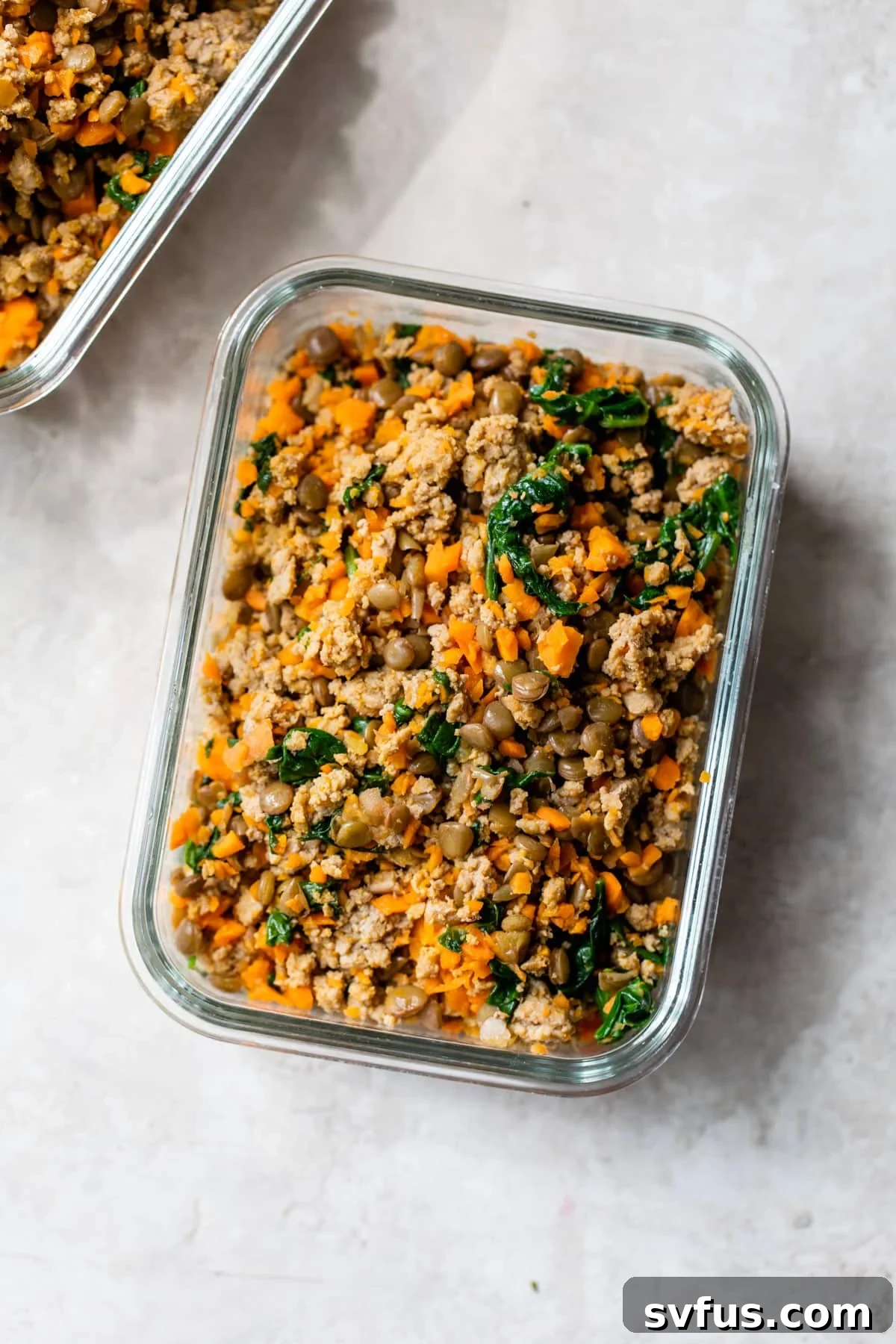
- Freezer: For longer storage, this recipe freezes beautifully. Divide the cooled dog food into individual meal portions or larger freezer-safe containers or bags. It can be stored in the freezer for up to 3 months. When you’re ready to serve, simply transfer a portion to the refrigerator overnight to thaw.
More Canine-Approved Recipes Your Dog Will Love
Looking for more delicious and healthy treats or meals for your furry friend? Explore these other canine-approved recipes:
- Refreshing Dog Popsicles
- Adorable Mini Dog Birthday Cake
- Nutritious Pumpkin Dog Cake (Vegan-Friendly)
If you made this recipe and your pup loved it, be sure to leave a comment and star rating below to share your experience! Thank you!
Homemade Dog Food Recipe
Homemade Dog Food
By: Erin Alvarez
Servings: 8 (approximately 1 cup per serving)
Prep time: 5 minutes
Cook time: 25 minutes
Total time: 30 minutes
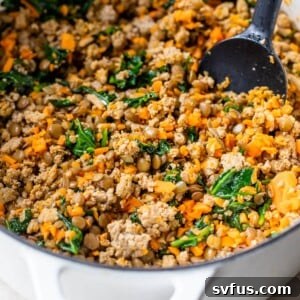
This Homemade Dog Food recipe is designed to help you prepare a wholesome, healthy, and incredibly tasty meal for your furry family member. It combines readily available, nourishing ingredients to create a balanced diet rich in carbohydrates, fats, fiber, and protein.
Ingredients
- 2 carrots, chopped
- 1 large sweet potato, peeled and chopped
- 1 1/2 cups lentils, rinsed (preferably green or brown)
- 3 1/2 cups water (or dog-safe bone broth for extra flavor)
- 2 lb. ground turkey or ground chicken (lean)
- 5 oz. fresh spinach
For unit conversion: US Customary – Metric
Instructions (Stovetop Method)
- Add the rinsed lentils and water to a saucepan. Bring to a boil, then cover and simmer over low heat until the water is absorbed and the lentils are cooked and tender (approximately 15-20 minutes).
- Meanwhile, add the chopped carrots and peeled, chopped sweet potato to a food processor and pulse for a few seconds until finely minced. Set aside.
- In a large pot or Dutch oven, cook the ground turkey or chicken over medium heat until it’s no longer pink, using a wooden spoon to break it up. Drain any excess fat.
- Add the minced carrots and sweet potato mixture to the pot with the cooked meat, along with the fresh spinach. Sauté for 5-7 minutes or until the vegetables are soft. If needed, add a small amount of olive oil or coconut oil to prevent sticking or to add moisture.
- Once the lentils are cooked, add them to the pot with the meat and vegetable mixture. Stir thoroughly to combine all ingredients.
- Remove from heat and allow the food to cool completely before portioning and serving.
Instructions (Crockpot / Slow Cooker Method)
- Place the raw ground turkey or chicken, chopped carrots, chopped sweet potatoes, and rinsed lentils into your slow cooker. Add 4 cups of water (or dog-safe broth) and stir gently to combine.
- Cook on HIGH for 3.5 hours, or until the vegetables and lentils are thoroughly soft and cooked through.
- Then, add the fresh spinach, stir it into the mixture, and continue cooking for an additional 20-30 minutes, or until the spinach has wilted and softened completely. Note: You may need to add an extra 1/2 cup of water at a time if the mixture appears too dry during cooking.
- Allow the food to cool completely before serving.
Notes
- Calories provided are per estimated serving (approximately 1 cup) and should be considered an approximation. Actual serving sizes will vary based on your dog’s individual needs.
- This recipe is provided for informational purposes only. I am not a veterinarian and cannot provide specific advice regarding portion sizes or dietary needs for your dog. Please consult with your vet to determine the appropriate amount of food for your dog, as requirements vary based on breed, size, age, and activity level.
- If transitioning your dog from commercial kibble to this homemade food, do so gradually over 1-2 weeks. Mix increasing amounts of homemade food with decreasing amounts of kibble to allow their digestive system to adjust and prevent stomach upset.
- Once you start feeding your dog a homemade diet, it is highly recommended to add a veterinary-approved vitamin and mineral supplement to ensure they receive all necessary micronutrients. Discuss specific supplement needs with your vet.
- For Instant Pot instructions, please refer to the “Can you make dog food in the Instant Pot?” section in the blog post above.
- Storage Guidelines:
- Refrigerator: Store the cooled dog food in sealed, airtight containers in the refrigerator for up to 7 days.
- Freezer: Transfer cooled dog food to freezer-safe bags or containers and store in the freezer for up to 3 months. Thaw frozen portions in the refrigerator overnight before serving.
Nutrition Facts (Per Serving)
Calories: 301kcal | Carbohydrates: 32g | Protein: 37g | Fat: 3g
Saturated Fat: 1g | Polyunsaturated Fat: 1g | Monounsaturated Fat: 1g | Trans Fat: 0.02g
Cholesterol: 62mg | Sodium: 113mg | Potassium: 969mg | Fiber: 13g | Sugar: 3g
Vitamin A: 10281IU | Vitamin C: 8mg | Calcium: 62mg | Iron: 4mg
Nutrition information is automatically calculated based on the ingredients listed and should only be used as an approximation.
Did you make this? Leave a comment and star rating below!