Delicious High-Fiber Recipes to Revolutionize Your Diet
Are you looking to boost your fiber intake and improve your overall health? You’ve come to the right place! This curated collection of **high-fiber recipes** offers an inspiring range of dishes, from hearty tacos and comforting soups to creamy chia puddings. Get ready to discover exciting new ways to incorporate more vegetables, nuts, seeds, and legumes into your daily meals, making healthy eating both easy and enjoyable.
Adding Fiber to Your Diet is Easier Than You Think!

In recent years, protein has rightly received significant attention for its role in satiety and muscle health. However, it’s crucial not to overlook the equally vital nutrient: fiber. For optimal health and hunger control, focusing on including both fiber and protein in your meals is a winning strategy.
From a personal perspective, incorporating fiber into my routine is straightforward. I often prepare batches of overnight oats or chia pudding at the beginning of the week. This simple step ensures a consistent fiber boost for my breakfasts or snacks. Beyond that, making a conscious effort to include a generous portion of vegetables, especially with lunch and dinner, significantly helps me meet my daily fiber targets. It’s about making small, sustainable changes that add up to big health benefits.
Why Fiber Is Essential for Your Health
Fiber, a type of carbohydrate primarily found in plant-based foods, plays a multifaceted role in maintaining overall health that extends far beyond just digestive regularity. Unlike other carbohydrates, fiber isn’t digested or absorbed by your body. Instead, it passes through your system largely intact, performing crucial functions along the way.
Beyond Digestion: The Broad Benefits of a High-Fiber Diet
- Optimal Digestive Health: Fiber is perhaps best known for its role in digestion. Insoluble fiber adds bulk to stool, facilitating its passage and helping to prevent constipation. Soluble fiber, on the other hand, absorbs water and forms a gel-like substance, softening stool and promoting smoother bowel movements. Together, they contribute to a healthy, regular digestive system.
- Blood Sugar Regulation: High-fiber foods, particularly soluble fiber, slow down the absorption of sugar into the bloodstream. This helps to prevent sharp spikes in blood glucose levels after meals, which is beneficial for managing type 2 diabetes and promoting stable energy levels throughout the day.
- Effective Weight Management: Fiber-rich foods often require more chewing and take longer to digest, contributing to a feeling of fullness and satiety. This can naturally lead to reduced calorie intake and aid in weight loss or maintenance efforts, as you feel satisfied for longer periods.
- Enhanced Heart Health: Soluble fiber acts like a sponge in the digestive tract, binding to cholesterol particles and removing them from the body. This process can significantly help in lowering LDL (“bad”) cholesterol levels, thereby reducing the risk of heart disease. Fiber also contributes to maintaining healthy blood pressure.
- Reduced Cancer Risk: A growing body of research suggests that a diet high in fiber, especially from whole grains and vegetables, may be linked to a reduced risk of certain cancers, particularly colorectal cancer. Fiber helps to move waste through the colon more quickly, reducing the exposure of the intestinal lining to potential carcinogens.
- Nourishes Gut Microbiome: Certain types of fiber act as prebiotics, feeding the beneficial bacteria in your gut. A healthy gut microbiome is linked to numerous health benefits, including improved immunity, mood regulation, and nutrient absorption.
Despite these profound benefits, most people fall short of the recommended daily fiber intake. Adults typically need between 25-35 grams of fiber per day, but the average intake is often 15 grams or less. This significant gap highlights the importance of actively seeking out fiber-rich foods and incorporating them into every meal.
Types of Fiber: Understanding the Difference
Not all fiber is created equal. There are two primary types of dietary fiber, each offering unique benefits and found in different food sources:
Soluble Fiber
Soluble fiber dissolves in water and forms a gel-like substance in your digestive tract. This gel slows down digestion, which helps to regulate blood sugar levels and can lower cholesterol. Foods rich in soluble fiber include:
- Oats and oat bran
- Beans, lentils, and peas
- Apples, citrus fruits, and berries
- Barley
- Nuts and seeds (like chia and flax seeds)
- Carrots and other root vegetables
When you consume soluble fiber, you’ll experience a feeling of fullness that can aid in weight management, and it contributes significantly to heart health by reducing harmful cholesterol.
Insoluble Fiber
Insoluble fiber, as its name suggests, does not dissolve in water. Instead, it remains largely intact as it moves through your digestive system, adding bulk to your stool. This helps to promote regularity and prevent constipation. Excellent sources of insoluble fiber include:
- Whole wheat flour and whole grains (like brown rice, wheat bran, and quinoa)
- Nuts and seeds
- Many vegetables (such as broccoli, green beans, dark leafy greens, and celery)
- Potato skins
- Legumes
Both soluble and insoluble fibers are crucial for a healthy diet and work synergistically to maintain digestive health. The recipes shared below incorporate a wonderful blend of both, ensuring you get a comprehensive range of fiber benefits.
Practical Tips for Boosting Your Fiber Intake
Increasing your fiber intake doesn’t have to be daunting. Small, consistent changes can make a big difference. Here are some actionable tips:
- Start Slowly: Gradually introduce more fiber into your diet to allow your digestive system to adjust. Increasing fiber too quickly can sometimes lead to bloating or gas.
- Choose Whole Grains: Opt for whole-grain breads, pastas, cereals, and rice instead of refined versions. Look for “whole wheat” or “whole grain” as the first ingredient on food labels.
- Eat More Fruits and Vegetables: Aim for at least 5-7 servings a day. Keep the skins on where possible (like apples and potatoes) as they contain significant fiber.
- Embrace Legumes: Beans, lentils, and chickpeas are fiber powerhouses. Add them to soups, salads, stews, or make them the star of your meal.
- Snack Smart: Replace processed snacks with fruits, nuts, seeds, or air-popped popcorn.
- Hydrate: As you increase your fiber intake, it’s essential to drink plenty of water. Fiber absorbs water, and adequate hydration helps it move smoothly through your digestive tract.
- Boost Breakfast: Add berries, nuts, or chia seeds to your oatmeal, yogurt, or smoothies.
Fiber-Packed Recipes to Transform Your Meals
Ready to put these tips into action? Dive into our collection of delicious, fiber-rich recipes designed to keep you feeling full, energized, and healthy!
-

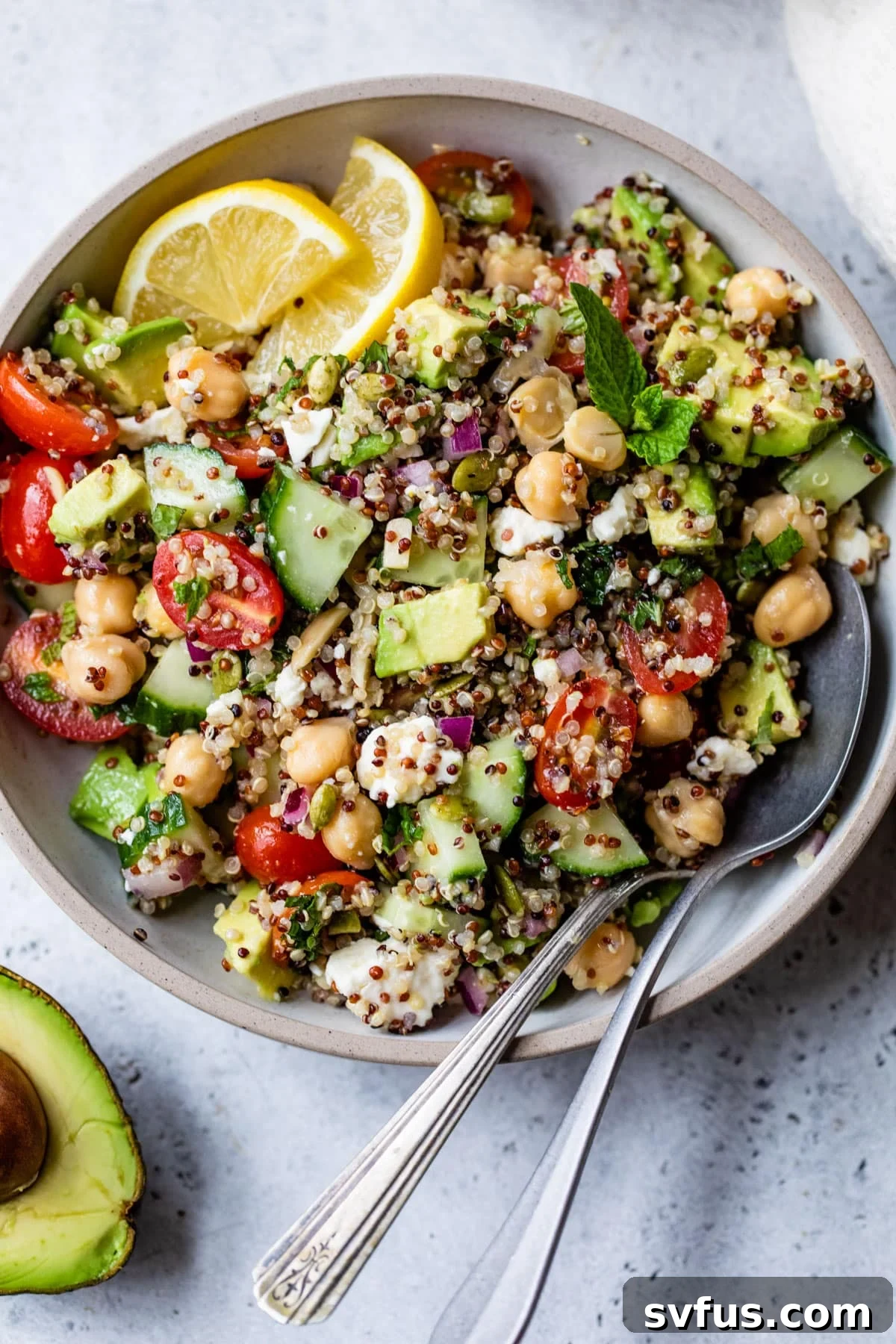
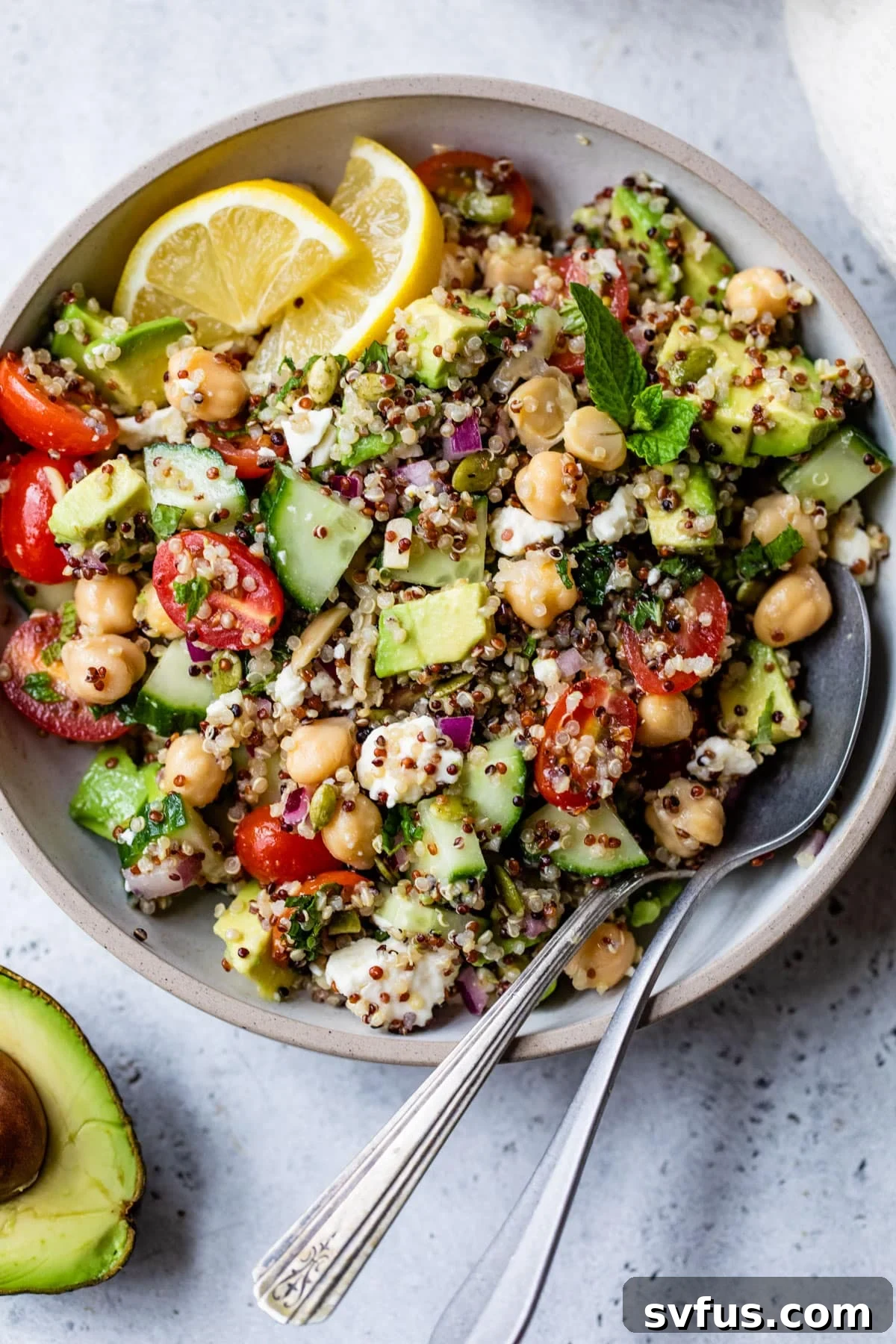
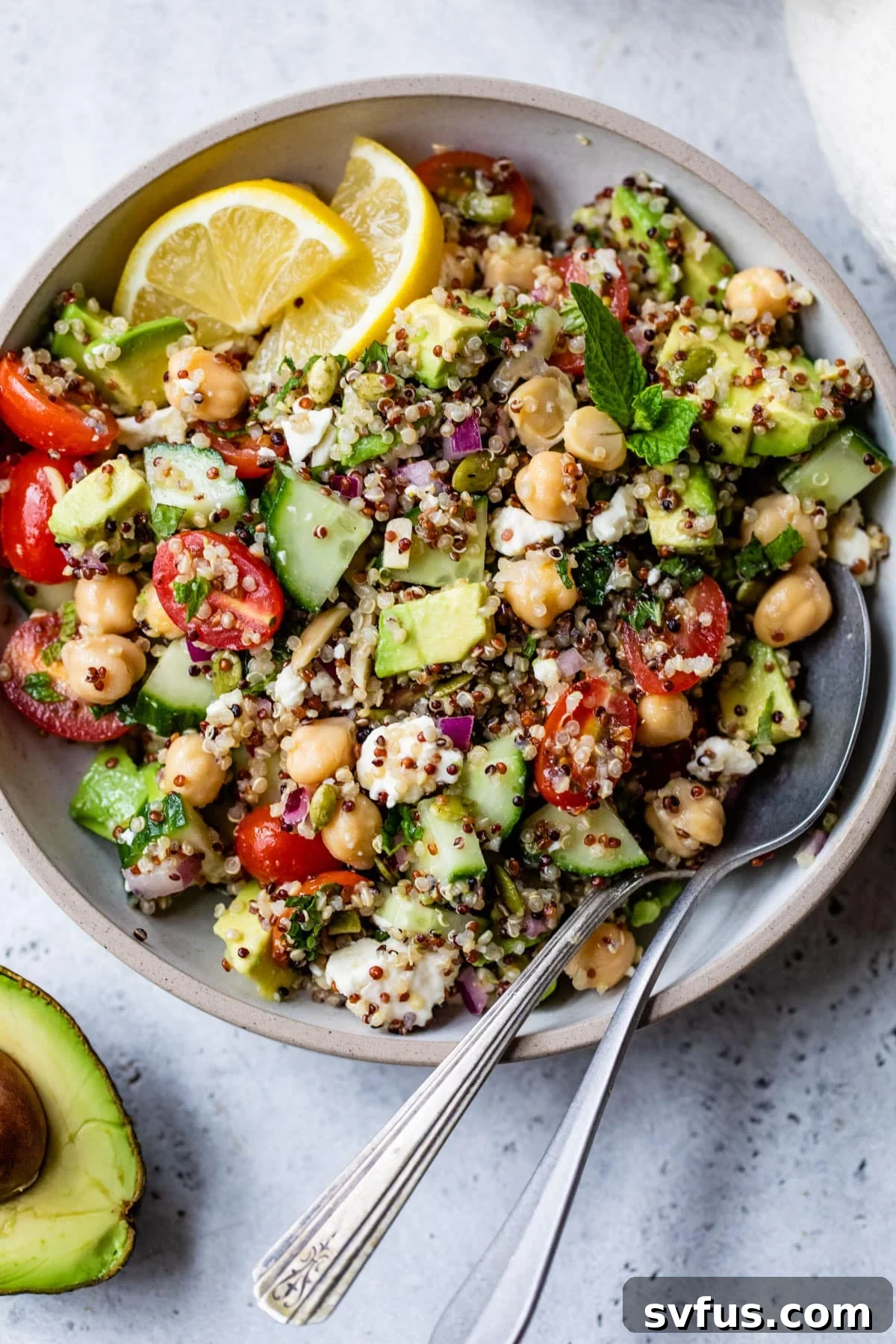
Zesty Quinoa Salad
This vibrant quinoa salad is packed with crisp cucumbers, juicy tomatoes, protein-rich chickpeas, and crumbled feta, all tossed in a tangy citrus dressing. It’s a fresh, filling, and fiber-dense meal that even quinoa skeptics will adore!
FIBER: 16g per serving
Check out this recipe
-
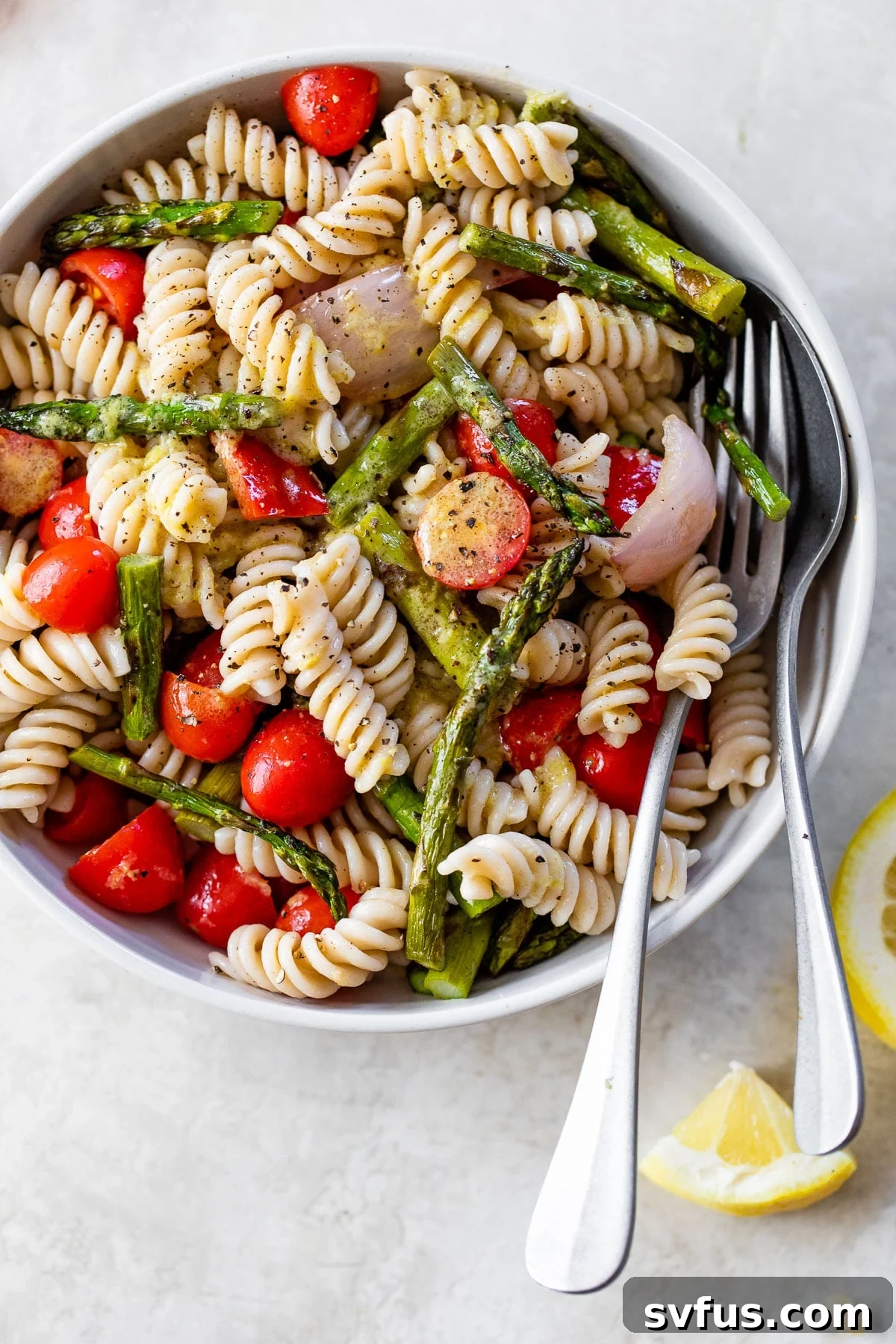
Grilled Asparagus Pasta Salad
Elevate your pasta salad game by grilling your vegetables! This delightful dish combines tender grilled asparagus and sweet tomatoes with pasta, all brought together by a simple yet flavorful lemon dressing. For an extra fiber boost, choose whole grain pasta.
FIBER: 7g per serving, plus more if you use whole grain pasta
Check out this recipe
-
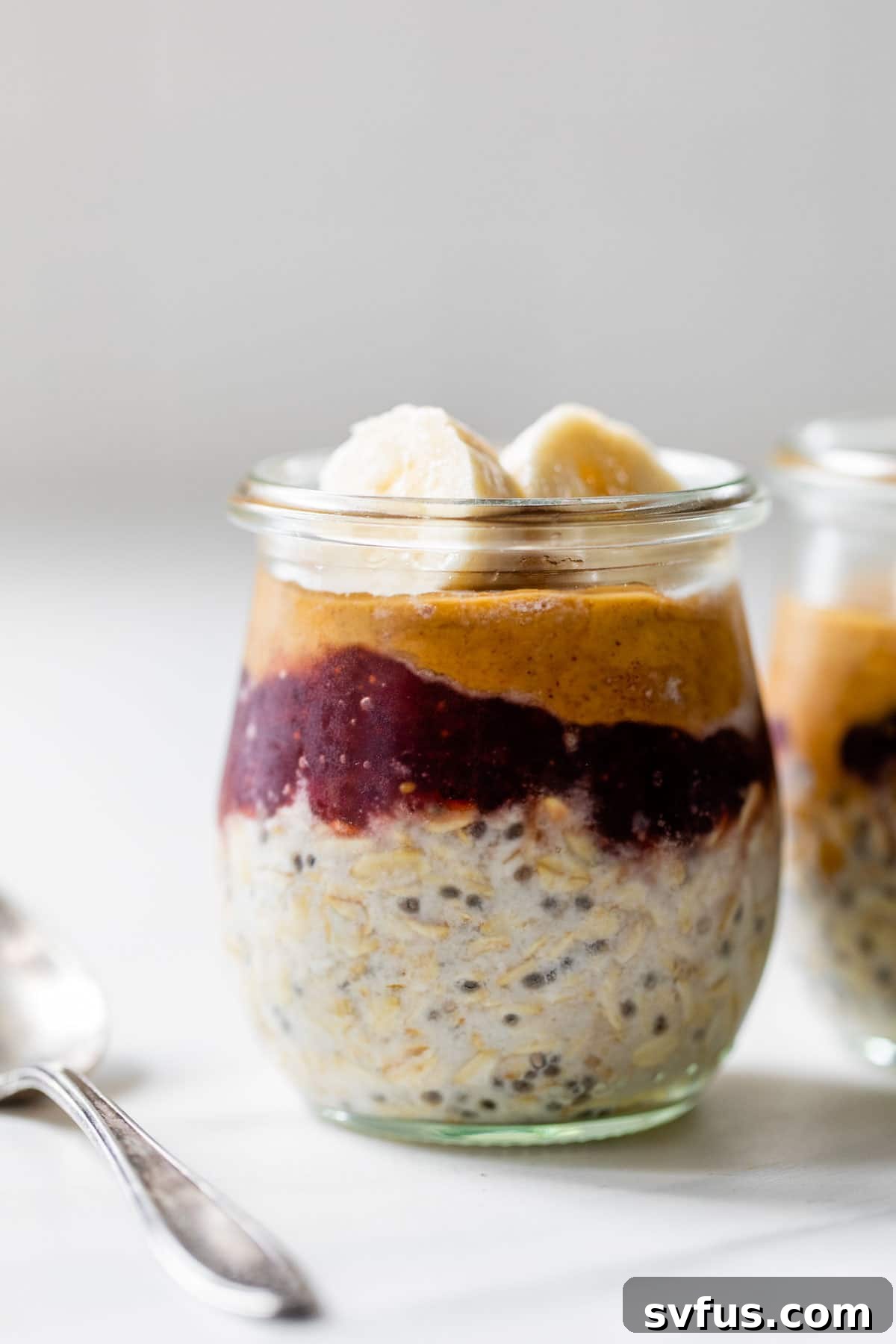
PB&J Overnight Oats
Indulge in a breakfast that tastes like your favorite childhood sandwich! These overnight oats combine the classic flavors of peanut butter and jelly, delivering a significant fiber punch from both the oats and nutrient-dense chia seeds.
FIBER: 20g per serving
Check out this recipe
-
Black Bean Sweet Potato Tacos
Make your next Taco Tuesday a fiber-filled fiesta! These vegetarian tacos are generously loaded with savory black beans, tender sweet potatoes, and a creamy avocado dressing. They’re bursting with flavor and healthy goodness.
FIBER: 12g per 2 tacos
Check out this recipe
-
Chicken Lentil Soup
This heartwarming chicken lentil soup is an excellent choice for a fiber-rich meal. The combination of lentils and an array of vegetables ensures a high fiber content, while the added chicken makes it a satisfying, protein-packed dish perfect for any day.
FIBER: 17g per serving
Check out this recipe
-
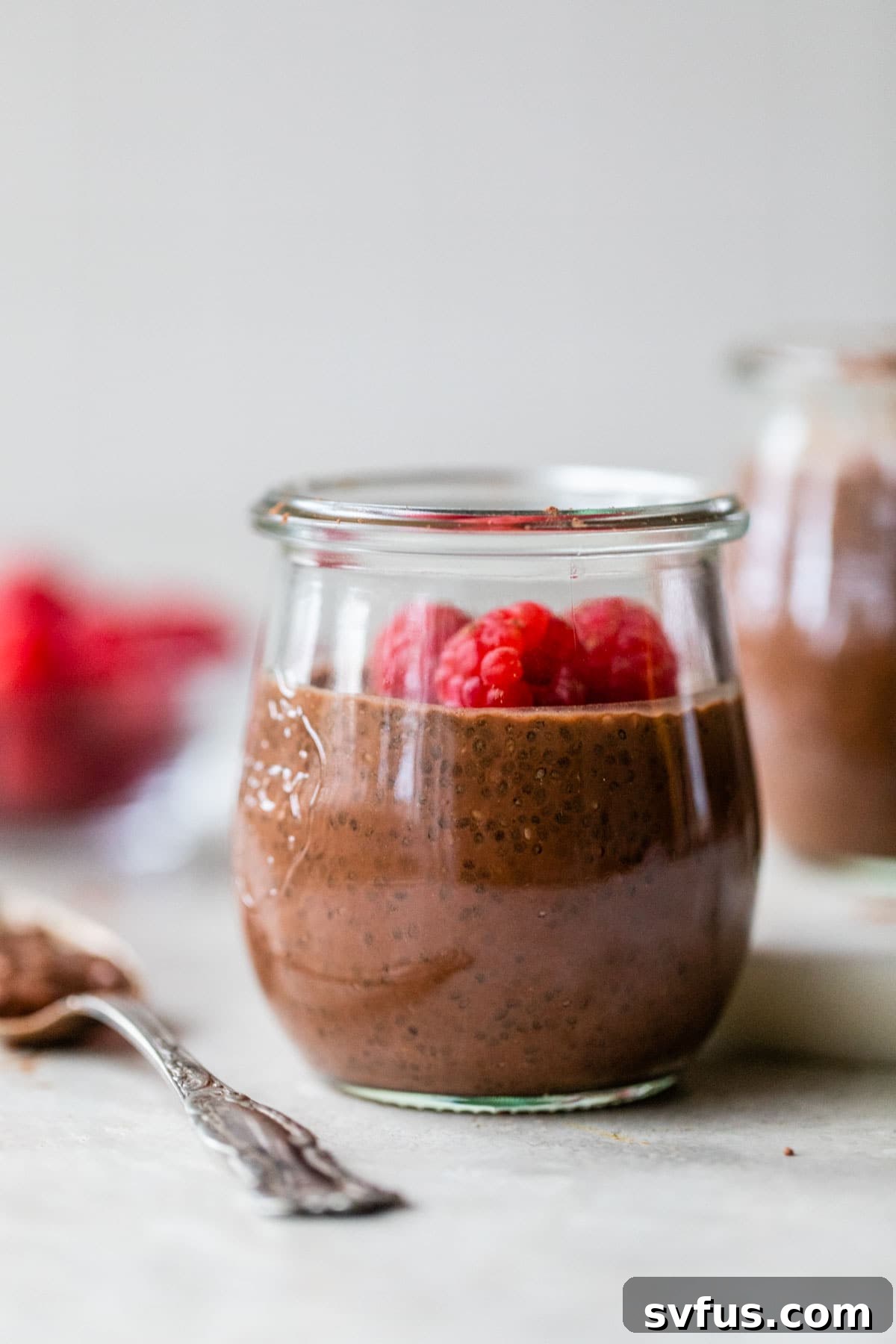
Chocolate Chia Pudding
Satisfy your sweet cravings with this incredibly rich and fiber-dense chocolate chia pudding. This single-serve recipe boasts a whopping 5 tablespoons of chia seeds, making it a fantastic high-fiber breakfast or dessert. Prepare it the night before for a quick and healthy treat!
FIBER: 25g per serving
Check out this recipe
-
Sweet Potato Breakfast Bowl
For lovers of savory breakfasts, this bowl is a game-changer! Creamy mashed sweet potatoes form the base, beautifully complemented by fresh spinach, ripe avocado, savory bacon, and a perfectly fried egg. It’s a hearty and nutritious way to start your day, packed with fiber and flavor.
FIBER: 13g per serving
Check out this recipe
-
Instant Pot Split Pea Soup
Split peas are naturally rich in fiber, and this Instant Pot soup offers a wonderfully convenient way to enjoy them. This comforting and wholesome soup is made even more delicious with a topping of crispy pancetta, adding a delightful savory crunch.
FIBER: 21g per serving
Check out this recipe
-
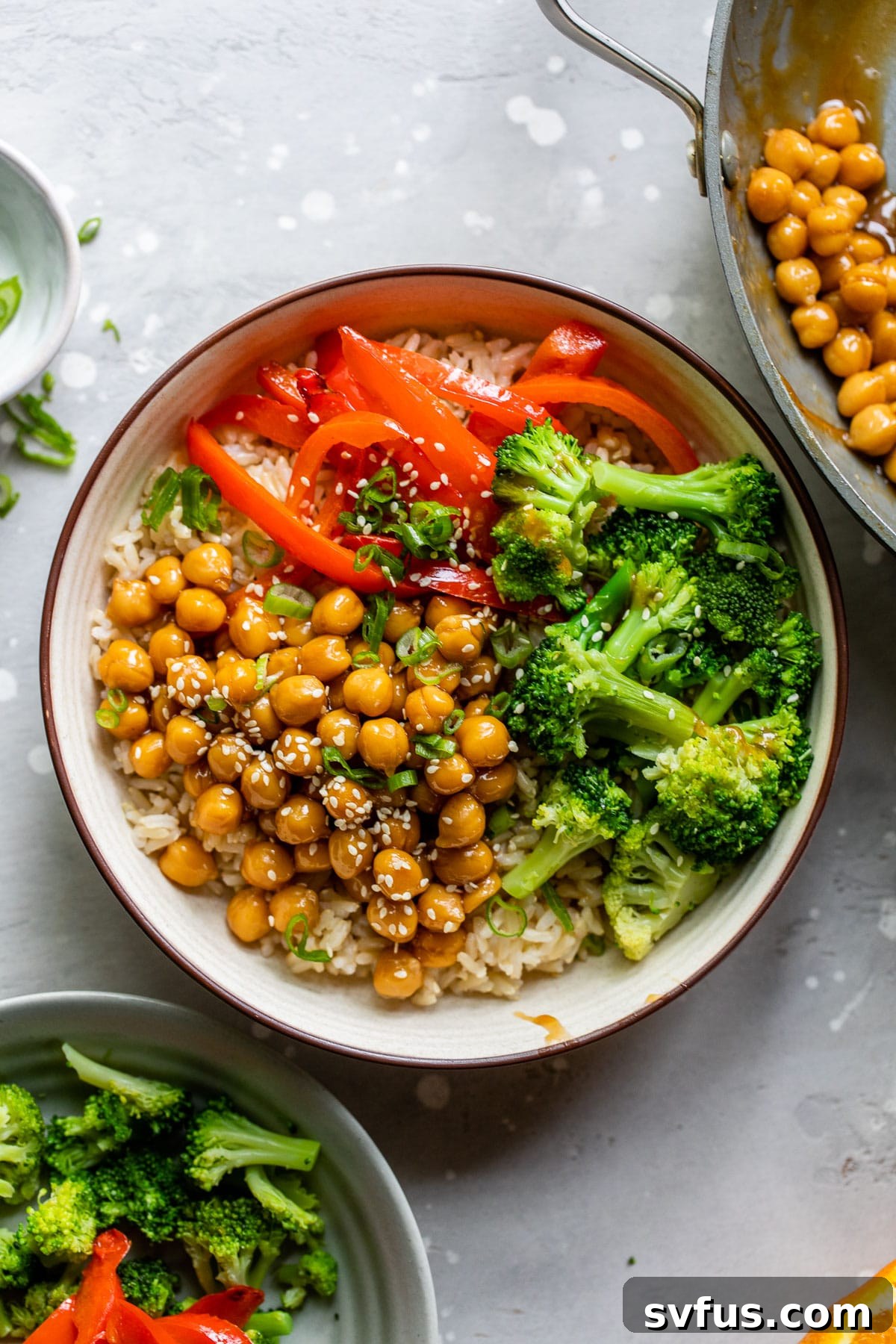
General Tso’s Chickpeas
If you’re a fan of the classic General Tso’s flavor, you’ll be delighted by this plant-based, fiber-packed rendition made with chickpeas. It’s a delicious and healthier alternative that doesn’t skimp on taste, perfect for a satisfying weeknight dinner.
FIBER: 24g per serving
Check out this recipe
-
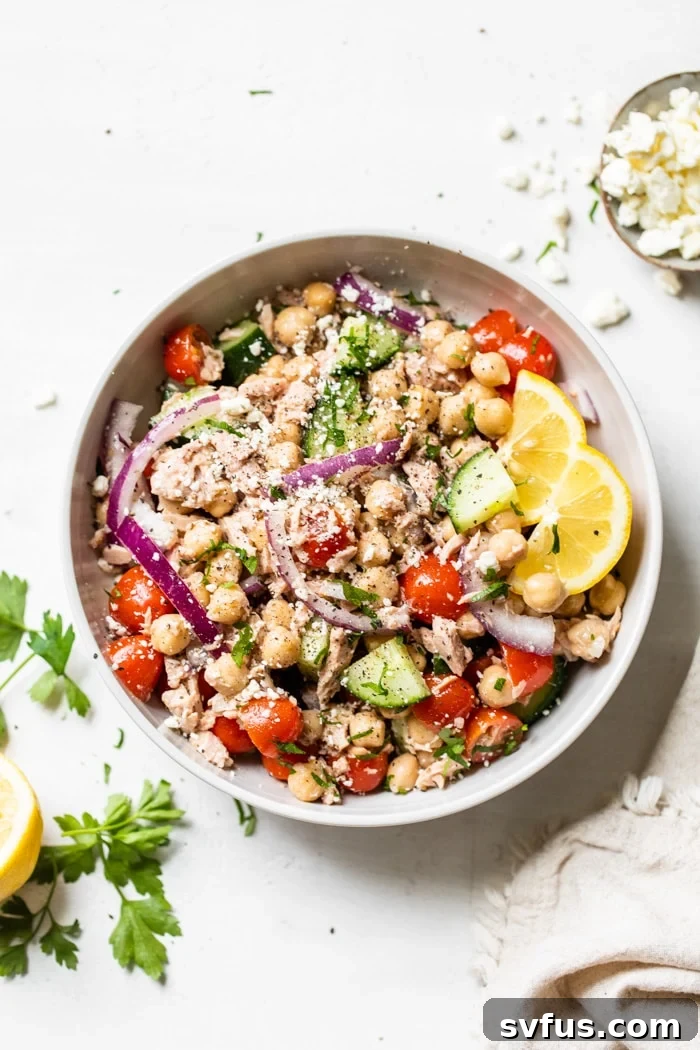
Mediterranean Chickpea Tuna Salad
This Mediterranean Chickpea Tuna Salad is a personal favorite, perfect for sharing with a crowd or enjoying as a light, yet satisfying meal. Combining hearty chickpeas, fresh tomatoes, crisp cucumbers, and flaky tuna, it’s a delicious and fiber-rich choice.
FIBER: 17g per serving
Check out this recipe
-
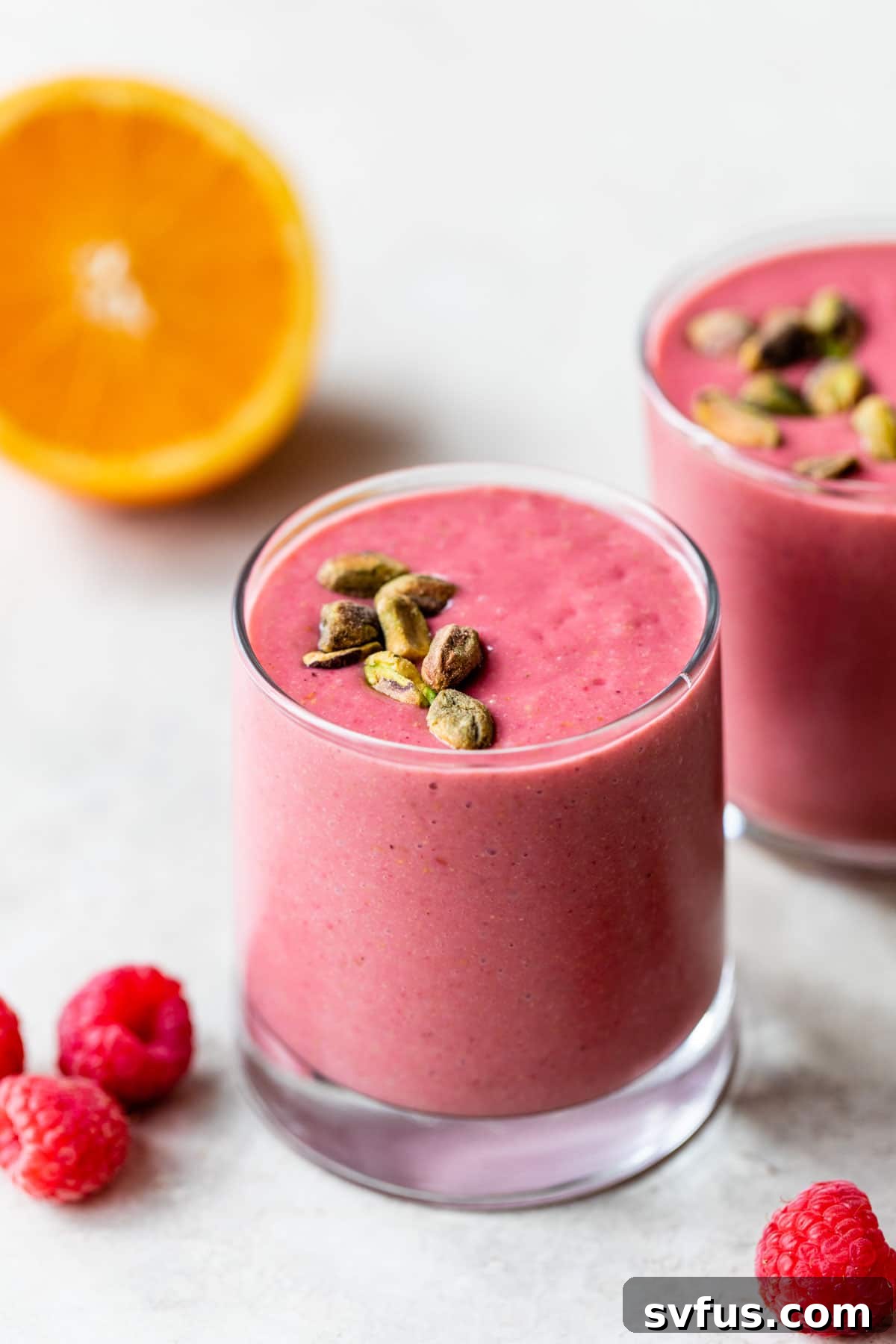
Berry Pistachio Smoothie
Raspberries are naturally bursting with fiber, and when combined with strawberries and pistachios, they create a wonderfully refreshing and fiber-rich smoothie. It’s an excellent on-the-go option for breakfast or a quick, healthy snack to keep you satisfied.
FIBER: 10g per serving
-
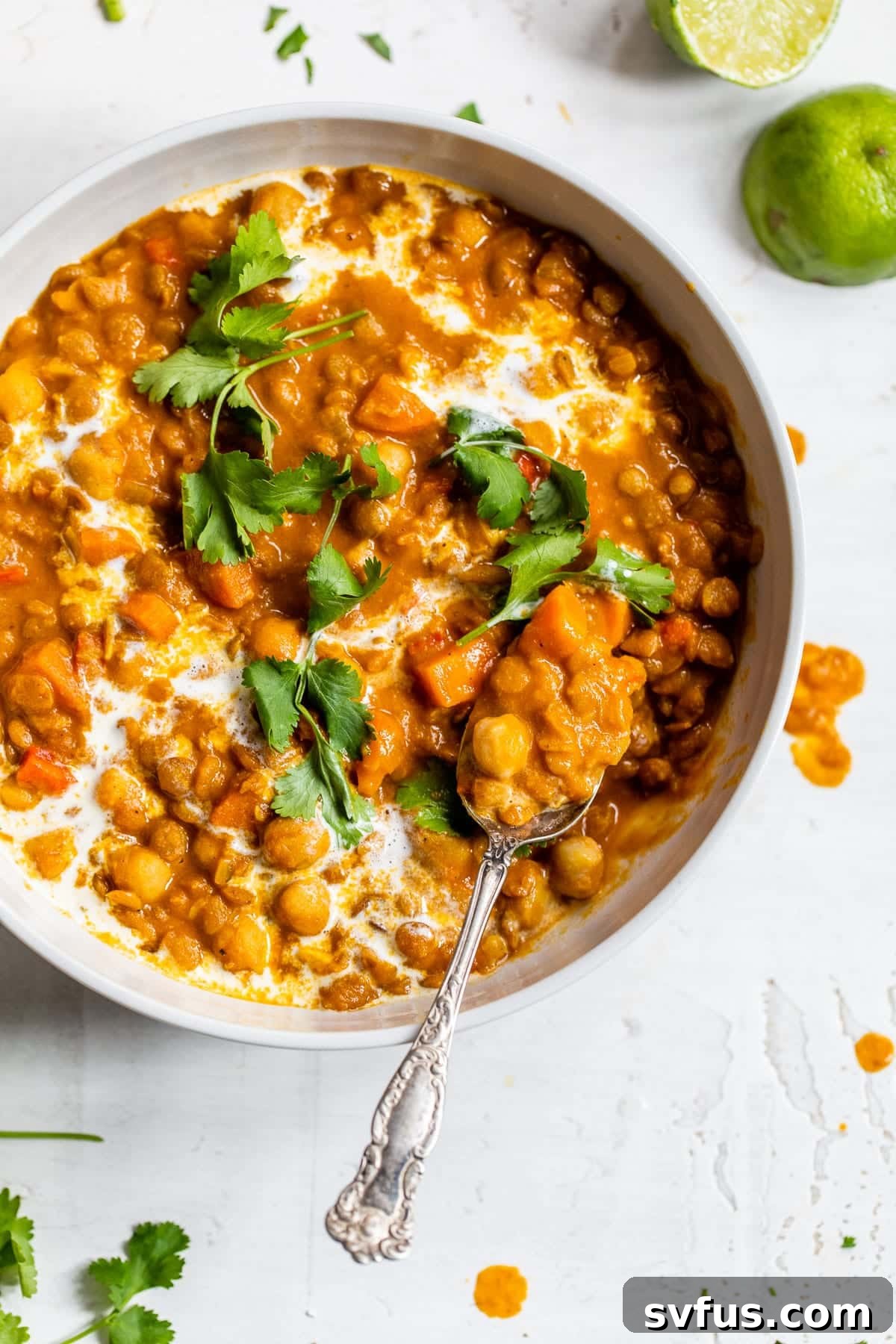
Chickpea Lentil Curry
Discover my absolute favorite curry recipe on the site! This flavorful dish is generously loaded with hearty chickpeas and tender lentils, making it incredibly filling and an exceptional choice for significantly boosting your dietary fiber intake. It’s a truly satisfying vegetarian meal.
FIBER: 17g per serving
Check out this recipe
-
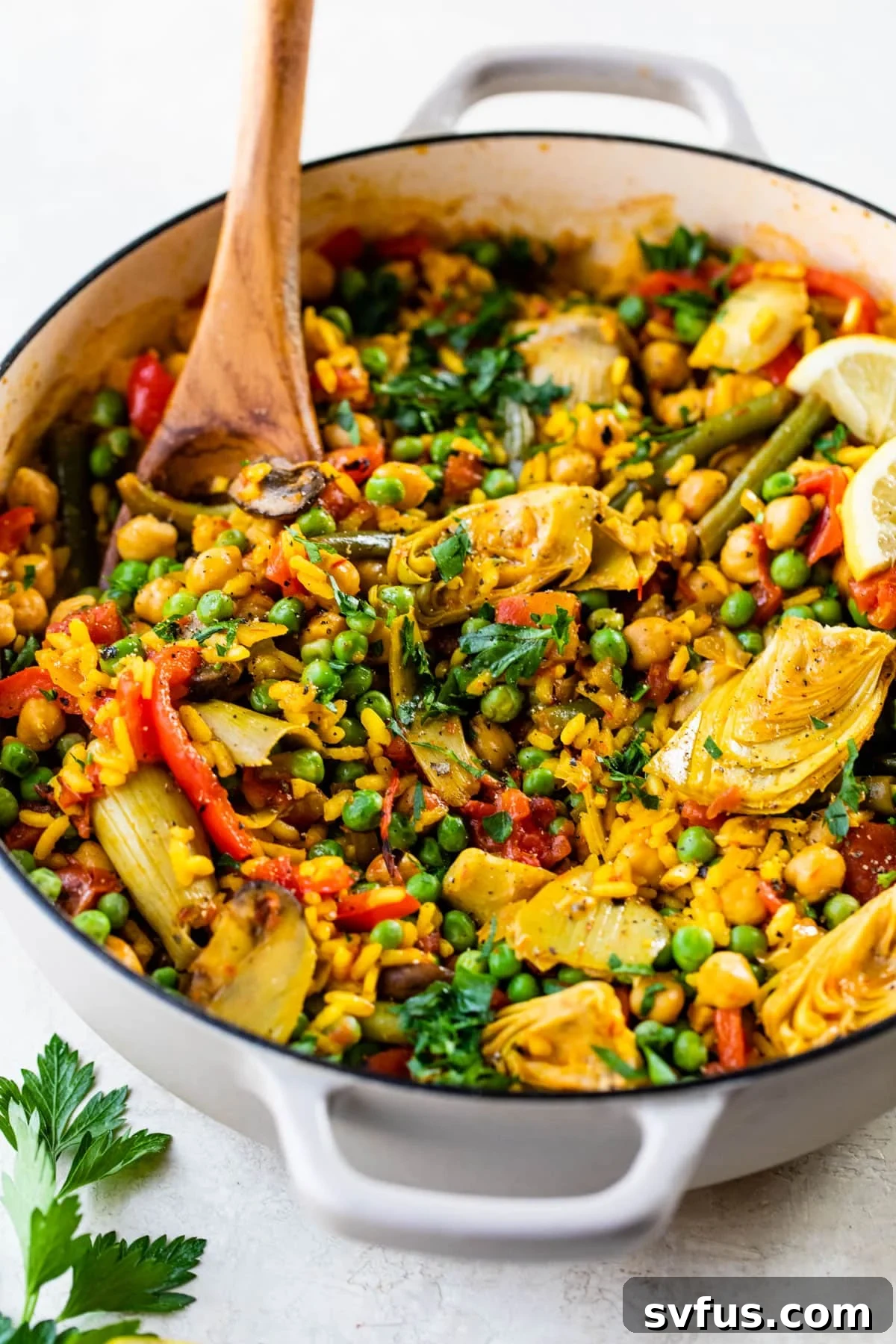
Vegetable Paella
Searching for a truly veggie-packed meal? Look no further than this vibrant vegetable paella! Featuring tender artichokes, sweet peas, earthy mushrooms, and crisp green beans, this one-pot wonder is bursting with flavor and fiber. It’s a magnificent way to enjoy a medley of vegetables.
FIBER: 14g per serving
Check out this recipe
-
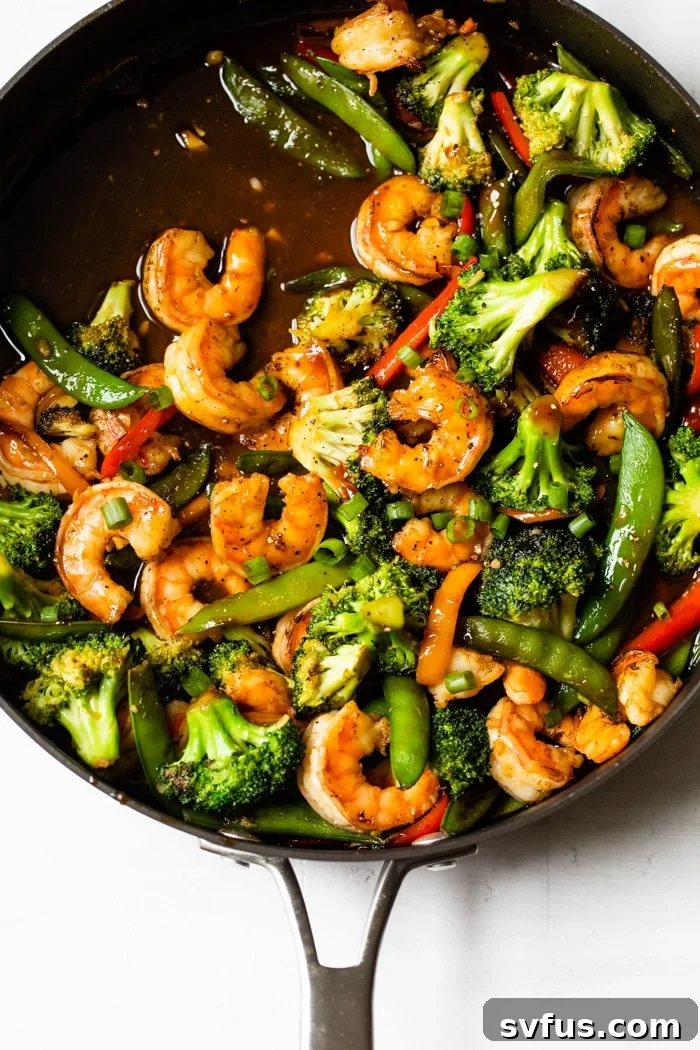
Honey Garlic Shrimp Stir Fry
This stir fry stands out with its incredibly delicious honey garlic sauce! Broccoli, colorful bell peppers, and crisp snow peas combine with succulent shrimp for an easy, flavorful, and fiber-contributing weeknight meal. It’s a quick way to get essential nutrients.
FIBER: 9g per serving
Check out this recipe
-
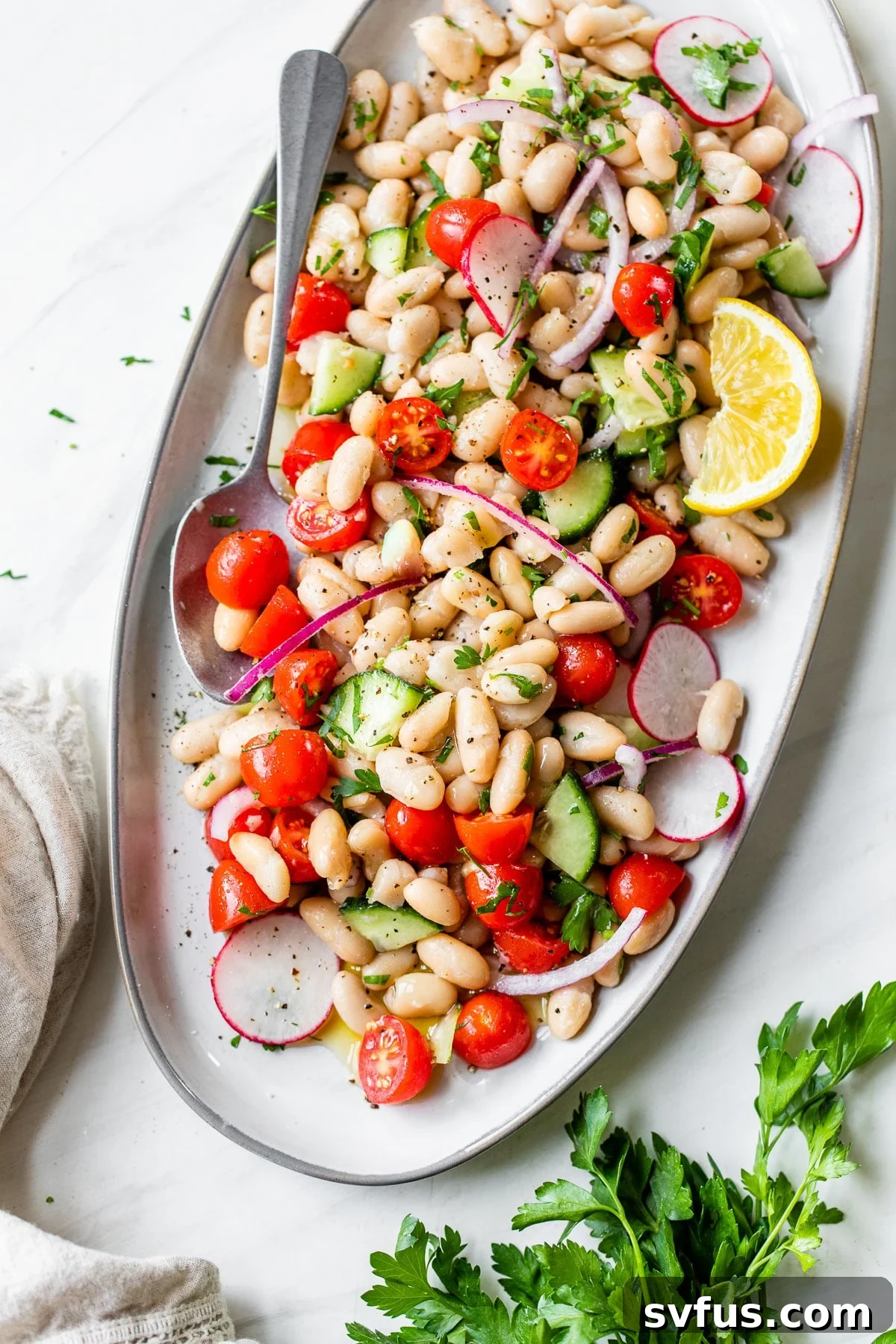
Cannellini Bean Salad
This cannellini bean salad is the epitome of simple summer freshness, and a fantastic way to utilize canned white beans. Bursting with flavor from fresh ingredients, it’s an effortlessly healthy and fiber-rich side dish or light lunch.
FIBER: 11g per serving
Check out this recipe
-
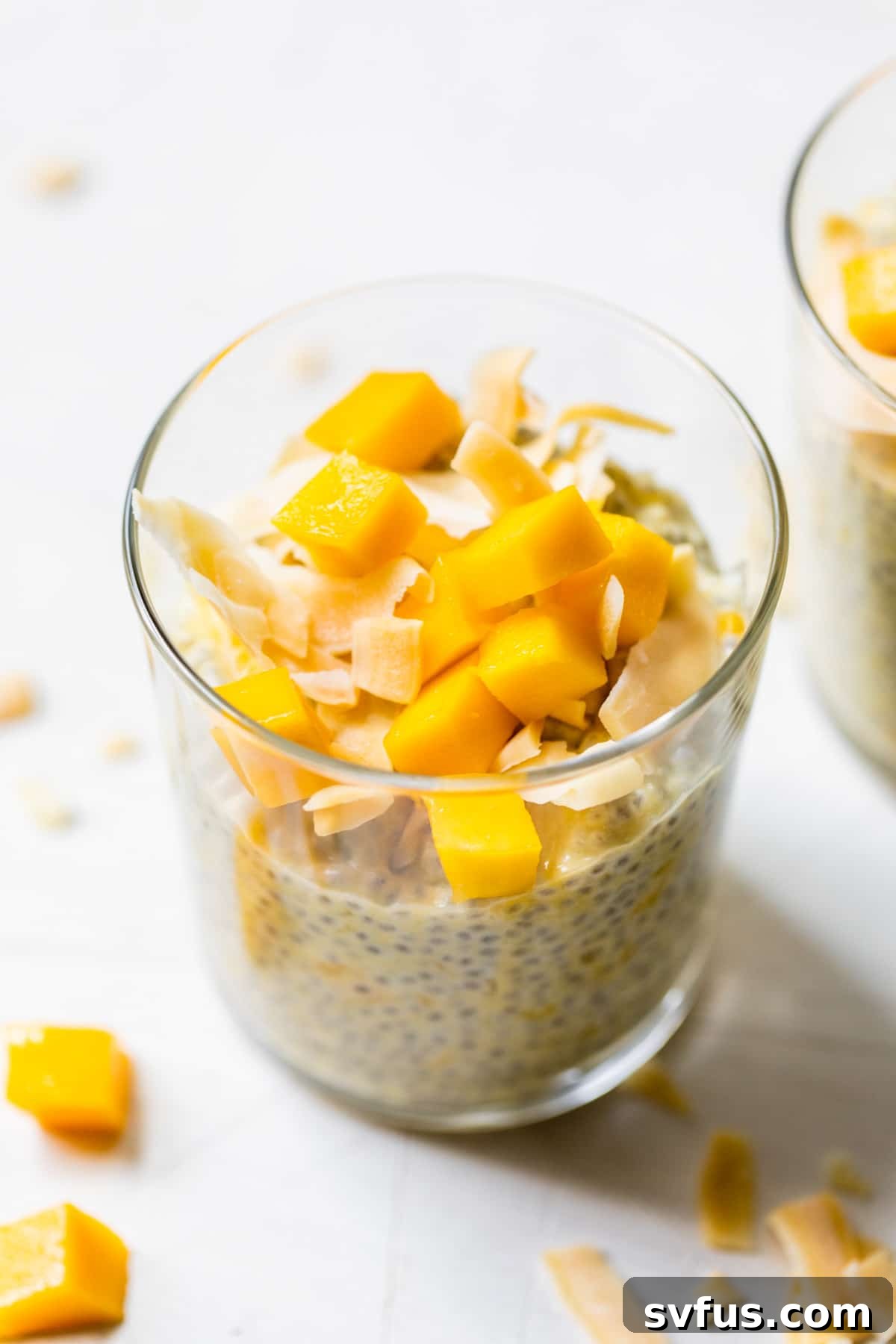
Mango Chia Pudding
Mangos are naturally high in fiber, making this creamy mango chia pudding an excellent choice for a nutritious and high-fiber breakfast. Blended fresh mango creates a naturally sweet base, while extra fresh mango on top adds a burst of tropical flavor and texture. It’s a delightful way to start your day.
FIBER: 13g per serving
Check out this recipe




Even More Fiber-Packed Recipes to Explore
Looking for even more ways to add delicious fiber to your diet? These additional recipes offer a variety of flavors and styles, perfect for any meal.
VG
GF
DF
Sesame Tofu Quinoa Bowl
This wholesome bowl features crispy sesame tofu, fluffy quinoa, and a medley of colorful vegetables, offering a complete and satisfying meal rich in plant-based fiber and protein.
VG
GF
DF
Edamame Salad
Light, refreshing, and incredibly easy to make, this edamame salad is packed with protein and fiber, making it an ideal side dish or a quick, healthy lunch option.
VG
GF
DF
Peanut Butter Protein Overnight Oats
Combine the goodness of oats with the power of protein and rich peanut butter in this simple overnight oats recipe. A perfect grab-and-go breakfast that provides sustained energy and ample fiber.
Frequently Asked Questions About Fiber
- Can you have too much fiber?
- While fiber is beneficial, consuming excessive amounts too quickly can lead to discomfort like bloating, gas, and abdominal cramps. It’s best to increase your intake gradually and ensure you drink plenty of water to help fiber move through your digestive system smoothly. Extremely high fiber intake (over 70g per day) can also potentially interfere with the absorption of certain minerals, though this is rare with a balanced diet.
- What are the signs of low fiber intake?
- Common signs of insufficient fiber include constipation, infrequent bowel movements, persistent hunger despite eating, difficulty maintaining a healthy weight, and sometimes elevated cholesterol levels. If you experience these symptoms, gradually increasing your fiber intake through whole foods can often help.
- How can I increase fiber without causing bloating or gas?
- The key is gradual progression. Start by adding a small amount of fiber-rich food to one meal a day, then slowly increase the quantity and frequency over several weeks. Crucially, drink ample water throughout the day. Water helps fiber soften and pass more easily, minimizing digestive discomfort. Cooking methods like soaking beans before cooking can also reduce gas-producing compounds.
- Is fiber only found in whole grains?
- Absolutely not! While whole grains are a great source, fiber is abundant in a wide variety of plant-based foods. Fruits (especially with skins), vegetables, legumes (beans, lentils, peas), nuts, and seeds are all excellent sources of dietary fiber. A diverse diet ensures you get both soluble and insoluble fiber.
Conclusion: Embrace a Fiber-Rich Lifestyle
Incorporating more fiber into your diet is one of the most impactful steps you can take for your long-term health. From improving digestion and heart health to aiding in weight management and stabilizing blood sugar, the benefits are extensive. With this collection of delicious and easy-to-make high-fiber recipes, you have all the inspiration you need to transform your meals and nourish your body. Start small, explore new ingredients, and enjoy the journey to a healthier, more vibrant you!
Fiber sources: (Dignity Health) (Harvard T.H. Chan School of Public Health)