Master the Art of Homemade Oat Flour: Your Ultimate Guide to Gluten-Free Baking
Unlock the secret to incredibly soft, tender, and delicate gluten-free baked goods by learning how to make oat flour right in your own kitchen! This comprehensive guide will show you how to transform simple oats into a versatile, whole-grain, and allergy-friendly flour, saving you money and revolutionizing your baking.
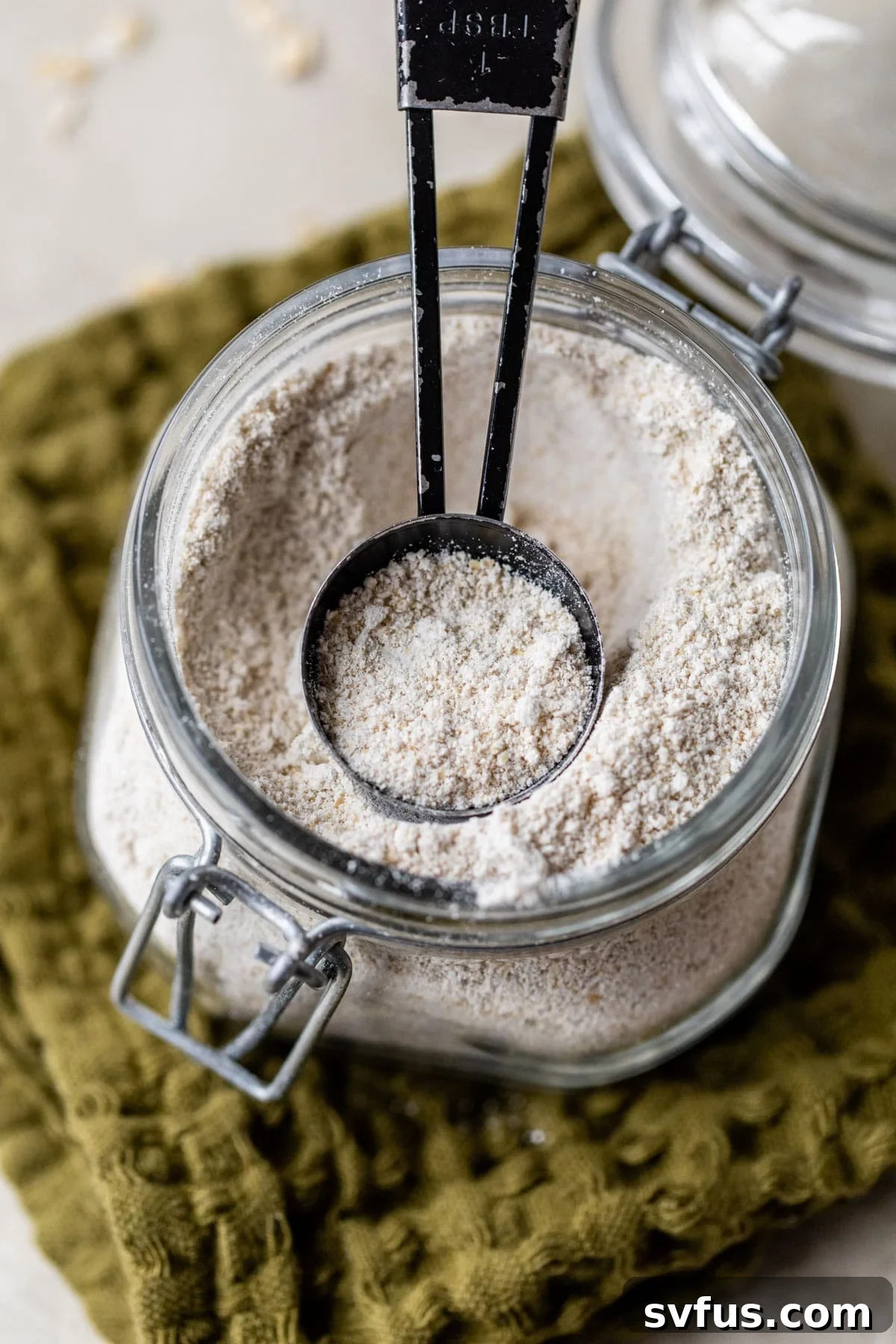
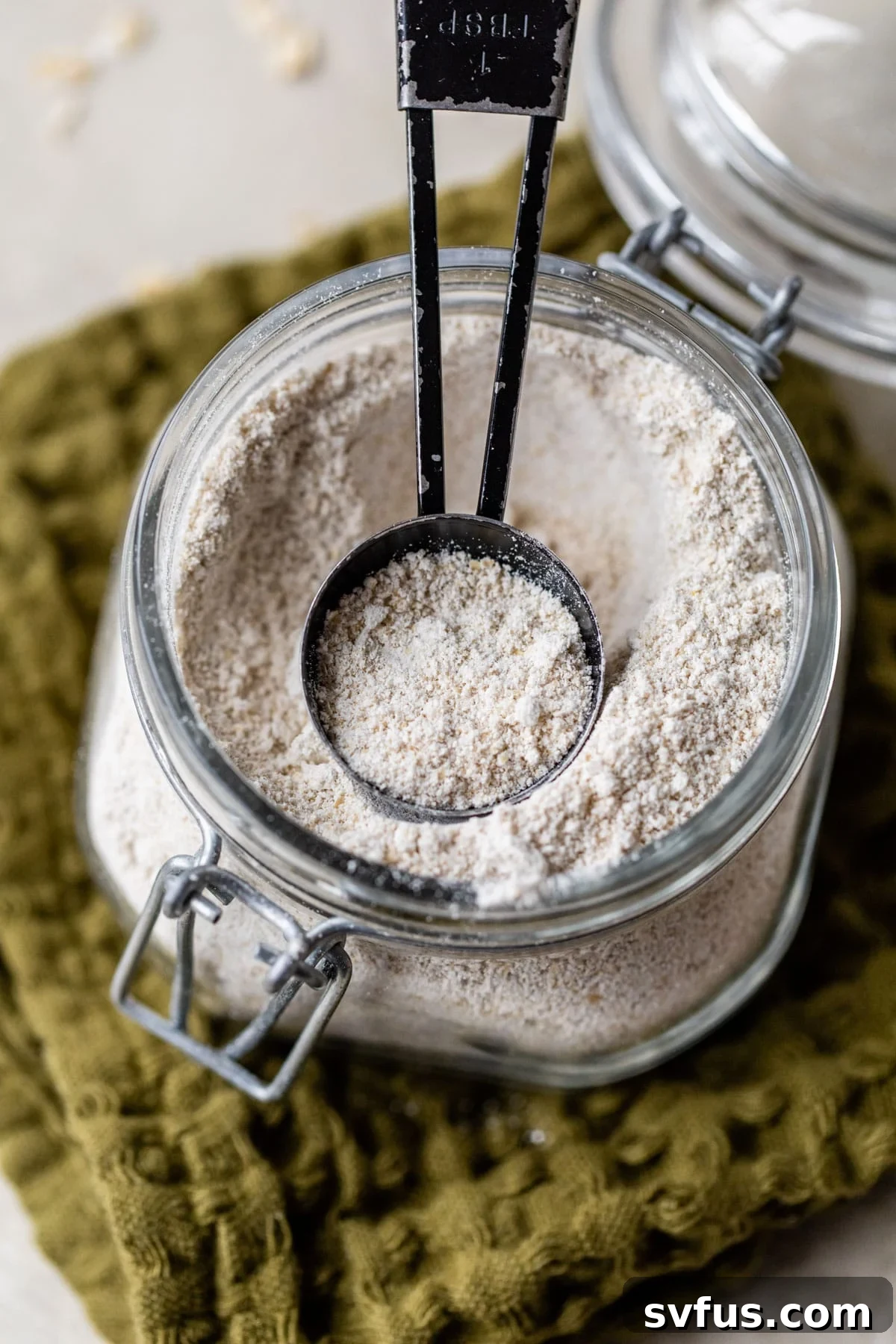
There’s immense satisfaction and practical benefit in making your own ingredients from scratch, and oat flour is no exception. Forget expensive store-bought bags; crafting homemade oat flour is incredibly simple, requiring just one core ingredient: oats! This wholesome flour is gaining rapid popularity not only for its distinct nutty flavor and hearty texture but also for its exceptional role in allergy-friendly and gluten-free diets. By making it yourself, you gain complete control over its purity and freshness, ensuring every batch perfectly complements your culinary creations.
Why Make Your Own Oat Flour?
Making your own oat flour offers a multitude of advantages that go beyond mere convenience. It’s a smart, budget-friendly choice that empowers you to bake with confidence and creativity.
- Significant Cost Savings: Pre-packaged specialty flours, especially gluten-free options, often come with a hefty price tag. Oats, on the other hand, are an incredibly economical pantry staple. By grinding them yourself, you drastically reduce your grocery bill without compromising on quality.
- Unmatched Freshness: Flour, like many ingredients, is best when fresh. Homemade oat flour ensures you’re using a product that hasn’t sat on a shelf for months. This freshness translates into superior flavor and texture in your baked goods, enhancing everything from muffins to cookies.
- Ingredient Control and Purity: When you make oat flour at home, you know exactly what goes into it – just oats! This is particularly vital for those with food allergies or sensitivities. You can choose certified gluten-free oats to prevent cross-contamination, ensuring your flour is truly safe for those with celiac disease or gluten intolerance.
- Effortless Preparation: The process is astonishingly simple and quick. With just a blender or food processor, you can transform whole oats into a fine flour in mere seconds. It’s a kitchen hack that saves you time, effort, and trips to the store for specialty ingredients.
- Versatility in Baking: Oat flour brings a unique softness, tenderness, and a delightful chewiness to baked goods that other flours might not. It also adds a subtle, wholesome flavor that enhances both sweet and savory recipes.
Understanding Oat Flour: A Gluten-Free Powerhouse
Oat flour is simply oats that have been finely ground into a powder. While seemingly basic, this transformation unlocks a world of culinary possibilities, particularly for those navigating dietary restrictions. It stands out as an excellent whole-grain alternative, rich in nutrients and remarkably adaptable.
Nutritional Benefits of Oat Flour
Beyond being a fantastic gluten-free option, oat flour is a nutritional powerhouse. It’s an excellent source of dietary fiber, especially soluble fiber called beta-glucan, which is known for its heart-healthy benefits. It also provides a good amount of protein, healthy fats, and essential vitamins and minerals like manganese, phosphorus, magnesium, and B vitamins. Including oat flour in your diet can contribute to stable blood sugar levels, improved digestion, and prolonged feelings of fullness, making it a valuable addition to a balanced lifestyle.
The Allergy-Friendly Advantage
One of the most compelling reasons to embrace oat flour is its allergy-friendly nature. It’s naturally free from common allergens such as wheat, nuts, coconut, and, when certified, gluten. This makes it an invaluable ingredient for households dealing with multiple dietary restrictions, allowing everyone to enjoy delicious baked treats without worry.
Choosing the Right Oats for Your Flour
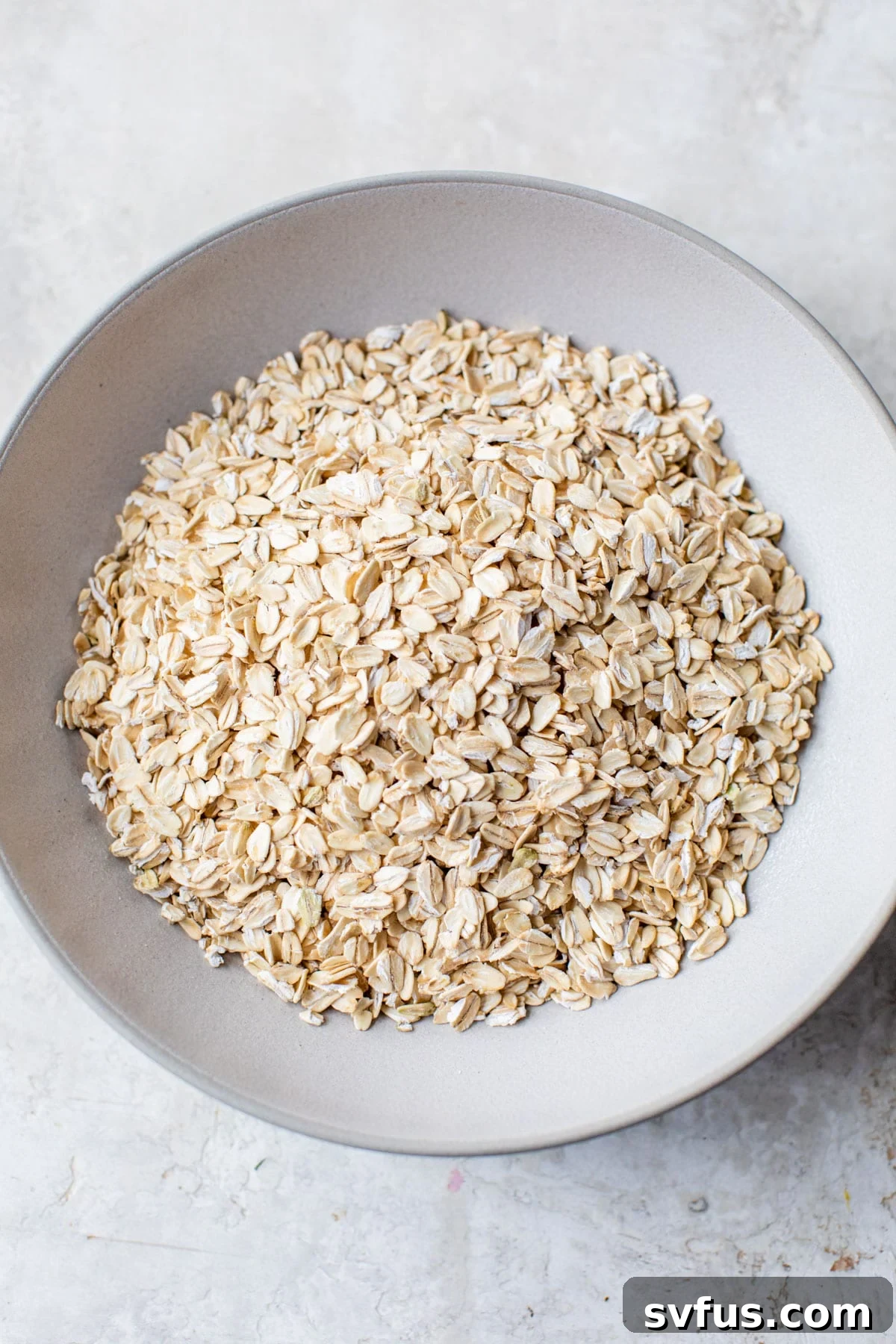
The type of oats you select will influence the texture and yield of your homemade oat flour. Fortunately, most common varieties work wonderfully, giving you flexibility based on what you have on hand or what’s most accessible.
- Old-Fashioned Rolled Oats: These are the most common and widely recommended for making oat flour. They produce a fine, consistent flour that’s ideal for most baking applications. Rolled oats are readily available and often the most budget-friendly option.
- Quick Oats (Instant Oats): Quick oats are thinner and more processed than rolled oats, meaning they require less blending time to achieve a fine flour. They can be a convenient choice if you’re in a hurry, and the resulting flour will have a very similar texture to that made from rolled oats.
- Steel Cut Oats: Steel cut oats are whole oat groats that have been cut into smaller pieces, making them denser and heartier. While they can be used, they will require significantly longer blending time (often twice as long as rolled or quick oats) to break down into a fine flour. However, they tend to yield more flour per cup of oats compared to their rolled or quick counterparts due to their density. The resulting flour might also have a slightly coarser texture, which can add a rustic feel to certain baked goods.
Feel free to experiment with a single type of oat or even a combination to find your preferred texture and flavor. Remember, this is meant to be a simple, budget-friendly process, so use what’s on sale or what you already love!
Important Note on Gluten-Free Oats
While oats are naturally gluten-free, they are often processed in facilities that also handle wheat, barley, or rye, leading to cross-contamination. If you or someone you’re baking for has celiac disease or a severe gluten intolerance, it is absolutely crucial to purchase oats that are certified gluten-free. Look for labels that explicitly state “certified gluten-free” to ensure safety and prevent any adverse reactions.
Essential Equipment for Making Oat Flour
The beauty of homemade oat flour lies in its simplicity, requiring minimal specialized equipment. Most home kitchens are already equipped with the necessary tools.
- High-Speed Blender: This is the ideal tool for achieving the finest, most consistent oat flour. A powerful blender will pulverize oats quickly and efficiently, resulting in a smooth powder perfect for delicate baking.
- Food Processor: If you don’t have a high-speed blender, a food processor is an excellent alternative. It might take a bit longer and require more pulsing, and the flour might be slightly less fine, but it will still produce perfectly usable oat flour for most recipes.
- Airtight Storage Container: Essential for keeping your freshly ground oat flour fresh for longer. Glass jars with tight-fitting lids or sealed plastic containers work best.
- Measuring Cups/Spoons: For accurately measuring your oats and the resulting flour.
- Fine-Mesh Sieve (Optional but Recommended): For sifting the flour after blending, which helps remove any larger, unground oat pieces and ensures a consistently fine texture. This step can elevate your baking results, especially for recipes requiring a very smooth flour.
Step-by-Step Instructions: Crafting Your Own Oat Flour
Making oat flour is one of the easiest kitchen tasks you’ll encounter. Follow these simple steps for perfect results every time.
- Measure Your Oats: Start by measuring the desired amount of oats. A general rule of thumb is that 1 cup of whole oats yields slightly more than 1 cup of oat flour (approximately 1 1/3 cups, depending on the oat type and how fine you grind it). For example, 2 cups of rolled oats will typically produce about 2 2/3 cups of oat flour.
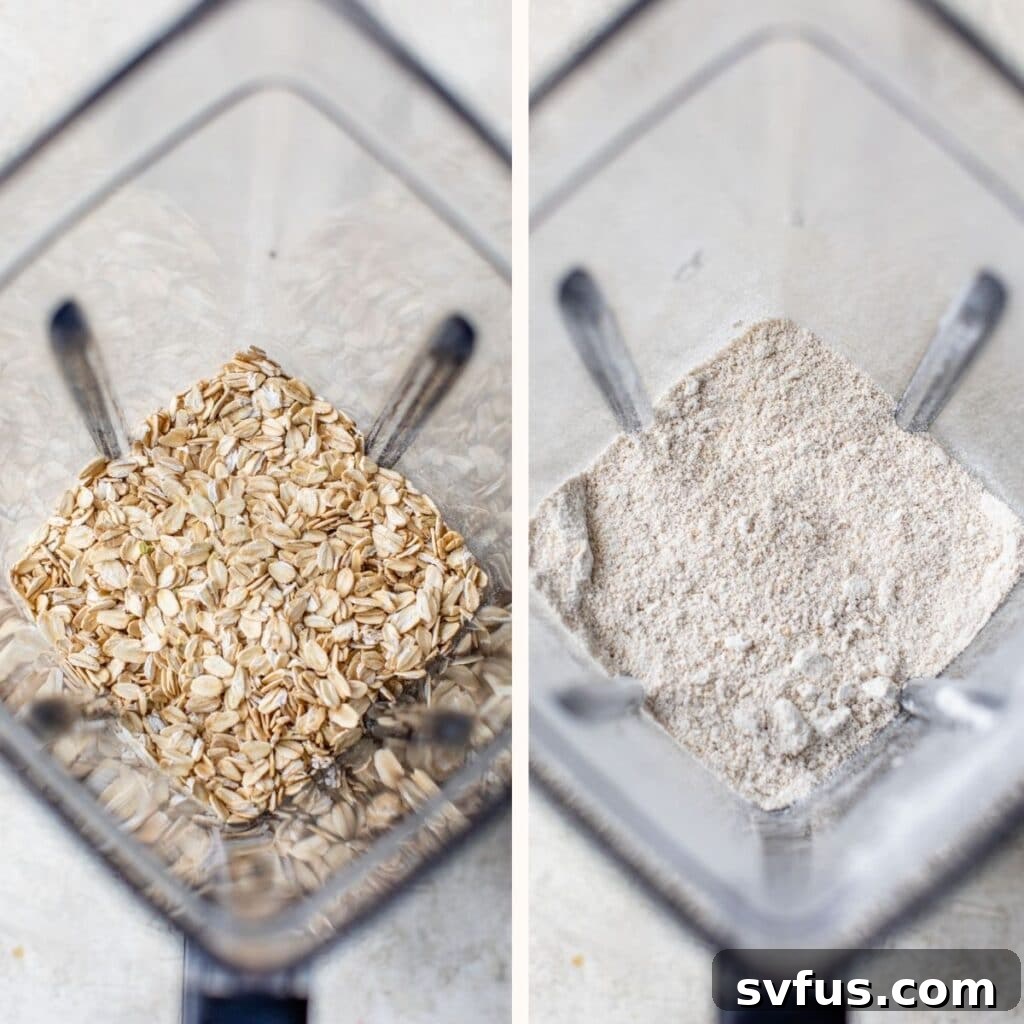
- Place Oats in Blender/Food Processor: Pour the measured oats into the container of your high-speed blender or food processor. Ensure the lid is securely fastened.
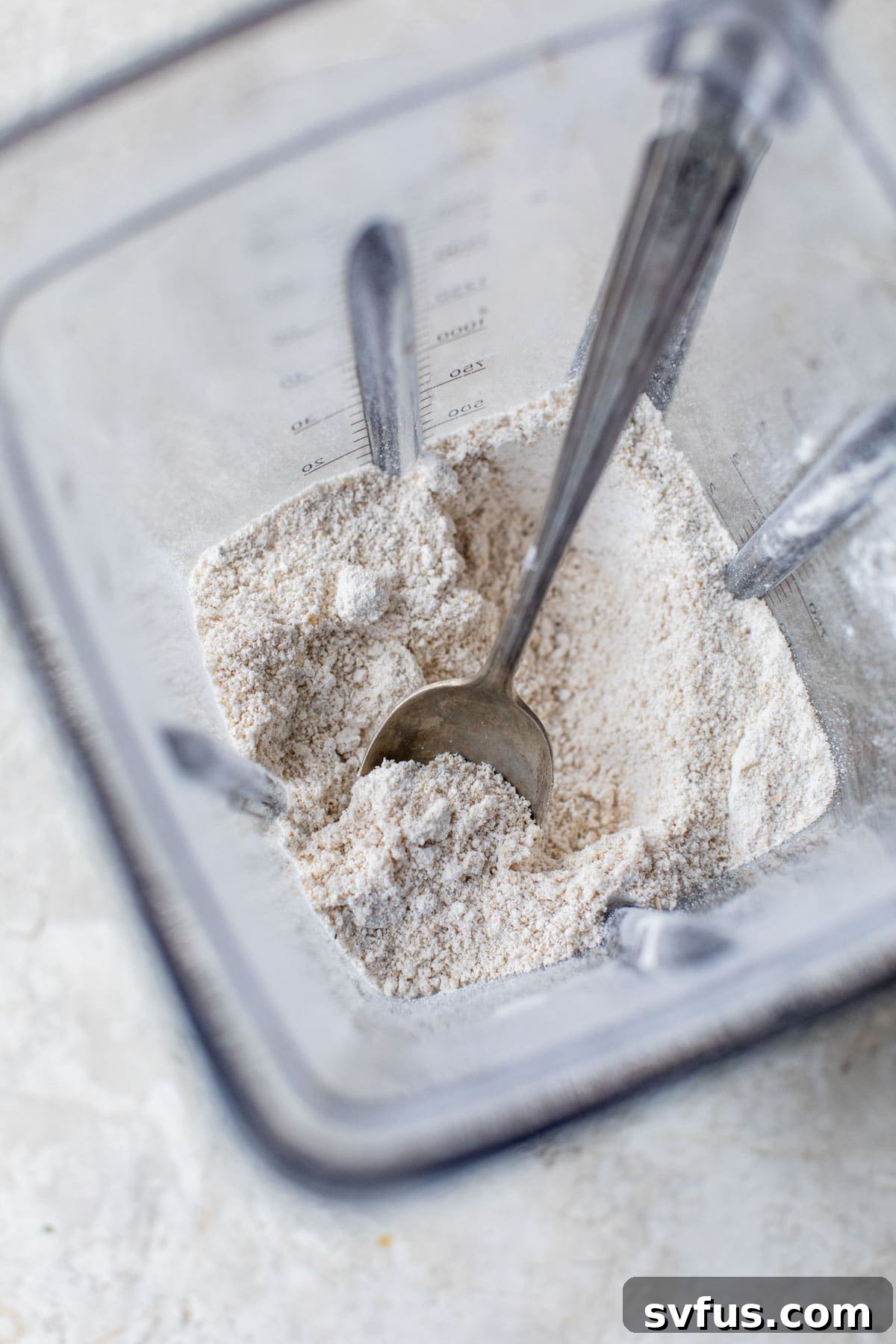
- Blend Until Fine: Begin blending on a low setting and gradually increase the speed to high. Blend continuously until the oats transform into a very fine, powdery flour. This usually takes between 20 to 60 seconds in a high-speed blender, and a bit longer with more pulsing in a food processor. You may need to stop and shake the container or scrape down the sides to ensure all oats are evenly ground.
- Check Consistency (Optional Sifting): Once blended, open the lid and inspect the flour. It should resemble a fine powder, similar to wheat flour. For an even smoother flour, pour it through a fine-mesh sieve into a clean bowl. Any larger pieces caught in the sieve can be returned to the blender for a quick re-blend, or simply discarded, depending on your preference for texture.
- Use Immediately or Store: Your fresh oat flour is now ready to use in your favorite recipes! If you’re not using it right away, transfer it to an airtight container for storage.
Expert Tips for Optimal Oat Flour Results
Achieving the best homemade oat flour is simple, but a few expert tips can elevate your results and make the process even smoother.
- Don’t Overfill Your Blender: For the most efficient and consistent grind, avoid overfilling your blender or food processor. Process oats in batches if you’re making a large quantity. This ensures even grinding and prevents the motor from overheating.
- Achieve the Right Fineness: The key to good oat flour is a fine, consistent texture. If the flour is too coarse, it can result in dense or crumbly baked goods. Blend until it has the consistency of regular wheat flour.
- Sifting for Smoother Texture: While optional, sifting your freshly ground oat flour through a fine-mesh sieve is highly recommended, especially for delicate recipes like cakes or muffins where a smooth texture is crucial. This step removes any larger pieces and ensures uniformity.
- Impact of Oat Type: Remember that steel cut oats are denser and require more blending time than rolled or quick oats. They might also produce a slightly different yield. Adjust blending time accordingly.
- Prevent Overheating: If your blender starts to get warm, stop and let it cool down for a minute or two before continuing. This protects your appliance and prevents the oats from potentially heating up and releasing oils, which can affect the flour’s texture.
- Understand Yield: Typically, 1 cup of whole oats will yield approximately 1 1/3 cups of oat flour. This slight increase in volume is due to the oats being broken down and becoming less dense. Keep this in mind when measuring for recipes.
Baking with Oat Flour: Substitution Guide and Tips
Oat flour is a fantastic ingredient, but it behaves differently from traditional all-purpose flour. Understanding these differences is key to successful substitutions and delicious results.
Can You Substitute Oat Flour for All-Purpose Flour?
The answer is: it depends on the recipe. Oat flour is lighter and lacks the gluten structure of wheat flour, which affects how it binds and rises. Here are some essential tips for substituting oat flour in your recipes:
- Partial Substitution is Key: For most recipes that rely heavily on gluten for structure (like yeast breads or light cakes), it’s best not to replace all of the all-purpose or whole wheat flour with oat flour. Oat flour’s lightness can make baked goods too delicate or crumbly. A general rule is to substitute about 25% to 30% of the all-purpose flour with oat flour. This allows you to introduce the flavor and nutrition of oats without compromising the structure of the original recipe. Alternatively, you can increase the total amount of flour used: if a recipe calls for 1 cup of all-purpose flour, try using 1 1/3 cups of oat flour to achieve a similar consistency.
- Recipes with Eggs Offer More Flexibility: In recipes for baked goods that contain eggs, such as pancakes, waffles, or certain types of cookies (like chocolate chip cookies), you can often replace the full amount of all-purpose flour with oat flour. Eggs act as excellent binders and provide structure, compensating for the lack of gluten in oat flour. This makes oat flour an ideal choice for many breakfast items and chewy cookie recipes.
- Excellent for No-Bake Creations: Oat flour shines in no-bake recipes, where binding and structure are less about gluten development and more about ingredients like nut butters, dates, or sweeteners. Recipes like paleo granola bars, energy balls, or pie crusts are perfect candidates for 100% oat flour substitution, offering a delightful texture and wholesome flavor.
- Consider Liquid Absorption: Oat flour tends to absorb more liquid than all-purpose flour. You might need to increase the liquid content slightly in your recipe (e.g., adding a tablespoon or two more milk or water) to achieve the desired batter or dough consistency.
- For Best Results, Follow Oat Flour Specific Recipes: When in doubt, the most reliable approach is to use oat flour in recipes specifically developed for it. These recipes have already balanced the liquids, fats, and binders to account for oat flour’s unique properties, guaranteeing delicious and consistent results.
What’s the Difference Between Oat Flour and All-Purpose Flour?
The primary difference lies in their composition and gluten content. All-purpose flour, made from wheat, contains gluten proteins that create elasticity and structure, allowing baked goods to rise and hold their shape. Oat flour, being gluten-free, lacks this elasticity. This means oat flour imparts a denser, more tender, and often chewier texture to baked goods, along with a distinct nutty flavor. All-purpose flour is typically preferred for recipes requiring significant rise and a light, airy crumb, such as crusty breads, delicate cakes, or airy pastries.
Storage Guidelines for Homemade Oat Flour
Proper storage is essential to maintain the freshness and extend the shelf life of your homemade oat flour.
- Airtight Container: Always store oat flour in an airtight container. This protects it from moisture, air, and pantry pests that can degrade its quality. Glass jars with tight-fitting lids or sturdy plastic containers are ideal.
- Cool, Dry Place: Keep your stored oat flour in a cool, dry, and dark place, away from direct sunlight and heat sources. A pantry, cupboard, or even a drawer in your kitchen is suitable. Exposure to heat and light can cause the natural oils in oats to go rancid more quickly.
- Shelf Life: When stored correctly at room temperature, homemade oat flour can last for up to 3 months. If you plan to store it for longer, or if you live in a particularly warm or humid climate, consider refrigeration.
- Refrigeration (Optional, Recommended for Longer Storage): Storing oat flour in the refrigerator can extend its shelf life to 4-6 months. The cooler temperature further slows down the oxidation of its natural fats.
- Freezing (For Extended Shelf Life): For the longest possible storage, oat flour can be kept in the freezer for up to 1 year. Ensure it’s in a freezer-safe, airtight container to prevent freezer burn and absorption of other odors. When ready to use, simply let it come to room temperature before measuring and baking.
- Check for Freshness: Before using, always give your stored oat flour a quick sniff. Fresh oat flour will have a mild, pleasant oat aroma. If it smells sour, bitter, or “off,” it has likely gone rancid and should be discarded.
Delicious Recipes Featuring Oat Flour
Now that you’ve mastered making your own oat flour, it’s time to put it to use! Its unique texture and flavor make it a wonderful addition to a wide range of recipes.
- Chai Spice Protein Bars: Oat flour provides a hearty, wholesome base for these energizing and flavorful breakfast bars.
- Cranberry Orange Muffins: Enjoy incredibly moist and tender muffins with a delicate crumb, enhanced by the subtle nutty flavor of oat flour.
- Almond Butter Protein Bars: These no-bake bars leverage oat flour’s binding properties for a chewy texture and satisfying bite.
- Oat Flour Cookies: Experiment with your favorite cookie recipes; oat flour often creates a delightfully chewy and slightly crisp cookie.
- Gluten-Free Pancakes or Waffles: Use oat flour for light and fluffy breakfast staples that are both delicious and easy on the digestive system.
- Healthy Crumbles: Sprinkle a mixture of oat flour, oats, brown sugar, and butter on top of fruit crisps or sweet potato casseroles for a wholesome, crunchy topping.
Embrace Homemade: The Recipe Awaits!
Making your own oat flour is a simple yet impactful step towards healthier, more controlled, and more economical baking. It empowers you to create allergy-friendly treats with confidence, ensuring every bite is as delicious as it is wholesome. With minimal effort and just one ingredient, you’ll unlock a world of baking possibilities and wonder why you ever bought it from the store.
If you’ve made this incredibly easy oat flour, we’d love to hear your thoughts! Please leave a comment and a star rating below to share your experience and creations. Happy baking!
How to Make Oat Flour
By Erin Alvarez
Prep: 1 min
Total: 1 min
Learn How to Make Oat Flour at home using just one ingredient – oats! It’s an allergy-friendly, whole grain flour that will help all of your gluten free baked goods turn out soft, tender, and delicate.
Ingredients
- 2 cups rolled oats
Instructions
- Pour the oats into a blender and blend until the oats are a flour-like texture, typically 20-30 seconds.
- That’s it! Use your freshly made oat flour in your favorite recipes that call for oat flour.
Notes
*Calories are per serving and are an estimation; serving size is an estimation.
Nutrition
Calories: 153kcal | Carbohydrates: 27g | Protein: 5g | Fat: 3g | Saturated Fat: 1g | Polyunsaturated Fat: 1g | Monounsaturated Fat: 1g | Sodium: 2mg | Potassium: 147mg | Fiber: 4g | Sugar: 1g | Calcium: 21mg | Iron: 2mg