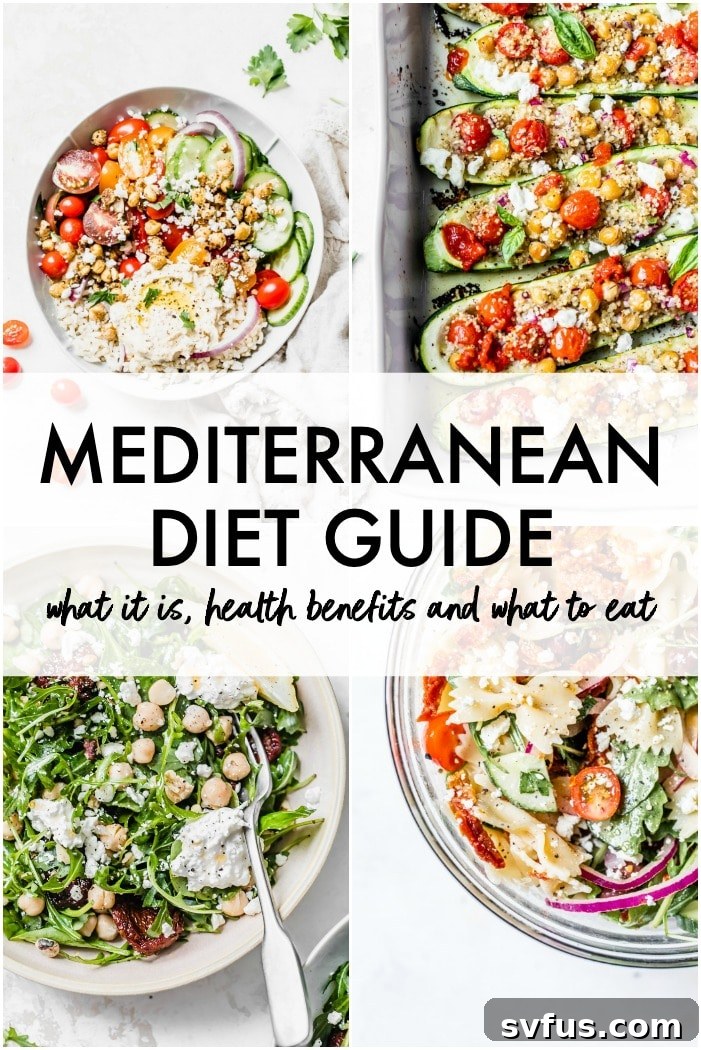
Discover the Mediterranean Diet, a scientifically-backed eating pattern that’s more than just a diet – it’s a vibrant lifestyle. This comprehensive guide will explore its fundamental principles, myriad health benefits, practical food swaps, and offer delicious inspiration to seamlessly integrate this nourishing way of eating into your daily routine. Prepare to feel your absolute best.
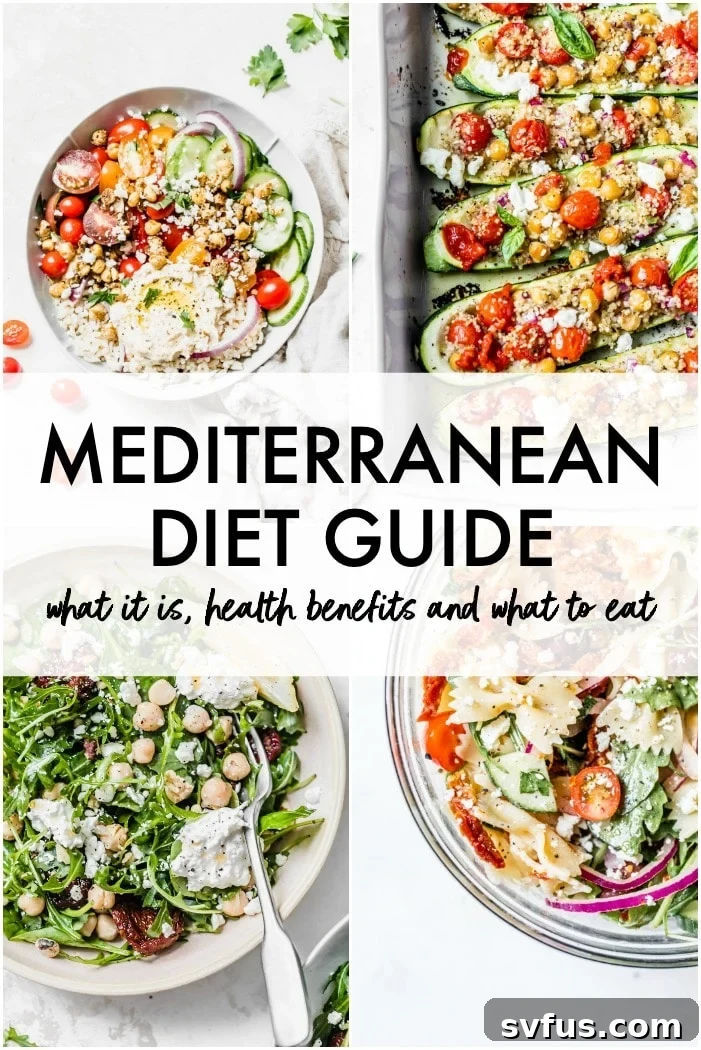
For years, health experts and nutritionists have lauded the Mediterranean Diet not merely as a passing trend, but as a sustainable and profoundly beneficial approach to eating and living. It’s an eating pattern consistently recognized for its ability to promote longevity, enhance overall well-being, and prevent chronic diseases. Having loosely followed its principles for months, I can personally attest to the positive shifts in energy, mood, and overall vitality it brings. It truly feels like an intuitive and enjoyable way to nourish your body without rigid restrictions.
It’s no surprise then that the Mediterranean Diet has consistently earned top accolades, being voted the “best overall diet” by US News Health in both 2018 and 2019, and continuing to rank highly in subsequent years. Unlike many restrictive, fad diets that promise quick fixes but often lead to frustration and eventual failure, the Mediterranean Diet is inherently flexible, sustainable, and designed for long-term adherence. It’s a journey of embracing wholesome foods and mindful eating, rather than a rigid set of temporary rules. This emphasis on a balanced, enjoyable lifestyle makes it an attainable and genuinely impactful choice for anyone seeking improved health.
What Exactly is the Mediterranean Diet?
At its heart, the Mediterranean Diet is an eating pattern inspired by the traditional culinary habits of countries bordering the Mediterranean Sea, such as Greece, Italy, and Spain, during the mid-20th century. Far from being a diet focused on deprivation, it’s rich in flavor, diversity, and nutrient density. The emphasis is overwhelmingly on plant-based foods, healthy fats, and lean proteins, with a strong cultural component of shared meals and an active lifestyle. It’s a celebration of fresh, seasonal, and minimally processed ingredients, emphasizing balance and enjoyment.
The Core Principles: A Mediterranean Food Pyramid
Visualizing the Mediterranean Diet often involves a pyramid, illustrating the frequency and proportion of different food groups. This isn’t a strict mandate but a helpful, adaptable guide to building balanced and nutritious meals:
- Everyday Foundation (Bottom Tier): This forms the bulk of your intake and includes an abundance of fresh fruits, a wide variety of colorful vegetables, whole grains (like oats, brown rice, whole-wheat pasta, quinoa, farro, and whole-grain bread), legumes (such as lentils, chickpeas, and various beans), nuts and seeds (almonds, walnuts, chia seeds, flax seeds), and extra virgin olive oil as the primary source of fat. These foods are powerhouses of essential fiber, vitamins, minerals, antioxidants, and phytochemicals.
- Moderate Consumption (Middle Tier): Foods consumed several times a week, but not necessarily daily, fall into this category. This includes fish and seafood (especially fatty fish rich in Omega-3s like salmon, mackerel, and sardines, aiming for at least two servings per week), lean poultry (chicken, turkey), eggs, and dairy products like Greek yogurt and cheese. Red wine, in moderation (typically one glass for women, two for men per day, consumed with meals), is also often associated with this tier, though always optional.
- Infrequent Enjoyment (Top Tier): At the apex of the pyramid are foods to be consumed sparingly, typically a few times a month. This includes red meat (lean cuts, limited portions) and foods high in added sugars, refined grains, and highly processed items like pastries, candies, and sugary drinks. The key here is not complete elimination, but mindful moderation and prioritization of more nutritious alternatives.
One of the most appealing aspects of the Mediterranean Diet is its inherent flexibility and focus on moderation. No food group is entirely off-limits, which fosters a healthy, sustainable relationship with food. Instead of labeling certain foods as “bad,” it encourages mindful eating and understanding that all foods can fit into a balanced lifestyle in moderation. This approach significantly reduces the feelings of deprivation often associated with restrictive diets, making it much easier to sustain long-term. Whether you’re dining at home, enjoying a restaurant meal, or celebrating at a family gathering, you have the freedom to make choices that align with the diet’s principles while still enjoying occasional treats without guilt or regret.
Profound Health Benefits of Embracing the Mediterranean Diet
The scientific community has extensively studied the Mediterranean Diet, consistently demonstrating its impressive array of health benefits. Adopting this eating pattern can significantly impact your physical and even mental well-being across various dimensions:
- Superior Heart Health: Perhaps the most well-documented benefit, the Mediterranean Diet is a champion for cardiovascular health. Rich in monounsaturated fats from olive oil, omega-3 fatty acids from fish, and ample fiber from fruits, vegetables, and whole grains, it actively works to lower LDL (“bad”) cholesterol, reduce blood pressure, and improve arterial function. This significantly decreases the risk of heart disease, heart attacks, and strokes, promoting a healthier circulatory system.
- Cognitive Enhancement and Neuroprotection: Emerging research suggests a strong link between the Mediterranean Diet and robust brain health. Its abundance of antioxidants, healthy fats, and B vitamins may help protect brain cells from oxidative damage, reduce inflammation in the brain, and support overall cognitive function. This dietary pattern is associated with a potentially reduced risk of neurodegenerative diseases such as Alzheimer’s and Parkinson’s.
- Effective Weight Management: While not primarily designed as a “diet for weight loss,” its emphasis on whole, unprocessed foods, high fiber content, and healthy fats naturally promotes satiety, helping individuals feel fuller for longer. This often leads to a natural reduction in overall calorie intake and supports sustainable weight loss or maintenance without the sensation of being deprived or constantly hungry.
- Improved Blood Sugar Control: The high fiber content in fruits, vegetables, and whole grains, combined with a lower intake of refined sugars and processed foods, helps regulate blood sugar levels. This makes the Mediterranean Diet particularly beneficial for individuals managing or at risk of type 2 diabetes, as it contributes to better insulin sensitivity and prevents sharp spikes and crashes in blood glucose.
- Powerful Anti-Inflammatory Effects: Chronic inflammation is increasingly recognized as a root cause of many modern diseases, from heart disease to autoimmune conditions and certain cancers. The Mediterranean Diet, with its rich array of anti-inflammatory compounds found in extra virgin olive oil, colorful produce, fatty fish, and herbs, actively combats inflammation throughout the body, offering systemic protection.
- Enhanced Gut Health: The diverse range of plant-based foods provides a wealth of prebiotics and dietary fiber, fostering a healthy and diverse gut microbiome. A thriving gut is intrinsically linked to improved digestion, enhanced immunity, better nutrient absorption, and even contributes positively to mood and mental well-being through the gut-brain axis.
- Stronger Bones: Adequate intake of calcium from dairy (yogurt, cheese), vitamin D (from fortified foods and sunlight exposure), and other bone-supporting minerals found in dark leafy greens, legumes, and fish contribute to stronger bone density and a reduced risk of osteoporosis as we age.
- Potential Mood Enhancement and Reduced Risk of Depression: Studies are increasingly linking the consistent adherence to the Mediterranean Diet to a reduced risk of depression and anxiety. The diet’s nutrient density, its positive impact on the gut-brain axis, and its anti-inflammatory properties are all believed to play a significant role in supporting overall mental health and emotional well-being.
Simple Mediterranean Food Swaps to Transform Your Diet
Transitioning to the Mediterranean Diet doesn’t require a complete overhaul overnight. Small, conscious swaps in your daily eating habits can make a significant difference, steering you towards a healthier pattern without feeling overwhelmed. Here are some easy yet impactful changes you can start making today:
- Butter –> Extra Virgin Olive Oil: This is perhaps the most fundamental and impactful swap. Instead of butter, which is high in saturated fat and cholesterol, opt for high-quality extra virgin olive oil for cooking, dressing salads, and dipping crusty whole-grain bread. Olive oil is a heart-healthy monounsaturated fat, packed with powerful antioxidants, and is an indispensable cornerstone of the Mediterranean diet.
- Red & Processed Meats –> Seafood & Lean Poultry: While lean poultry (chicken, turkey) is consumed moderately, the diet strongly emphasizes seafood, especially fatty fish rich in omega-3s like salmon, fresh tuna (not canned in oil), mackerel, sardines, and herring. Aim for at least two servings of fish per week. For other protein sources, prioritize plant-based options such as legumes, beans, and nuts, making red meat an occasional indulgence rather than a staple.
- Refined Grains –> Whole Grains: Make the switch from white bread, white pasta, and white rice to their more nutritious whole-grain counterparts. Choose whole-wheat bread, whole-grain pasta, brown rice, quinoa, farro, and oats. Whole grains are rich in dietary fiber, which aids digestion, helps regulate blood sugar levels, promotes satiety, and provides a sustained energy release, contributing significantly to better overall health.
- Sugary Drinks & Cocktails –> Water, Herbal Tea, or Red Wine (in moderation): Many commercially available cocktails, sodas, and fruit juices are loaded with hidden sugars and artificial additives. Prioritize plain water as your primary beverage, infused with slices of fruit, cucumber, or fresh herbs for natural flavor. Herbal teas are another excellent choice. If you enjoy alcoholic beverages, a single glass of red wine consumed with a meal, in strict moderation, is acceptable. However, if red wine triggers migraines or other adverse reactions for you, as it does for some individuals, it’s perfectly fine and healthier to skip it altogether.
- Processed Snacks –> Fresh Fruit, Nuts, or Seeds: Ditch the highly processed chips, cookies, sugary granola bars, and convenience foods. Instead, reach for a handful of raw almonds or walnuts, a crisp piece of fresh fruit like an apple or a bowl of berries, or a small portion of seeds like pumpkin or sunflower seeds. These natural snacks provide healthy fats, fiber, and essential micronutrients that keep you feeling satisfied and energized.
- Cream-Based Sauces –> Tomato-Based or Olive Oil-Based Sauces: Opt for lighter, fresher sauces made with ripe tomatoes, aromatic herbs, and extra virgin olive oil instead of heavy, calorie-dense cream-based sauces. These Mediterranean-inspired sauces are vibrant, packed with flavor, and significantly more nutritious, enhancing your meals without the added saturated fats.
Integrating the Mediterranean Diet into Your Everyday Life: Practical Tips
Adopting a new eating pattern can sometimes seem daunting, but the Mediterranean Diet is designed for practicality, enjoyment, and seamless integration into daily life. Here are some actionable steps and strategies to help you get started and sustain your journey towards a healthier you:
Stocking Your Mediterranean Pantry
A well-stocked pantry makes healthy eating effortless and ensures you always have the right ingredients on hand. Focus on these essential staples:
- Extra Virgin Olive Oil: The undisputed king of fats; invest in a good quality bottle for both cooking and finishing dishes.
- Whole Grains: Keep a variety such as brown rice, quinoa, whole-wheat pasta, oats (rolled or steel-cut), and whole-grain bread or tortillas.
- Legumes & Beans: Stock up on canned or dried chickpeas, lentils, cannellini beans, black beans – versatile and protein-rich.
- Nuts & Seeds: Almonds, walnuts, pistachios, chia seeds, flax seeds, sunflower seeds, pumpkin seeds for healthy fats and crunch.
- Fresh Produce: Aim for a rotating supply of seasonal fruits and a wide array of colorful vegetables. Shop regularly to keep them fresh.
- Herbs & Spices: Basil, oregano, thyme, rosemary, parsley, dill, garlic powder, onion powder, paprika – essential for adding deep flavor without excess salt.
- Fish: Canned tuna or sardines (in olive oil) for quick meals; fresh or frozen fillets of salmon, cod, sole, or shrimp for weekly consumption.
- Dairy (in moderation): Greek yogurt (plain), feta cheese, parmesan, and ricotta cheese.
- Vinegars: Red wine vinegar, balsamic vinegar for dressings and marinades.
Embrace Plant-Forward Meals
Shift your culinary mindset so that vegetables, fruits, whole grains, and legumes take center stage on your plate. Think of meat and fish as smaller, complementary components of the meal, rather than the main event. Explore delicious vegetarian and vegan Mediterranean recipes to broaden your repertoire and enjoy the vast flavors of plant-based cooking.
Prioritize Cooking at Home
Cooking your own meals gives you complete control over ingredients, portion sizes, and preparation methods. Experiment with new recipes, learn to prepare simple dishes with fresh ingredients, and truly enjoy the therapeutic process of preparing nourishing food for yourself and your family. This habit is foundational to sustainable healthy eating.
Mindful Eating and Social Connection
The Mediterranean lifestyle is about more than just what you eat; it’s profoundly about *how* you eat. Savor your meals, eat slowly, and pay close attention to your body’s hunger and fullness cues. Practice gratitude for your food. Whenever possible, share meals with family and friends – social connection around the dining table is a vital part of Mediterranean cultures and significantly contributes to mental health and overall well-being.
Beyond the Plate: The True Mediterranean Lifestyle
To truly embrace the Mediterranean Diet is to adopt the holistic lifestyle of the region. This means integrating several other key elements into your daily routine that complement the dietary principles:
- Regular Physical Activity: From brisk walking to gardening, dancing, cycling, or engaging in light exercises, staying active is a fundamental component. It doesn’t have to be strenuous or involve a gym; consistency and enjoyment are key. Integrate movement into your daily life.
- Adequate Rest and Sleep: Prioritize sufficient, quality sleep. Aim for 7-9 hours per night to support overall physical and mental health, aid recovery, and enhance cognitive function.
- Stress Management: Find healthy and effective ways to manage the stresses of modern life. This could include meditation, yoga, spending time in nature, engaging in creative hobbies, or simply dedicating time for relaxation.
- Social Connection: Cultivate strong social bonds. Share meals, engage in conversation, and spend quality time with loved ones, friends, and community members. Strong social networks are a hallmark of Mediterranean cultures and contribute significantly to mental health, happiness, and longevity.
Delicious Mediterranean Diet Recipes to Get You Started
Now that you’re equipped with the knowledge of what constitutes this incredible eating pattern, it’s time to bring it to life in your kitchen! The Mediterranean Diet is celebrated for its incredible flavors, vibrant ingredients, and deeply satisfying dishes. To ignite your culinary journey, explore a wide array of options available online, such as these 51 Easy Mediterranean Diet Recipes, which offer fantastic inspiration for every meal, from breakfasts to dinners and snacks.
For those looking for a more structured approach, including a comprehensive grocery list and a ready-made meal plan designed to simplify your transition, you can download a FREE Mediterranean Diet Guide. This resource will help you effortlessly kickstart your journey toward a healthier, more vibrant, and more fulfilling you.
Conclusion: Embrace a Lifestyle of Wellness
The Mediterranean Diet is far more than a temporary eating plan; it is a sustainable, enjoyable, and scientifically-proven pathway to a healthier, happier, and longer life. By focusing on whole, unprocessed foods, prioritizing plant-based options, embracing healthy fats, and incorporating an active and mindful approach to living, you can unlock a multitude of profound health benefits. These range from improved heart and brain health to better weight management, enhanced gut function, and a boosted mood. It’s a gentle yet powerful invitation to savor delicious food, connect with loved ones, and nurture your body and mind in a truly holistic way. Start today, and experience the transformative power of the Mediterranean lifestyle.