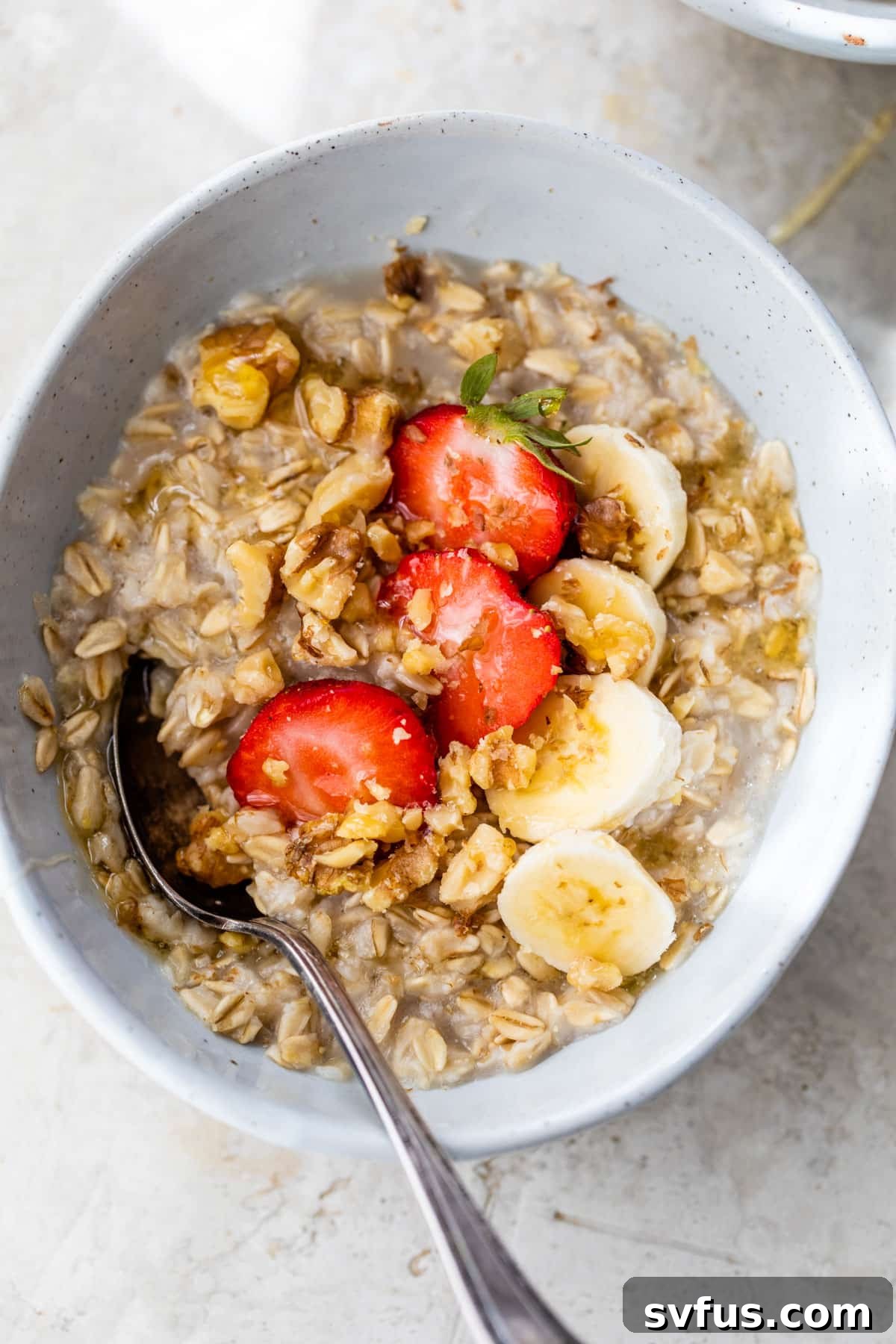
Busy mornings demand swift and satisfying breakfasts, and nothing quite delivers like a hearty bowl of Microwave Oatmeal. This comprehensive guide provides everything you need to master the art of making perfectly cooked oatmeal in minutes – from simple instructions and clever troubleshooting tips to a plethora of exciting flavoring and topping ideas. Get ready to transform your breakfast routine with a warm, comforting, and incredibly healthy meal that’s ready when you are.
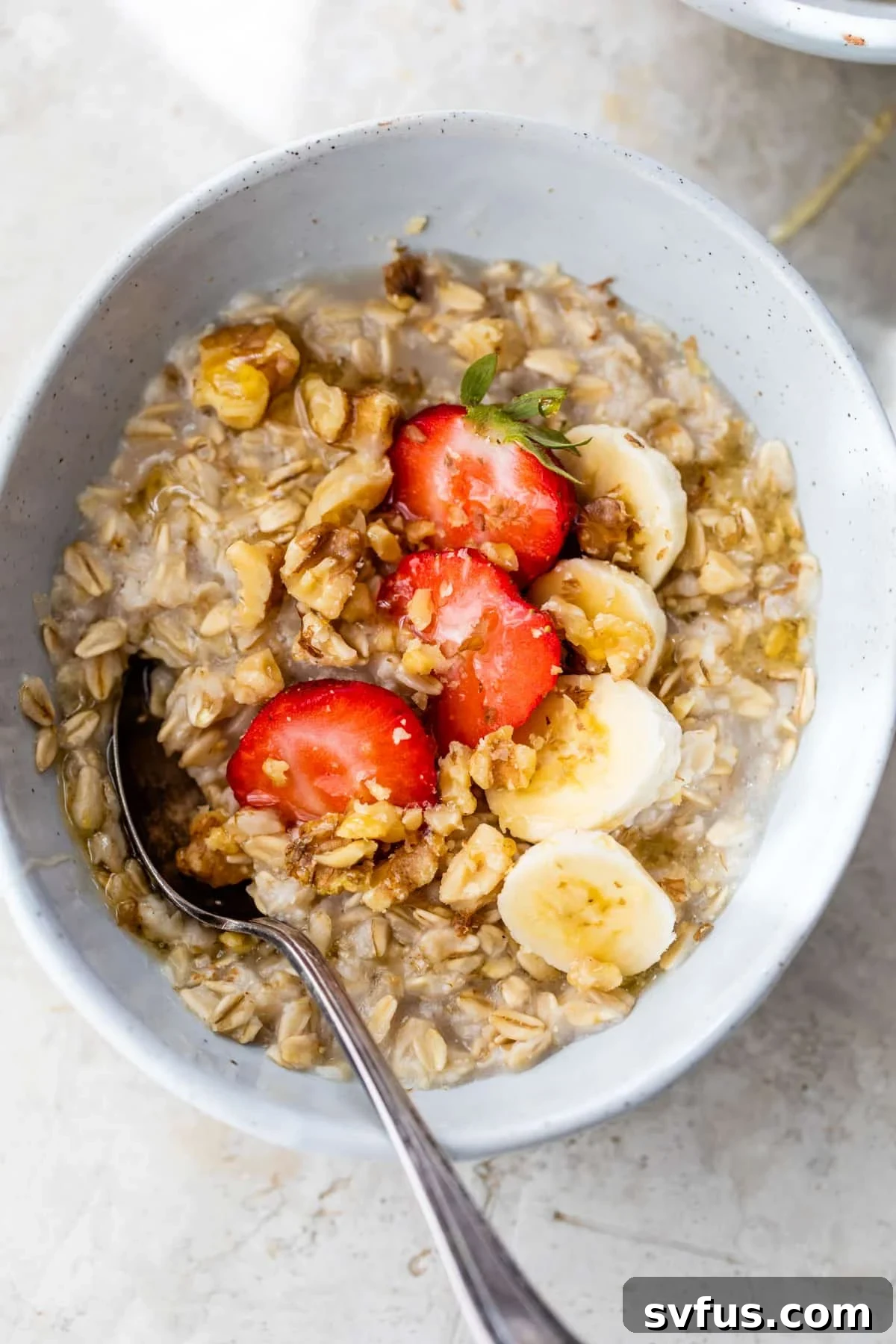
Effortless & Healthy: Your Ultimate Guide to Microwave Oatmeal
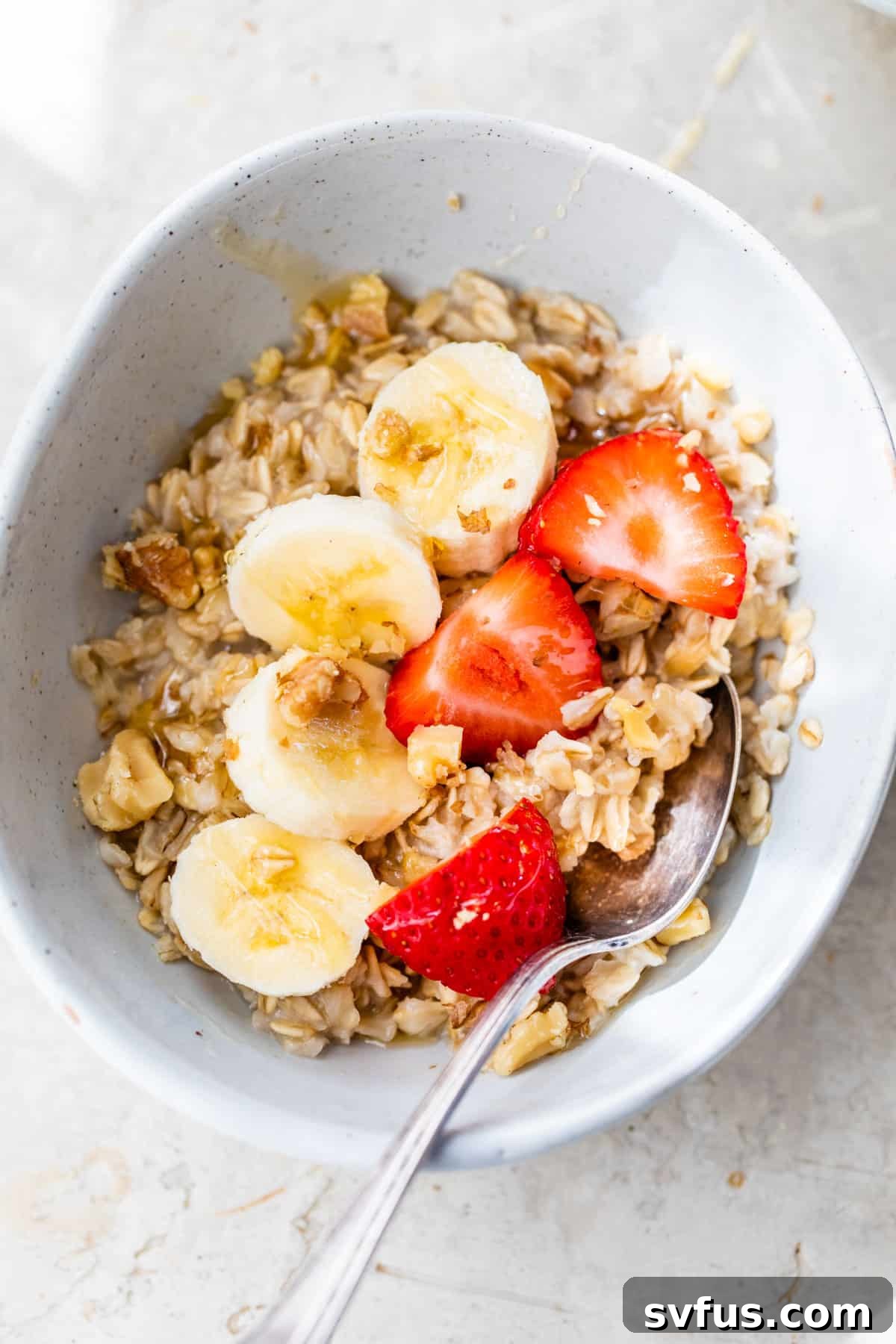
When the clock is ticking and your stomach is rumbling, a quick breakfast can be a lifesaver. While options like no-bake breakfast cookies or protein overnight oats are fantastic, the sheer convenience of whipping up a fresh bowl of oatmeal in the microwave is unparalleled. Imagine a breakfast that’s warm, soft, and comforting, yet ready in mere minutes – that’s the magic of microwave oatmeal.
Beyond its incredible speed, microwave oatmeal offers boundless customization. Whether you prefer a touch of sweetness, a burst of fruit, or a nutty crunch, the possibilities are endless. This guide will help you create a personalized bowl that perfectly suits your taste, making every morning meal a delightful experience.
Why Microwave Oatmeal is a Breakfast Game-Changer
In today’s fast-paced world, convenience is key, especially during the morning rush. Microwave oatmeal stands out as a superior breakfast choice for several compelling reasons, blending speed, health, and versatility into one perfect package.
- Unmatched Speed and Simplicity: Forget the stovetop mess and constant stirring. With just a few basic ingredients and a microwave, you can have a steaming bowl of oatmeal ready in less than five minutes. It’s ideal for students, busy professionals, or anyone looking for a no-fuss meal to kickstart their day.
- Healthy, Wholesome Start: Unlike many pre-packaged breakfast options laden with artificial ingredients and excessive sugars, making your oatmeal from scratch gives you complete control over what goes into your body. Plain rolled oats are naturally rich in fiber, vitamins, and minerals, providing sustained energy without the sugar crash.
- Endless Customization: From a simple sprinkle of cinnamon to a lavish blend of fruits, nuts, and sweeteners, oatmeal serves as a blank canvas for your culinary creativity. This guide delves deep into a myriad of topping and flavoring ideas, ensuring you never get bored with your morning bowl.
- Budget-Friendly: Oats are an incredibly economical staple, making microwave oatmeal a smart choice for maintaining a healthy diet without breaking the bank.
Unleashing the Health Benefits of Oats
Oats are often hailed as a superfood, and for good reason. Incorporating oatmeal into your daily routine can significantly contribute to your overall well-being. Here’s a closer look at the remarkable health benefits you gain with every spoonful:
- Fiber Powerhouse: Oats are an excellent source of both soluble and insoluble fiber. Soluble fiber, particularly beta-glucan, helps lower cholesterol levels and stabilizes blood sugar. Insoluble fiber aids in digestion, promoting regularity and preventing constipation.
- Sustained Energy Release: Thanks to their complex carbohydrate content, oats provide a slow and steady release of energy, keeping you feeling full and energized throughout the morning. This helps prevent mid-morning slumps and reduces the urge for unhealthy snacking.
- Heart Health Champion: Regular consumption of oats has been linked to improved cardiovascular health. The beta-glucan fiber helps reduce LDL (“bad”) cholesterol, while antioxidants in oats contribute to protecting blood vessels from damage.
- Blood Sugar Regulation: The soluble fiber in oats slows down the absorption of sugar into the bloodstream, making it a beneficial food for managing blood sugar levels, especially for individuals with diabetes or those looking to prevent insulin spikes.
- Nutrient-Rich Profile: Beyond fiber, oats are packed with essential vitamins and minerals, including manganese, phosphorus, magnesium, copper, iron, zinc, folate, and B vitamins. They also contain a good amount of plant-based protein, making them a nutritious choice for vegetarians and vegans.
- Rich in Antioxidants: Oats contain powerful antioxidants called avenanthramides, which have anti-inflammatory properties and may help protect against heart disease and other chronic conditions.
Choosing plain rolled oats over instant packets means avoiding added sugars, artificial flavors, colors, and preservatives, giving you all the goodness without any undesirable extras. It’s a truly clean and nutritious start to your day.
Simple Ingredients for a Perfect Bowl
Making delicious microwave oatmeal requires only two core ingredients, making it an incredibly accessible and easy recipe for anyone. Understanding these components is key to achieving your desired texture and flavor.
Essential Components:
- Rolled Oats (Old-Fashioned Oats): These are the star of our show. Rolled oats are whole oat groats that have been steamed and flattened, allowing them to cook relatively quickly while maintaining a satisfying chewy texture. They are ideal for microwave cooking because they absorb liquid efficiently without turning into a mushy paste, as instant oats sometimes can. For those with gluten sensitivities, certified gluten-free rolled oats are readily available and work perfectly in this recipe. Oats are naturally vegan, making this a fantastic plant-based breakfast option.
- Liquid Base (Water or Milk): The liquid is crucial for cooking the oats into a soft, fluffy consistency.
- Water: Using water provides a neutral base, allowing the natural flavor of the oats and any added toppings to shine through. It’s the simplest and most common choice.
- Milk: For a creamier, richer bowl of oatmeal, you can easily substitute water with any type of milk. Dairy milk, almond milk, cashew milk, coconut milk, oat milk, or soy milk all work wonderfully. Each will impart a slightly different flavor profile, so feel free to experiment to find your favorite.
The beauty of this recipe lies in its simplicity. With just these two ingredients, you have the foundation for a wholesome and satisfying meal, ready to be transformed with your preferred additions.
Crafting Your Microwave Oatmeal: Step-by-Step Guide
Making oatmeal in the microwave is incredibly straightforward, but a few simple steps ensure perfect results every time. Follow this easy guide to prepare your delicious breakfast in minutes.
- Prepare Your Bowl: Start by selecting a deep, microwave-safe bowl. This is a crucial step to prevent the oats from boiling over, especially as they expand during cooking. A bowl with at least double the volume of your oats and liquid mixture is recommended.
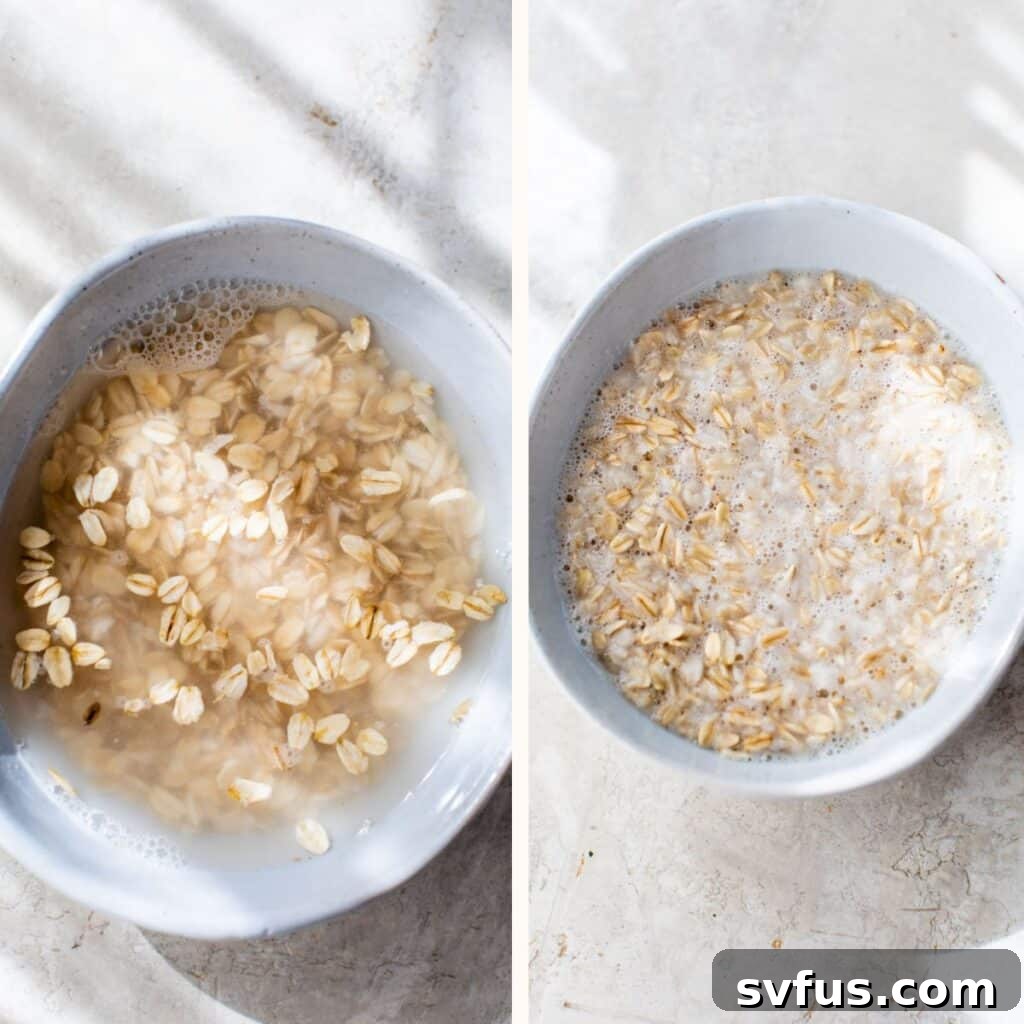
- Combine Ingredients: Add ½ cup of rolled oats to your chosen bowl. Then, pour in ⅔ cup of water (or your preferred milk). Stir the mixture well to ensure all the oats are fully moistened and evenly distributed in the liquid. This helps in uniform cooking and prevents dry patches.
- Microwave with Care: Place the bowl in the microwave and heat on high for 1 minute and 45 seconds to 3 minutes. The exact cooking time will depend on your microwave’s wattage and your desired consistency. Keep a close eye on it, especially during the last minute, to prevent boil-overs. You want the oats to be soft and the liquid mostly absorbed.
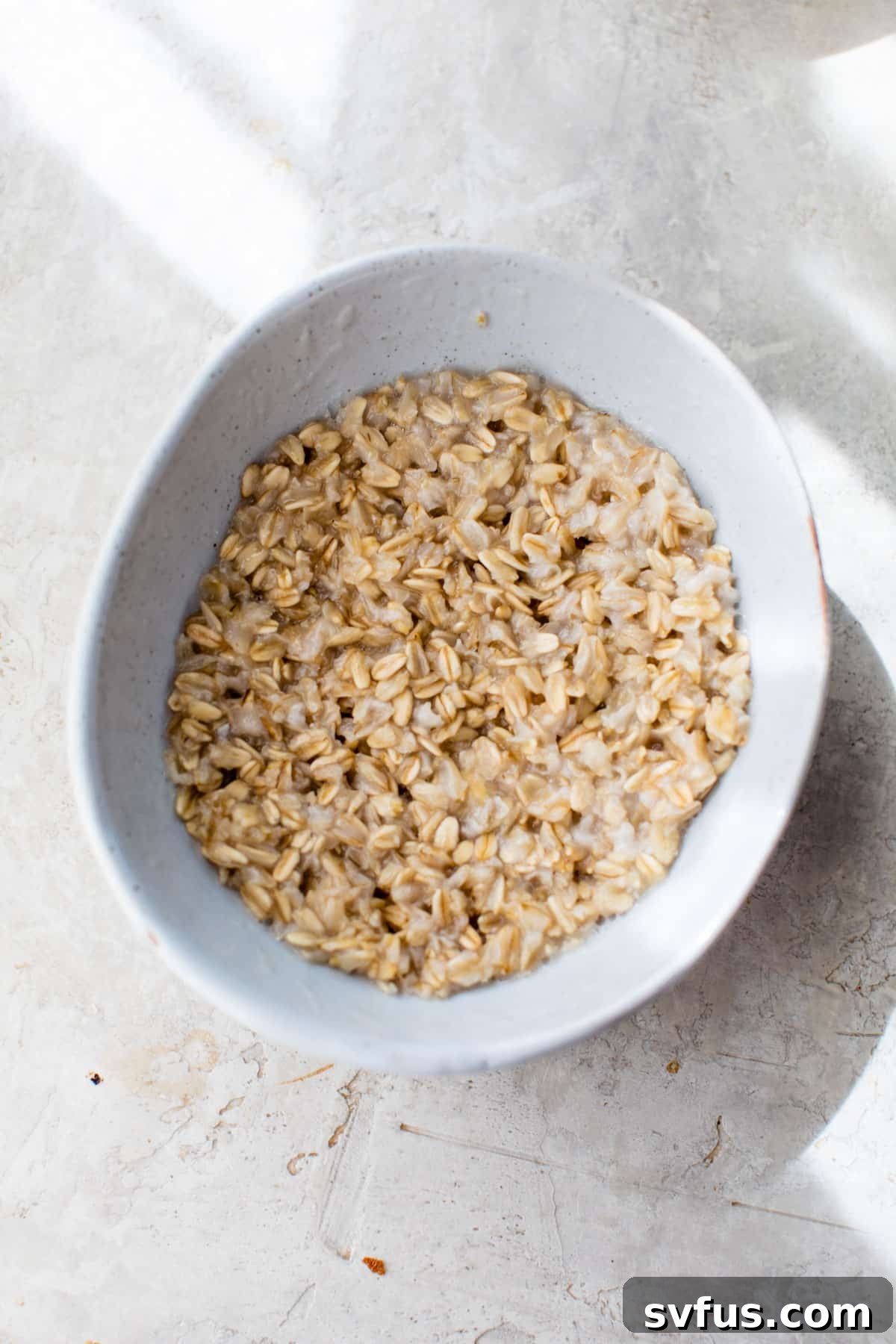
- Rest, Stir & Serve: Once cooked, carefully remove the hot bowl from the microwave. Allow the oatmeal to sit undisturbed for at least 2-3 minutes. This resting period is vital as it allows the oats to fully absorb any remaining liquid, thicken, and become wonderfully creamy. After resting, give it a good stir, add your favorite toppings, flavors, and sweeteners, and enjoy your delicious, homemade microwave oatmeal!
Expert Tips for Perfect Microwave Oatmeal Every Time
Achieving perfectly cooked microwave oatmeal is simple, but a few expert tips can elevate your bowl from good to truly great. These insights will help you avoid common pitfalls and customize your oatmeal to your exact preferences.
- The Right Bowl Size is Essential: Always use a deep, microwave-safe bowl that is at least twice the volume of your oats and liquid combined. A ½ cup serving of dried rolled oats expands to approximately 1 cup of cooked oatmeal, and it bubbles vigorously during cooking. Ample space prevents messy boil-overs.
- Preventing Boil-Overs: If your oatmeal frequently boils over, it’s usually due to too much liquid or overheating. To troubleshoot this, ensure you’re using the recommended liquid ratio (⅔ cup water for every ½ cup of uncooked oats) and that your bowl is large enough. If it still boils over, try microwaving in 30-second increments, stirring briefly between each, and adding a splash more liquid only if the oats appear too dry. Lowering the power setting slightly can also help.
- Achieving Your Ideal Consistency: The perfect oatmeal consistency is a matter of personal preference. The recommended ⅔ cup water to ½ cup oats ratio yields a balanced, creamy texture. For thicker oats, reduce the liquid slightly (e.g., a 1:1 ratio of ½ cup oats to ½ cup liquid). If you prefer a soupier consistency, add a bit more liquid after cooking and stirring. Don’t be afraid to experiment with the ratio to find what you love.
- Understanding Microwave Wattage: Microwave cooking times can vary significantly based on your appliance’s wattage. Higher wattage microwaves cook faster. The cooking times provided in this guide are general recommendations; you may need to adjust slightly based on your specific microwave. It’s always best to start with the lower end of the time range and add more seconds as needed, rather than overcooking.
- Embrace the Resting Period: Don’t skip the 2-3 minute resting period after microwaving. This allows the hot oats to continue absorbing liquid and steam, resulting in a creamier, more thoroughly cooked texture. It’s a small step that makes a big difference.
Frequently Asked Questions (FAQs)
Have questions about making microwave oatmeal? Here are answers to some of the most common queries to ensure your breakfast is perfect every time.
What’s the ideal cooking time for different oat types?
The cooking time for oatmeal in the microwave depends significantly on the type of oats you’re using and your microwave’s wattage. Here’s a general guide:
- Rolled Oats (Old-Fashioned Oats): These are recommended for this recipe. Cook on high for approximately 1 minute and 45 seconds to 3 minutes. Always allow for a 2-3 minute rest period afterward.
- Quick-Cooking Oats: These are cut into smaller pieces than rolled oats, so they cook faster. They typically take between 1½ to 2 minutes. Check the packaging for specific instructions.
- Instant Oatmeal Packets: Designed for maximum speed, these are usually pre-cooked and dried. Follow the instructions on the packaging, but they generally cook in about 1½ to 2 minutes. Be mindful of their higher sugar content and artificial ingredients.
- Steel-Cut Oats: These are whole oat groats cut into two or three pieces, making them the least processed. They require the longest cooking time, typically 5 to 10 minutes in the microwave, and will have a chewier, heartier texture. Note that some microwave methods for steel-cut oats might require overnight soaking or a stovetop finish for best results.
Can I use milk instead of water in microwave oatmeal?
Absolutely! Substituting water with milk is a fantastic way to achieve a creamier, richer, and more flavorful bowl of oatmeal. You can use any type of milk you prefer, including regular dairy milk or various dairy-free alternatives such as almond milk, cashew milk, coconut milk, oat milk, or soy milk. Just remember that milk can sometimes cause boil-overs more easily than water, so keep a closer eye on your oatmeal during cooking.
When should I add protein powder to my oatmeal?
Adding protein powder is a great strategy to make your oatmeal extra filling and boost its nutritional value. For best results and to prevent the powder from clumping or becoming grainy, add a scoop of your favorite unflavored, chocolate, or vanilla protein powder to the oats and liquid mixture immediately after you remove it from the microwave and before the resting period. Stir it in thoroughly while the oatmeal is still very hot, then let it rest as usual. This helps the powder dissolve smoothly.
Are oats naturally gluten-free?
Yes, oats are naturally gluten-free. However, they are often processed in facilities that also handle gluten-containing grains like wheat, barley, and rye. This can lead to cross-contamination. If you have celiac disease or a severe gluten sensitivity, it is essential to choose oats that are specifically labeled as “certified gluten-free.” These oats have been processed and packaged to ensure they meet strict gluten-free standards.
How can I make savory oatmeal?
While often enjoyed sweet, oatmeal can be a delicious canvas for savory flavors! Instead of sweet toppings, season your cooked oatmeal with garlic powder, onion powder, a pinch of salt, and freshly ground black pepper. Top it with roasted vegetables like sweet potato, carrots, or Brussels sprouts. You can also add a fried or poached egg, a sprinkle of shredded cheese, fresh herbs like chives or parsley, or even a drizzle of sriracha for a spicy kick. Savory oatmeal makes for a surprisingly satisfying and nutrient-dense meal any time of day.
Endless Customization: Elevate Your Oatmeal Bowl
The true joy of microwave oatmeal lies in its versatility. Once your basic bowl is cooked, it becomes a blank canvas for an incredible array of flavors and textures. Here’s how you can transform simple oats into a gourmet breakfast experience:
Sweeteners:
- Natural Sweeteners: For a healthier touch, stir in maple syrup, honey, agave nectar, or date syrup. These add natural sweetness with varying flavor complexities.
- Added Sugars: Classic choices like granulated sugar or brown sugar (which also adds a lovely caramel note) are always popular.
- Fruit Spreads: Swirl in a spoonful of your favorite jams, jellies, or fruit preserves for natural sweetness and a burst of fruity flavor.
Flavor Boosters:
- Extracts: A few drops of vanilla extract, almond extract, or even peppermint extract can dramatically change the flavor profile.
- Spices: Warm spices are oatmeal’s best friend. Cinnamon, nutmeg, ginger, and pumpkin pie spice are excellent choices for adding depth and aroma.
- Fruit Purees & Zests: Stir in a tablespoon of pumpkin puree or applesauce for added moisture and flavor, or grate in some citrus zest (lemon, orange) for a bright, refreshing touch.
Texture & Crunch:
- Nuts: Almonds, walnuts, pecans, cashews, pistachios, or macadamia nuts – chopped or slivered – provide healthy fats and a satisfying crunch.
- Seeds: Chia seeds, flaxseed, hemp seeds, or pepitas (pumpkin seeds) are packed with nutrients and add a delightful textural contrast.
- Coconut: Shredded or flaked coconut (toasted for extra flavor) brings a tropical twist.
- Chocolate: Mini chocolate chips, shaved chocolate, or even a drizzle of chocolate sauce can turn your oatmeal into a decadent treat.
Creamy Additions:
- Nut Butters: A spoonful of almond butter, peanut butter, cashew butter, or sunflower butter not only adds creaminess and richness but also a boost of protein and healthy fats. For an indulgent treat, try a dollop of homemade Nutella.
- Yogurt: Swirling in a dollop of Greek yogurt or a plant-based yogurt can add tanginess and extra protein.
Fresh & Fruity:
- Berries: Fresh blueberries, raspberries, strawberries, or blackberries are always a fantastic choice, adding natural sweetness and antioxidants.
- Chopped Fruits: Diced apples, bananas, mango, peaches, pears, or pineapple elevate your oatmeal with natural sugars and vitamins. If using frozen fruit, stir it into the hot oatmeal immediately after removing it from the microwave and let it stand for a few minutes; the heat will gently thaw the fruit.
Inspiring Oatmeal Flavor Combinations
Sometimes, too many choices can be overwhelming. If you’re looking for inspiration, here are some tried-and-true flavor combinations to get you started, perfect for elevating your microwave oatmeal experience:
- Classic Cinnamon Apple: Cook your oats with water, then stir in finely diced apple, a generous sprinkle of cinnamon, and a drizzle of maple syrup. Top with a few toasted walnuts for added crunch.
- Berry Blast: Incorporate a mix of fresh or frozen berries (strawberries, blueberries, raspberries) into your cooked oatmeal. Sweeten with a touch of honey and top with a spoonful of Greek yogurt for a creamy, tangy finish.
- Peanut Butter Banana: A timeless combination! Stir creamy peanut butter into your warm oats, then top with sliced bananas and a sprinkle of chia seeds. A hint of brown sugar can amplify the flavors.
- Tropical Paradise: Cook oats with coconut milk for extra creaminess. Stir in diced mango and pineapple, then top with toasted shredded coconut and a squeeze of lime juice for a vibrant, exotic flavor.
- Decadent Chocolate Delight: Prepare oats with milk, then immediately stir in a handful of mini chocolate chips until melted and smooth. Sweeten with a touch of agave and add a few fresh raspberries on top for a delightful contrast.
- Pumpkin Spice Latte Oatmeal: A seasonal favorite that can be enjoyed year-round. Cook oats with milk, then stir in a generous scoop of pumpkin puree, a teaspoon of pumpkin pie spice, and sweeten with maple syrup. Top with a dollop of whipped cream (or coconut cream) and an extra dash of cinnamon.
- Nutty Pecan Pie: Make your oats extra creamy by cooking them with milk. Once cooked, stir in brown sugar, a touch of maple syrup, and a dash of cinnamon. Finish with a generous topping of toasted pecans, mimicking the rich flavors of a classic pecan pie.
- PB & J Revival: For a nostalgic twist, mix creamy peanut butter and a spoonful of your favorite jelly or jam into your oatmeal. It’s a sweet and savory delight that’s surprisingly satisfying.
Storage and Reheating Made Easy
While microwave oatmeal is best enjoyed fresh, sometimes you might have leftovers, or you might want to meal prep a batch for even quicker breakfasts throughout the week. Here’s how to store and reheat your oatmeal efficiently:
- Refrigerator Storage: If you happen to have any extras, transfer the leftover oatmeal into an airtight container. It can be safely stored in the refrigerator for 5 to 6 days. This makes it an excellent option for meal prepping a few portions at the start of the week.
- Freezing: For longer storage, you can freeze cooked oatmeal. Portion it into individual freezer-safe containers or freezer bags. It will keep well for up to 3 months. When ready to eat, thaw overnight in the refrigerator before reheating.
- Reheating Leftover Oatmeal:
- Microwave: To reheat, simply place the leftover oatmeal in a microwave-safe bowl. Add a splash or two of water or milk, as oatmeal tends to thicken and dry out in the fridge. Heat in 20-second increments, stirring well after each interval, until the oatmeal is warm and reaches your desired consistency. The added liquid helps loosen it up and restore its creaminess.
- Stovetop: You can also reheat oatmeal on the stovetop over low heat, adding splashes of water or milk as needed, and stirring constantly until warmed through and creamy.
Recipe Card: Microwave Oatmeal
Microwave Oatmeal
By Erin Alvarez
This quick and easy guide will show you how to make a delicious and healthy bowl of oatmeal in minutes, perfect for any busy morning. It’s fully customizable with your favorite toppings and flavors.

Servings: 1 | Cook Time: 5 minutes | Total Time: 5 minutes
Ingredients:
- 1/2 cup rolled oats (old-fashioned oats)
- 2/3 cup water (or milk of choice for creamier results)
- Optional toppings and sweeteners (see sections above for a wide array of ideas)
Instructions:
- Add the rolled oats to a deep, microwave-safe bowl. Pour in the water (or milk) and stir thoroughly to ensure all oats are moistened. This helps in even cooking.
- Place the bowl in the microwave and heat on high for 1 minute and 45 seconds to 3 minutes. The exact time may vary based on your microwave’s wattage and your desired oatmeal consistency. Watch carefully to prevent boiling over.
- Carefully remove the hot bowl from the microwave. Allow the oatmeal to sit undisturbed for 2-3 minutes. This crucial resting period allows the oats to fully absorb the liquid and thicken to a perfect consistency.
- Give the oatmeal a final stir. Now is the time to add your favorite toppings, sweeteners, and flavorings as desired. Serve immediately and savor your perfectly cooked, homemade microwave oatmeal!
Notes:
*Calories provided are an estimation per serving and do not include any optional toppings you may add.
*Every microwave has different wattage; you may need to experiment with the exact cook time to find what works best for your appliance and desired oatmeal texture.
Nutrition (approximate per serving, without toppings):
- Calories: 153 kcal
- Carbohydrates: 27g
- Protein: 5g
- Fat: 3g
- Saturated Fat: 0.5g
- Polyunsaturated Fat: 1g
- Monounsaturated Fat: 1g
- Sodium: 10mg
- Potassium: 147mg
- Fiber: 4g
- Sugar: 0.4g
- Calcium: 26mg
- Iron: 2mg
More Delicious Oat-Inspired Recipes
If you’ve discovered a newfound love for oats or are simply looking for more ways to incorporate this versatile grain into your diet, explore these other fantastic recipes:
- Coffee Overnight Oats
- Strawberry Banana Overnight Oats
- Baked Banana Oatmeal
- No-Bake Superfood Breakfast Cookies
- Peanut Butter Protein Overnight Oats
Love this recipe? Don’t forget to leave a comment and a star rating below! Your feedback helps us share more amazing meals with our community.