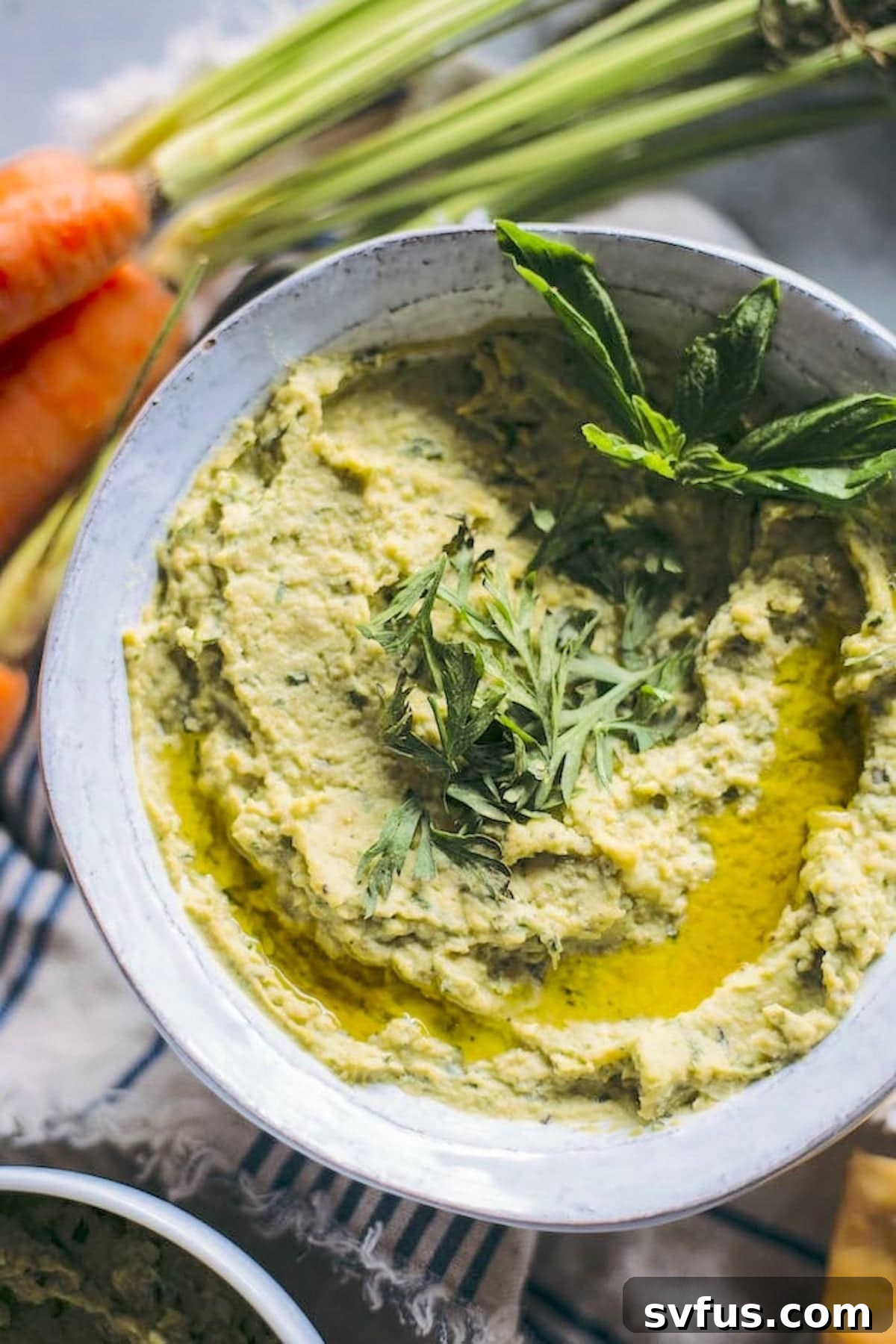
Flavorful & Sustainable: The Ultimate Carrot Top Pesto Hummus Recipe
Transform your kitchen scraps into a culinary masterpiece with this incredible Carrot Top Pesto Hummus. This recipe beautifully marries the vibrant, herbaceous notes of homemade pesto with the creamy, satisfying texture of classic hummus, all while embracing a delightful no-waste approach by utilizing those often-discarded carrot greens. Prepare to elevate your snack game and impress your guests with this unique, healthy, and utterly delicious dip!
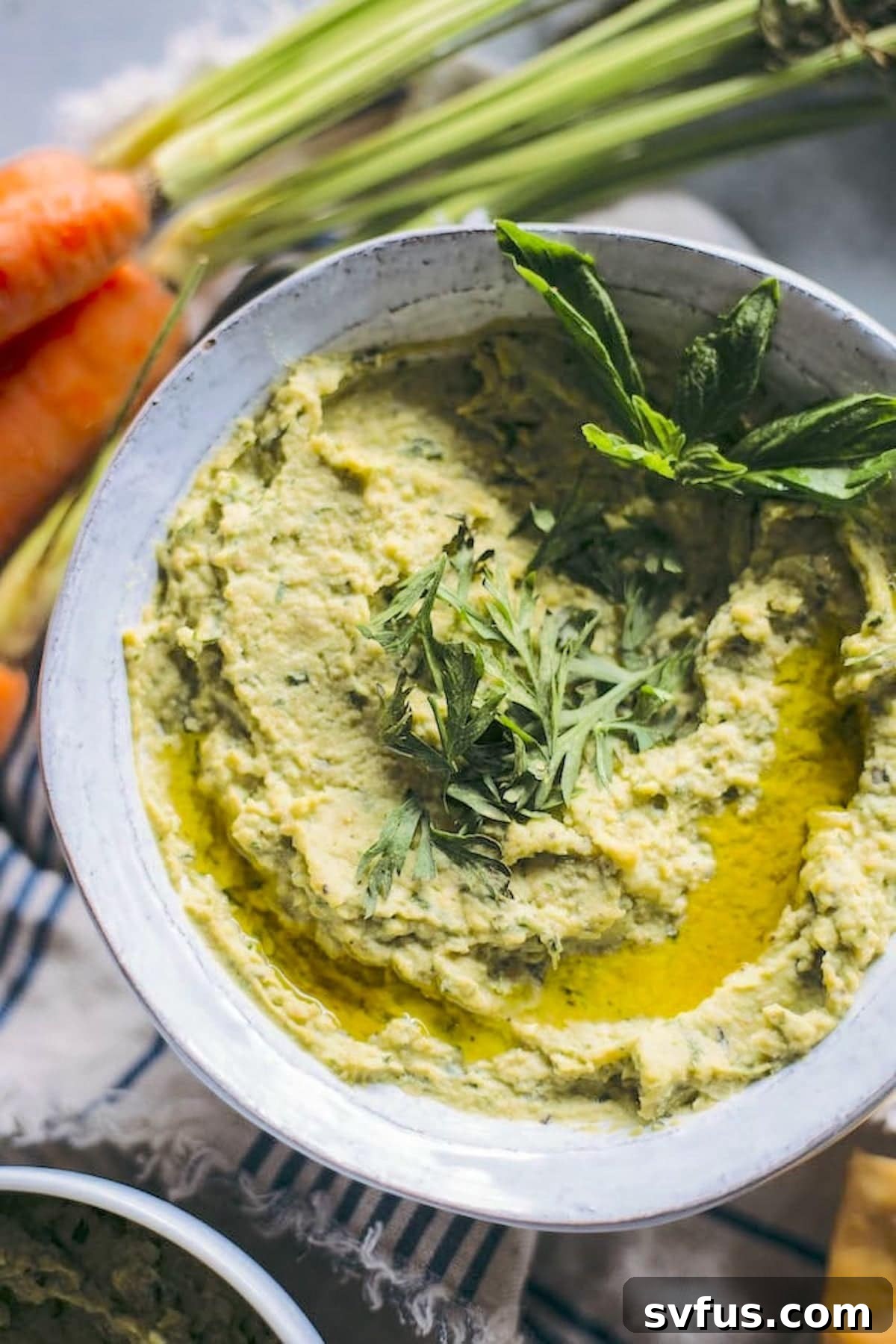
Why You’ll Fall in Love with This Carrot Top Pesto Hummus
Say goodbye to food waste and hello to one of the most exciting dips you’ll ever create. This Carrot Top Pesto Hummus isn’t just a recipe; it’s a celebration of flavor, sustainability, and simplicity. Imagine the zesty brightness of pesto blended seamlessly with the smooth richness of hummus – it’s truly the best of both worlds, offering a unique twist on two beloved classics.
- A Sustainable, No-Waste Delight: This recipe is a shining example of resourceful cooking, transforming neglected carrot tops into the star ingredient of a fresh, flavorful pesto. It’s an easy and impactful way to reduce food waste in your kitchen.
- The Perfect Flavor Fusion: Experience the herbaceous depth of pesto combined with the comforting creaminess of traditional hummus. The result is a dip that is both familiar and exciting, tantalizing your taste buds with every scoop.
- Dietary Friendly & Wholesome: Naturally vegan and gluten-free, this pesto hummus caters to a wide range of dietary needs without compromising on taste or texture. It’s packed with wholesome ingredients, making it a healthy choice for any occasion.
- Incredibly Versatile: Whether you’re hosting a party, packing a lunch, or simply craving a healthy snack, this dip is your go-to. Its robust flavor profile makes it suitable for countless applications beyond just dipping.
For those who love both the garlicky, herby goodness of pesto and the smooth, satisfying consistency of hummus, this recipe offers the ultimate solution. It’s an ideal choice for the indecisive food lover, merging two culinary favorites into one harmonious creation.
The Unexpected Hero: Carrot Greens
While often discarded, carrot tops are a hidden gem in the culinary world, offering a distinctive peppery, earthy, and slightly bitter flavor profile that is surprisingly similar to parsley. Not only do they add a unique taste dimension to this pesto, but they also contribute to a sustainable kitchen, ensuring no part of your produce goes to waste. These leafy greens are packed with nutrients, including vitamins A and C, and essential minerals, adding a wholesome boost to your dip. Their vibrant green hue also makes for a visually appealing pesto, proving that beauty and utility can go hand in hand.
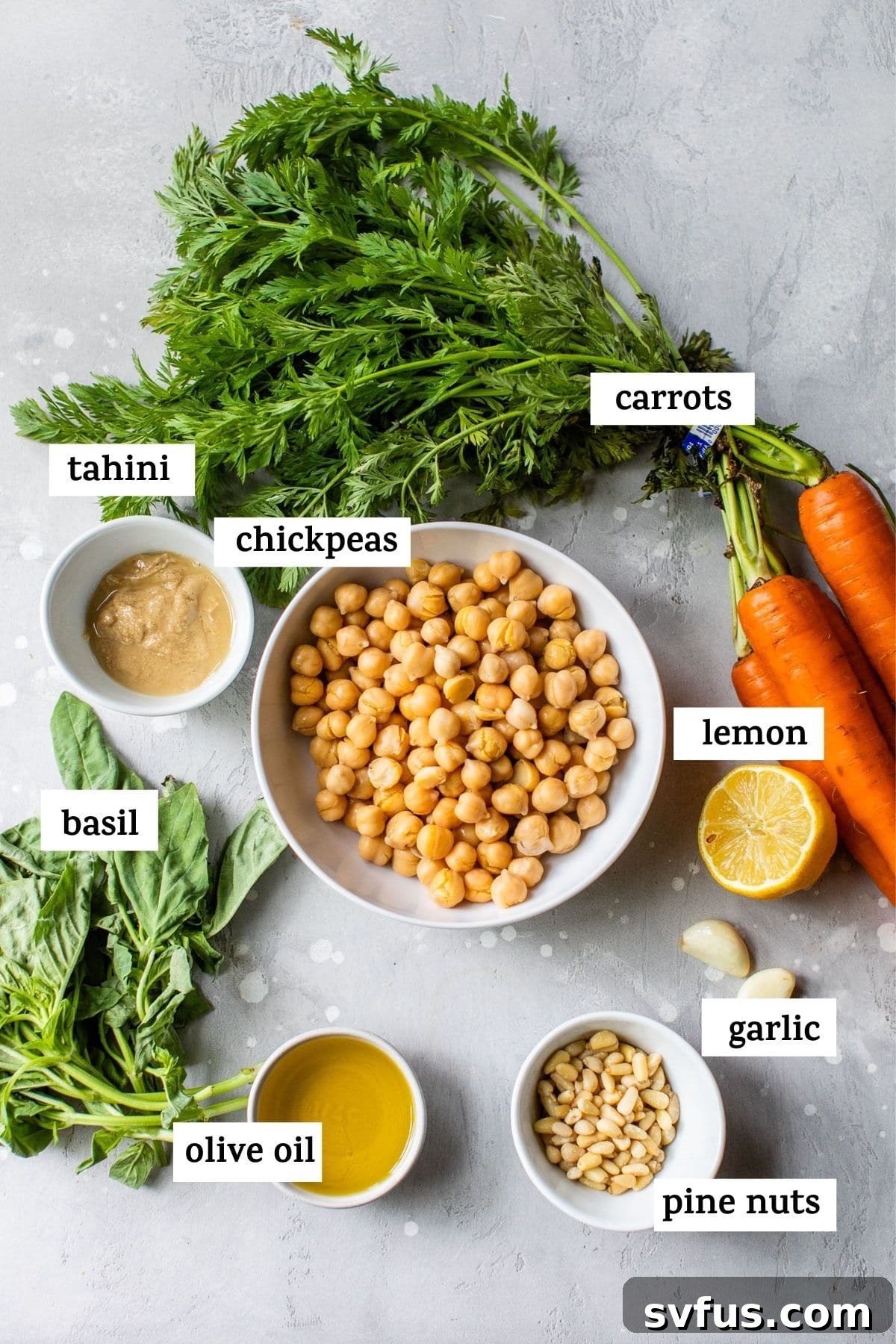
Key Ingredients for Your Pesto Hummus Masterpiece
Crafting this exceptional Carrot Top Pesto Hummus requires a selection of fresh, high-quality ingredients, each playing a crucial role in developing its complex and satisfying flavor. Here’s a closer look at what you’ll need and why each component is essential:
For the Carrot Top Pesto:
- Carrot Tops: The star of our pesto! Use a fresh bunch, ensuring they are thoroughly washed and free of any yellowing or wilting. These greens provide a unique herbaceous, slightly bitter note that distinguishes this pesto from traditional versions. Approximately one bunch typically yields about 2 cups of packed greens.
- Fresh Basil: A cornerstone of any good pesto, fresh basil brings its sweet, aromatic, and slightly peppery flavor. Don’t skimp on this ingredient, as it provides a classic foundation for the pesto.
- Garlic: Essential for both the pesto and the hummus, garlic adds a pungent, savory kick that brightens the entire dip. For the pesto, one large clove infuses just the right amount of bold flavor.
- Pine Nuts: These soft, buttery nuts are traditional in pesto, contributing a subtle richness and a delicate texture. If pine nuts are unavailable or you prefer an alternative, blanched almonds or walnuts make excellent substitutes, offering similar creaminess and a slightly different nutty profile.
- Lemon Juice: Freshly squeezed lemon juice is vital for cutting through the richness of the olive oil and nuts, adding a bright, zesty tang that elevates all the other flavors.
- Olive Oil: A good quality extra virgin olive oil is key for a smooth, emulsified pesto. It acts as the liquid base, binding the ingredients together and imparting a fruity, peppery depth. You’ll add this gradually to achieve the desired consistency.
- Water: Used in conjunction with olive oil, water helps to achieve the perfect pesto consistency, making it smoother and lighter without adding excess oil.
- Salt: A pinch of salt enhances all the flavors, balancing the bitterness of the carrot tops and the sweetness of the basil.
For the Creamy Hummus:
- Chickpeas: Canned chickpeas are incredibly convenient for this recipe. Make sure to drain and rinse them thoroughly to remove excess sodium and any canning liquid, which can affect the flavor. Chickpeas provide the signature creamy base and are packed with plant-based protein and fiber.
- Garlic: Another clove of fresh garlic for the hummus adds another layer of pungent flavor, creating a well-rounded and aromatic dip.
- Lemon Juice: Fresh lemon juice is indispensable for authentic hummus, providing essential acidity and brightness that complements the tahini and chickpeas perfectly.
- Tahini: This rich, nutty sesame paste is a non-negotiable ingredient for truly traditional and flavorful hummus. It contributes an incredible depth of flavor and a silky-smooth texture. While some recipes suggest butter as a substitute (like in Turkish hummus), for a classic and vegan hummus, tahini is king.
- Olive Oil: Extra virgin olive oil for the hummus adds another layer of richness and helps achieve that luxurious, smooth consistency.
- Salt: A quarter teaspoon of salt brings out the best in the chickpeas and tahini, ensuring your hummus is perfectly seasoned.
Crafting Your Carrot Top Pesto Hummus: A Step-by-Step Guide
Making this unique dip is surprisingly straightforward, thanks to the magic of a food processor. Follow these simple steps to create a show-stopping Carrot Top Pesto Hummus:
Step 1: Prepare the Vibrant Carrot Top Pesto
Begin by assembling your pesto ingredients. Into your food processor, add the washed carrot tops, fresh basil, one large garlic clove, pine nuts, one tablespoon of lemon juice, and a pinch of salt. Pulse these ingredients for about 10-15 seconds to begin breaking them down. Then, with the food processor motor continuously running, slowly drizzle in the three tablespoons of olive oil through the feed tube. Continue processing, and gradually add the water, one tablespoon at a time, until the pesto reaches a beautifully smooth and vibrant consistency. You may need a little more water or olive oil depending on the freshness of your greens and desired thickness. Scrape down the sides of the bowl as needed to ensure everything is well combined.
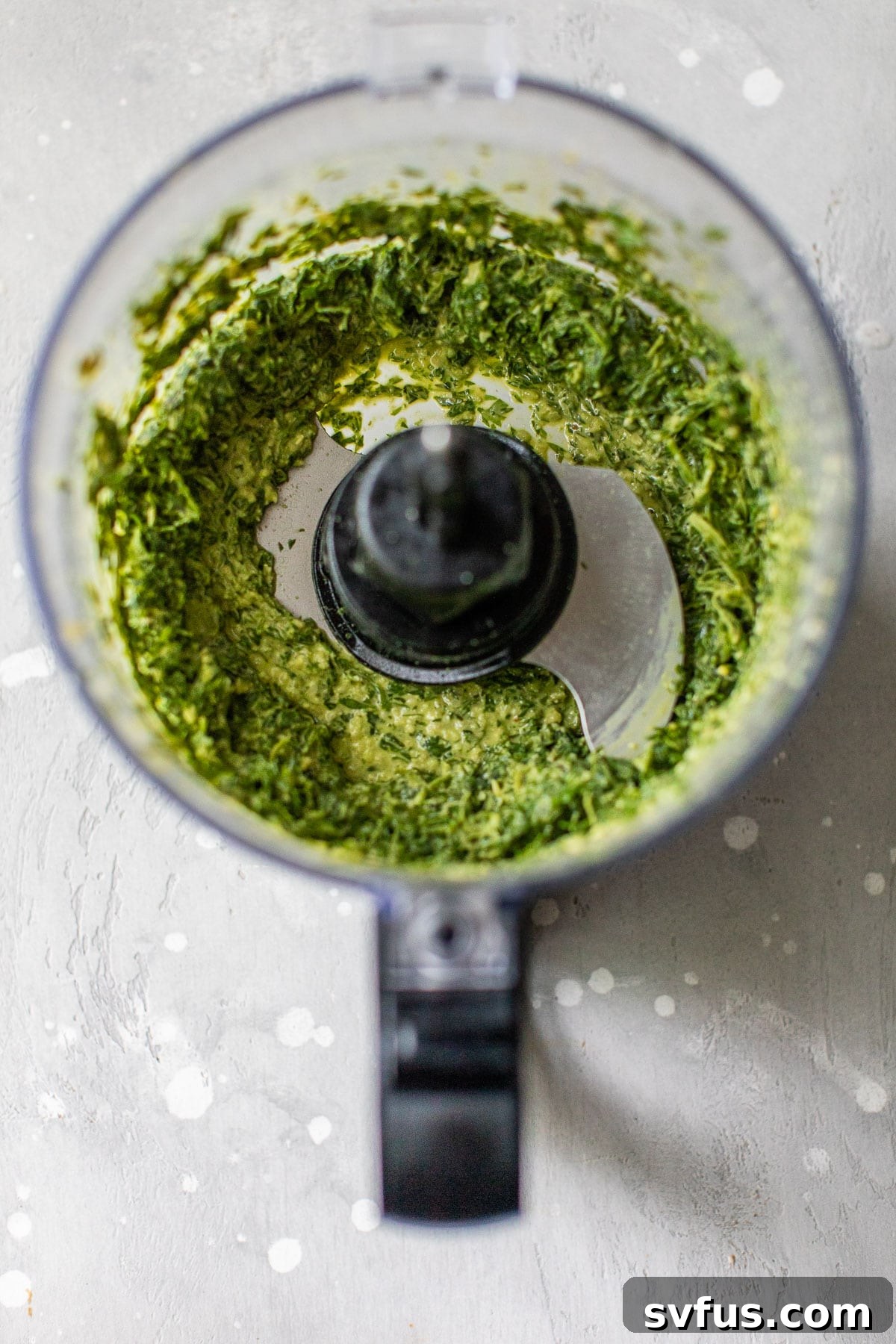
Once your pesto is perfectly smooth, scoop it out into a separate bowl and set it aside. There’s no need to meticulously clean the food processor at this stage; a few lingering pesto specks will only add to the final flavor.
Step 2: Whip Up Silky Smooth Hummus
Now, it’s time to create the creamy hummus base. Add the drained and rinsed chickpeas, one garlic clove, two tablespoons of lemon juice, ¼ cup of tahini, and ¼ teaspoon of salt to the food processor (which still contains any residual pesto). Pulse these ingredients to combine. With the motor still running, pour in ¼ cup of olive oil through the feed tube. Continue to process, scraping down the sides occasionally, until the hummus becomes incredibly smooth and creamy. For an even silkier texture, some like to add a tablespoon or two of ice water during this step, or even peel the chickpeas beforehand, though this is optional.
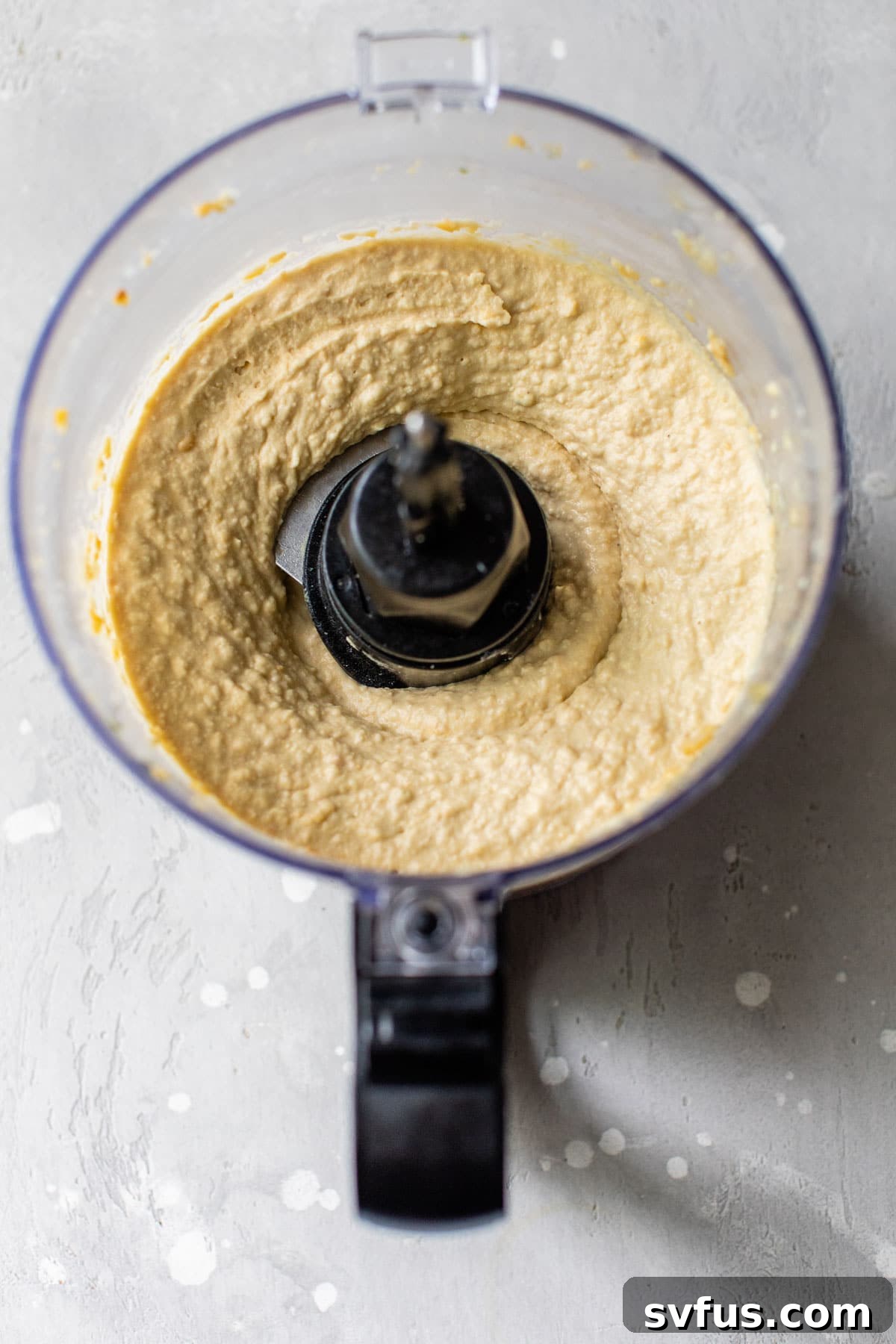
Step 3: The Perfect Fusion
For the grand finale, return the prepared carrot top pesto back into the food processor with the smooth hummus. Pulse a few more times until the pesto is thoroughly combined and swirled into the hummus, creating a uniform, beautiful green dip. This final step ensures that every bite is packed with both the zesty pesto and the rich hummus flavors.
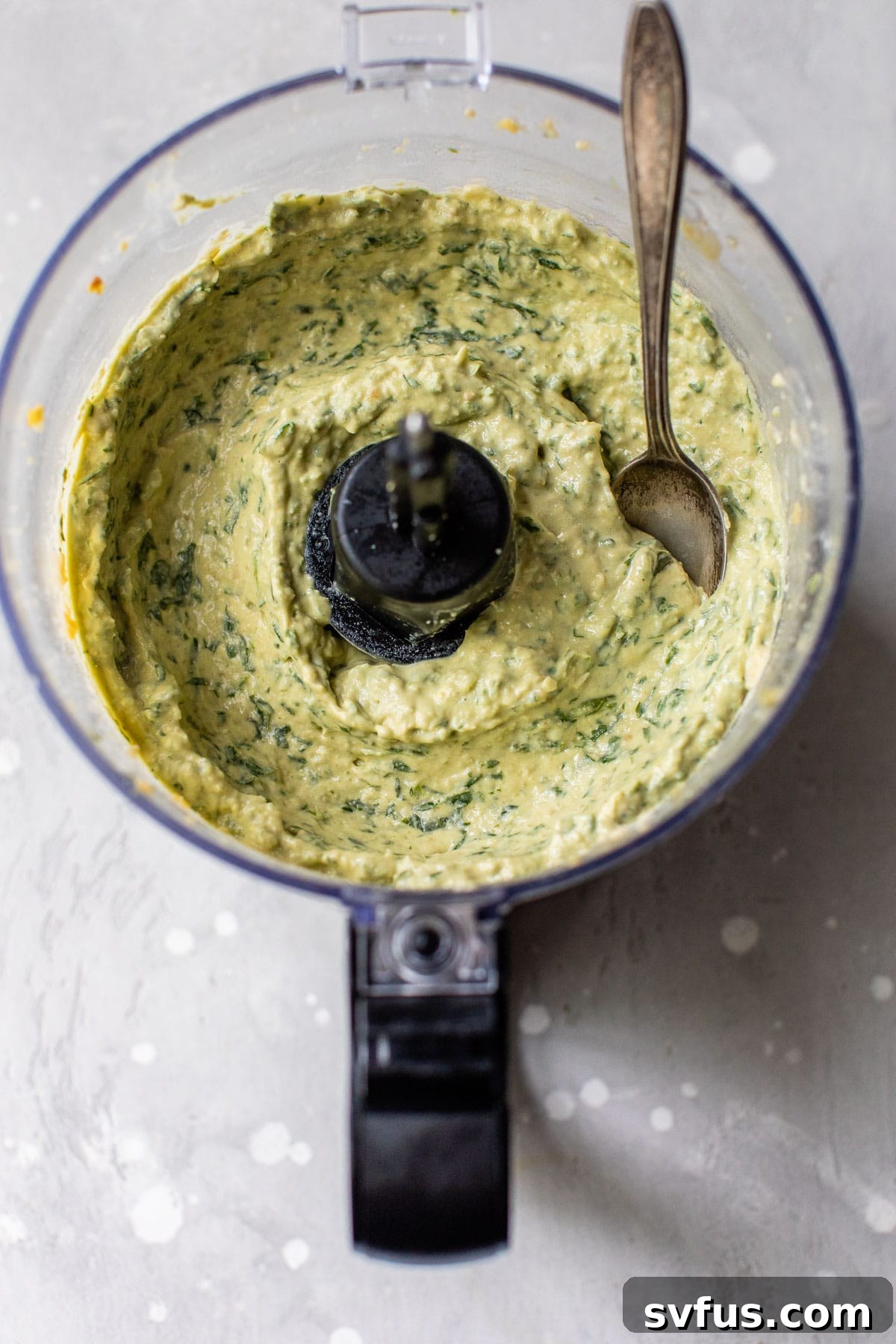
Taste and adjust seasonings as needed. You might want a little more salt, lemon juice, or even a drizzle of olive oil to reach your preferred taste and consistency. Transfer to a serving bowl, garnish with a few fresh basil leaves or a sprinkle of pine nuts, and enjoy your homemade Carrot Top Pesto Hummus!
Expert Tips for the Best Pesto Hummus
Achieving the perfect Carrot Top Pesto Hummus is easy with a few insider tips:
- Adjusting Consistency: If your pesto or combined hummus seems too thick or isn’t coming together smoothly, gradually add more water or olive oil, one tablespoon at a time, until you reach your desired creamy consistency. The goal is a spreadable, luxurious dip.
- Carrot Top Quantity: The recipe calls for approximately one bunch of carrot tops, which typically yields around two cups when packed. If your bunch is smaller, adjust accordingly or supplement with a little extra basil.
- Equipment Alternatives: No food processor? No problem! A powerful blender, such as a NutriBullet or a high-speed countertop blender, can also effectively create smooth pesto and hummus. You might need to pause and scrape down the sides more frequently.
- For Extra Creamy Hummus: For hummus that rivals your favorite restaurant, consider peeling the chickpeas. This extra step removes the outer skins, resulting in an exceptionally silky-smooth texture. Another trick is to add a few ice cubes or a tablespoon of ice water while processing the hummus; the cold helps emulsify the ingredients and creates a lighter, fluffier dip.
- Storage: Store leftover Carrot Top Pesto Hummus in an airtight container in the refrigerator for up to 5-7 days. To prevent the surface from drying out, you can drizzle a thin layer of olive oil on top before sealing.
- Freezing: Yes, you can freeze pesto hummus! Store it in an airtight, freezer-safe container for up to 2-3 months. Thaw in the refrigerator overnight before serving. The texture might be slightly different upon thawing, but it will still be delicious.
Serving Suggestions & Pairings
The versatility of Carrot Top Pesto Hummus knows no bounds! Here are some fantastic ways to enjoy this vibrant dip:
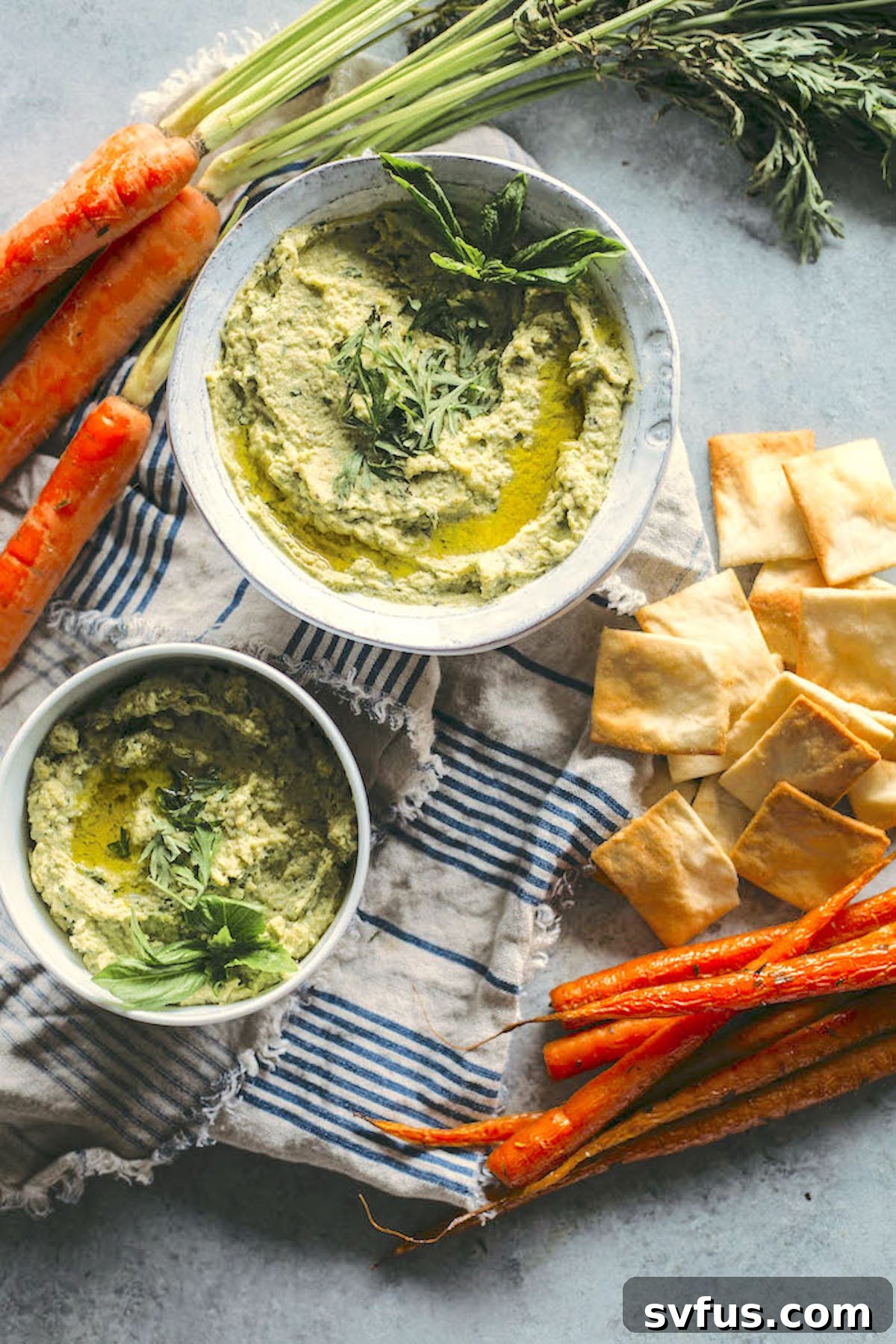
- Classic Dipping: Serve it with warm pita bread, pita chips, or a colorful array of fresh vegetables like carrot sticks (of course!), cucumber slices, bell pepper strips, celery, and cherry tomatoes.
- Elevated Appetizer Platter: Incorporate it into a Mediterranean-inspired spread alongside other healthy appetizers such as black pepper whipped feta, olives, roasted red peppers, and crusty bread.
- Spread & Sandwich Booster: Use it as a flavorful spread for sandwiches, wraps, and toast. It’s fantastic with grilled vegetables, falafel, or roasted chicken.
- Salad Dressing Alternative: Thin it out with a little extra lemon juice and olive oil to create a unique and zesty salad dressing.
- Pasta Sauce: Toss it with your favorite warm pasta for a quick and easy weeknight meal. Add some sun-dried tomatoes or cherry tomatoes for extra flavor.
- Flatbread or Pizza Base: Replace traditional tomato sauce with this pesto hummus for a gourmet flatbread or pizza. Try it in place of roasted red pepper hummus in a hummus flatbread recipe.
- Stuffed Vegetables: Use it as a filling for bell peppers, mushrooms, or even avocados.
Frequently Asked Questions
Is Carrot Top Pesto Hummus Vegan and Gluten-Free?
Yes! This recipe is naturally both vegan and gluten-free, making it an excellent choice for individuals with these dietary preferences or restrictions. It’s a plant-based powerhouse packed with wholesome ingredients.
How long does homemade pesto hummus last?
When stored in an airtight container in the refrigerator, homemade Carrot Top Pesto Hummus typically stays fresh and delicious for about 5 to 7 days. Always trust your senses; if it smells off or shows any signs of spoilage, it’s best to discard it.
Can I make just carrot top pesto?
Absolutely! If you’re looking to make solely carrot top pesto, you can follow the pesto portion of this recipe’s ingredients and instructions. For another excellent reference, you might also consult similar recipes like the pesto recipe from Simply Recipes.
More Delicious & Healthy Appetizers You’ll Love
If you enjoyed this innovative dip, you might also like to explore these other fantastic appetizer ideas that are perfect for entertaining or healthy snacking:
- Black Pepper Whipped Feta
- Caramelized Onion Dip
- Bacon Guacamole
Carrot Top Pesto Hummus
Erin Alvarez
10
10 mins
10 mins
Print Recipe
Ingredients
For the Pesto:
- 1 bunch carrot tops
- 1 cup fresh basil, packed
- 1 large garlic clove
- 3 tbsp pine nuts
- 1 tbsp lemon juice
- 3 tbsp olive oil, or more
- 3 tbsp water, or more
- pinch of salt
For the Hummus:
- 14 oz. chickpeas, drained and rinsed
- 1 garlic clove
- 2 tbsp lemon juice
- 1/4 cup tahini
- 1/4 cup olive oil
- 1/4 tsp salt
Instructions
-
Add the carrot tops, basil, garlic, pine nuts, lemon juice, and salt to your food processor and pulse. With the motor still running, pour the olive oil in through the top. Then, add the water in 1 tbsp at a time, adding more as needed until the pesto is smooth.
-
Scoop the pesto out into a bowl and set it aside.
-
Next, add the chickpeas, garlic, lemon juice, tahini, and salt to the food processor and pulse. With the motor running, pour the olive oil in through the top and pulse until the hummus is smooth.
-
Last, scoop the pesto back into the food processor with the hummus and pulse until combined. Enjoy!
Notes
Nutrition
Calories: 171kcal
Carbohydrates: 13g
Protein: 5g
Fat: 12g
Saturated Fat: 1g
Sodium: 64mg
Potassium: 175mg
Fiber: 3g
Sugar: 2g
Vitamin A: 143IU
Vitamin C: 3mg
Calcium: 35mg
Iron: 2mg
We hope you enjoy making this Carrot Top Pesto Hummus! If you tried this recipe, we’d love for you to leave a comment and a star rating below. Your feedback helps us and other home cooks discover delicious new dishes!
UPDATE NOTE: This post was originally published in September 2016 and was thoroughly updated with new text and photos in May 2021 to provide more comprehensive information and an enhanced user experience.