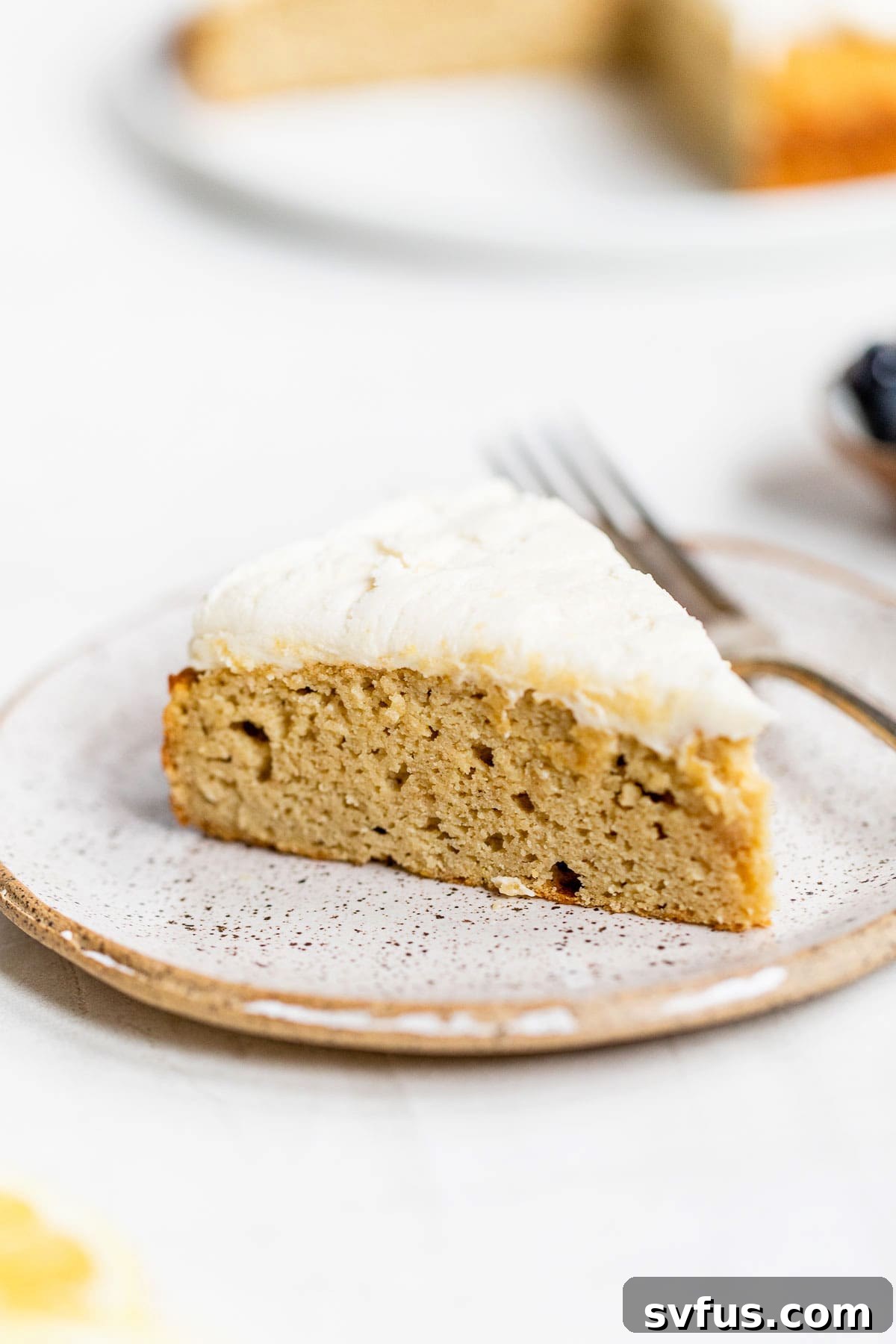
You’re in for a treat with this incredibly simple, utterly delicious, and perfectly moist Coconut Flour Cake! Crafted with a thoughtful blend of eggs, natural maple syrup, and gluten-free coconut flour, this recipe not only caters to those with dietary restrictions but also delivers a delightful indulgence that everyone will adore. It’s truly a triumph in gluten-free and dairy-free baking, offering a texture and flavor profile that defies expectations.
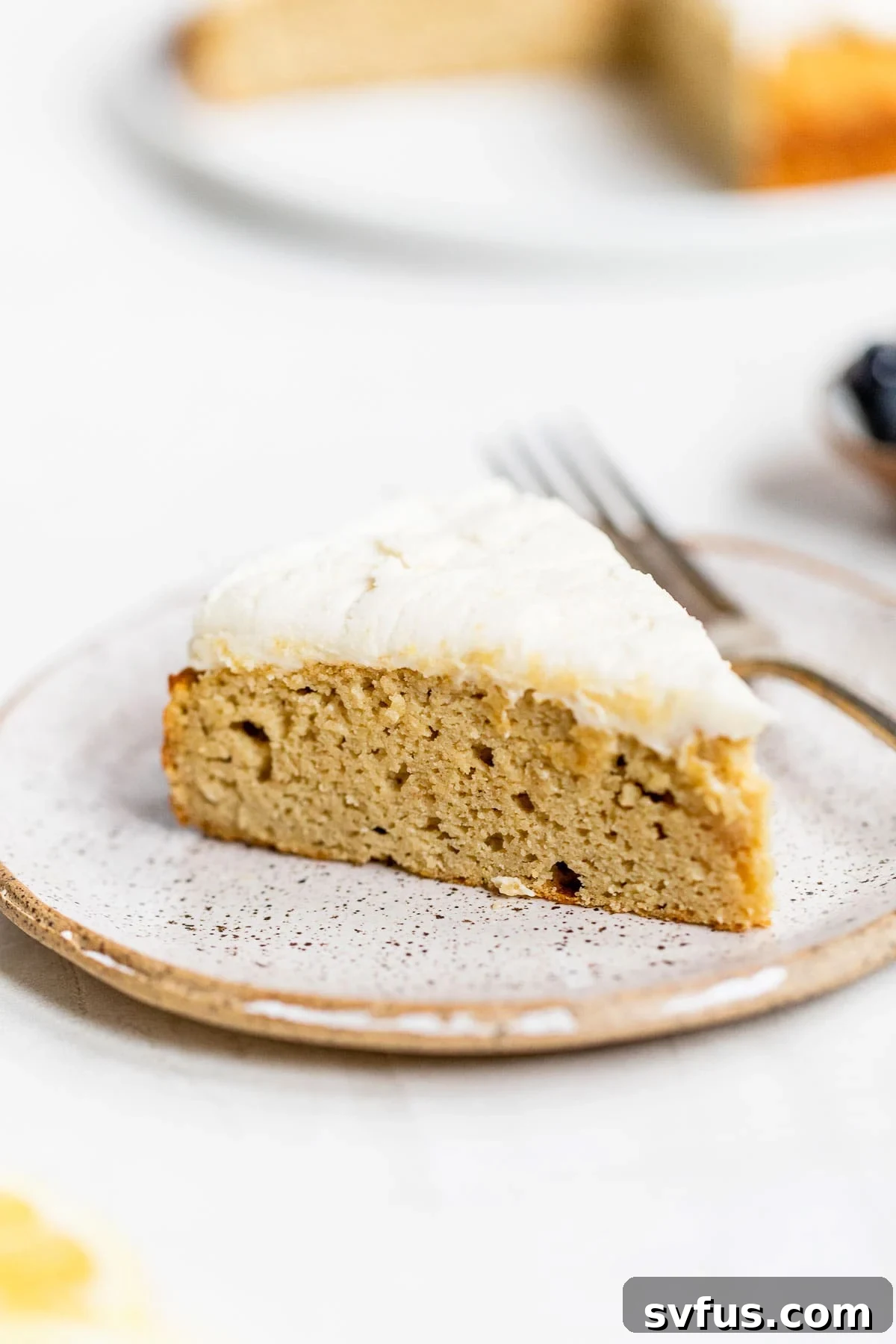
Creating the perfect gluten-free cake can often feel like a culinary quest, but this coconut flour cake truly is everything you’ve wished for in a specialty dessert and so much more! Its rich flavor and tender crumb make it a standout, proving that dietary needs don’t mean compromising on taste or texture.
My journey to perfecting this recipe was quite an adventure! Coconut flour, while wonderfully unique, can be one of the most finicky gluten-free flours to work with. It demands precision and patience, but the gratifying result of a perfectly moist and flavorful cake made every single trial and error absolutely worth it. The distinct properties of coconut flour mean it behaves very differently from traditional wheat flour, requiring a specific balance of liquids and fats to achieve that desired light and airy crumb.
After successfully sharing my chocolate almond flour cake, I received numerous messages via Instagram from eager bakers asking about a potential coconut flour rendition. Before diving into a full-fledged cake, I honed my skills with my popular coconut flour banana muffins. This initial success provided the confidence and understanding needed to tackle the complexities of a larger cake, paving the way for this fantastic recipe.
Exceptional Recipe Features
Discover what makes this Coconut Flour Cake a must-try for any occasion:
- Diet-Friendly Indulgence: This cake is thoughtfully crafted to be entirely gluten-free, dairy-free, and nut-free, making it a wonderful option for those with various dietary restrictions or allergies. It’s a truly inclusive dessert!
- Unforgettable Moisture & Flavor: Experience a cake that is perfectly moist, tender, and boasts a delicate coconut flavor. It’s beautifully complemented by a simple, zesty lemon buttercream, adding a bright contrast to the richness of the cake.
- Effortless & Quick: From start to finish, this delightful cake is ready to enjoy in approximately 1 hour, making it an ideal choice for last-minute gatherings or a spontaneous sweet craving.
- Wholesome Ingredients: Prioritizing natural sweeteners like maple syrup and the unique benefits of coconut flour, this cake offers a more wholesome alternative to traditional desserts without sacrificing taste.
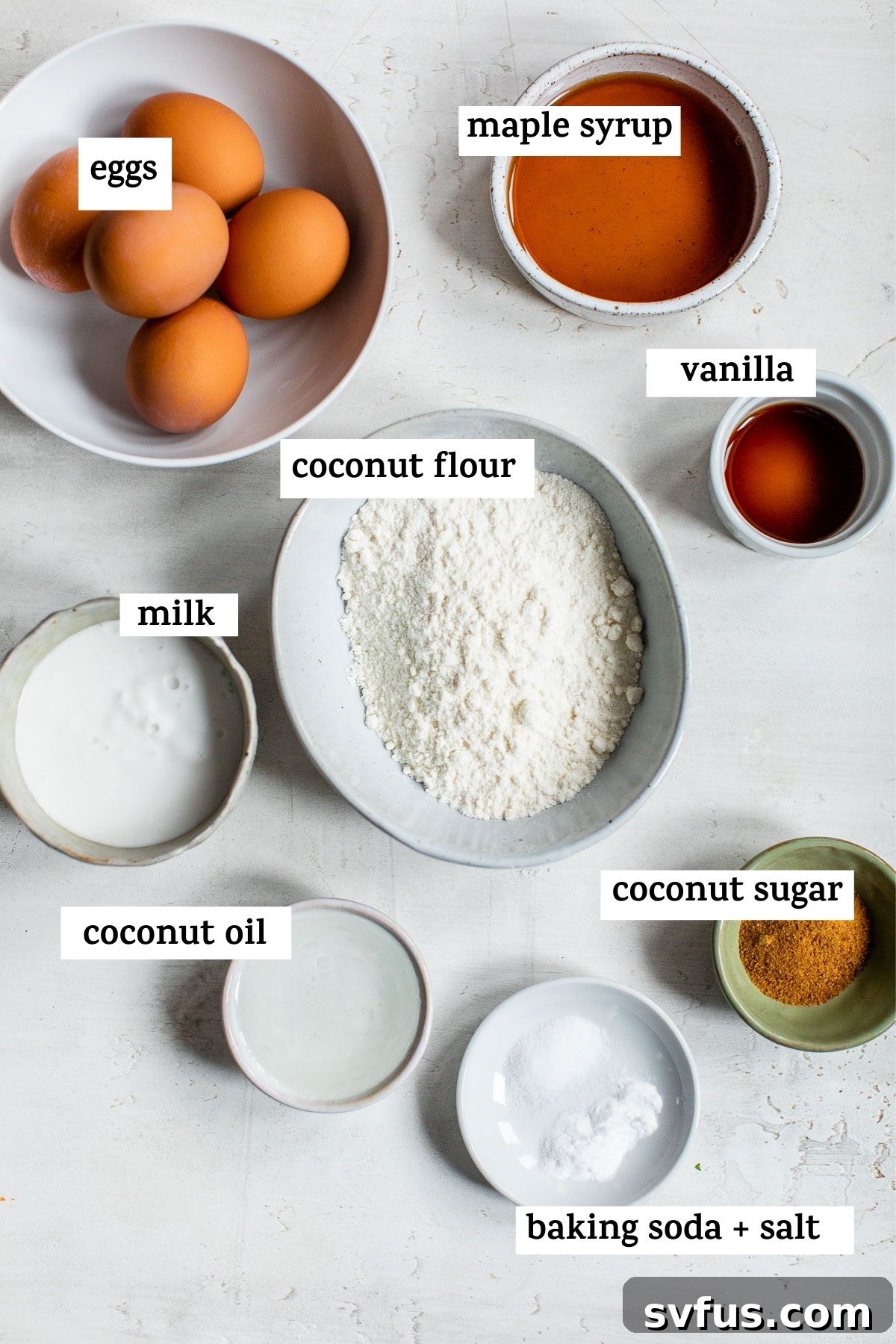
Key Ingredient Notes & Considerations
Due to the unique and highly absorbent nature of coconut flour, this recipe requires specific ingredients and offers limited substitutions. Adhering to these guidelines is crucial for achieving the perfect texture and moisture. Here’s a deeper dive into the role of each key component:
- Coconut Flour: This is the star of our cake and is absolutely non-negotiable. Coconut flour behaves distinctly from other flours, absorbing a tremendous amount of liquid. Its fine texture can sometimes lead to lumps, so a crucial tip for a smooth batter is to sift the flour before incorporating it. This ensures even distribution and a uniform cake crumb.
- Milk: For this dairy-free recipe, any carton-based dairy-free milk (such as oat milk, almond milk, or even coconut milk from a carton) will work beautifully. However, it’s vital to AVOID canned coconut milk. Canned varieties are significantly thicker and contain a higher fat content, which will result in a dense, overly thick batter that doesn’t bake correctly. The thinner consistency of carton milk is essential for the right balance of moisture.
- Maple Syrup: This recipe was developed and perfected using pure maple syrup, and I highly recommend sticking with it. While I did test with honey, the flavor and texture achieved with maple syrup were far superior. Its liquid form is also crucial for contributing to the overall moisture of the cake, as coconut flour needs plenty of hydration.
- Coconut Oil: Coconut oil is my preferred choice for baking due to its mild flavor and excellent performance in cakes, especially those calling for a dairy-free fat. It provides moisture and helps with the cake’s structure. If coconut oil isn’t readily available or you prefer an alternative, a light-flavored olive oil can be used as a suitable substitute. Ensure it’s melted and cooled before mixing.
- Coconut Sugar: This ingredient is entirely optional but highly recommended if you desire a touch of extra sweetness in your cake. As the recipe is otherwise refined-sugar-free, coconut sugar provides a subtle caramel-like sweetness without overpowering the natural flavors, enhancing the overall indulgence.
- Eggs: You’ll notice this recipe calls for five eggs – and yes, they are all absolutely necessary! Coconut flour’s exceptional absorbency means it needs a significant amount of liquid to prevent the cake from becoming dry and crumbly. The eggs provide not only essential moisture but also crucial structure and richness to hold the cake together.
Easy Step-by-Step Baking Guide
Follow these straightforward steps to create your perfect Coconut Flour Cake:
Step 1: Prepare and Combine Wet Ingredients. Begin by melting your coconut oil. It’s crucial to let it cool completely to room temperature before adding it to the other wet ingredients. Meanwhile, in a large mixing bowl, whisk together the eggs, milk, maple syrup, and vanilla extract until well combined and smooth. Once the coconut oil has cooled, gently whisk it into the egg mixture. This temperature control prevents the eggs from cooking and ensures an even batter consistency.
Step 2: Gently Fold in Dry Ingredients. In a separate, medium-sized bowl, combine the sifted coconut flour, coconut sugar (if using), baking soda, and salt. Whisk these dry ingredients together thoroughly to ensure they are evenly distributed. Next, gradually add the dry mixture to the wet ingredients. It’s paramount to gently fold the dry into the wet, mixing just until the flour is incorporated. Over-mixing coconut flour batter can lead to a dense, rubbery cake, as the flour will absorb too much liquid too quickly. As soon as the last streaks of flour disappear, stop mixing and immediately pour the batter into your prepared, greased, or parchment-lined cake pan.
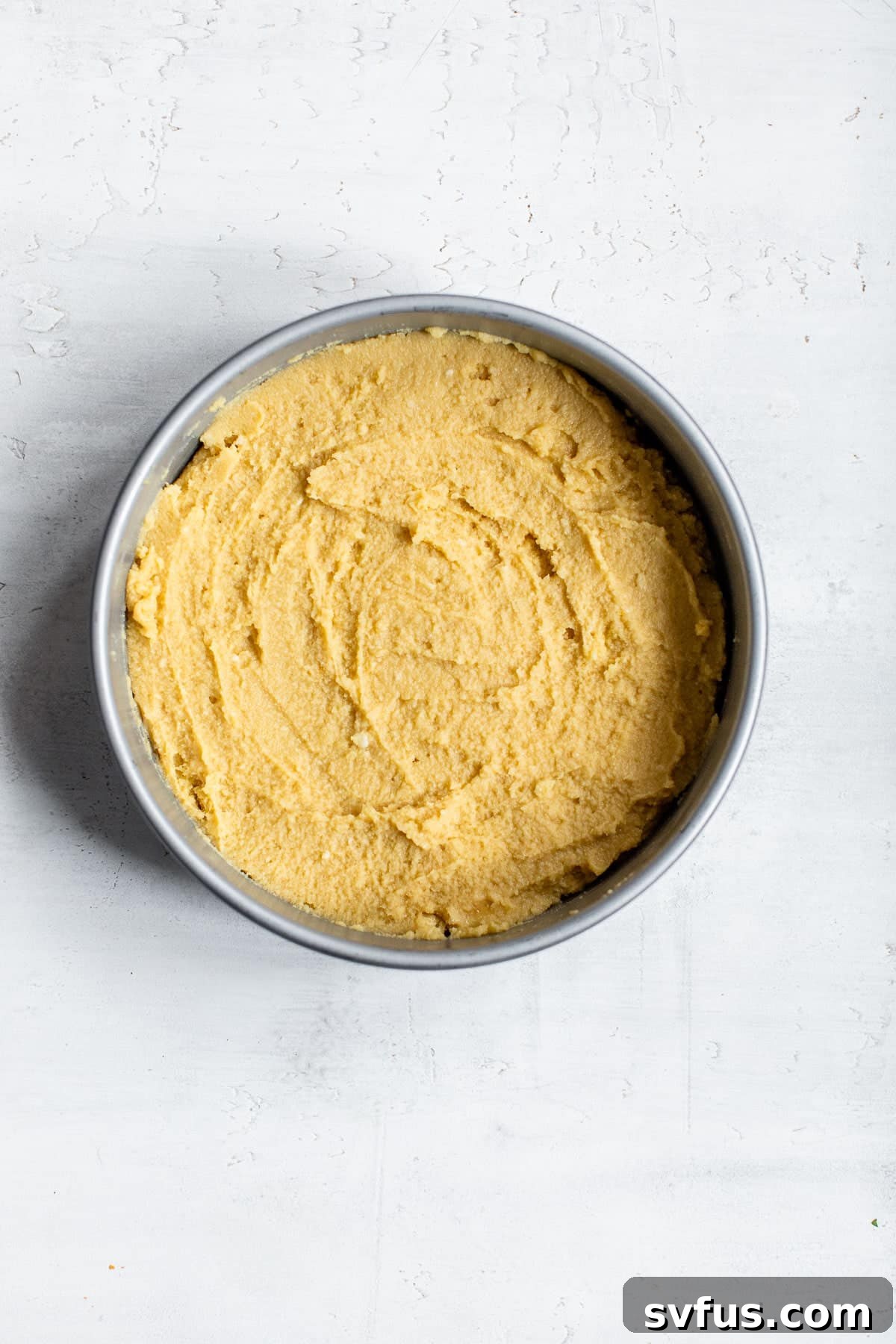
Step 3: Bake to Golden Perfection. Place your cake pan into a preheated oven and bake for approximately 30-34 minutes. Baking times can vary slightly depending on your oven, so rely on the toothpick test: insert a toothpick into the center of the cake; if it comes out clean, your cake is ready. Once baked, remove the pan from the oven and let it rest on a wire rack for 10 minutes. This crucial cooling period in the pan allows the cake to firm up slightly before you attempt to invert it. After 10 minutes, carefully invert the cake onto the cooling rack and allow it to cool completely before applying any icing. Rushing this step will result in melted, messy frosting.
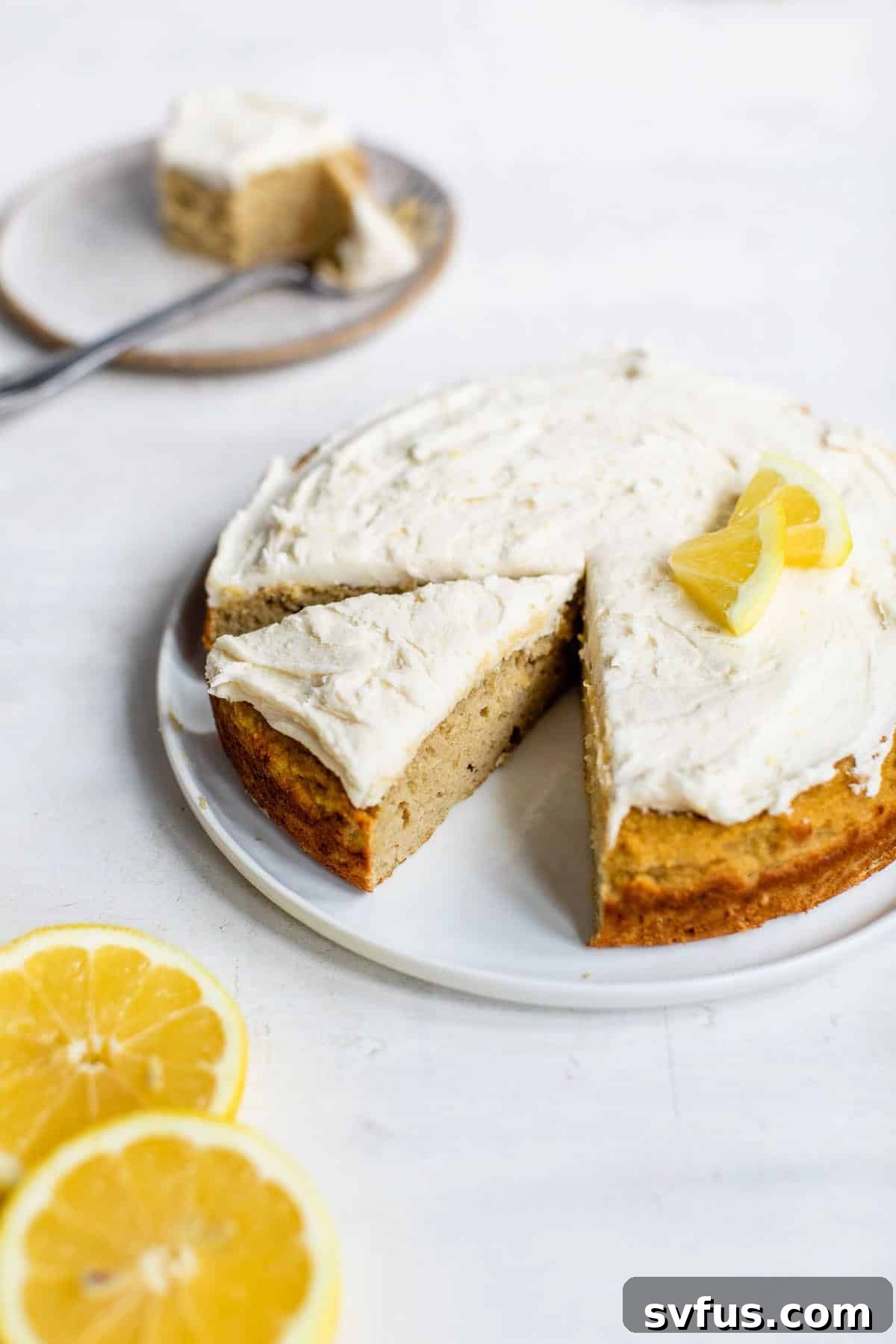
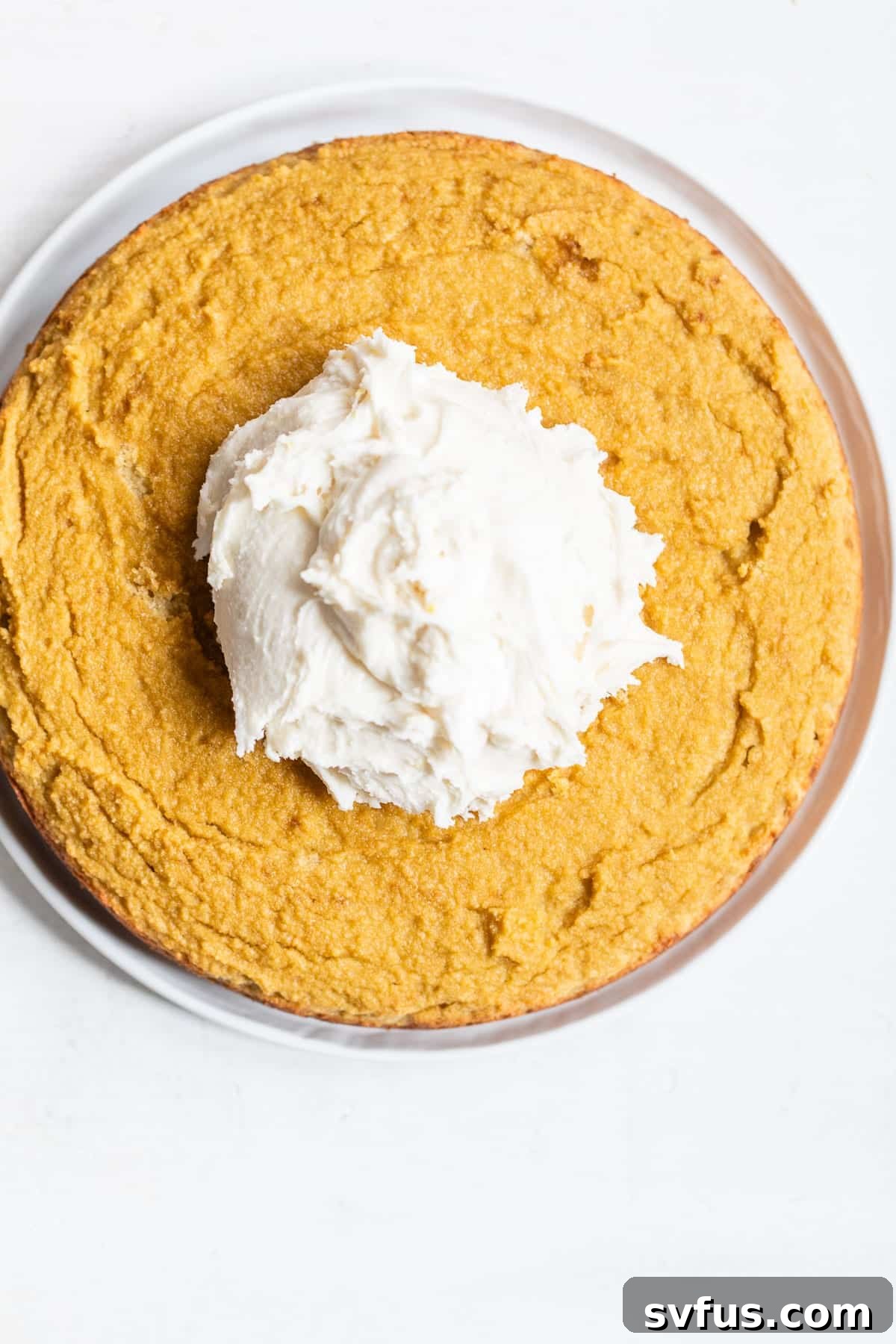
Step 4: Prepare and Apply the Icing. While your cake cools, prepare the luscious lemon buttercream. In a mixing bowl, combine all the icing ingredients. Using an electric or stand mixer, whisk everything together until smooth, creamy, and light. If you’re adding lemon zest, stir it in now for a bright, citrusy kick. Once the cake is completely cool, dollop a generous amount of icing onto the center. Use the back of a spoon or an offset spatula to gently spread the icing outwards, creating beautiful swirls or an even layer. Now, your magnificent Coconut Flour Cake is ready to be sliced, served, and savored!
Expert Tips for Coconut Flour Cake Success
Baking with coconut flour can be a unique experience, but with these tips, you’ll achieve perfect results every time:
- Sift Your Coconut Flour: This is a non-negotiable step for a smooth, lump-free batter and an even cake texture. Coconut flour can clump easily, so using a fine mesh strainer to sift it over a large mixing bowl before combining with other dry ingredients will make a significant difference in the final product.
- Do NOT Over-Mix the Batter: This is perhaps the most critical rule when baking with coconut flour. Because of its intense absorbency, over-mixing will cause the batter to thicken excessively, leading to a dense, dry, and rubbery cake. Gently fold the dry ingredients into the wet until just combined. The moment you see no more dry streaks, stop mixing and pour the batter into your prepared cake pan immediately.
- Ensure Coconut Oil is Room Temperature: When the recipe calls for melted coconut oil, it’s vital to let it cool down to room temperature before adding it to your egg mixture. Adding hot oil to cold ingredients can temper or even cook the eggs, ruining the consistency of your batter.
- Parchment Paper is Your Friend: Lining your cake pan with parchment paper, especially on the bottom, can prevent sticking and make for much easier cake removal. Even if you grease the pan, parchment offers an extra layer of assurance for a perfect release.
- Patience During Cooling: Resist the urge to frost a warm cake! Waiting for the cake to cool completely, first on the rack in its pan, then directly on the rack, is essential. Warm cake will melt the frosting, leading to a runny, unappealing finish.
Frequently Asked Questions About Coconut Flour Cake
Do I really need to use five eggs for this recipe?
Yes, absolutely! It might seem like a lot compared to traditional cake recipes, but it’s a critical component when baking with coconut flour. Coconut flour is remarkably absorbent, soaking up liquids far more effectively than wheat or almond flour. These five eggs provide the necessary moisture to keep the cake tender and prevent it from becoming dry or crumbly. I initially experimented with four eggs, but the texture wasn’t quite right; increasing to five resulted in the perfectly moist and rich cake you’ll love. While I haven’t tested this recipe with flax eggs or other egg substitutes, you’re welcome to experiment if you’re looking for a vegan alternative, though results may vary.
What are the benefits of baking with coconut flour?
Coconut flour offers a wealth of benefits, making it an excellent choice for health-conscious bakers and those with dietary restrictions. First and foremost, it is naturally gluten-free, making it ideal for individuals with celiac disease, gluten sensitivity, or those simply choosing to avoid gluten in their diet. Beyond that, it is also nut-free, a significant advantage for anyone with nut allergies, allowing them to safely enjoy baked goods. Nutritionally, coconut flour is a fantastic source of dietary fiber, which can aid in digestion and help maintain a feeling of fullness. It also has a lower glycemic index compared to many other flours, which can help regulate blood sugar levels. Furthermore, it adds a subtle, pleasant coconut flavor to dishes, enhancing their taste profile. Its unique composition makes it suitable for a wide range of diets, including paleo, keto (in moderation), and whole-food approaches.
Can I use a different sweetener in this cake?
While I highly recommend using maple syrup for its optimal flavor and liquid consistency in this recipe, you do have some flexibility. I tested this cake extensively with both maple syrup and honey, and while both work, the maple syrup yielded a superior taste and texture that I preferred. The key takeaway, however, is that you must use a liquid sweetener (like maple syrup or honey) rather than a granulated sugar in the main cake batter. This is directly related to coconut flour’s high absorbency; it requires a significant amount of liquid to achieve the correct moisture and structure, which granulated sugars simply cannot provide in the same way. For the optional coconut sugar, you could theoretically use another granulated natural sugar like date sugar, but its impact on the overall liquid content is minimal.
Storage Best Practices for Your Coconut Flour Cake
To ensure your delicious Coconut Flour Cake remains fresh and enjoyable, follow these storage guidelines:
- Room Temperature: If your kitchen is cool, this cake can be stored in an airtight container or covered securely on a plate at room temperature for 1-2 days. Be sure it’s well-covered to prevent drying out.
- Refrigerator: For extended freshness, transfer the cake to a sealed container and store it in the refrigerator for up to 4 days. Chilling can sometimes alter the texture slightly, but it will still be delicious. Allow it to come closer to room temperature before serving for the best experience.
- Freezer: If you plan to enjoy this cake later, it freezes beautifully! For best results, freeze the cake before adding the icing. Once the baked cake has cooled completely, wrap it tightly in multiple layers of plastic wrap, followed by a layer of aluminum foil. Store it in the freezer for up to 2 months. When ready to serve, thaw the cake in the refrigerator overnight, then add your fresh icing before enjoying.
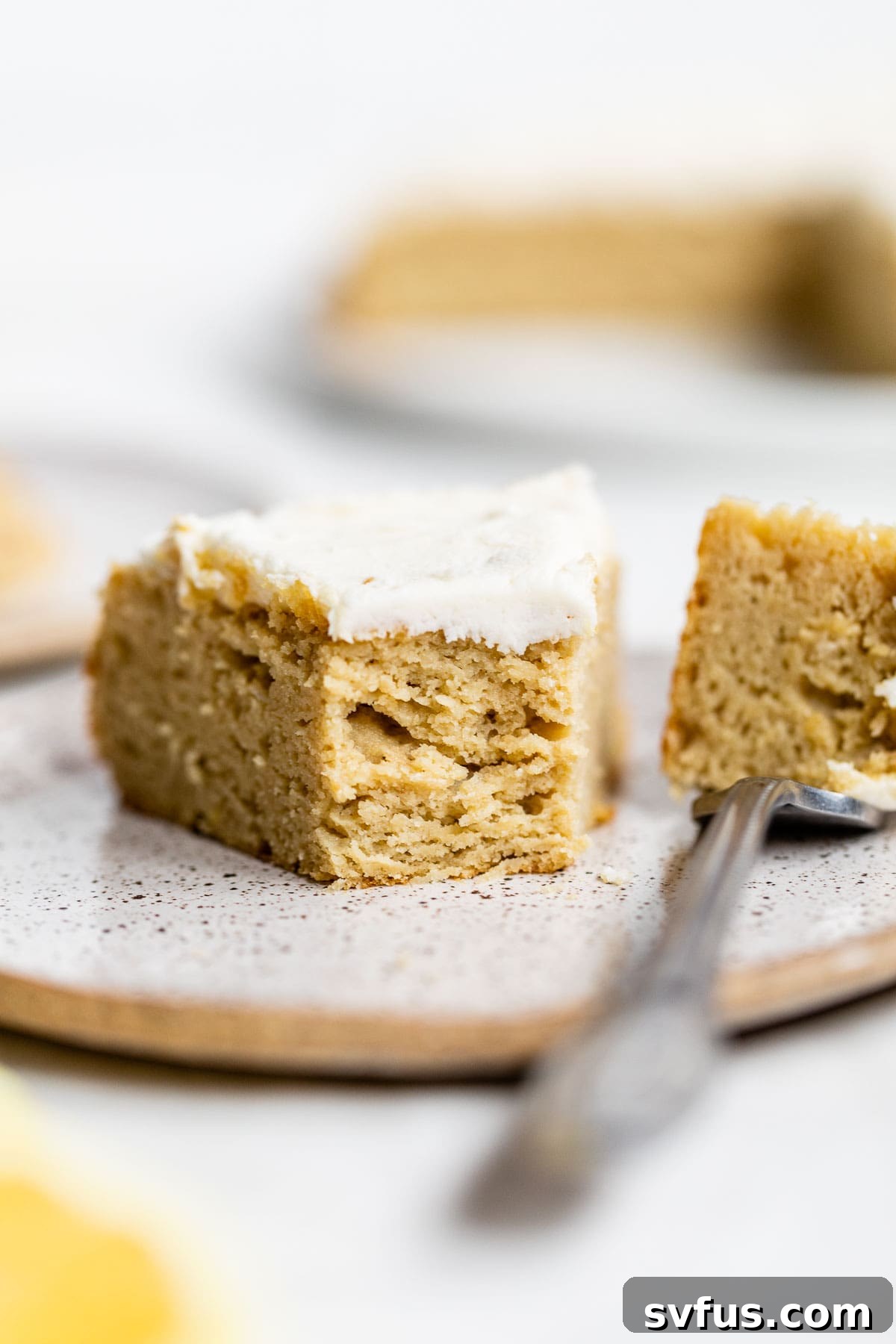
This Coconut Flour Cake is more than just a dessert; it’s a celebration of wholesome ingredients and thoughtful baking. It proves that a cake can be incredibly moist, flavorful, and satisfying while adhering to specific dietary needs. Whether you’re a seasoned gluten-free baker or just starting to explore new flours, this recipe offers a rewarding experience from start to finish. Its delicate sweetness and tender crumb make it an instant favorite for any occasion, from casual family dinners to special celebrations. Don’t let the unique properties of coconut flour intimidate you; with these detailed instructions and tips, you’re well on your way to baking a masterpiece.
More Delightful Gluten-Free Dessert Recipes:
- Healthy Birthday Cake Brownies – Indulge in guilt-free brownies perfect for any celebration!
- Dairy-Free Peanut Butter Fudge – A rich and creamy fudge that’s surprisingly dairy-free.
- Gluten-Free Apple Cupcakes – Perfectly spiced and moist, these cupcakes are an autumn delight.
If you enjoyed making this recipe, please take a moment to leave a comment and a star rating below. Your feedback helps other bakers discover and enjoy these recipes too! Thank you!
Coconut Flour Cake
By Erin Alvarez
Prep Time: 20 mins
Cook Time: 30 mins
Total Time: 50 mins
You’re going to love this easy, delicious, and moist Coconut Flour Cake! It’s made with eggs, maple syrup, and coconut flour, making it both gluten-free and dairy-free!
Ingredients
For the Cake:
- 5 large eggs
- 1/2 cup dairy-free milk (oat or almond milk recommended; see notes)
- 1/3 cup pure maple syrup
- 1/4 cup coconut oil, melted and cooled to room temperature
- 2 tsp vanilla extract
- 3/4 cup coconut flour, sifted
- 1 tbsp coconut sugar (optional, for extra sweetness)
- 1/2 tsp baking soda
- 1/2 tsp salt
For the Lemon Buttercream Icing:
- 2 tbsp softened butter (regular or dairy-free)
- 1 1/2 tbsp milk
- 1/4 tsp vanilla extract
- 1 1/2 cups powdered sugar
- 1/2 tsp lemon zest (optional, for a bright flavor)
Instructions
For the Cake:
- Preheat your oven to 350°F (175°C). Line an 8-inch round cake pan with parchment paper on the bottom and lightly grease the sides with coconut oil or your preferred baking spray. Set aside. Melt the coconut oil and allow it to cool completely to room temperature before proceeding.
- In a large mixing bowl, whisk together the eggs, milk, maple syrup, and vanilla extract until smooth. Once the melted coconut oil has cooled, gradually whisk it into the wet ingredients until fully incorporated.
- In a separate medium bowl, combine the sifted coconut flour, coconut sugar (if using), baking soda, and salt. Stir these dry ingredients together thoroughly to ensure even distribution.
- Add the dry ingredients to the wet ingredients. Gently fold them together using a spatula or whisk, mixing just until the flour is incorporated and no dry streaks remain. Be careful not to over-mix, as this can lead to a dense cake. Immediately transfer the batter into your prepared cake pan.
- Bake for 30-34 minutes, or until a wooden toothpick inserted into the center of the cake comes out clean. Remove the cake from the oven and let it cool in the pan on a wire rack for 10 minutes. After 10 minutes, carefully invert the cake onto the wire rack to cool completely before icing.
For the Icing:
- In a mixing bowl, combine the softened butter, milk, and vanilla extract. Using an electric mixer or stand mixer, beat these ingredients until smooth. Gradually add the powdered sugar, continuing to mix until the icing is smooth, creamy, and free of lumps. If desired, gently stir in the lemon zest for a refreshing citrus note.
- Once the cake is fully cooled, apply a generous dollop of icing on top. Use the back of a spoon or an offset spatula to spread the icing evenly across the top, creating a smooth finish or attractive swirls.
- Slice your beautiful Coconut Flour Cake and enjoy every moist, flavorful bite!
Notes
- Calories provided are per slice and are an estimation, which may vary based on specific ingredients and portion sizes.
- MILK: You can use any type of regular or dairy-free milk from a carton (almond milk, oat milk, or carton-based coconut milk are excellent choices). However, do NOT use canned coconut milk, as its thicker texture will make the batter too dense and result in a heavy cake.
- SWEETENER: While maple syrup is preferred for its specific flavor profile and consistency, honey can be used as an alternative liquid sweetener. Ensure you stick to liquid sweeteners for the main cake batter due to coconut flour’s high absorbency.
Nutrition Information (per serving)
(Automatically calculated; approximation only)
- Calories: 314 kcal
- Carbohydrates: 40g
- Protein: 6g
- Fat: 14g
- Saturated Fat: 10g
- Trans Fat: 1g
- Cholesterol: 112mg
- Sodium: 314mg
- Potassium: 95mg
- Fiber: 4g
- Sugar: 33g
- Vitamin A: 265IU
- Vitamin C: 1mg
- Calcium: 52mg
- Iron: 1mg
Did you make this delightful Coconut Flour Cake? We’d love to hear from you! Leave a comment and a star rating below to share your experience and help others discover this amazing recipe!